

You are making a lot of assumptions about what the victim could've been or should've been aware of. Someone completely new to H2S might mistake the odor - IF they detected it - for any number of things. IMHO, it'd also be fairly random to recognize your symptoms were caused by your own vehicle with an organic odor like that.While true, the odor at some point is detectable, and that was seemingly ignored.
There are also symptoms that occur prior to death, such as eye irritation, sore throat, cough, nausea and shortness of breath, which would be immediately eliminated if he had bothered to just open a window.
I'm wondering if there were other problems in the vehicle, as hydrogen sulfide typically is released in quantity when a battery is being overcharged, or the battery itself is damaged.
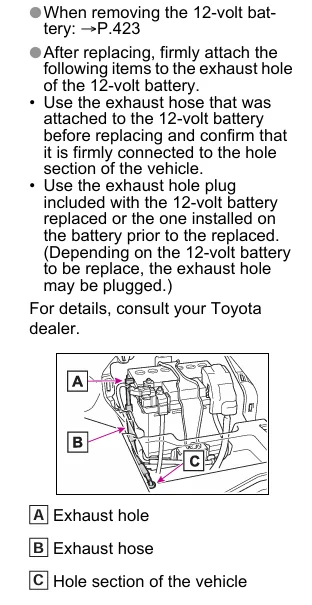
I think the court case defense will be looking at what steps were taken by the deceased that could have led to his own demise. Were any warning messages ignored? Were modifications made to the vehicle charging system? Is Ford responsible if he replaced his own battery inappropriately?
I would say no on a jury, if that was the evidence.
In any case, as someone who has worked in the safety department at an oil refinery and whose father worked in the oil/gas industry his whole life, I am not new to H2S. But armchair quarterbacking is fun, I guess.

Cheers.
Sponsored