
So we are driving Couriers ?No, Ford manufactures the hybrid's engine. At best it is technically an old Mazda design in the waning days of their association with Ford.
Sponsored
So we are driving Couriers ?No, Ford manufactures the hybrid's engine. At best it is technically an old Mazda design in the waning days of their association with Ford.
Maybe downsized Mazda B2600. I had one. Not a bad truck.So we are driving Couriers ?
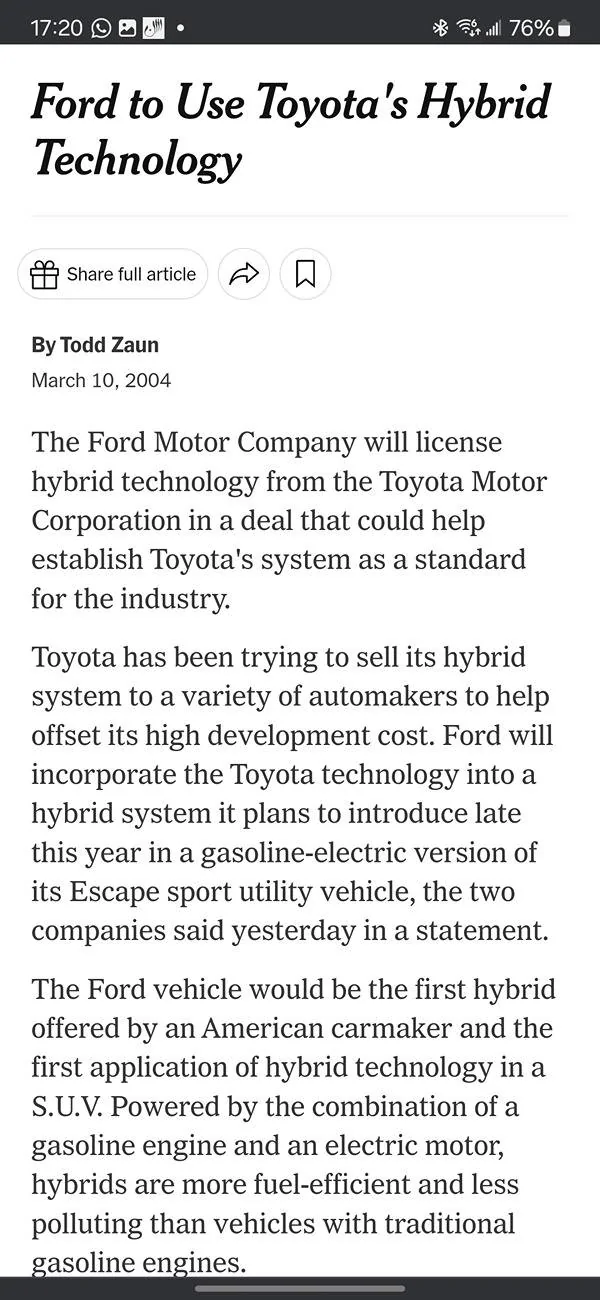
https://www.nytimes.com/2004/03/10/business/ford-to-use-toyota-s-hybrid-technology.html#they only make the f150 at dearborn.
I'll politely leave it at that. do your own research and please stop spreading misinformation.
The cross licensing agreement, which was over the eCVT and inverter setup, was court ordered, ended around 10 years ago, it's all Ford now. The current gen stuff from both brands is still similar, but not shared. Ford and Toyota have gone their own ways with the inverter setup. They never shared ICE tech.Well that's weird because my cousin is an engineer at the Dearborn plant and he said they've been in an agreement with Toyota for the hybrid system since early 2000.
Thanks for the message. I'm sending it to him. Appreciate it!The cross licensing agreement, which was over the eCVT and inverter setup, was court ordered, ended around 10 years ago, it's all Ford now. The current gen stuff from both brands is still similar, but not shared. They never shared ICE tech.
This is a statement (2013) from ToyotaThanks for the message. I'm sending it to him. Appreciate it!
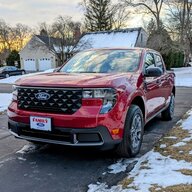
I thought they are a variation of the Mazda Miata engine?The hybrid's are Toyota engine's so highly unlikely...
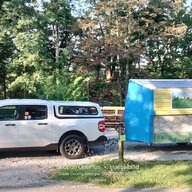
Yes, it is based of a Mazda 2.5L engine, heavily modified since that time.I thought they are a variation of the Mazda Miata engine?

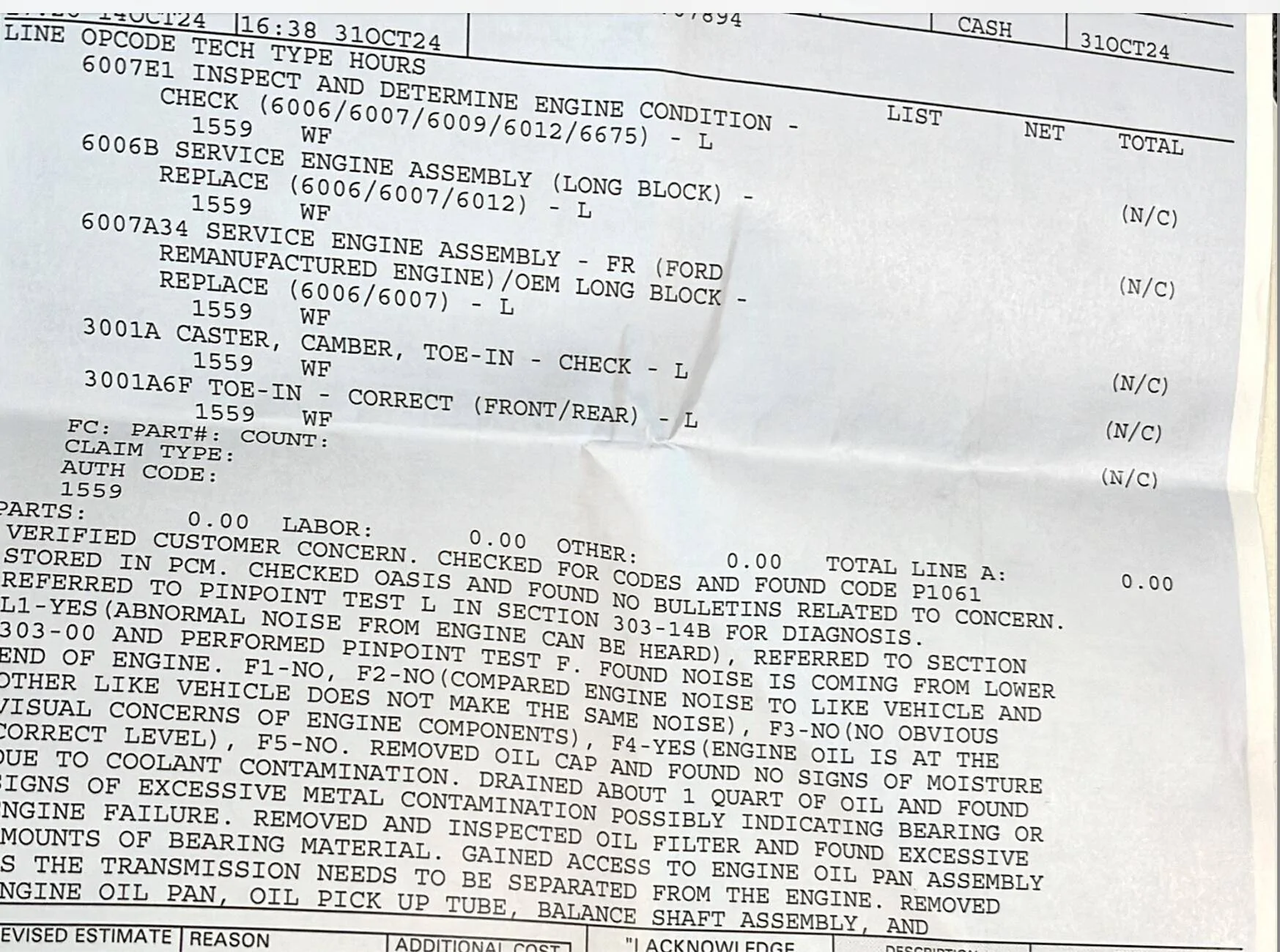
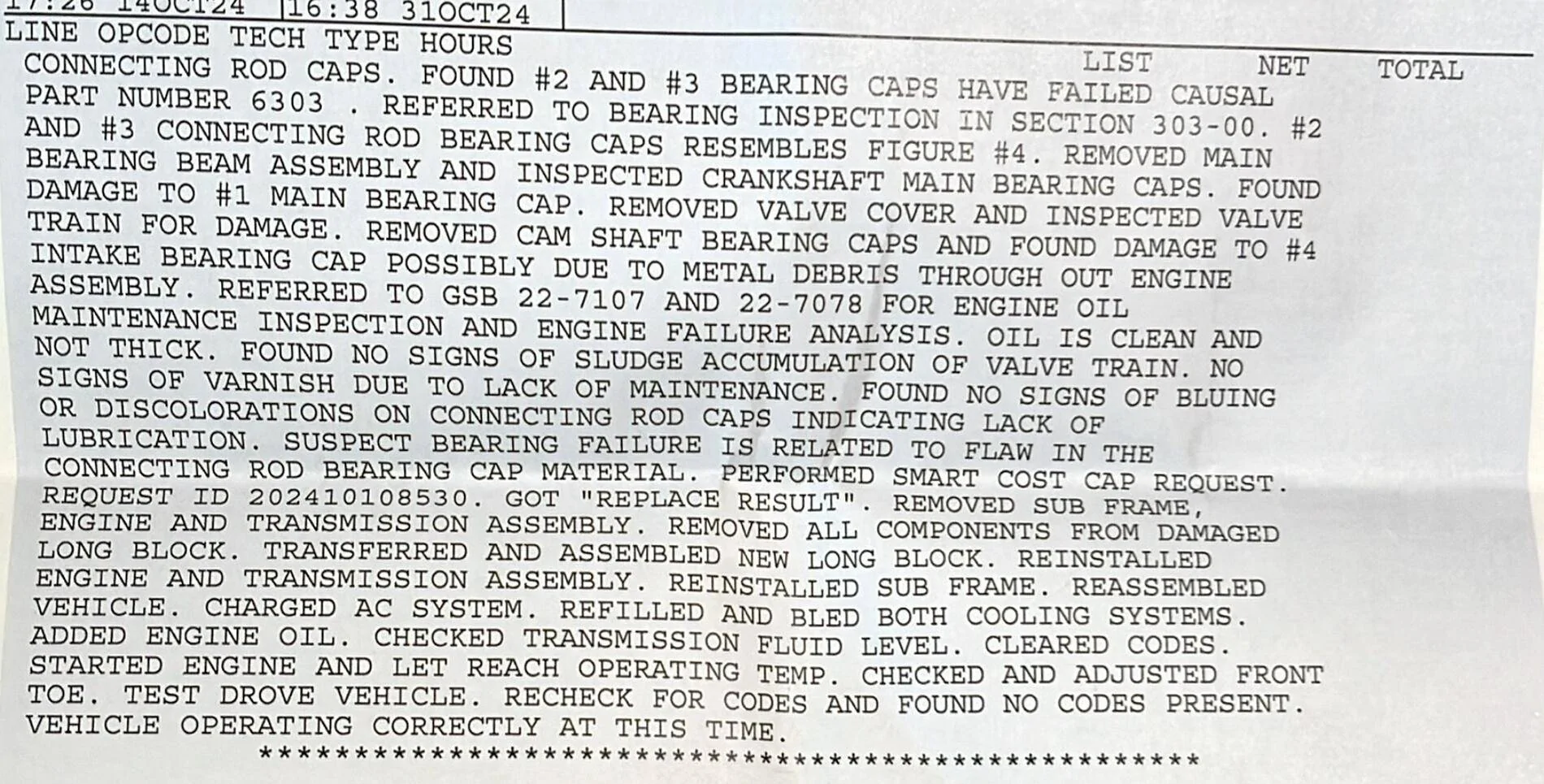
This what I was worried abt and traded mine in. Hopefully it’s better the 2nd time around.I just had to replace the engine in my 2022 Maverick with only 38,000 miles! It was quite a shock, especially since I’ve only had it for less than a year after buying it from a friend at a great price. I had just hit the freeway when my truck went into limp mode, struggling to go over 30 mph, and I barely made it home. I ended up having to tow it 77 miles to the Ford dealership—thank you, AAA!
The dealership was really helpful, and I got my truck back sooner than I expected, thankfully without any cost to me. This is my first Ford, and with my basic warranty expired, I’m not feeling too confident about the future of my beloved truck. The dealership mentioned they hadn’t seen this engine issue before with a Maverick, but most of the ones they work on don’t have as many miles as mine. They alluded to that more trucks from earlier model years with similar issues might be on the way. I just hope this doesn’t happen to anyone else!
Has any one else experienced this? If so, with how many miles?
No they don’t. Roughly 10-15 years before body begins rejecting it. I had a co worker with a heart and lung transplant and she was one of the longest run on a transplant (maybe 20+ years). Great person, lived her life to the fullest. RIP Nancy.A lot of people get heart transplants and live a long happy life. Enjoy your new maverick

I have the Ford Maverick Hybrid and a Toyota Venza Hybrid. They are not the the same engineThe hybrid's are Toyota engine's so highly unlikely...

Ford broadly licensed the conceptual technologies for a Hybrid patented by Toyota. The only specifically "Toyota" element was the eCVT was produced by Aisin, their subsidiary drivetrain company. Ford took over producing the eCVT assembly themselves starting with 2013MY vehicles.Are you actually being serious? There is so much misinformation going on who knows what's right and what's wrong.
Now I'm doubting myself and him.
Hybrid engines are less stressed than their pure gasoline counterparts? Totally untrue. I’ve had 2 Priuses for a total of 300k miles. My work commute goes from near sea level to 3,500 ft elevation, then ends at 2,200 ft elevation, then I go back in the opposite direction. The Prius has a 0.7 kWh battery. Going up the mountain pass, the battery is fully discharged in less than 5 minutes. Then system output drops from 134 hp combined to 88 hp on gasoline alone. Then the rest of the mountainous climb, at the 70 mph posted speed limit, is with the engine spinning at 5,000-5,500 rpm at full throttle or very close to it. The engine spends 10+ minutes per day at full throttle and 5,500 rpm. The head cracked on the first Prius I had at 180k miles and pumped antifreeze into the oil and wiped the bearings.The hybrid motors that Ford uses are leased from Toyota and they have been in escape hybrids for a long time. On top of this, hybrid technology is much less stressful on the gas motor components of the vehicle, so hybrids are likely to last longer than the EcoBoost counterparts.
I don't doubt you're right. That was a copy and paste online. I just googled it. To much misinformation out there it's crazy. Never had a Hybrid before but I'm looking forward to my Mav 25!!!!Hybrid engines are less stressed than their pure gasoline counterparts? Totally untrue. I’ve had 2 Priuses for a total of 300k miles. My work commute goes from near sea level to 3,500 ft elevation, then ends at 2,200 ft elevation, then I go back in the opposite direction. The Prius has a 0.7 kWh battery. Going up the mountain pass, the battery is fully discharged in less than 5 minutes. Then system output drops from 134 hp combined to 88 hp on gasoline alone. Then the rest of the mountainous climb, at the 70 mph posted speed limit, is with the engine spinning at 5,000-5,500 rpm at full throttle or very close to it. The engine spends 10+ minutes per day at full throttle and 5,500 rpm. The head cracked on the first Prius I had at 180k miles and pumped antifreeze into the oil and wiped the bearings.
if you are doing mostly city driving, the load on the hybrid gas engine is low. But if you are doing mostly city driving in an all gas powered car, the engine load is also just as low.
However, out on the freeway, the load is moderate, but the all-gas otto cycle engine can better handle it because it has a higher specific power output and the richer fuel mixture helps keep cylinder temperatures down. While the underpowered Atkinson cycle engine has to spin to its maximum rpm just to hit the needed moderate power output target once the hybrid battery is empty. And with lean burn Atkinson cycle technology, the hybrid engine sees much higher compression ratios and cylinder temperatures.