
- Joined
- Feb 7, 2022
- Threads
- 4
- Messages
- 40
- Reaction score
- 101
- Location
- Cincinnati, OH
- Vehicle(s)
- 2022 Ford Maverick XLT EB 2.0L
- Engine
- 2.0L EcoBoost
- Thread starter
- #1
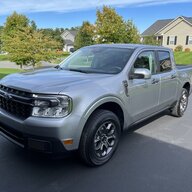
So... I did the first oil change on my 2022 XLT Ecoboost 2.0L FWD at 4900mi. Been waiting for the moment to try out the 3D printed access covers I made for the underbody splash shield.
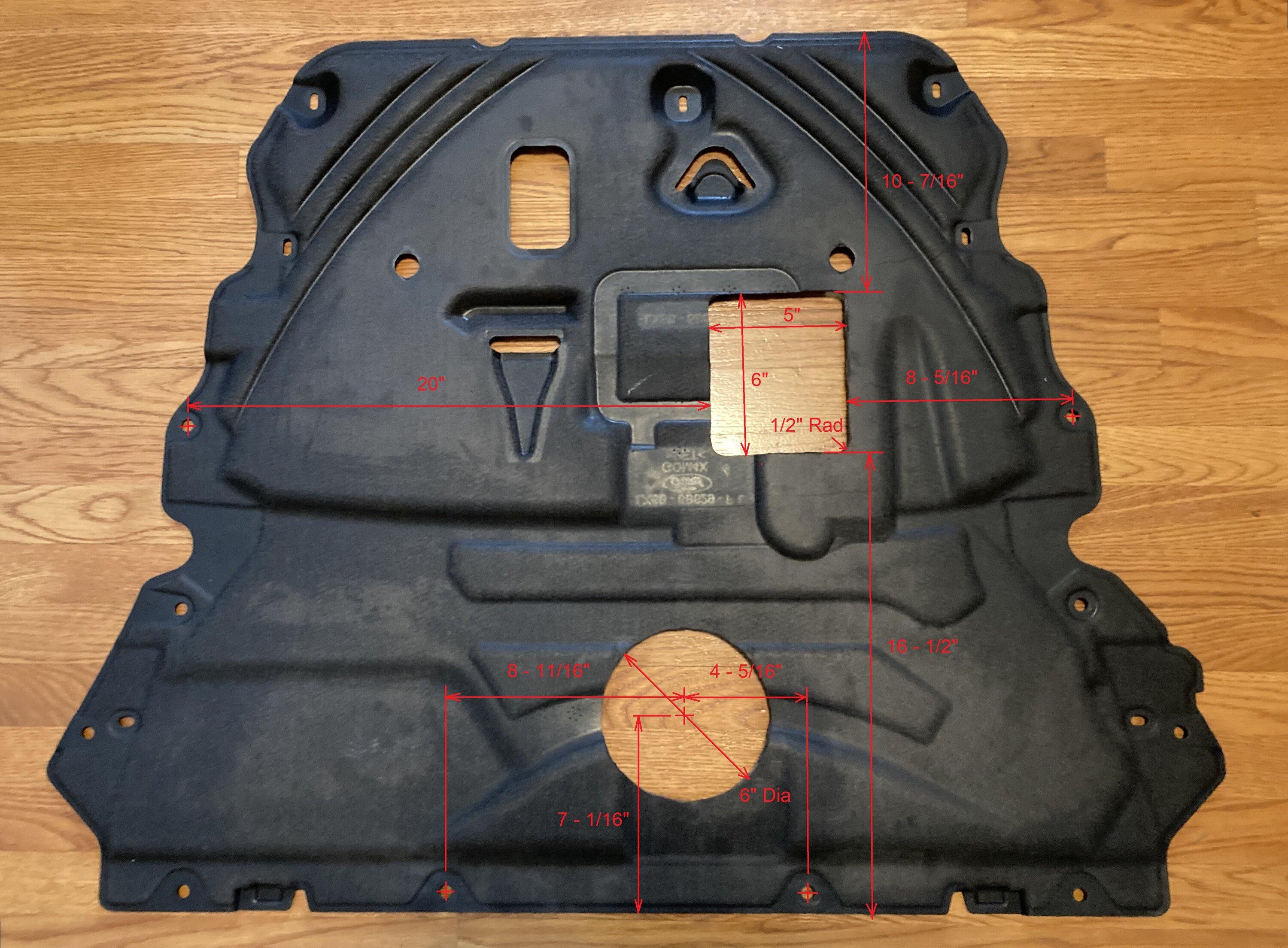
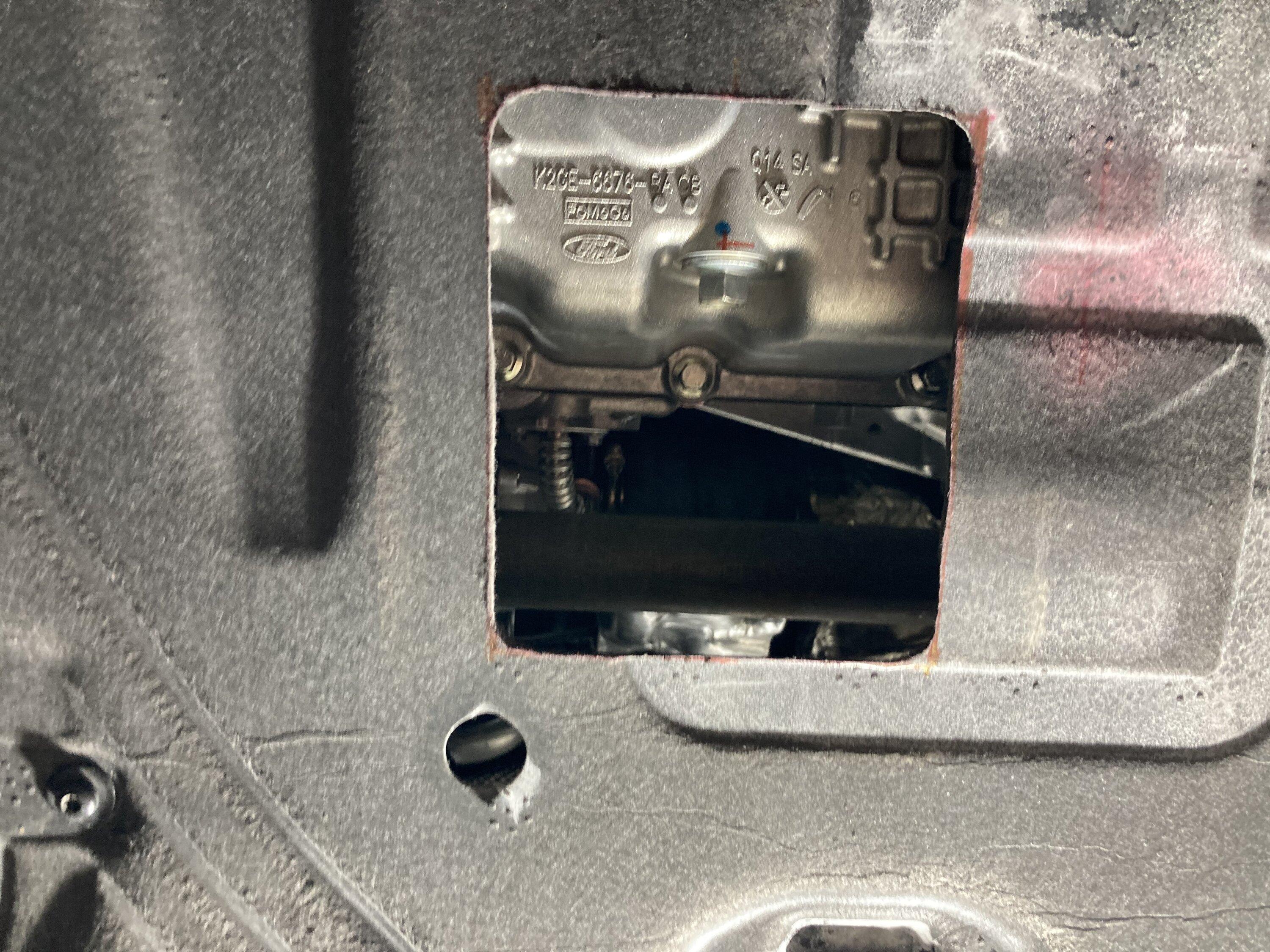
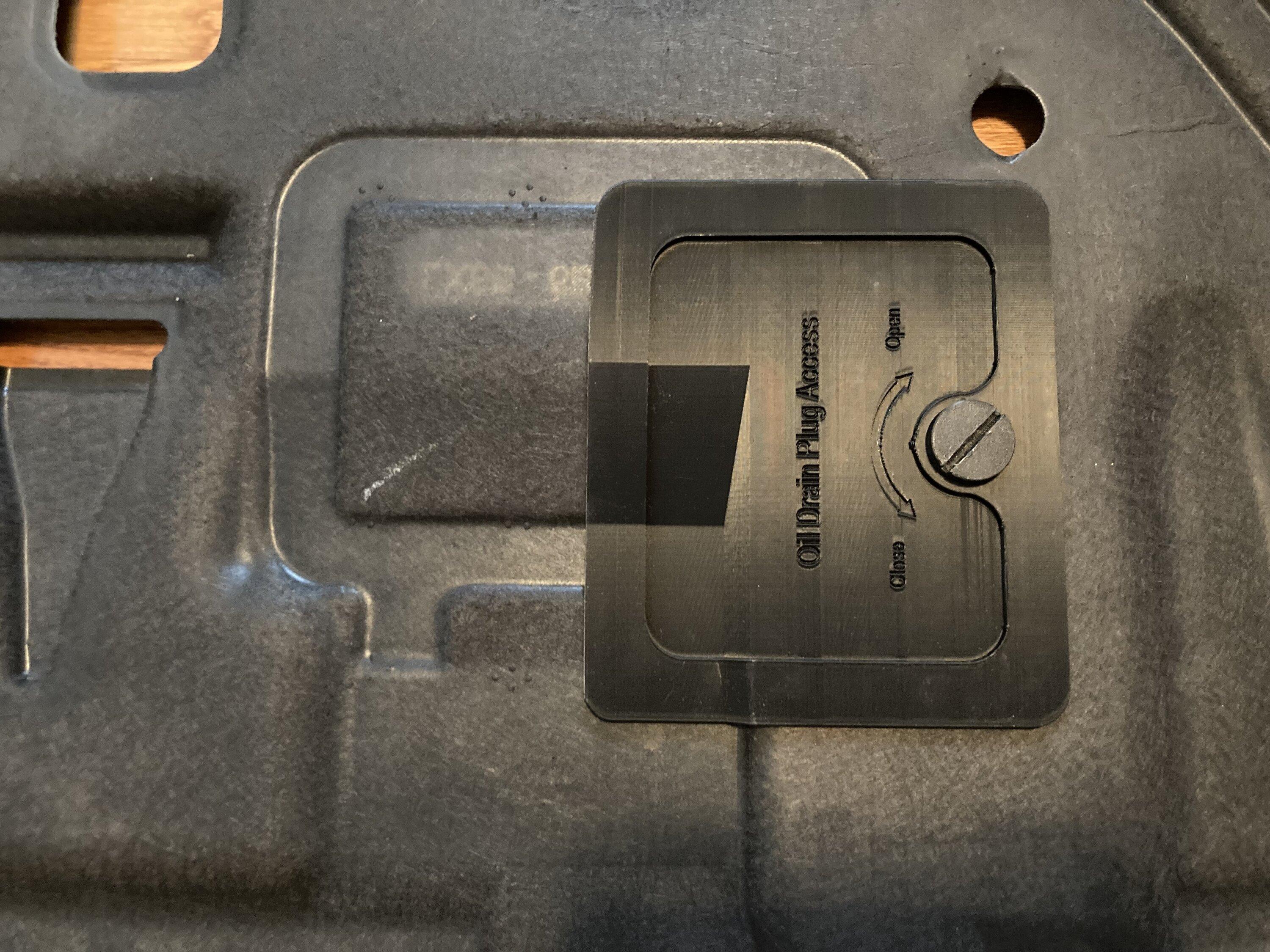
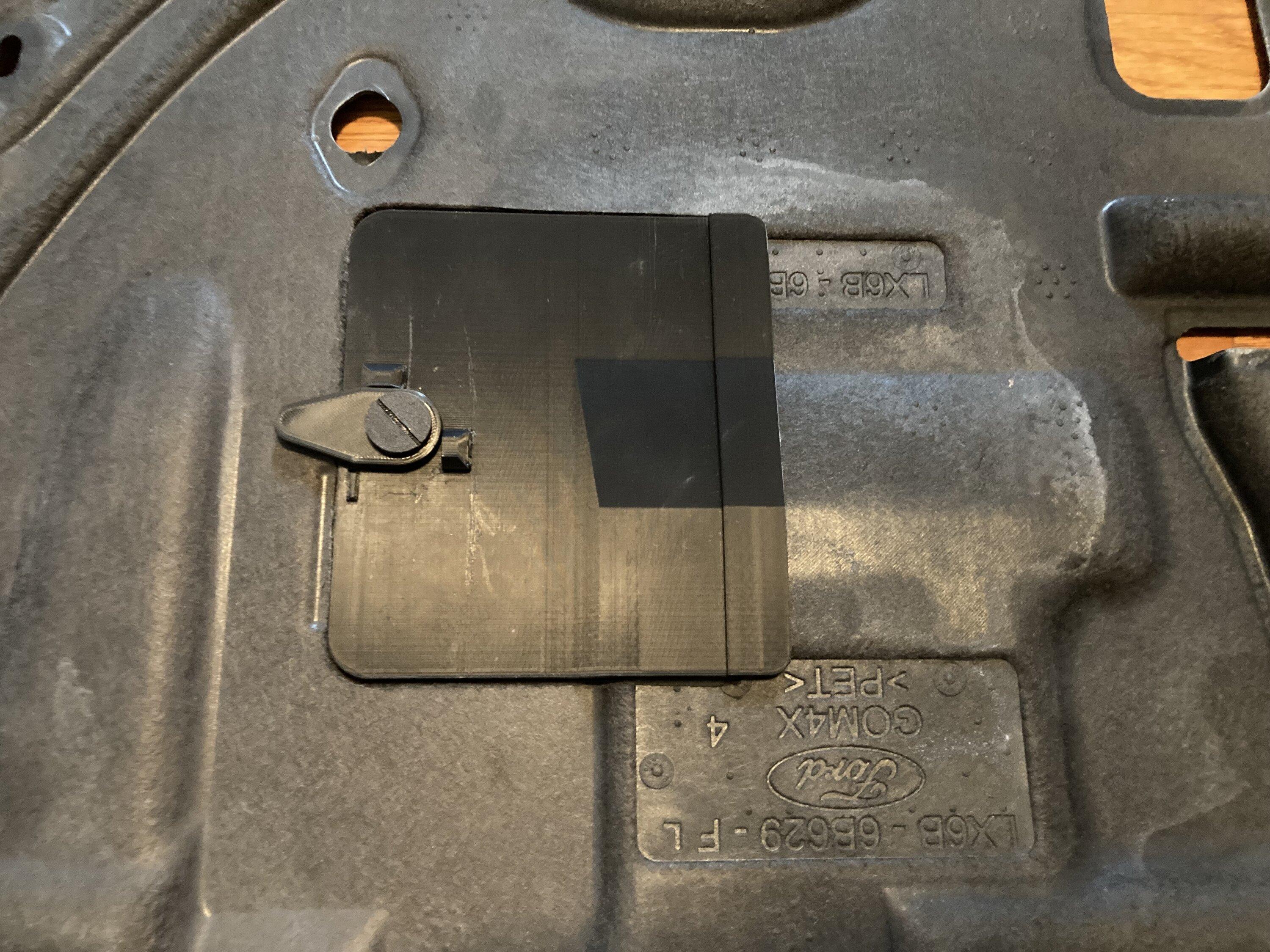
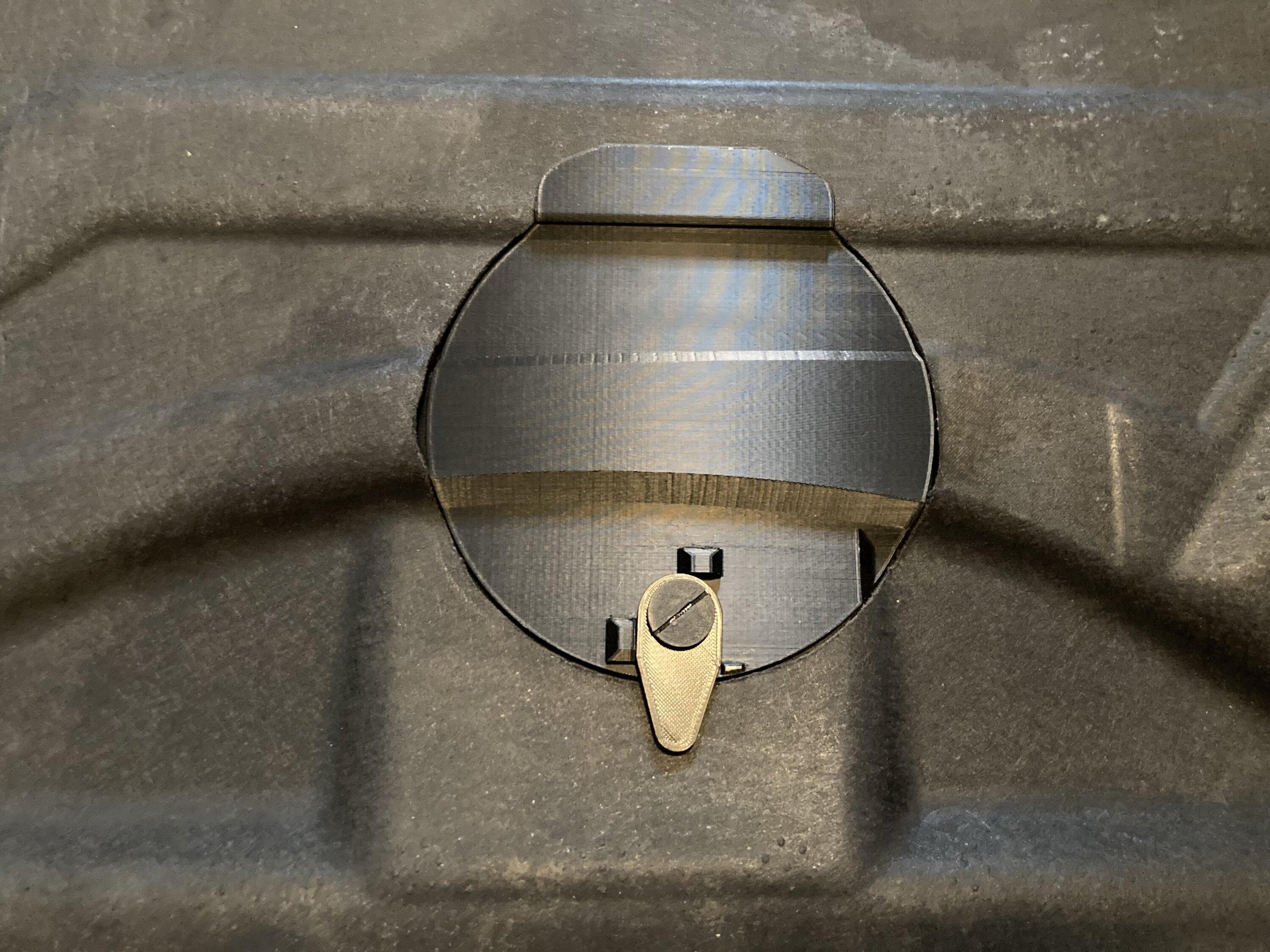
The following photo's show the location of the oil drain plug and filter access holes I cut into the bottom of the underbody. The 3D printed cover design was complicated by the highly contoured surfaces that @Ford Motor Company left for us.
The latches were made to be similar to the factory access cover design used on my wife's Chrysler Pacifica. The same tool can be used to turn the quarter-turn slotted bolts on both vehicles.
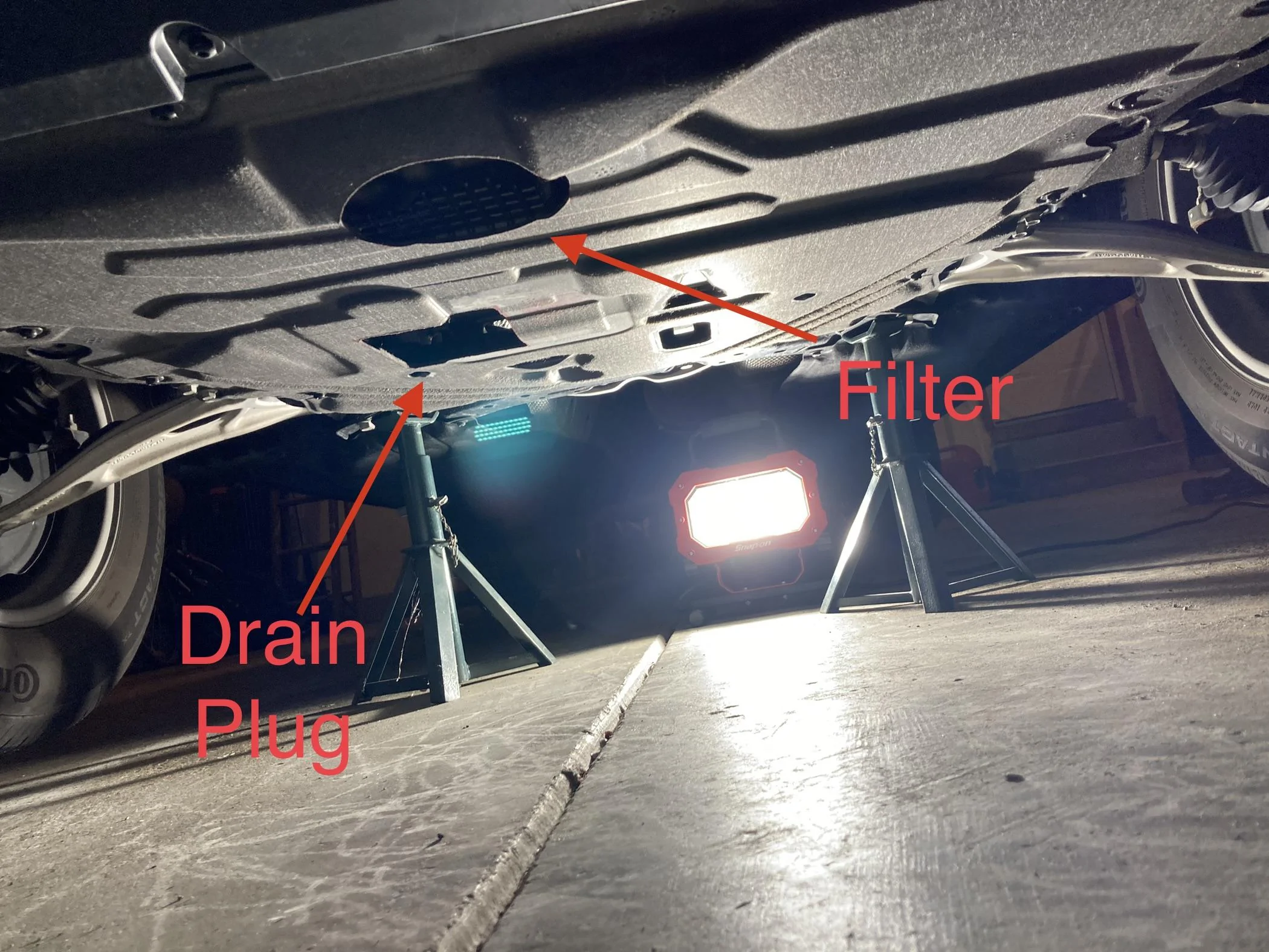


As you can hopefully tell from the photo below, with the access covers installed no jack or ramps are required to lift the truck for oil changes now. Just a simple quarter-turn of the access cover bolt and you're good to go.
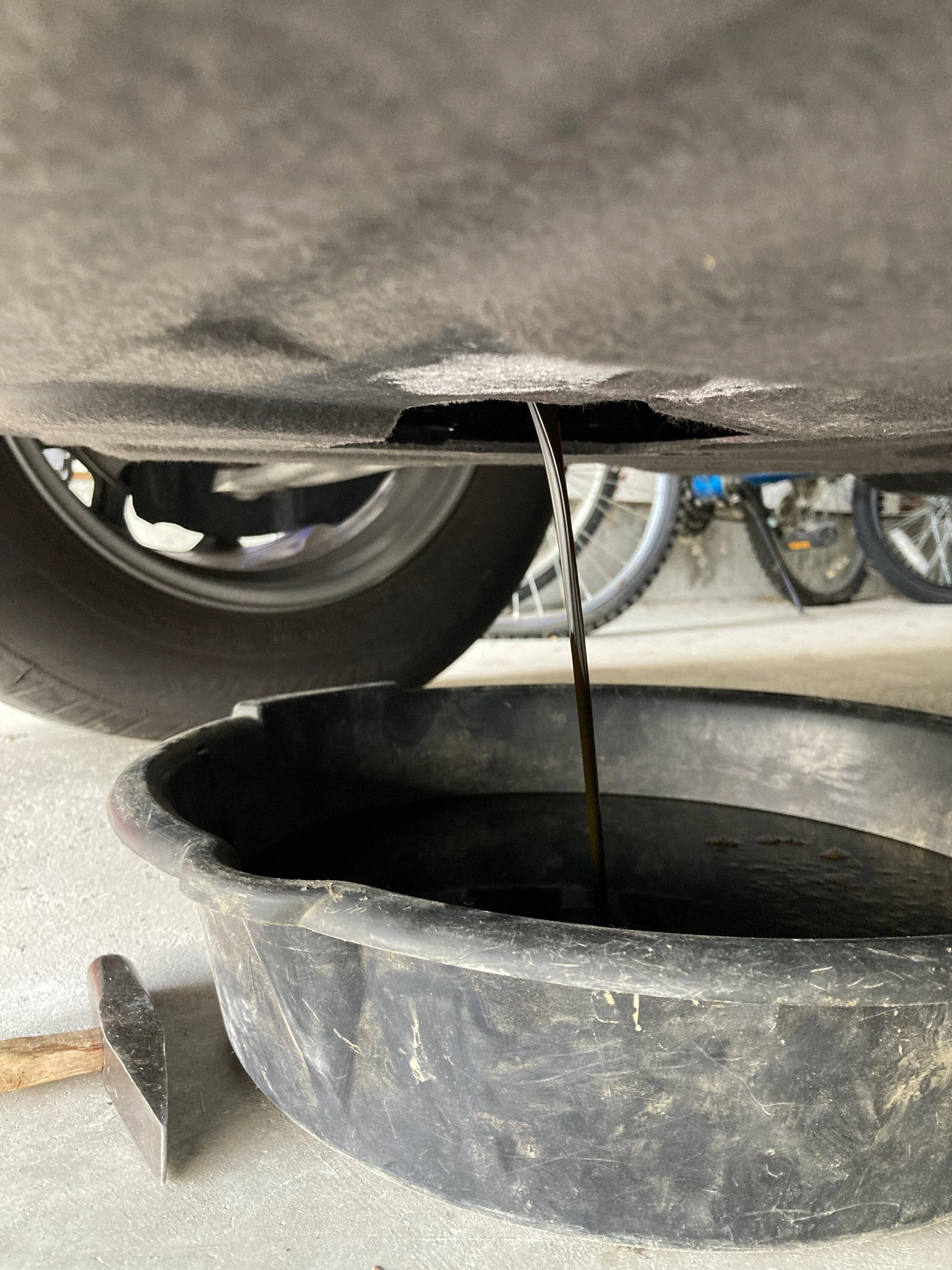
As others on this forum have noted, the drain plug was VERY tight from the factory. I had to tap the 15mm box wrench a few times to get it started. Otherwise, the oil went right where it was supposed to without any problems.
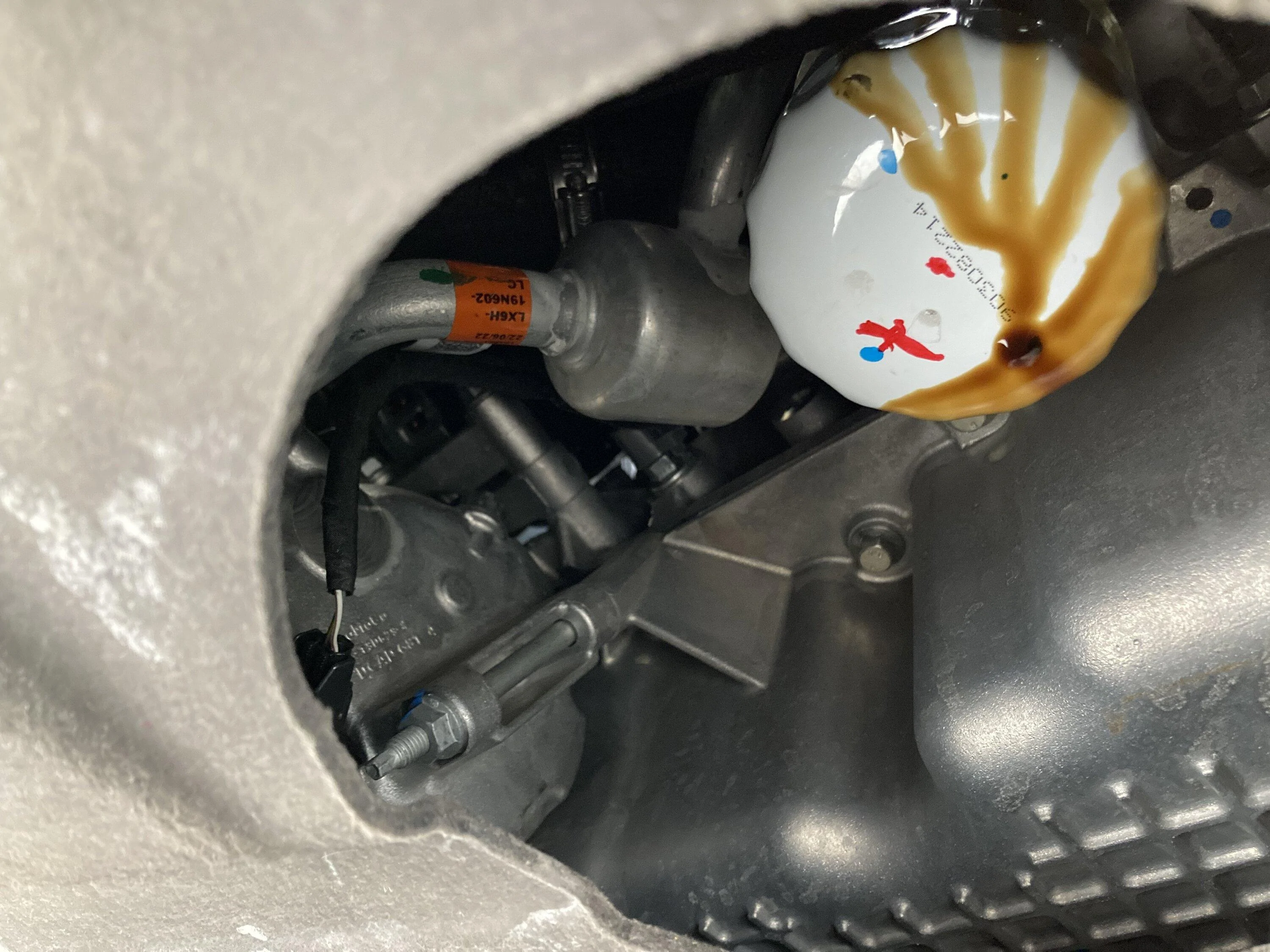
I was barely able to loosen the factory oil filter by hand as it was on pretty tight also, but luck was on my side and it did finally break free without any special tools.
I'm showing this view from below, just after the filter was loosened enough to allow oil to drip around the sides. Note that all the oil stayed on the filter and dripped into the catch pan. None of it dripped down the side of the engine oil pan or onto any of the hoses. It was actually pretty clean compared to most other vehicles I've worked on.
It took longer than usual because I stopped to take photo's, but next change should only be about a 1/2 hour job tops.
More details of the 3D printed parts, including the specific size and location of the splash shield access holes are provided at:
https://www.thingiverse.com/thing:5979898
So... why was this an "Almost" Perfect First Oil Change you ask?
The following photo's show the location of the oil drain plug and filter access holes I cut into the bottom of the underbody. The 3D printed cover design was complicated by the highly contoured surfaces that @Ford Motor Company left for us.
The latches were made to be similar to the factory access cover design used on my wife's Chrysler Pacifica. The same tool can be used to turn the quarter-turn slotted bolts on both vehicles.
As you can hopefully tell from the photo below, with the access covers installed no jack or ramps are required to lift the truck for oil changes now. Just a simple quarter-turn of the access cover bolt and you're good to go.
As others on this forum have noted, the drain plug was VERY tight from the factory. I had to tap the 15mm box wrench a few times to get it started. Otherwise, the oil went right where it was supposed to without any problems.
I was barely able to loosen the factory oil filter by hand as it was on pretty tight also, but luck was on my side and it did finally break free without any special tools.
I'm showing this view from below, just after the filter was loosened enough to allow oil to drip around the sides. Note that all the oil stayed on the filter and dripped into the catch pan. None of it dripped down the side of the engine oil pan or onto any of the hoses. It was actually pretty clean compared to most other vehicles I've worked on.
It took longer than usual because I stopped to take photo's, but next change should only be about a 1/2 hour job tops.
More details of the 3D printed parts, including the specific size and location of the splash shield access holes are provided at:
https://www.thingiverse.com/thing:5979898
So... why was this an "Almost" Perfect First Oil Change you ask?
- Well, I two drops of oil did drip from my fingers onto the garage floor when I removed the filter. I'll have a few more paper towels handy next time.
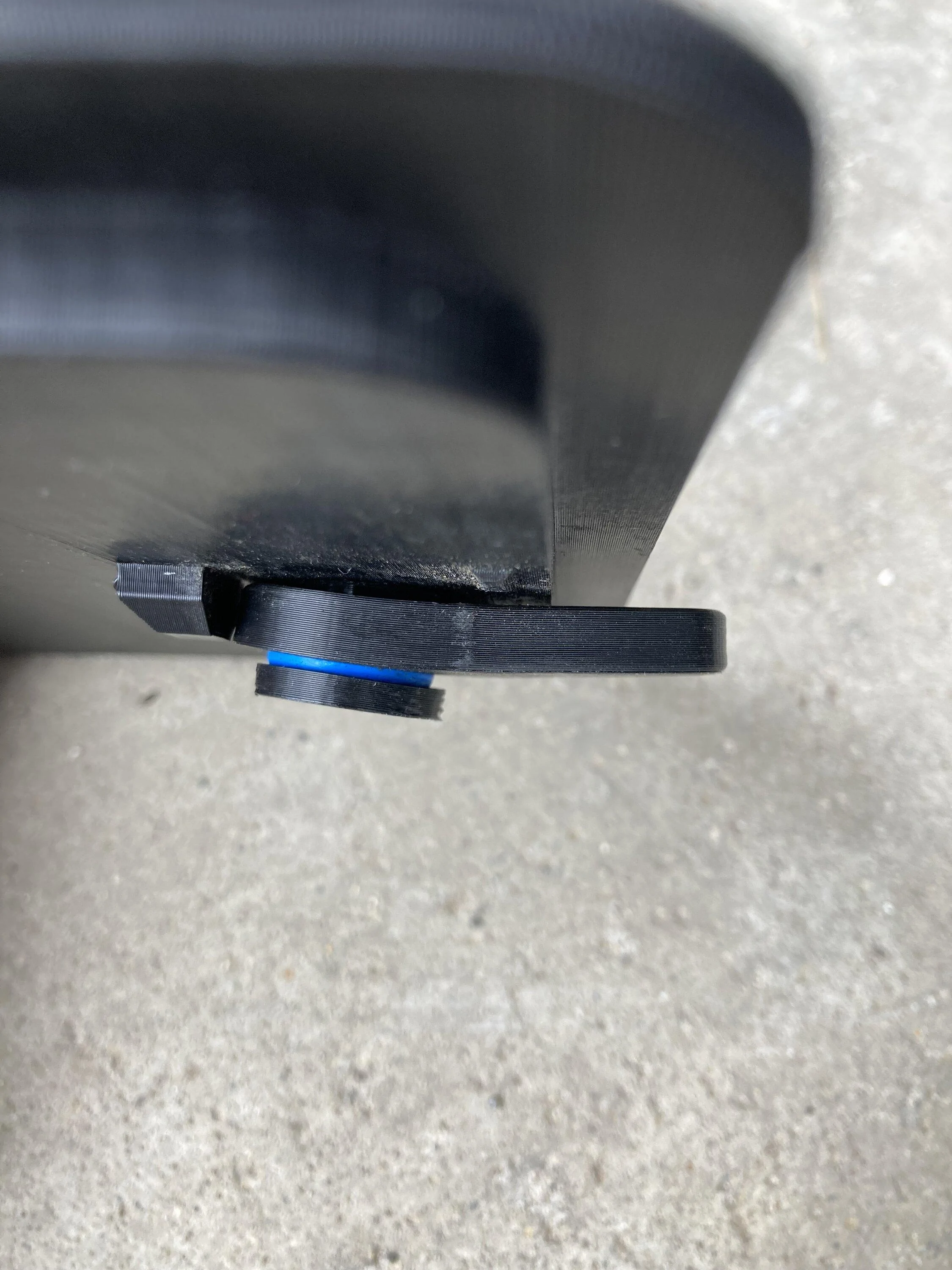
- More importantly, I made the first set of access covers out of PLA filament which is not recommended for high temperature applications. I knew that going in, but didn't want to wait until I could get my hands on something else to test out the concept. The first set of covers is still functional, but as you can see below they are starting to show some signs of warping at this point. I plan on making a second set out of PETG as soon as I get a chance which should hold up to the heat a little better.
Sponsored