

- First Name
- Bill
- Joined
- Dec 21, 2021
- Threads
- 11
- Messages
- 399
- Reaction score
- 407
- Location
- Full Time Gypsy
- Vehicle(s)
- 2024 Ford Maverick XLT
- Engine
- 2.5L Hybrid
A WDH is actually not quite the same as more rear spring. Both springs and WDH will pick up the rear end. However, a WDH actually moves some of the weight to the front axel of the truck, which is useful for stability. Some WHDs also provide built-in friction to combat sway. The Fastway E2 is one I use on our Armada and I love it.It's literally adding springs to your hitch. You could also add beefier springs to your truck and accomplish the same thing.
But I'll grant you springs are more permanent in your truck, and are obviously temporary and removable on the hitch.
Can also use air springs on the truck that are adjustable.
But again, if need be.
@GPSMan, I really respect you for your knowledge and thoughtful opinions here on MTC. You've been extremely helpful to me in learning about my truck.I think the "best" advice:
Hook up your trailer, the largest one if you have more than one, and do a test run / test ride with your new truck and see how it goes.
I was concerned BEFORE my first trip towing. Not concerned after.
If after that you feel anything was unsatisfactory, look into upgrades.
Not only is maverick a unibody any support strength provided by part of the roof or taller rectangle at rear of vehicle is not there as the tailgate does not add strength. Perhaps a road worthy swivel wheel support under tongue could be used but I doubt it could have enough vertical travel and maintain support?As I understand it, it's generally not advised to use a weight distribution hitch on a unibody truck, but if you're going to be around the max weight you'd probably want one.... so a bit of a conundrum.
I really feel you are contemplating a problem that does not exist.Not only is maverick a unibody any support strength provided by part of the roof or taller rectangle at rear of vehicle is not there as the tailgate does not add strength. Perhaps a road worthy swivel wheel support under tongue could be used but I doubt it could have enough vertical travel and maintain support?

On I-20 for about 30 miles I had very stiff crosswind two in cab 150 lbs in bed that had cover. NO trailer, having to steer into wind 20-30° traffic had slowed to about 65 but had to keep max possible distance and too much someone would cut in and take it away.I sure wouldn't want to fight lateral loads with a Maverick. Pulling tall trailers sounds like a recipe for disaster in side winds. Not enough weight or wheelbase in the little Mav.
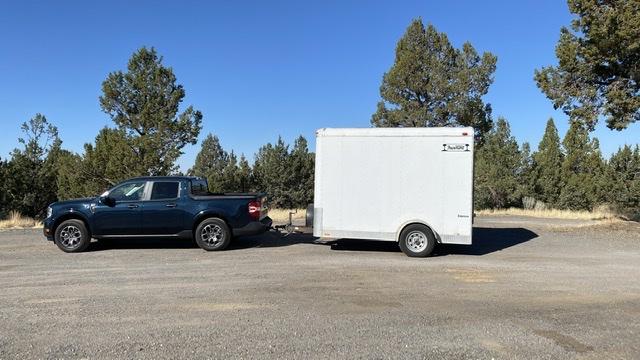
Why do you continue to come to this forum and spew untruths on topics you obviously know nothing about? You continue to give trailering advice, state that it's OK to tow ~50% over Ford's rating in one of your previous threads/posts, yet by your statements above it's clear that you don't even know the principal on which a weight distribution hitch operates.The way I see it : WDH makes a "flexible" plain ball connection, more "rigid". The whole premise to reduce freedom of movement.
it's literally adding springs to your hitch. You could also add beefier springs to your truck and accomplish the same thing.
But I'll grant you springs are more permanent in your truck, and are obviously temporary and removable on the hitch.

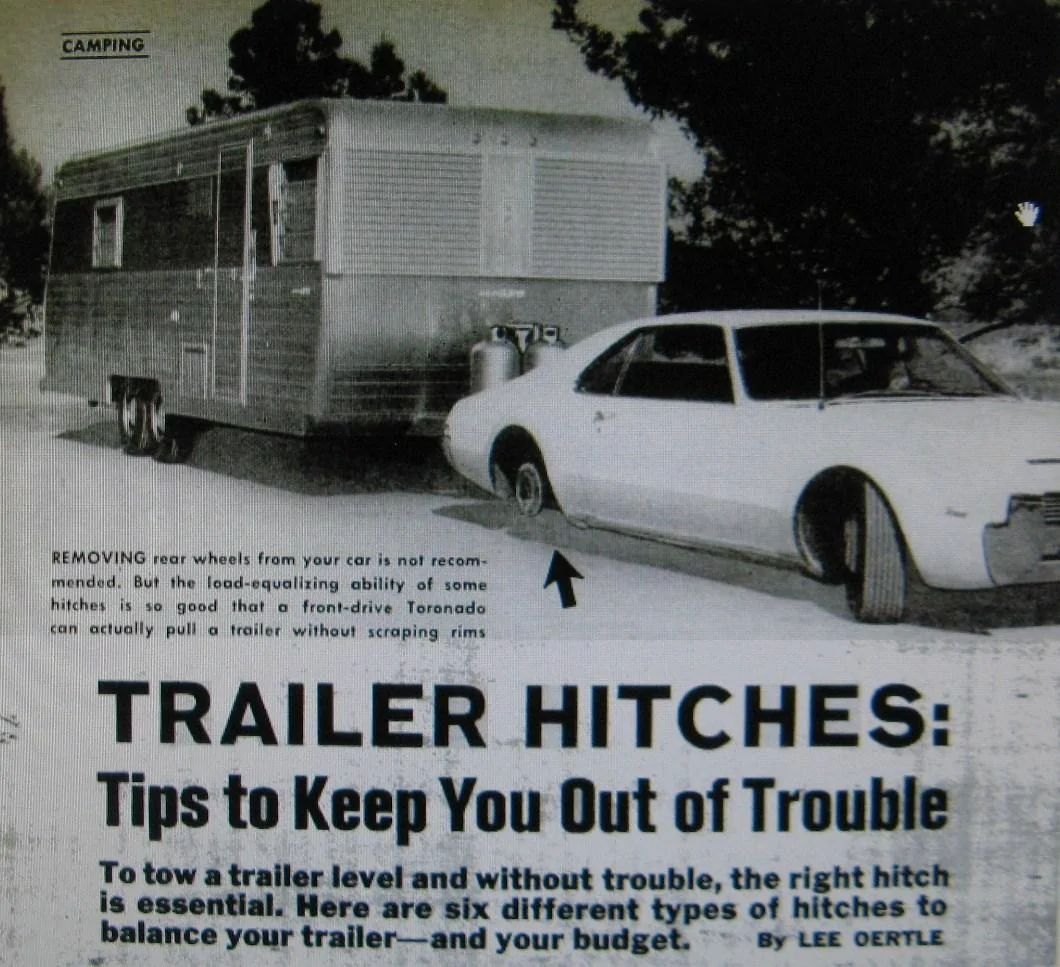
Agreed with above comments. WDH is for weight distribution to "balance" trailer and vehicle. WDH will not increase towing capacity but it will "level/balance " the vehicle by shifting some weight from back wheels to front wheels. Yes. some WDH have friction based sway control that will give you more confidence in towing.A WDH takes the normal load on the (weight carrying) trailer ball, and by using a different fulcrum point redistributes a portion of that weight to both back to the trailers wheels/tires, and also to the towing vehicle's front wheels and tires.





