

Sponsored

Is the oil dilution theory some BS?

yamahaSHO

2.0L EcoBoost
Well-known member
First Name
Jason
Joined
Sep 15, 2022
Threads
1
Messages
285
Reaction score
425
Location
Greenwood, AR
Vehicle(s)
22 Ranger, 07 Sky RL, 04 S2000, 07 Jeep CRD
Engine
2.0L EcoBoost
most likely.

At what ratio of ethanol to water would it cause the initial volume to decrease? I would love to see it. I cant find anything that supports.

I'm not a scientist. I use a test tube to verify ethanol content at times, particularly when I'm mixing. The amount of water added (specified on tube) is likely between 1/4-1/5 of fuel level mix.

That said, the volume goes down for at least E50 and up (I don't run anything less).
Sponsored


Jman79

2.0L EcoBoost
Well-known member
Joined
Jul 31, 2023
Threads
10
Messages
641
Reaction score
839
Location
North East, USA
Vehicle(s)
Honda Odessey, Ford Maverick 🤞MY24
Engine
2.0L EcoBoost
I feel like the discussion about blow through is just a distraction. Possibly someone who was looking for additional reason to justify 5K change interval. Which is unnecessary because it's just and "extra caution" thing.

I thought that the 5K cautionary change was because the the turbo also is lubed by same oil (is that true?)

The 5K cautionary seemed to be recommended due to the extra wear component in the same fluid system. Regardless of gasoline, we all know the longer we run oil the more wear particulate will be in there. More particulate = more/faster wear on all components in that system.

The early change seemed consistent with tried and true theory that fluids are cheaper than costly repair. Also that its easier to be cautious than get into oil analysis test for the average Joe. With turbo in the mix, there is possibly a higher price to pay for repair.

If 5k isnt proven, there still isnt too much downside to changing early. I'm not an expert, but I'll probably do shorter cautionary changes until more years / miles and data have come out to prove otherwise. Then I'll get lazy.

Also, just to gloat, its less as issue for me since I barely put 5k on a year 😜. Well, right now 0 a year since my truck is just theoretical at this point!

 

colinl

2.0L EcoBoost
Well-known member
First Name
Colin
Joined
Jun 21, 2022
Threads
32
Messages
5,440
Reaction score
6,179
Location
ICT
Vehicle(s)
'22 Maverick Lariat AWD, '22 Bronco OBX 2-Door
Engine
2.0L EcoBoost
Clubs
 

Maverstang

2.5L Hybrid
Well-known member
Joined
Jan 27, 2022
Threads
0
Messages
439
Reaction score
826
Location
Texas
Vehicle(s)
Miata; Maverick Lariat Hybrid
Engine
2.5L Hybrid
Clubs
 
My oil samples say the oil monitor is full of shit.

A cycling hybrid in short trips will also accumulate more moisture vs consistently keeping it running, so oil does see a harsher environment.

That makes it easier to get this:
1000004179.jpg


When we test ethanol by mixing water with it in a tube, the level goes down. :)
It's not a 50/50 mix of water and gas/ethanol.


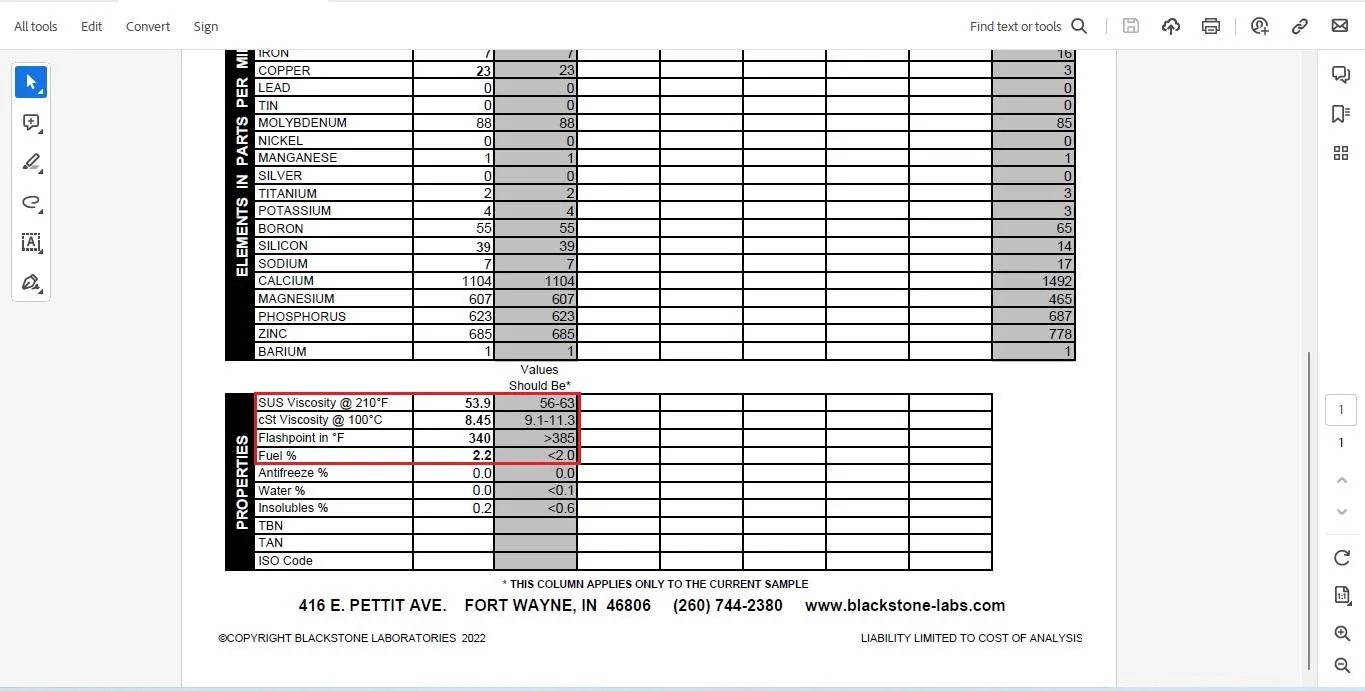
A quick and dirty is looking at the flash point. Reference the sample and recommended range in his test data.
You are applying test criteria more relevant to an industrial engine application or performance/race applications than a normal automotive duty cycle. Makes sense since you are a performance tuner.

Sure, for severe service applications you do need more frequent oil changes. Maybe as frequent as 3k if you are towing all day every day. But it is unnecessary and wasteful for normal users. Just about every modern engine in normal use will exceed 250k with factory recommended oil changes (barring any design or manufacturing defects). By that time the rest of the vehicle isn’t very useful anyway.

Having said that, one of the problems with turbo engines is that people tend to run them harder than normal use just because they can. Obviously those lead foots should consider changing their oil more often. That’s where your advice would be beneficial. But it doesn’t apply to everyone.

As you say, you’re not a scientist. But the people who developed the maintenance schedules and oil life monitors are experienced engineers who have balanced cost and life against the expected duty cycle to provide an optimal solution.


As for the hybrid, there is plenty of Fusion, C-Max and Escape history showing this has not been a problem
 

yamahaSHO

2.0L EcoBoost
Well-known member
First Name
Jason
Joined
Sep 15, 2022
Threads
1
Messages
285
Reaction score
425
Location
Greenwood, AR
Vehicle(s)
22 Ranger, 07 Sky RL, 04 S2000, 07 Jeep CRD
Engine
2.0L EcoBoost
You are applying test criteria more relevant to an industrial engine application or performance/race applications than a normal automotive duty cycle. Makes sense since you are a performance tuner.

Sure, for severe service applications you do need more frequent oil changes. Maybe as frequent as 3k if you are towing all day every day. But it is unnecessary and wasteful for normal users. Just about every modern engine in normal use will exceed 250k with factory recommended oil changes (barring any design or manufacturing defects). By that time the rest of the vehicle isn’t very useful anyway.

Having said that, one of the problems with turbo engines is that people tend to run them harder than normal use just because they can. Obviously those lead foots should consider changing their oil more often. That’s where your advice would be beneficial. But it doesn’t apply to everyone.

As you say, you’re not a scientist. But the people who developed the maintenance schedules and oil life monitors are experienced engineers who have balanced cost and life against the expected duty cycle to provide an optimal solution.


As for the hybrid, there is plenty of Fusion, C-Max and Escape history showing this has not been a problem
I'm not a scientist as in I don't mix chemicals, but I have experience in OEM with OEM engineers as well. The oil monitor is not in your best interest. The engineers aren't balancing cost, that's a different department.

I test both race, street, and off-road application oil samples. The oil monitor has zero value to me. I can use data from one and find application with another.

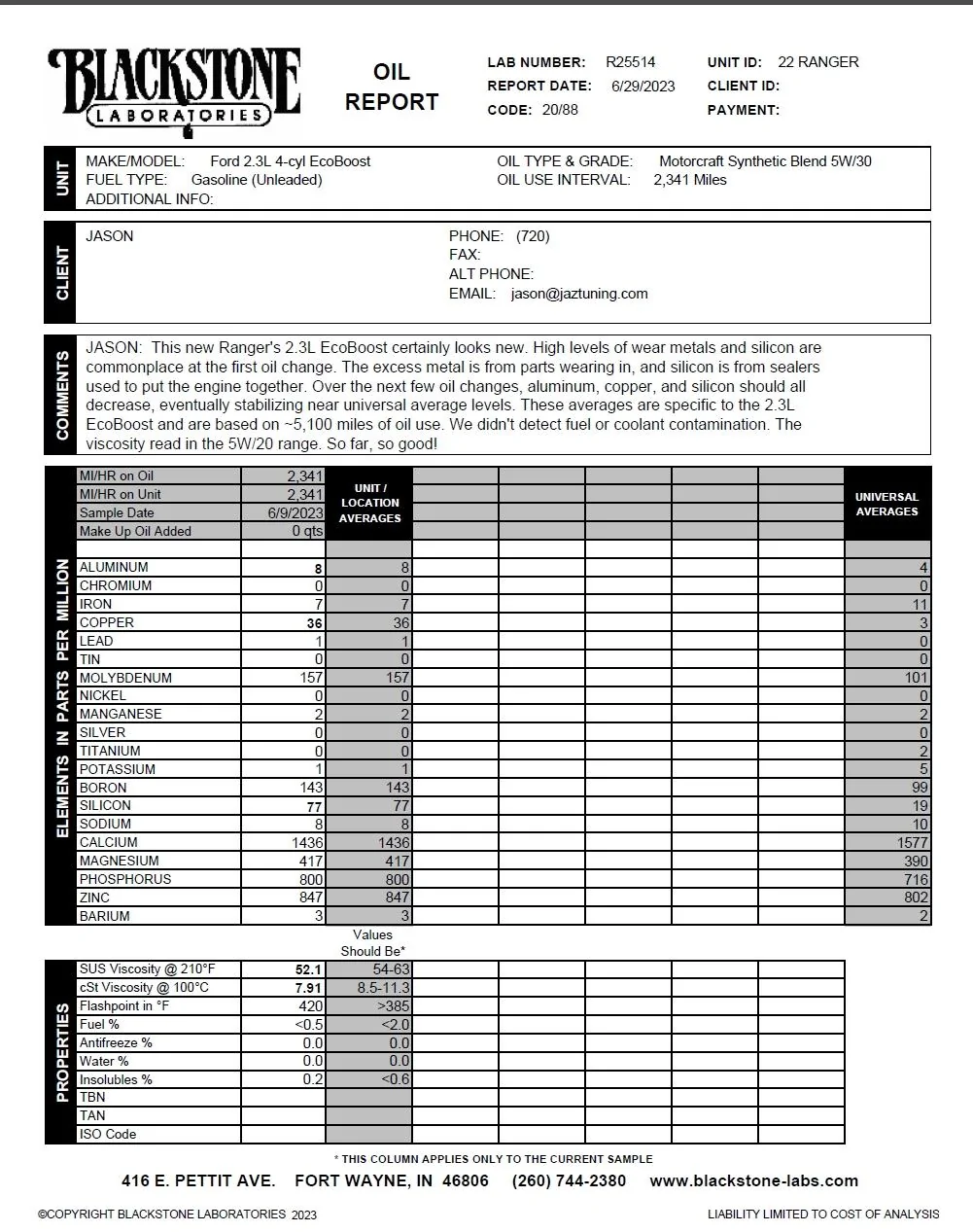
This is from my Ranger... No towing, no hot rodding, just easy driving. My advice is meant for everyone. You learn a few things before you get up to the performance level. You do you though.

Ford Maverick Is the oil dilution theory some BS? 1000004675


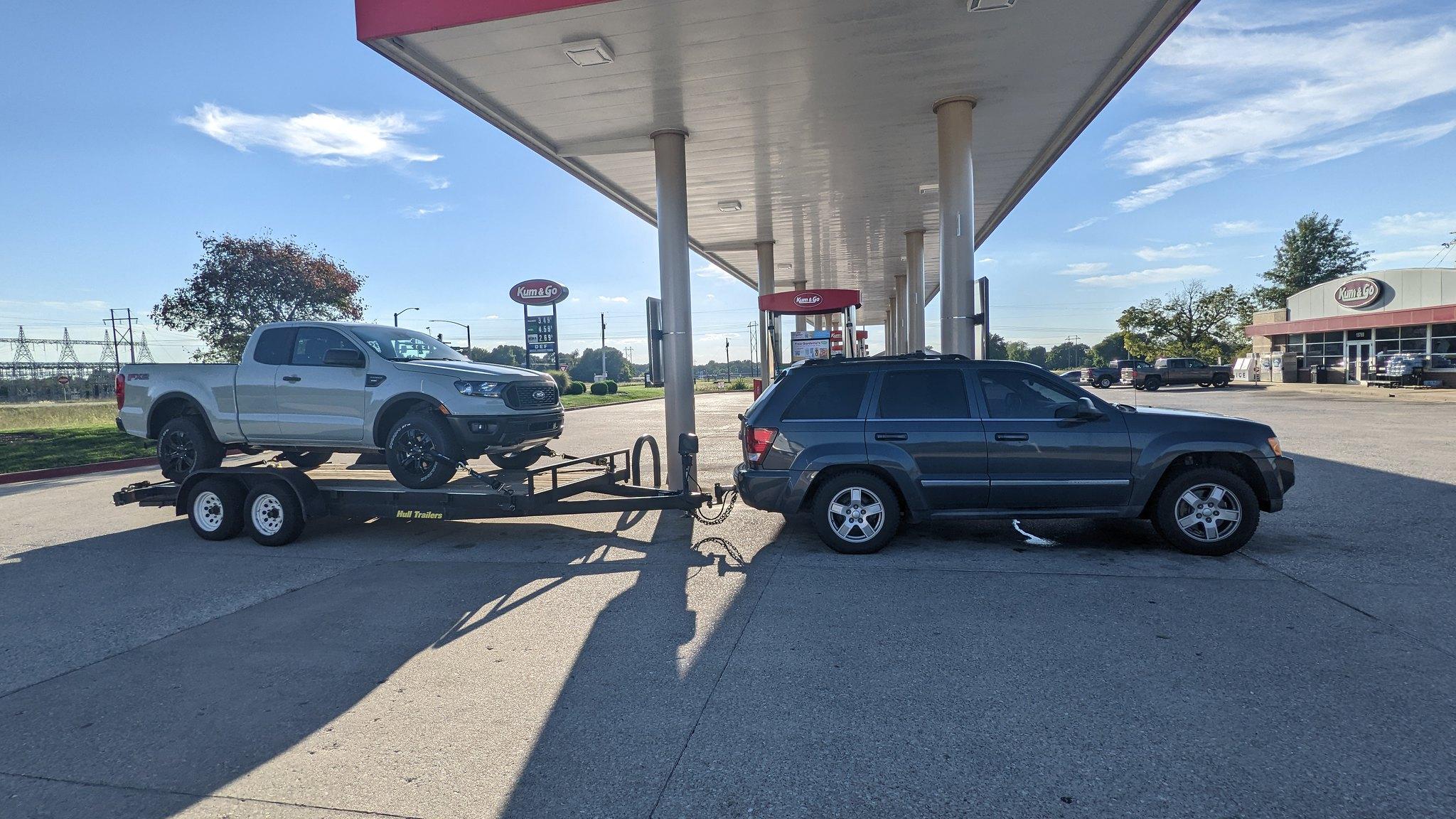
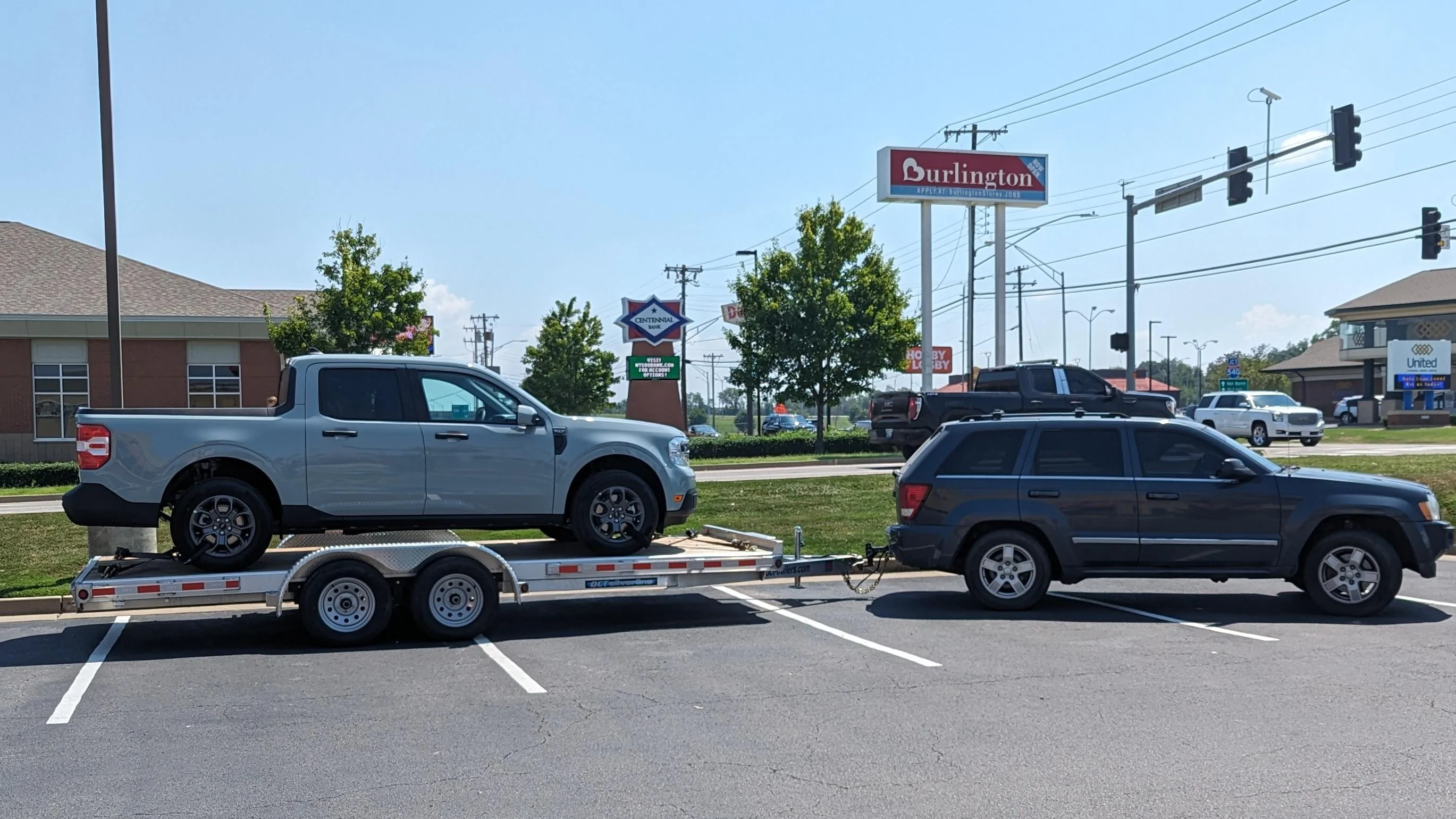
I actually far exceed OEM oil change intervals on my Jeep Grand Cherokee CRD, and I tow with it all the time. I also don't use recommended oil. It's at 255k miles currently.

Ford Maverick Is the oil dilution theory some BS? 1000004232


Ford Maverick Is the oil dilution theory some BS? 1000004229


I can do this all day, with cars, mechanics, contractors, plumbers, etc. I don't assume the professionals are the best anymore.
 

Sponsored

Skyline

Well-known member
First Name
Skyline
Joined
Feb 16, 2023
Threads
42
Messages
552
Reaction score
485
Location
CT
Vehicle(s)
'24 Honda Ridgeline
Engine
Undecided
I've read somewhere that someone's saying you must change your oil every 5k, because the gas will blow past oil ring and dilute the oil.

Sounds terrifying. Ford engineers didn't realize this when they design the engine?
Yes, the Ford engineers did realize this, under certain conditions; what they didn't realize, that you will not read the manual. Quote from Page 308 of the manual:

Note: Increases in oil level can occur from
frequent short trips that do not allow the
engine to get to operating temperature,as
well as frequent idling or low speed driving
for long periods of time.
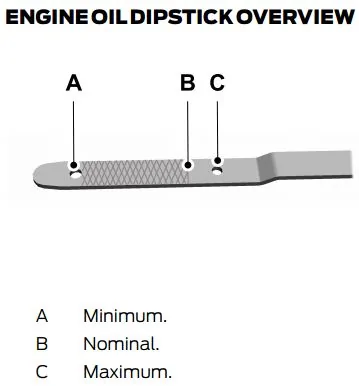
The oil level should be checked, especially after an oil change, that I've forgot to do six month ego and that's on me:

Ford Maverick Is the oil dilution theory some BS? dipstick


This is a note from the manual, also from Page 308:

Note: If oil levels are continuously noted
above the maximum mark,schedule a visit
to your authorized dealer.
Seemingly, the oil change should result in filling up with oil to the nominal (B) level, that leaves room for fuel buildup. Unless the oil filled up to the maximum "C" level at oil change.

My dipstick shows the oil level at the maximum (C) after putting in 1,300 miles. In case you didn't realize it, these miles include a lot of short distance trips, where the engine does not alway reach the operating temperature.

I don't know if this is excessive fuel buildup, or the service guy/gal overfilled it six month ego. Both of my vehicles have Mobile 1 synthetic oil and did the "smell test" and compared the two oil samples from the dipstick. There was no difference between the two, so there's no choice. I need to schedule another oil change and have it analyzed, no reason to risk going over the dipstick's C level.
 

gwrace14651

2.5L Hybrid
Well-known member
First Name
David
Joined
Sep 2, 2022
Threads
47
Messages
950
Reaction score
923
Location
TX
Vehicle(s)
2024 Ford Maverick Lariat Hybrid
Engine
2.5L Hybrid
Clubs
 
I've read somewhere that someone's saying you must change your oil every 5k, because the gas will blow past oil ring and dilute the oil.

Sounds terrifying. Ford engineers didn't realize this when they design the engine?

Plus, if you think hard, even if some gas do get into the oil, what will happen?

Gas can dissolve in oil, of course. They are all hydocarbon molecules.

But, gas has a very low evaporation temperature compared to oil. If some gas do get into oil, at the normal engine temperature (which is well above 190 degrees), gas will evaporate. So the minuscule amount of gas mixed in the oil will be gone in a second.

Thats why gasoline is called gas, because it's turning to gas so easily in room temperature, not to mention the high engine operating temperature.

Just some thought.
Watch a few engine tear down videos on youtube. One of my favorites is the Toyota tech that mentions over and over again the need for regular oil changes every 5000 miles or 6 months which ever comes first. He shows what happens to Toyota engines that follow the 10K factory change interval and it isn't pretty. I've always changed oil every 3-5K and never had to replace an engine in the 55 years I've been driving. It's a small price to pay for the added protection and reduced down time and cost it provides versus an engine replacement.
 

RedRider

2.5L Hybrid
Banned
Banned
First Name
John
Joined
Mar 5, 2023
Threads
6
Messages
357
Reaction score
445
Location
Kitchener, Ontario, Canada
Vehicle(s)
2013 Fusion, 2023 Maverick on order
Engine
2.5L Hybrid
incorrect, I have posted used oil analysis which showed 2.2% fuel dilution after 5k miles which correlated to degraded viscosity and flash point. You really need to understand how direct injection causes higher fuel dilution especially when combined with forced induction. I wish more people were knowledgeable and used lab analysis rather than just using anecdotal "evidence".

UOA 22 Mav.jpg
I guess that the big questions are how hard do you drive and how crappy are the fuel and oil that you are using. Other people are not seeing this result. There is another post here showing that the Ranger (with the 2.3L version of this same engine) has much lower fuel load in the oil, even though it has to haul a larger load. How does this compare with all other engines out there, not just your engine. I have not had my oil tested and I certainly do not smell fuel in my oil, and while it is definitely thinner than when it went in, I attribute that to oil breakdown, not fuel pollution. Since oil is just a longer chain molecule of the same base components as fuel, I suspect that they are measuring oil breakdown and incorrectly calling it fuel loading.
 

NoVaJimmy

Well-known member
Joined
Apr 29, 2022
Threads
26
Messages
1,552
Reaction score
2,451
Location
KCMO
Vehicle(s)
Lexus GX 460
Engine
Undecided
I guess that the big questions are how hard do you drive and how crappy are the fuel and oil that you are using. Other people are not seeing this result. There is another post here showing that the Ranger (with the 2.3L version of this same engine) has much lower fuel load in the oil, even though it has to haul a larger load. How does this compare with all other engines out there, not just your engine. I have not had my oil tested and I certainly do not smell fuel in my oil, and while it is definitely thinner than when it went in, I attribute that to oil breakdown, not fuel pollution. Since oil is just a longer chain molecule of the same base components as fuel, I suspect that they are measuring oil breakdown and incorrectly calling it fuel loading.
I use only top tier fuel and Ford certified oil (Castrol Edge full synthetic). This is my third Ecoboost 2.0 and I have a pretty good idea of how they operate at this point with 320k miles under my belt combined on all three, the last two made it to 150k plus miles, fuel in the oil is an inherent trait of direct injected turbocharged vehicles so no, it's not a myth. It also depends on driving conditions (75% of my miles are straight highway and the other 25% are very stop and go traffic heavy in the DC area), climate and so many other variables. What I keep saying here is that if you ASSume that your engine oil is okay just because some random person on the internet said so then I hope you're not planning on getting a lot of miles out of an ecoboost because you probably won't. These engines NEED fresh oil due to fuel dilution and general breakdown of the oil due to extreme cylinder temps etc. As I mentioned last time as well, it takes COMMON SENSE to interpret these UOAs. Blackstone labs told me that my oil was fine and to push to a longer interval despite having excess fuel in it and having lower viscosity ratings after 5k miles. Those lab goons don't know what they're talking about, all they know is how to run tests, interpret the data on your own because clearly the oil in my report was cooked based on viscosity and most importantly flash point.
 

yamahaSHO

2.0L EcoBoost
Well-known member
First Name
Jason
Joined
Sep 15, 2022
Threads
1
Messages
285
Reaction score
425
Location
Greenwood, AR
Vehicle(s)
22 Ranger, 07 Sky RL, 04 S2000, 07 Jeep CRD
Engine
2.0L EcoBoost
I guess that the big questions are how hard do you drive and how crappy are the fuel and oil that you are using. Other people are not seeing this result. There is another post here showing that the Ranger (with the 2.3L version of this same engine) has much lower fuel load in the oil, even though it has to haul a larger load. How does this compare with all other engines out there, not just your engine. I have not had my oil tested and I certainly do not smell fuel in my oil, and while it is definitely thinner than when it went in, I attribute that to oil breakdown, not fuel pollution. Since oil is just a longer chain molecule of the same base components as fuel, I suspect that they are measuring oil breakdown and incorrectly calling it fuel loading.

There is actually many threads on the Ranger forum about fuel dilution. I know some of the fixes involve a new HPFP.


As I mentioned last time as well, it takes COMMON SENSE to interpret these UOAs. Blackstone labs told me that my oil was fine and to push to a longer interval despite having excess fuel in it and having lower viscosity ratings after 5k miles. Those lab goons don't know what they're talking about, all they know is how to run tests, interpret the data on your own because clearly the oil in my report was cooked based on viscosity and most importantly flash point.


Exactly. I just look at the numbers. The Ranger sample I posted seemed to think my oil was fine, even though it was now a 20wt oil.
Sponsored


Top