

- First Name
- Mike
- Joined
- May 3, 2024
- Threads
- 4
- Messages
- 4,827
- Reaction score
- 4,372
- Location
- KC Metro area
- Vehicle(s)
- 2005 Toyota RAV4, 2024 XLT Hybrid
- Engine
- 2.5L Hybrid
Some interesting ideas.@HeyBales, Sorry for resurrecting this post from page 13 of this thread, but I have a theory that I would like to have you consider!
I don't have the tools, time or patience to pursue it, but you always seem game!
My theory pertains to this statement of your's:
"Sorry if this is coming off harsh - but I keep seeing this disconnect between 2 different problems.
And I'm always posting about someone checking on the ACCM update when they report a drain condition.
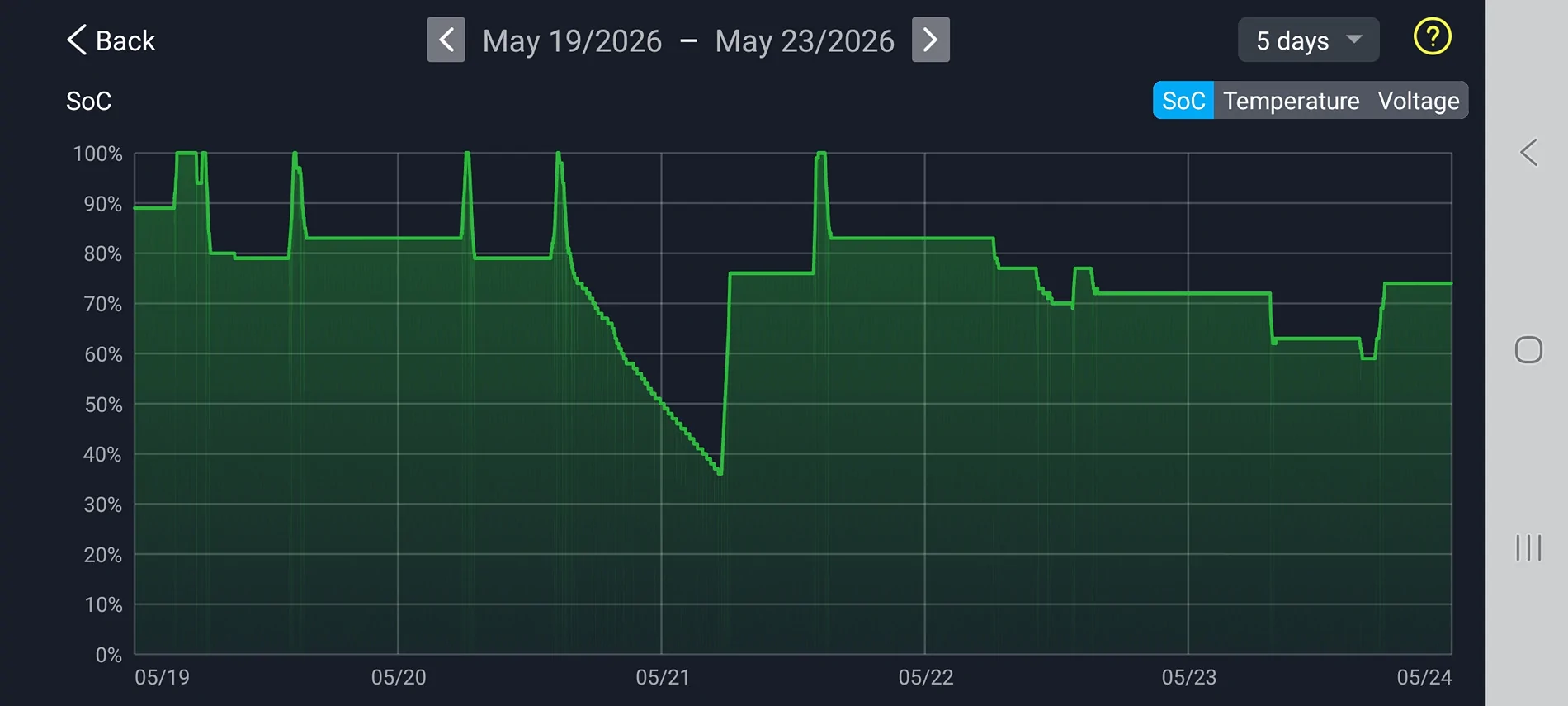
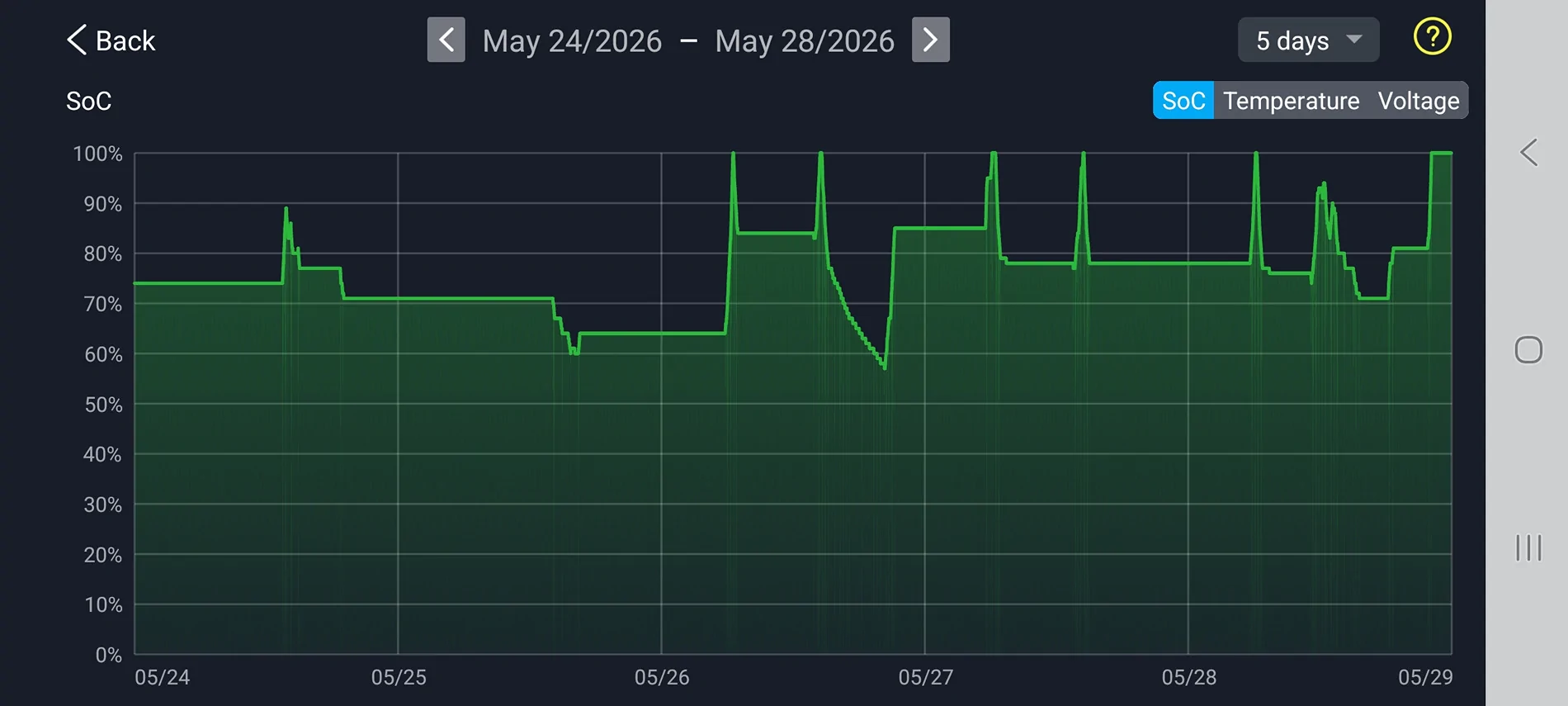
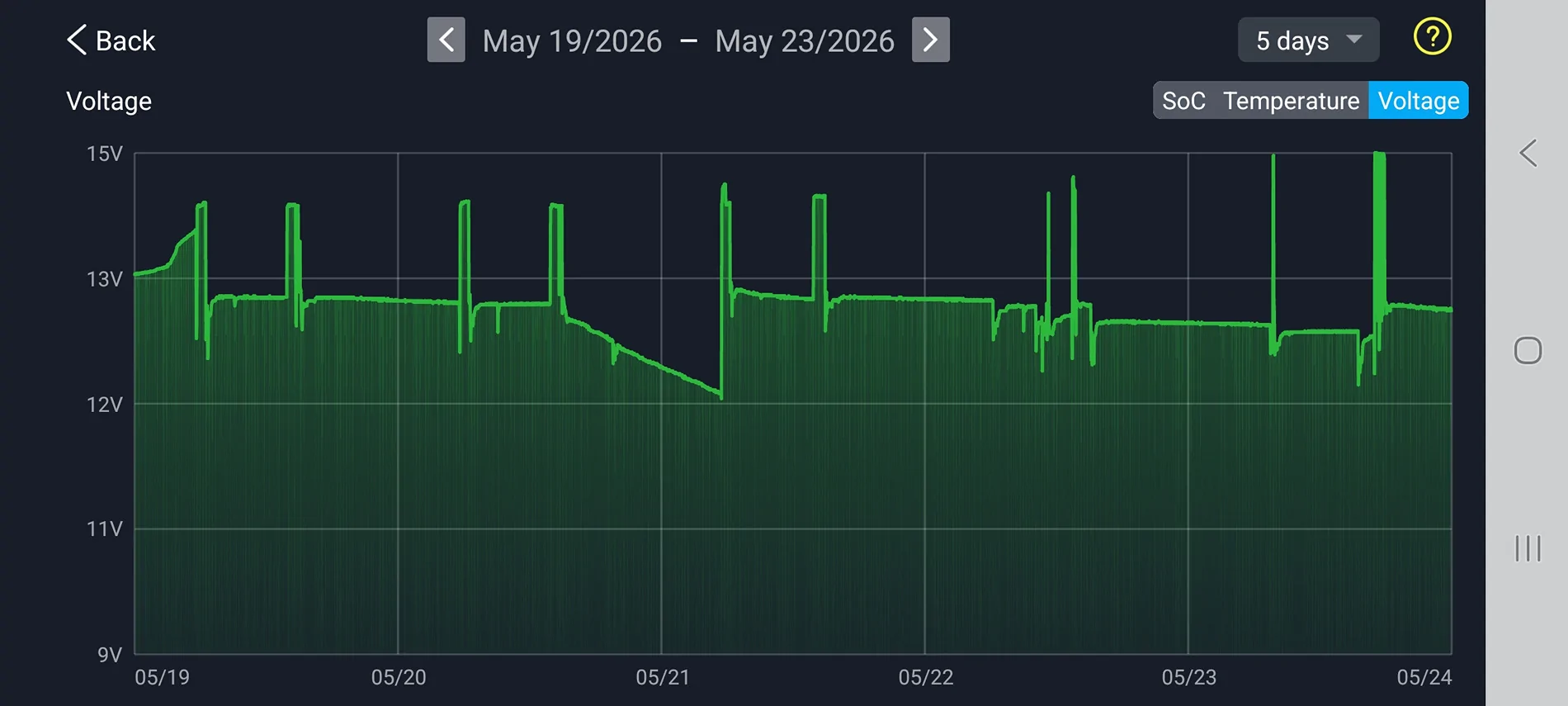
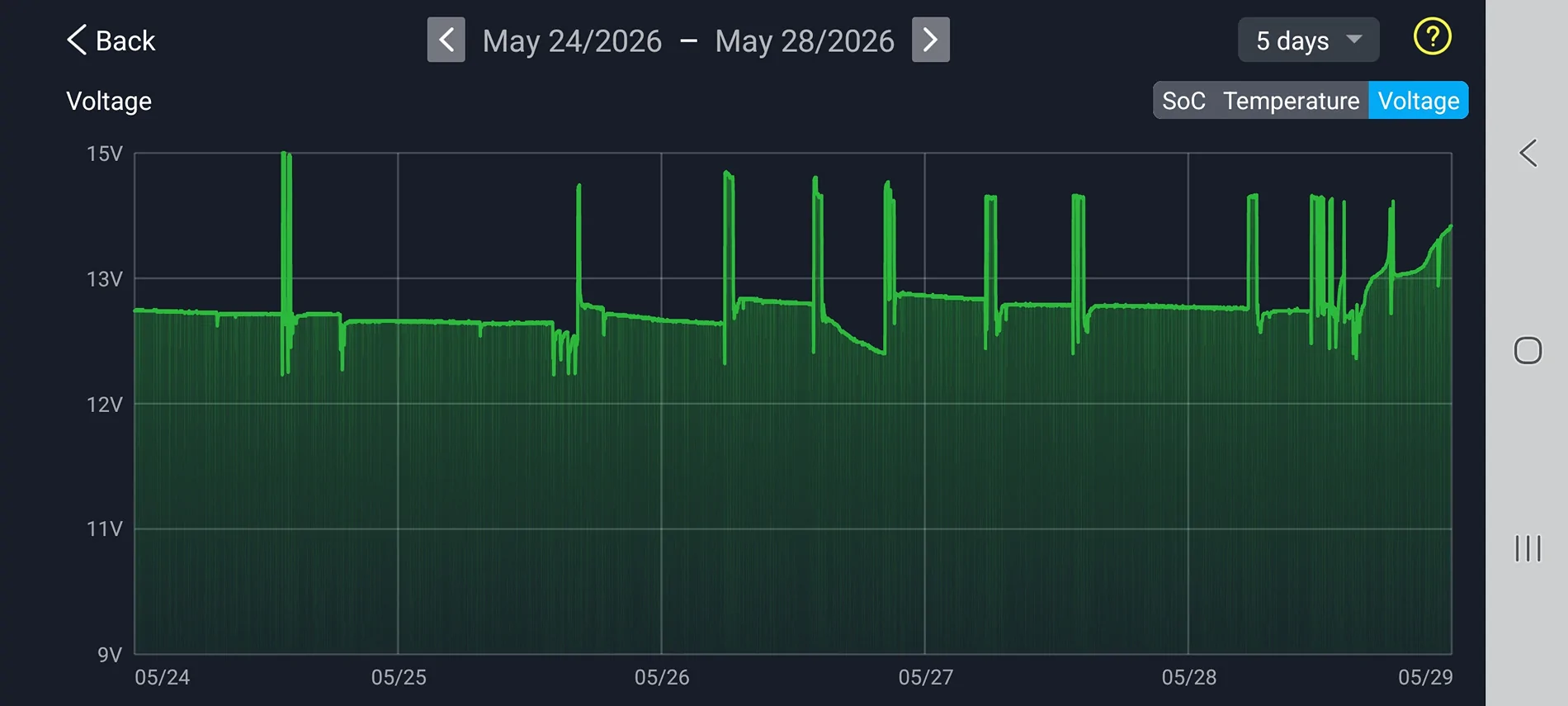
But this thread is the first time something has been found to force higher charging to keep a battery from getting undercharged and slowly go bad.
It's not doing that because there was a parasitic drain, just the normal micro-drain."
I agree! Two completely separate and battery damaging parasitic drains!
My theory (which I can in no way prove or defend):
These two parasitic drain happen independently and at different times.
One of these, the conventional parasitic drain comes upon vehicle shutdown and drains the battery! Ecoboost and/or hybrid - makes no difference.
The other parasitic drain, the one that happens as soon as the (mostly? hybrids) vehicle is turned on - causing the DC to DC converter to kick into action!
This parasitic draw is huge! Enough to drop my 2025XL's 70mph gas mileage from the 36 -37mpg I am currently seeing, down to the 30mpg I was getting before the trailer module update!
The trailer update has fixed this huge parasitic draw! Just like the ingenious "headlights on, wipers on, parking lights on, rear seat 120V outlet usage, and hitch brake light on" hack has been shown to circumvented this same parasitic draw!
The TMU came too soon for me to test whether the hitch light etc. would have increased my highway mpg, in addition to normalizing my 12V battery charging!
I hope someone who hasn't had the TMU yet can test that.
How can a parasitic huge drain reduce gas mileage?
Easy, the motor generator has to work at essentially 100% output (for it's given engine speed?) to satisfy the parasitic electrical drain.
Why doesn't the battery get charged?
Likely, the vehicle's electrical systems' "need" has first dibs on the electrical power supplied by the DC to DC converter, so the battery gets starved...Until higher speeds and longer drives allow the motor generator to finally supply enough electrical supply to satisfy both vehicle needs and battery charging!
That's it!
I'll entertain questions, but it is unlikely that I will be to answer any of them! What we need (I think) is a hybrid vehicle electrical design engineer.

Usually parasitic is not the term used on known expected power draws, which are normally small too. Parasitic for undesired sucking energy, not small. Confusingly a parasite is small also.
Think key fob usage for decades - requires a receiver on 24/7. Alarm system, remote monitoring, ect. None of that is new and been going on for ages and at some level desired.
That micro-drain is only damaging if you don't drive enough to replenish it. (25-50 mA on 45Ah battery - 900 hrs on short high draw side - 37 days)
But in very old cars where off is off, no draw - very infrequently driven did cause battery drain, and if the drives were too short to charge it back up - battery died sooner than it would have otherwise.
So no different than that with truck - that should frankly be expected. And likely the reason for the misguided "drive more" suggestion when it likely didn't apply often.
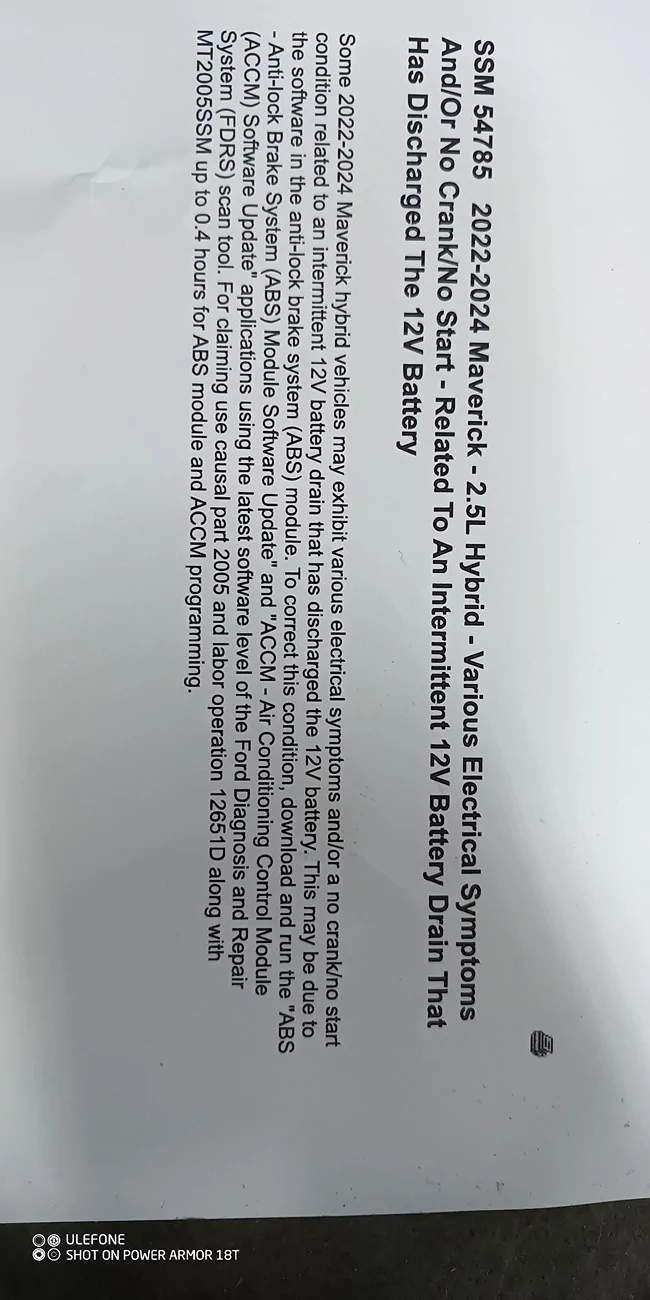
Parasitic drains aren't always small either, just not expected. Think of the ABS or AC or TCU module staying "up" drawing 1-2 Amps for hours until battery is so low some system shut everything down, or in old vehicles a simple light left on that didn't turn off.
This purposely designed undercharging to a max SOC% is a charging strategy, not a parasitic drain. It is desired by the engineers for whatever reason (I think safety of battery in cabin).
Just wanted to make a clear distinction between non-desired vs designed. (parasitic 0.5-3A and micro-drain 25-50 mA)
I really wonder what that TRM update did, to improve highway mileage. But it's not what you are thinking.
The whole 12V system running, even with fan speeds and headlights is really barely an impact to the HV system - it's not a drain that requires anywhere near 100% Generator Motor power.
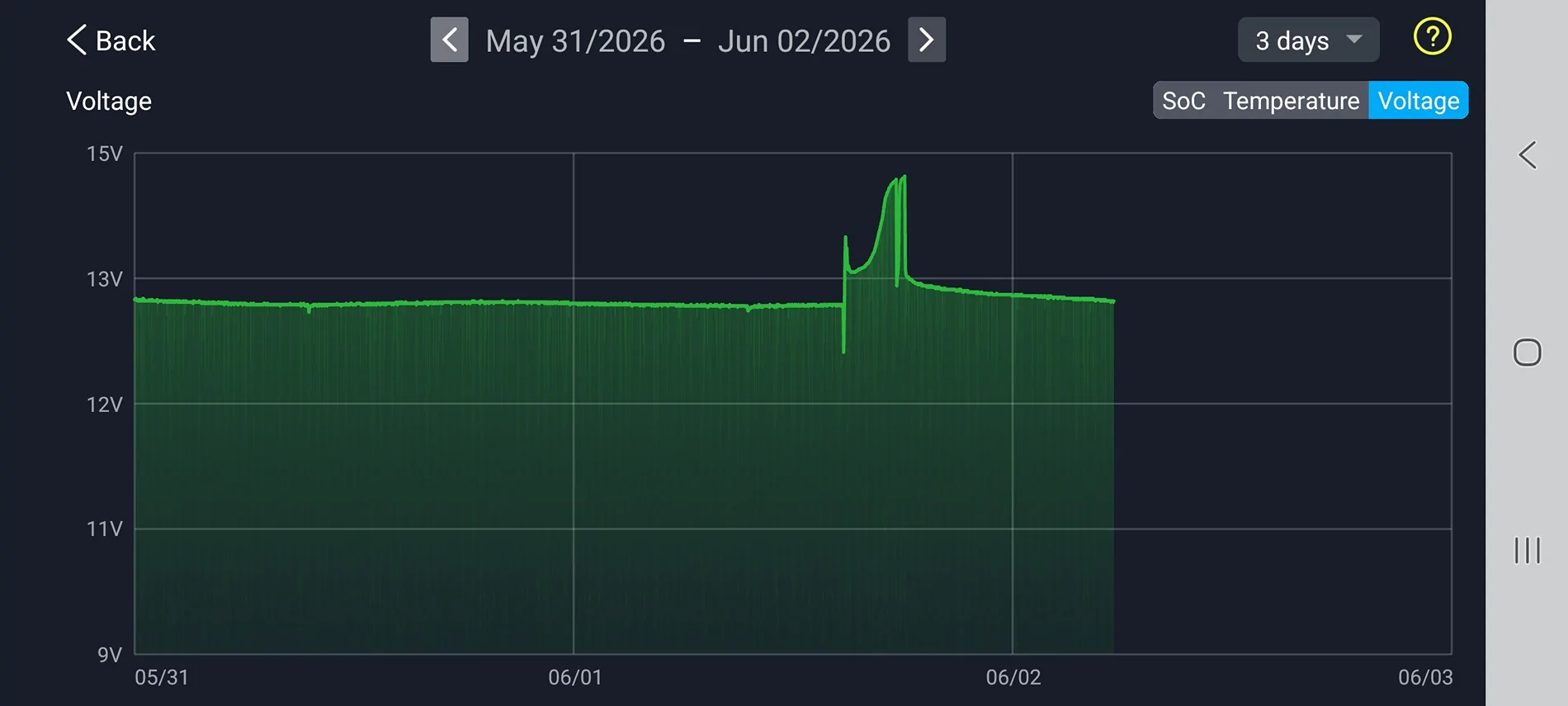
I've got a video that happens to show a 30A charge to the 12VB after startup, DCDC 12V system at 36A for everything including that - and since no ICE running the HVB is supplying all that - only 2.5 A from DCDC. That's nothing, no AC running, so that's all to the 12V system, converted.
Anyone with a scanner has probably seen the barely impact to the HV system from the 12V system being fed from the DCDC and HV system.
There is no change to 12V charging Amps based on speed or ICE running. Not a tick.
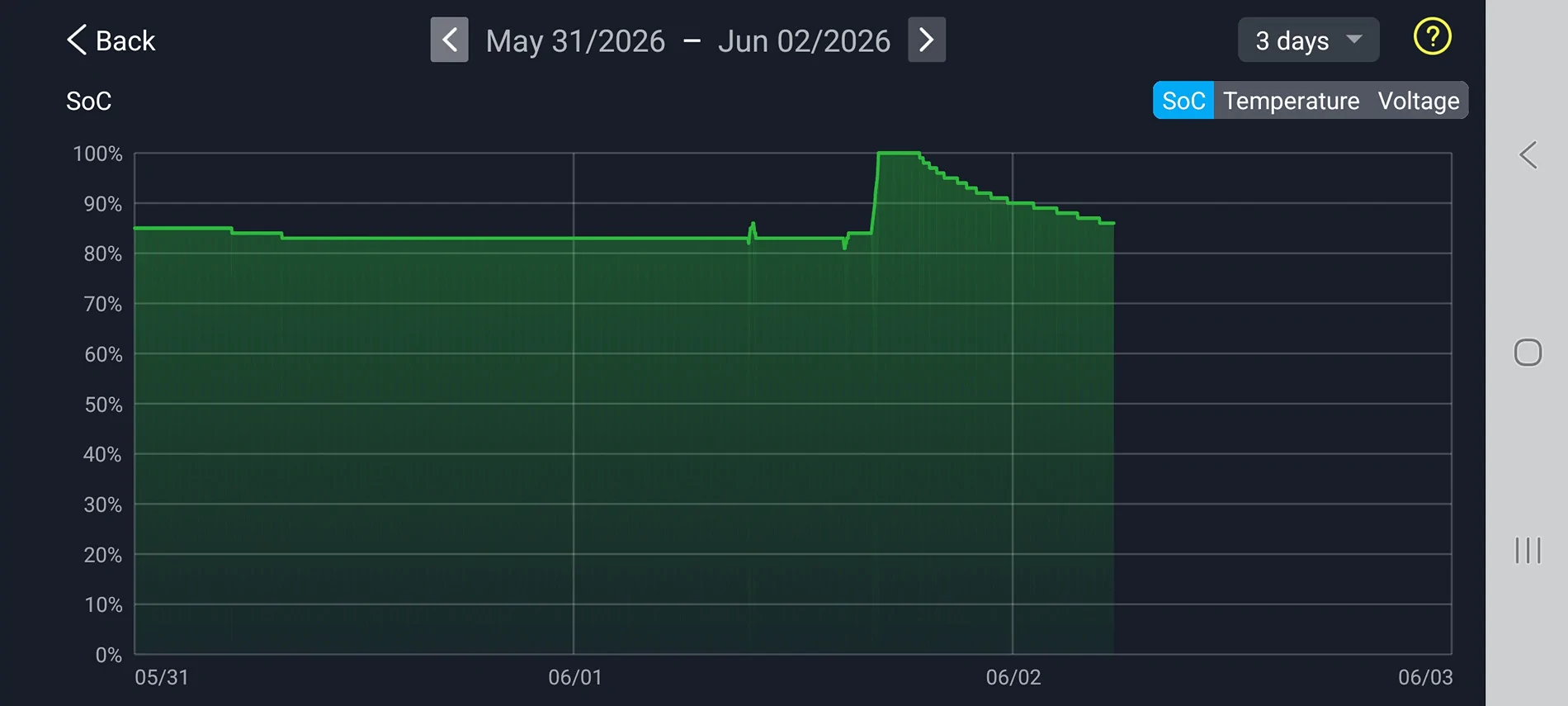
Purely 12VB SOC%. (perhaps to lesser extent the logged Amp-hours of charge/discharge totals. Or maybe that is only used to calculate SOC% once a load/charge starts - can't get a decent SOC% figure anytime near a charge or discharge based on voltage, it's inaccurate)
Also battery temps from what I've seen.
That's what determines normally how much charge the 12VB is getting.
That's why I've always described the hybrid as having a built in battery charger - totally controlled. Just not very well.
And the strategy says if at 85% SLA or 92% AGM reached - allow the 12VB to juice the 12V system until the SOC drops, instead of the HV system.
The methods found tell the system to ignore the presets - go for 100%, and at higher Amp rate than the float charge normally done.
Is it because in all those methods you could drop to On-only mode and keep those systems going, causing too much 12V draw in a short time, which would drain the HVB kinda fast, with no ability to recharge with ICE turning on?
In On-mode, when the HVB reaches 30% - the 12VB powers all that 12V system - now it will drain fast, before the truck turns off for you.
A setting allows headlamps to remain on for 2 min even after truck off and door opened.
Fan will remain running in On-mode. Spd 6 is big 3A higher draw than spd 5.
Could Trailer hitch provide power for a big draw trailer lighting system in On-mode?
As to why did your mileage improve at highway speeds after a module update?
The 12VB being used to juice the 12V system when SOC reaches 92%, instead of the HV system - might be draining the 12VB (by design so not parasitic), but it saves the HV system and HVB from doing it. That's a potential gas savings with ICE running less to charge the HVB.
The 12VB continuing to be charged at higher rate over 92% by the HV system, would be the worse mileage as the HVB might need more charging with ICE running more.
This is opposite of your comment.
It would be interesting after the TRM update - since the 92% for AGM is still the upper limit, but rather for your battery with a potential problem, is a lower limit still about 88%? Maybe they lowered that to 80%, so your BMS is willing to charge higher now than before, in prep for supporting a trailer plugged in with unknown potentially higher draw?
That would help your battery.
But @rslilly76 had the update too, and already confirmed no change to upper value.
https://www.mavericktruckclub.com/forum/threads/hybrid-12v-battery-mystery-solved.81553/post-1371531
Here's a simple thing they could do with that update for mileage - someone would need to look at some values in a scanner before & after.
Did having something plugged in to hitch do more than just cause the 12VB to be charging faster/higher?
(again - that ain't much load on the HV system to make a huge change to mileage because the HVB is being drained)
Did it use to cause a Tow/Haul drive mode type effect - where the Traction motor was used more for supplying power to supplement the engine power? In Tow mode that causes ICE to be on to supply that extra charging to keep the HVB near 70%, and use extra power with the ICE.
But if ICE isn't running constantly in Normal mode, the HVB is just being drained faster, requiring more ICE on time anyway.
Could it have been doing that with something plugged into the hitch - when it really wasn't needed?
Now you got an update - and that effect is only done in Tow/Haul mode?
That is total theory - but that should affect mileage. Should be noticeable though - like not hearing the ICE now on slight declines where before it would be running.
@rslilly76 - are you on the highway enough at 70 mph to notice a difference in mileage pre/post TRM update?
I'm assuming this is instantenous mileage reading.
Sponsored
Last edited: