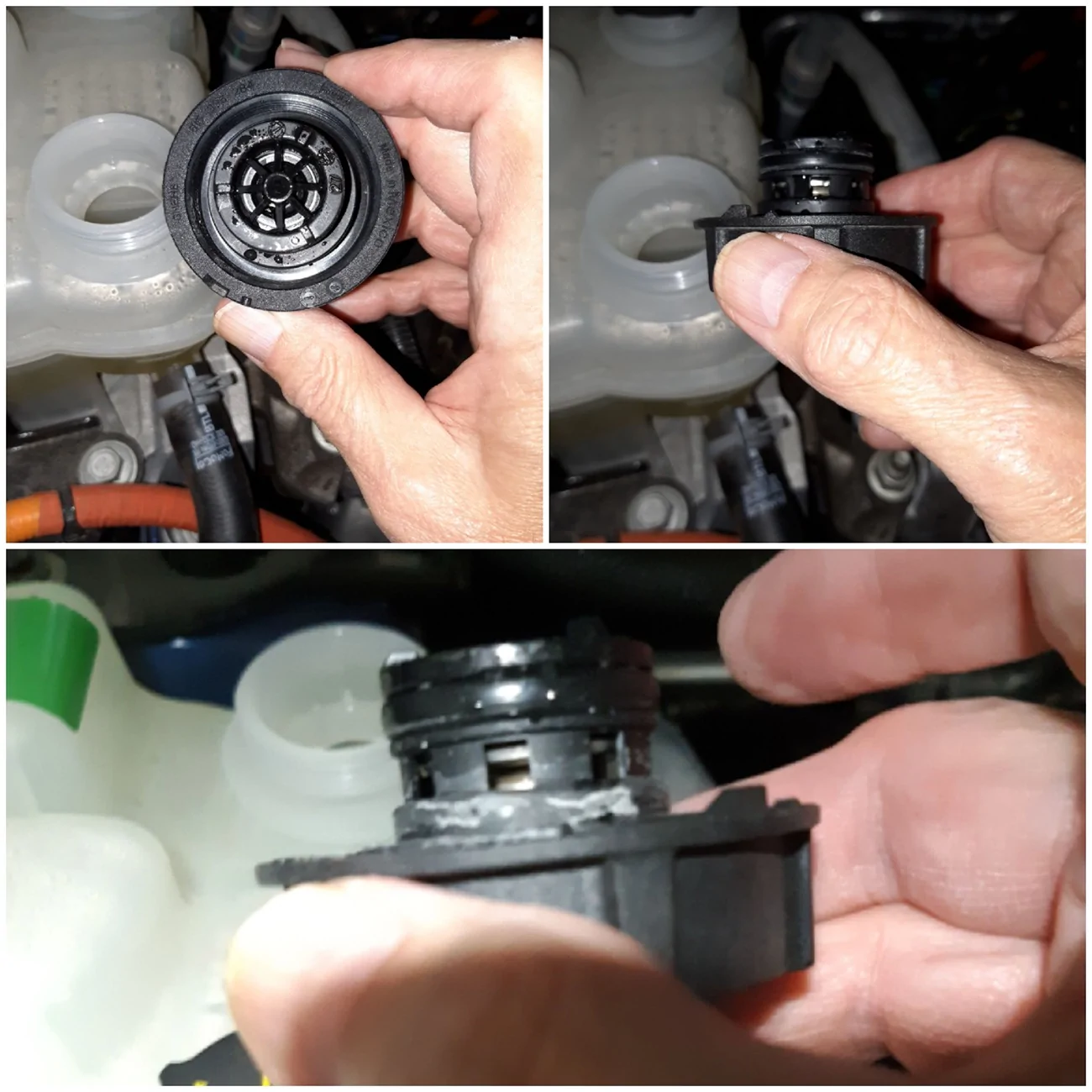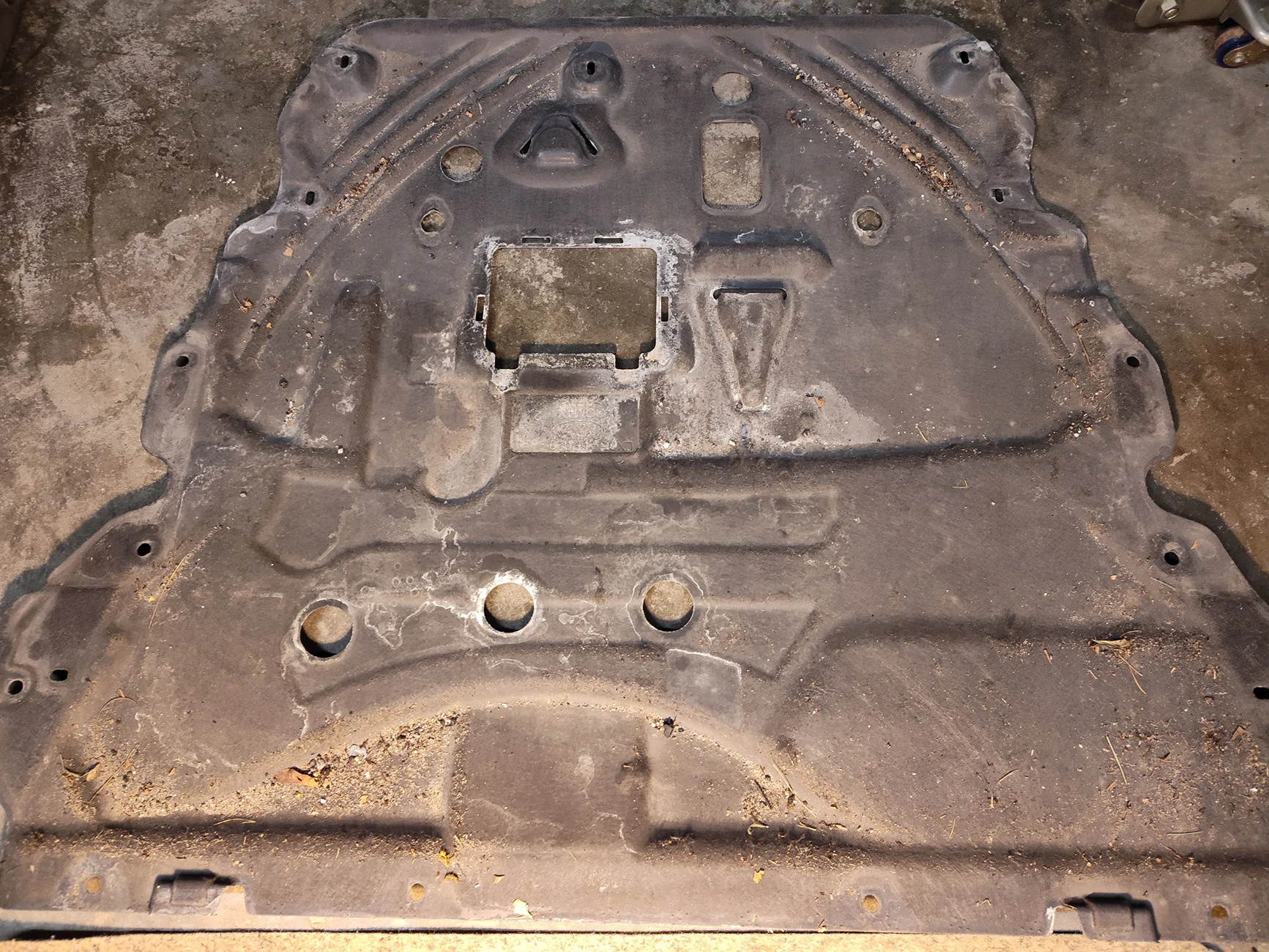

This thread encouraged me to go and look under the cap on my truck as well. I drive ~25 mins to work each way; we’ve had a cold winter here in Michigan this year. Oil changed last November, it probably has ~600 miles on it since then (was at the dealer for a fuel tank issue for about a month.)
When it’s cold out, if you’re running the heat while driving, the heater core pulls so much heat from the cooling system that by the time my drive is over, Im usually halfway warmed up, sometimes 3/4 on the gauge. Not running the heat will make the temp gauge stay higher, but when it’s 12 outside, thats easier said than done.
Other than running in sport mode (which I do sometimes, keeps the engine running unless at a stop light) there’s not much you can do to prevent this happening, unless you go out of your way to take a longer trip.
I’ve not checked under the cap in previous winters but Im sure mine looks like this here there throughout the season for the 4 years I’ve owned it. Wouldn’t think that it has anything to do with a blown head gasket/coolant getting in the system, just condensation from the temperature changes as well as water from the combustion cycle per some other comments in here. This is why the owners manual specifies a particular ford specification to stick to for oil changes, that oil is formulated to combat the long term effects from this.
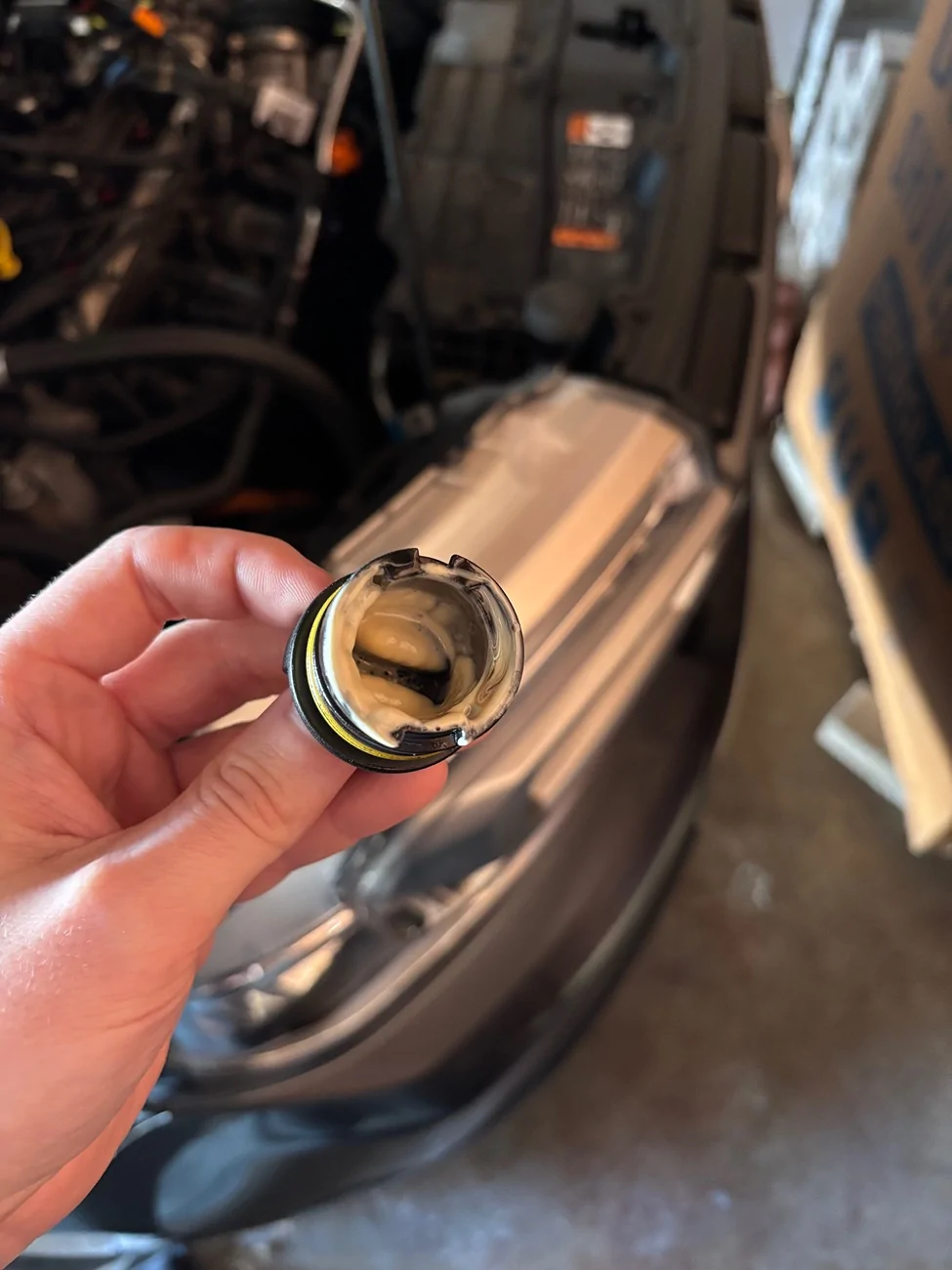
When it’s cold out, if you’re running the heat while driving, the heater core pulls so much heat from the cooling system that by the time my drive is over, Im usually halfway warmed up, sometimes 3/4 on the gauge. Not running the heat will make the temp gauge stay higher, but when it’s 12 outside, thats easier said than done.
Other than running in sport mode (which I do sometimes, keeps the engine running unless at a stop light) there’s not much you can do to prevent this happening, unless you go out of your way to take a longer trip.
I’ve not checked under the cap in previous winters but Im sure mine looks like this here there throughout the season for the 4 years I’ve owned it. Wouldn’t think that it has anything to do with a blown head gasket/coolant getting in the system, just condensation from the temperature changes as well as water from the combustion cycle per some other comments in here. This is why the owners manual specifies a particular ford specification to stick to for oil changes, that oil is formulated to combat the long term effects from this.
Sponsored