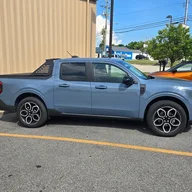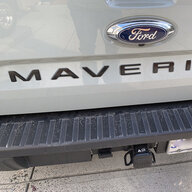

 Pepper Red Maverick
Interesting topic. However, I would be remiss if I didn’t add a couple of comments regarding things that I have observed:
1) To all the doom and gloom crowd saying “how much harder on this engine most 5W30 synthetic oils are going to be” over 0W20 - welcome to the old wives tales club. With few exceptions, the disadvantages long term are going to negligible. In countries with harsher climates than California, (Saudi Arabia/Australia), the “go to” viscosity for most engines START at 5W30 and go upwards. So why are we using 0W20? You can thank your EPA for fuel economy and emissions reasons. The EPA takes no position on engine durability. 5W30 is NOT going to hurt it.
2) Full disclosure, I have already put 210,000 miles on the same Ford 2.5L Hybrid engine before in my previous vehicle. A 2010 Ford Fusion Hybrid. In fact, this engine. When I tired of it and traded it in, the engine hadn’t shown any signs of fatigue. I used Motorcraft 5W20 FULL synthetic for the first 100,000 miles @ 5,000-7500 mile intervals. Mobil 1 0W20EP for the final 110,000 miles.
3) For my current ‘22 Maverick Hybrid Lariat, I started out using Mobil 1 0W20 and based on positive word of mouth feedback ran an oil change interval of Pennzoil Ultra Platinum 5W20 (not the less expensive Pennzoil Platinum). I noticed right away reduced engine noise and slight harshness as compared to what I was used to. Makes sense, because the viscosity at full engine operation temperature (100C) is closer to a 5W30 than the Mobil 1 that I was using. Of course, I have no way of measuring engine wear. Just reporting what even my wife noticed. As I get out of warranty, I probably will go back to Mobil 1. The 5W30EP when out of warranty.
Bottom Line: This 2.5L engine is “Bulletproof.” It is in the 4 cylinder Toyota category of durability. In fact, there are NYC Ford Escape cabs in service with the same engine with 400,000-600,000 miles on them before rebuilding the engine. And you KNOW cab companies just use whatever bulk motor oil they have on hand.
1) To all the doom and gloom crowd saying “how much harder on this engine most 5W30 synthetic oils are going to be” over 0W20 - welcome to the old wives tales club. With few exceptions, the disadvantages long term are going to negligible. In countries with harsher climates than California, (Saudi Arabia/Australia), the “go to” viscosity for most engines START at 5W30 and go upwards. So why are we using 0W20? You can thank your EPA for fuel economy and emissions reasons. The EPA takes no position on engine durability. 5W30 is NOT going to hurt it.
2) Full disclosure, I have already put 210,000 miles on the same Ford 2.5L Hybrid engine before in my previous vehicle. A 2010 Ford Fusion Hybrid. In fact, this engine. When I tired of it and traded it in, the engine hadn’t shown any signs of fatigue. I used Motorcraft 5W20 FULL synthetic for the first 100,000 miles @ 5,000-7500 mile intervals. Mobil 1 0W20EP for the final 110,000 miles.
3) For my current ‘22 Maverick Hybrid Lariat, I started out using Mobil 1 0W20 and based on positive word of mouth feedback ran an oil change interval of Pennzoil Ultra Platinum 5W20 (not the less expensive Pennzoil Platinum). I noticed right away reduced engine noise and slight harshness as compared to what I was used to. Makes sense, because the viscosity at full engine operation temperature (100C) is closer to a 5W30 than the Mobil 1 that I was using. Of course, I have no way of measuring engine wear. Just reporting what even my wife noticed. As I get out of warranty, I probably will go back to Mobil 1. The 5W30EP when out of warranty.
Bottom Line: This 2.5L engine is “Bulletproof.” It is in the 4 cylinder Toyota category of durability. In fact, there are NYC Ford Escape cabs in service with the same engine with 400,000-600,000 miles on them before rebuilding the engine. And you KNOW cab companies just use whatever bulk motor oil they have on hand.
Sponsored