
- First Name
- Dan
- Joined
- Nov 1, 2021
- Threads
- 4
- Messages
- 1,191
- Reaction score
- 1,416
- Location
- Random Lake Wisconsin
- Vehicle(s)
- 64 Caddy Fleetwood,73 Caddy Sedan,75 Eldorado Conv
- Engine
- 2.0L EcoBoost
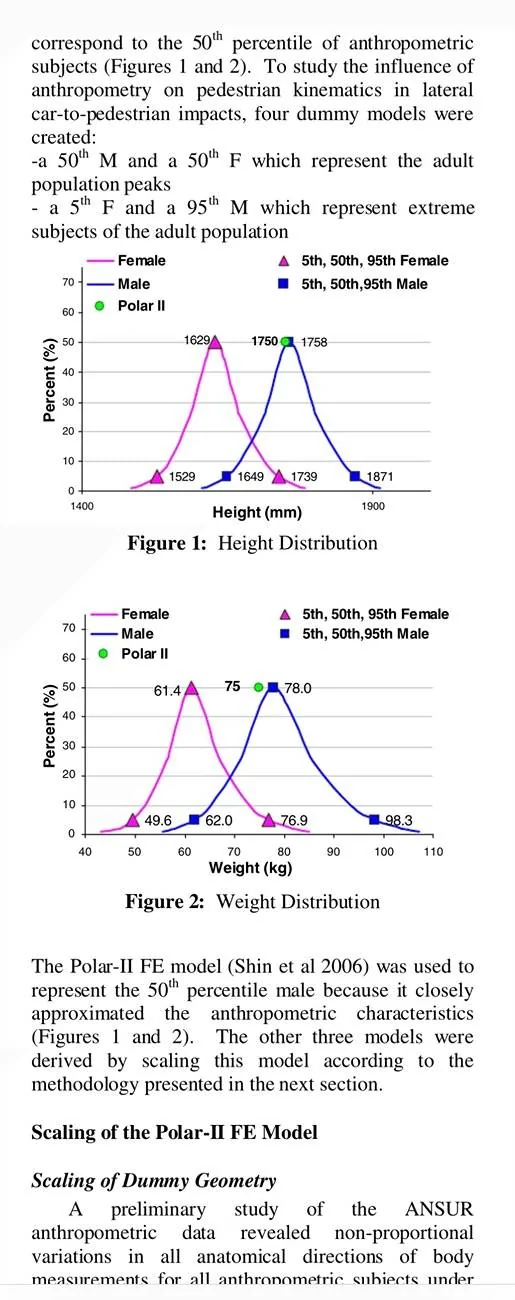
If these are the current 'percentiles' being used by the NHTSA they are grossly outdated, have they looked at the average American? 50% for female now is 5'4" 150lbs & male would be at least 5'10" 200 & that's conservative.I didn’t see where the OP stated he weighs 325 lbs. If that is accurate, then it explains why the seat extended beyond the 35 degrees of rotation safety limit. To me it looks like 40 degrees of rotation (keep in mind that no one sits at 0 degrees of rotation normally, but the seat starts at 15 or so degrees reclined.
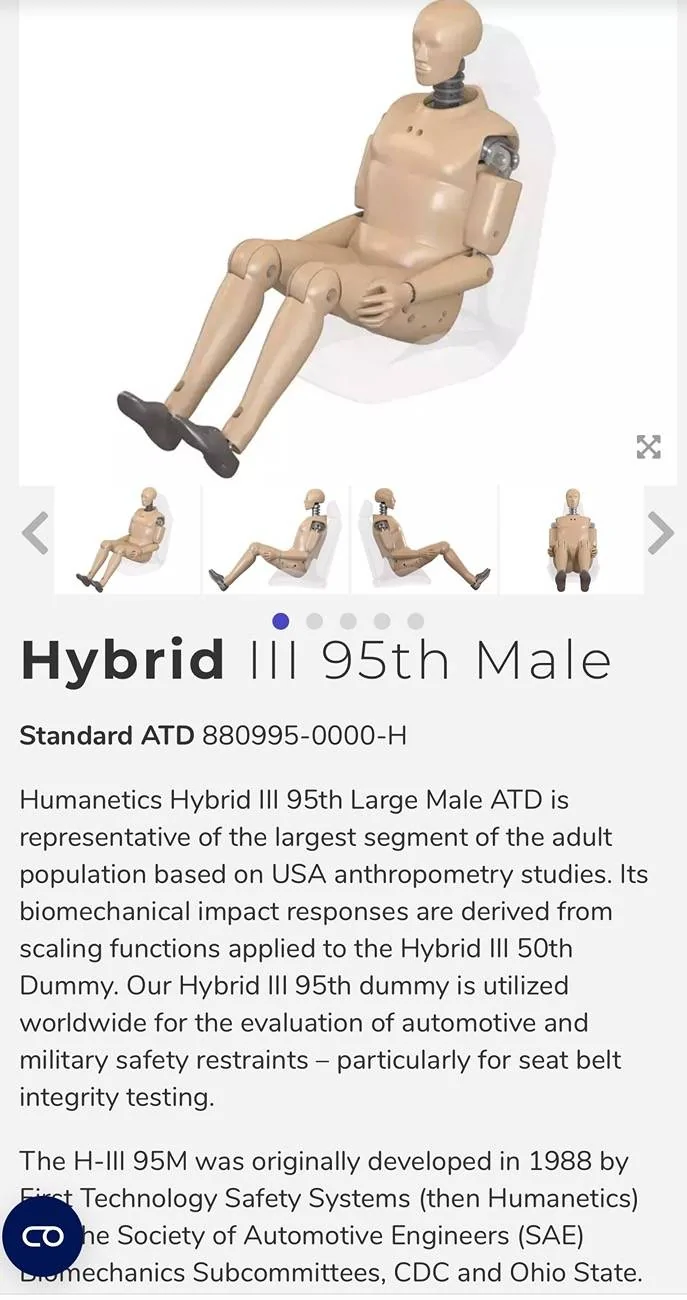
The NHTSA uses 6 pediatric dummies and 4 adult dummies. I’ll focus on the adult ones only. First, the smallest one, “small adult female” is 4’11” and 97 lbs. This is the one that is most likely to get injured. The air bags are too powerful for her small size and the seat backs are too stiff for her low weight, so she is more likely to get a spine injury. Then there is the “5th percentile adult female”, which is 4’11” and 108 lbs. Standards get built off of this one, as safety devices are designed for people in the middle, from the 5th percentile to 95th percentile. Then there is the old generation “50th percentile male” that is 5’9” and 160 lbs. And as American’s weight has increased over the years, the new generation 50th percentile male is 5’9” and 171 lbs.
A 325 lb driver weighs 1.9 times as much as the largest test dummy, which means that his drivers seat would have 90% more rotational deformation than with the largest crash test dummy.
Again, I didn’t see where the OP stated his weight, but if it is 325 lbs, this amount of rotational deformation of the seat is completely expected and somewhat unavoidable.
Many lawyers have brought law suits saying that the seat backs allow too much deformation and need to be stiffer, but then the NHTSA scientists get involved and start showing physics data on what happens to the small female and 5th percentile female dummies with the current stiffness requirements. If they go stiffer, it will create more injuries for small occupants.
Sponsored