
- Thread starter
- #1
Read a post here saying its worth it to have done. I have no clue on the price. What should I expect. I live in FL so con artists are thick here. Thanks in advance.
Sponsored
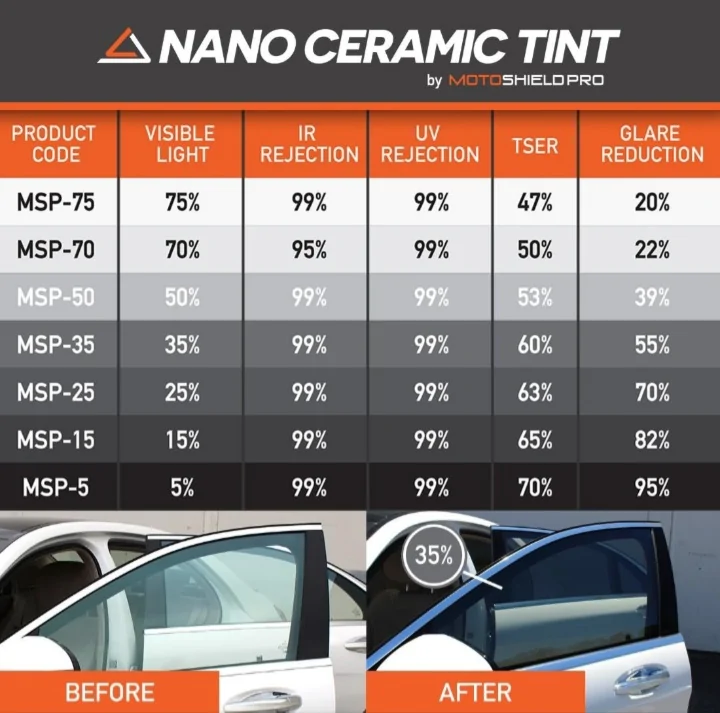
ThanksA lot of people do it to keep the heat out. It is an almost clear coating. It should not be over $150. Make sure you get the proper paperwork with the warranty and know it is ceramic.
I'd expect a ticket from the FHP:Read a post here saying its worth it to have done. I have no clue on the price. What should I expect. I live in FL so con artists are thick here. Thanks in advance.
If it clear how would the police know.I'd expect a ticket from the FHP:
is it legal to put ceramic film on a car windshield in the US? If so, what states are legal/illegal?
> Short answer: Sometimes—ceramic “windshield film” can be legal, but it depends on your state and on how light/clear the film is.
>
> Key points
> - “Ceramic” describes how the film is made; laws regulate visible light transmission (VLT), reflectivity, color, and how much of the windshield can be covered—not the film type.
> - Most states only allow a narrow visor strip at the top of the windshield (above the AS-1 line or top 4–6 inches). No film is allowed below that line.
> - A minority of states explicitly allow a clear, colorless film across the entire windshield if it remains very light (typically ≥70% VLT) and non‑reflective. Examples include Texas and Washington. Many other states do not allow full‑windshield film at all, regardless of VLT, except for medical exemptions.
> - Many states offer medical exemptions that can permit darker or broader windshield coverage with proper documentation.
> - Even where permitted, films cannot be mirrored/reflective and cannot be certain colors (often no red/blue/amber). Some states require a compliance label on the film.
>
> What to do
> - Check your specific state statute (search: “[Your state] statute windshield tint” or see the AAA Digest of Motor Laws or your DMV site).
> - If allowed, choose a “windshield” ceramic film that’s effectively clear (70–90% VLT), keep the installer’s compliance certificate/label, and verify you’re not exceeding the reflectivity or color limits.
> - If you tell me your state, I can summarize the current rule for your location.
Florida
> Florida answer:
>
> - What’s allowed: A nonreflective “visor strip” only, above the AS-1 line at the top of the windshield.
> - What’s not allowed: Any aftermarket film (including clear/ceramic, IR‑ or UV‑blocking films) on the windshield below the AS‑1 line, unless you have an approved medical exemption.
> - Medical exemption: Florida Statute 316.29545 allows exemptions for certain medical conditions. You must carry the exemption documentation; it can permit additional windshield sunscreening.
> - Film type doesn’t matter: The law regulates “sunscreening material” by placement, light transmission, color, and reflectivity—not whether it’s ceramic. Clear, colorless films still count as tint.
> - Enforcement: Violations are a nonmoving traffic infraction; you may be required to remove the film.
>
> References: Florida Statutes 316.2952 (windshields) and 316.29545 (medical exemptions). If you want specifics for your vehicle, your installer should be able to show compliance with these sections.
Don't ask me. I would ask, though, "If it's clear, why do it?"If it clear how would the police know.
Because it’s stops a ton of heat and UV light and that’s huge in floridahDon't ask me. I would ask, though, "If it's clear, why do it?"
Serious question: How does the untinted film do what the untinted glass doesn't?Because it’s stops a ton of heat and UV light and that’s huge in floridah

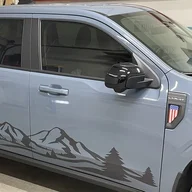
Ceramic tint, even a nearly clear one blocks a significant amount of heat. I did 70% on my windshield plus I did all the other windows. I did 20% on the front and 40% on the back a rear dyed windows to make everything match in terms of darkness appearance. My truck stays significantly more cool than any other vehicle I've owned and I don't have to fuss with a windshield shade anymore.Serious question: How does the untinted film do what the untinted glass doesn't?