

Sponsored

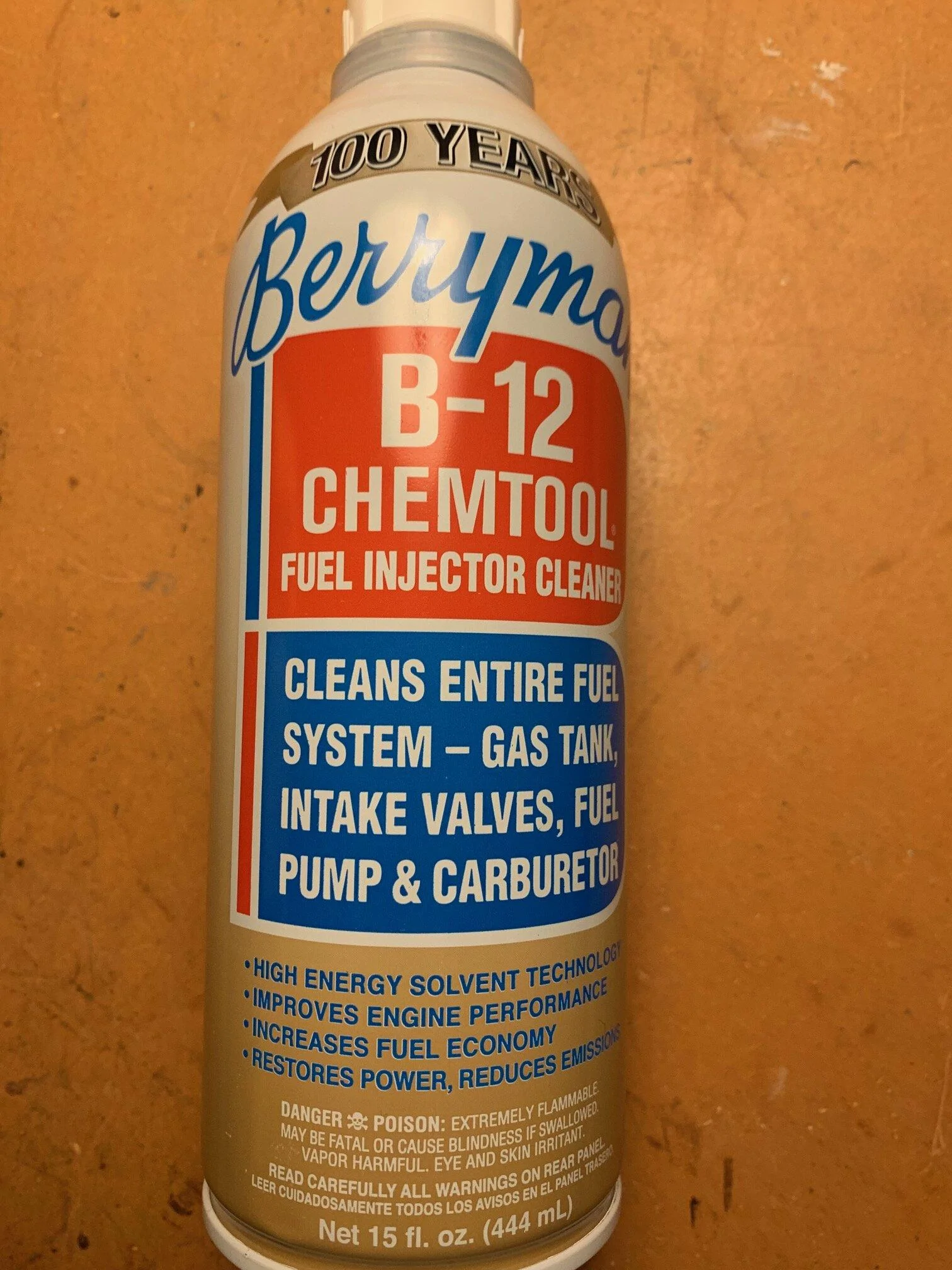
Berryman B-12 Fuel Injector Cleaner for 2.0 EcoBoost

MavChris

2.0L EcoBoost
Well-known member
First Name
Chris
Joined
Jan 15, 2023
Threads
9
Messages
191
Reaction score
246
Location
Macomb Michigan
Vehicle(s)
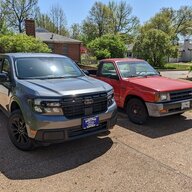
23 Maverick XLT, 22 Bronco Sport, 19 Flex SEL
Engine
2.0L EcoBoost
Just wondering how others felt on using Berryman B-12 Fuel Injector Cleaner with the EcoBoost 2.0. I have used this on numerous vehicles in the past with no problems what so ever. This is the first vehicle I've owned with an EcoBoost engine.

Thanks!
Ford Maverick Berryman B-12 Fuel Injector Cleaner for 2.0 EcoBoost IMG_4228
Sponsored


jewc75

2.0L EcoBoost
Well-known member
First Name
James
Joined
Nov 24, 2021
Threads
23
Messages
950
Reaction score
1,112
Location
Texas
Vehicle(s)
18 Z06 12 Mustang 22 Maverick 93 Lightning 19 GTI
Engine
2.0L EcoBoost
I prefer BG 44k.
 

Maverickman74

2.0L EcoBoost
Well-known member
First Name
Shane
Joined
Dec 8, 2021
Threads
65
Messages
5,598
Reaction score
7,794
Location
Maui HI
Vehicle(s)
96 Bronco, 91 Comanche, 93 ZJ, 80 Eagle, Bicycle
Engine
2.0L EcoBoost
Clubs
 
I've used it on much older cars with aging fuel systems.
 

ShadowBlack XL440

2.5L Hybrid
Well-known member
First Name
Robert
Joined
Jan 21, 2022
Threads
12
Messages
1,029
Reaction score
1,308
Location
Northern Ohio
Vehicle(s)
Non-Ford, not enought room to list..........
Engine
2.5L Hybrid
Being direct injected dump-in-tank cleaners aren't going to do a whole lot since it's going right into the cylinders.
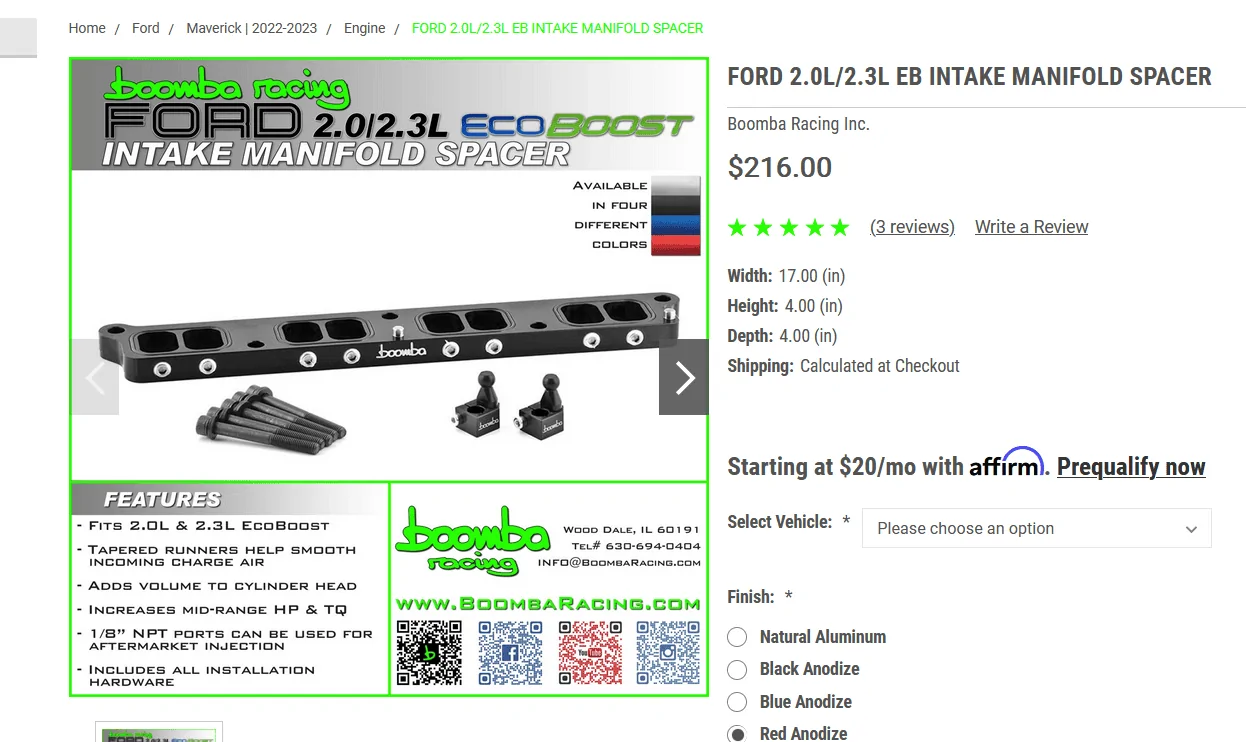
It is fuel injector cleaner, how does it get into the cylinder without going thru the fuel injectors? I assume you must have been referring to the benefit of cleaning the backside of the intake valves which it would not help with since it is direct injection. I have been considering the Boomba Racing intake spacer that has ports that could be used to inject cleaner on the backside of the valves, correct?

https://www.boombaracing.com/ford-2-0l-2-3l-eb-intake-manifold-spacer/
Ford Maverick Berryman B-12 Fuel Injector Cleaner for 2.0 EcoBoost 1680698944356
 
Last edited:

Sponsored

Old Ranchero

2.0L EcoBoost
Well-known member
Joined
Apr 1, 2021
Threads
26
Messages
2,587
Reaction score
3,511
Location
CO
Vehicle(s)
2018 F-150 2013 Jeep Grand Cherokee 2022 Maverick
Engine
2.0L EcoBoost
Just wondering how others felt on using Berryman B-12 Fuel Injector Cleaner with the EcoBoost 2.0. I have used this on numerous vehicles in the past with no problems what so ever. This is the first vehicle I've owned with an EcoBoost engine.

Thanks!

IMG_4228.webp
There was a lengthy discussion on this like a year ago. I advocated this exact same thing after decades of satisfaction including passing California's strict smog testing with old engines and turning black spark plug electrodes bright white again. Prime example is my 2005 Ford E-450 with fuel injected V-10. There's a vocal group here insisting it wouldn't work for this ECOboost design intake tract and only removing the head and Walnut blasting the valves at intervals would reduce and clean Carbon deposits.

I intuitively trust my own decades of experience with additives but never owned a turbo, so dug into published research and documentation on the issue. Once I came across BMW tech advisories and manuals on their similarly injected motors RECOMMENDING injection cleaning additives at regular intervals to counter carbon build up on valves, that was enough for me.

I'm using only the recommended top tier premium and following my instincts on adding B-12 to my tank at regular intervals.

YMMV
 
Last edited:

Old Ranchero

2.0L EcoBoost
Well-known member
Joined
Apr 1, 2021
Threads
26
Messages
2,587
Reaction score
3,511
Location
CO
Vehicle(s)
2018 F-150 2013 Jeep Grand Cherokee 2022 Maverick
Engine
2.0L EcoBoost
I don't see how any additive could clean the back of intake valves on a direct injected engine. Am I missing something?
and I don't understand how carbon buildup from exhaust would get on the back of intake valves in the 1st place? From spent gasses being re-routed through EGR or ? I'm 65 and prone to occasional "Senior Moments" but thinking back to my 1st class on basic engine operating principles in 1973: a 4-cycle engine has Intake, Compression, Power, Exhaust cycles each requiring their own up or down stroke of the piston in the cylinder. Assuming this is true, the exhaust and intake cycles are completely separated by necessity of design and intake valves should be closed when exhaust valves open and vice versa. Exhaust gases and by products should be completely evacuated from combustion chamber and exhaust valve closed by the time intake valve opens for intake stroke.

Am I missing something?
 

ejouie

2.0L EcoBoost
Well-known member
First Name
Evan
Joined
Sep 21, 2022
Threads
10
Messages
379
Reaction score
476
Location
Newnan, GA
Vehicle(s)
'23 Ford Maverick, Atlas Blue, FWD, EcoBoost, XLT
Engine
2.0L EcoBoost
Clubs
 
and I don't understand how carbon buildup from exhaust would get on the back of intake valves in the 1st place? From spent gasses being re-routed through EGR or ? I'm 65 and prone to occasional "Senior Moments" but thinking back to my 1st class on basic engine operating principles in 1973: a 4-cycle engine has Intake, Compression, Power, Exhaust cycles each requiring their own up or down stroke of the piston in the cylinder. Assuming this is true, the exhaust and intake cycles are completely separated by necessity of design and intake valves should be closed when exhaust valves open and vice versa. Exhaust gases and by products should be completely evacuated from combustion chamber and exhaust valve closed by the time intake valve opens for intake stroke.

Am I missing something?
You would be correct about the EGR as the source. Wasn't an issue with port injection but might have been an oversight when direct injection came about.

Other EcoBoost engines now have port & direct injection to remedy this and further research discovered that port injection was actually superior to direct injection under certain conditions.
 

Old Ranchero

2.0L EcoBoost
Well-known member
Joined
Apr 1, 2021
Threads
26
Messages
2,587
Reaction score
3,511
Location
CO
Vehicle(s)
2018 F-150 2013 Jeep Grand Cherokee 2022 Maverick
Engine
2.0L EcoBoost
You would be correct about the EGR as the source. Wasn't an issue with port injection but might have been an oversight when direct injection came about.

Other EcoBoost engines now have port & direct injection to remedy this and further research discovered that port injection was actually superior to direct injection under certain conditions.
I have a lucky guess every so often between my Senior naps :cool: Can you educate me on the % of exhaust gas volume they divert to EGR? High boost pressure for turbo makes me think it can't be a whole lot and comes before gasses get to the turbo?

 
Sponsored

ejouie

2.0L EcoBoost
Well-known member
First Name
Evan
Joined
Sep 21, 2022
Threads
10
Messages
379
Reaction score
476
Location
Newnan, GA
Vehicle(s)
'23 Ford Maverick, Atlas Blue, FWD, EcoBoost, XLT
Engine
2.0L EcoBoost
Clubs
 
I have a lucky guess every so often between my Senior naps :cool: Can you educate me on the % of exhaust gas volume they divert to EGR? High boost pressure for turbo makes me think it can't be a whole lot and comes before gasses get to the turbo?

The exhaust passes through the turbo first to maximize its effectiveness. Not long after, the volume needed for EGR is captured and sent to the intake. I'm fairly certain that there is a valve on each end to control flow. The % would vary based on the driving condition. Full throttle for example would have 0%. Cruising with a low engine load would be the max %. I would need someone with Forscan to monitor the EGR to find out what those %s are.
 
Last edited:

Old Ranchero

2.0L EcoBoost
Well-known member
Joined
Apr 1, 2021
Threads
26
Messages
2,587
Reaction score
3,511
Location
CO
Vehicle(s)
2018 F-150 2013 Jeep Grand Cherokee 2022 Maverick
Engine
2.0L EcoBoost
The exhaust passes through the turbo first to maximize its effectiveness. Not long after the volume needed for EGR is captured and sent to the intake. I'm fairly certain that there is a valve on each end to control flow. The % would vary based on the driving condition. Full throttle for example would have 0%. Cruising with a low engine load would be the max %. I would need someone with Forscan to monitor the EGR to find out what those %s are.
sounds reasonable.

**warning, long maybe boring read ahead** Full disclosure here: in the early 1980s I was trained, certified and licensed as a Smog Technician by California BAR. Every state and Gov't agency looks to CA as the leader in fighting smog and adopts their standards. SMOG Check II was just being implemented and more complex use of dyno unveiled to simulate real world tailpipe emissions by varying speed for specific intervals instead of constant speed/RPM for set periods. Earliest testing focused on tailpipe emissions and captive EGR systems sending gases from EGR 1 way ball valve installed in valve cover and routed into air cleaner to reburn by passing through the carb. Required equipment on vehicle usually had devices to limit vacuum advance by RPM and/or engine temp measured at top radiator hose.

As cars with computers (ECUs) became the norm more ways were devised to employ readable sensors for things like 02 inside exhaust manifolds. It also was decided that passive emissions of leaking gas fumes required sealed systems with sealed gas caps and a fume routing hose below the gas cap would send captured gases back to the engine compartment to store in evap cannisters and/or re-routing back to intake tract for re-combustion burning along with fresh mixture going into engine. Now I'm recalling all this from memories of 40 years ago so might be slight errors of techniques or devices named. 🤪

So our testing routine started with trying to fail either EGR device or fume recovery system vacuum test from gas cap rubber gasket seal not sealing from hardening/shrinkage or age cracking. Also, a once around and underhood and under vehicle inspection for missing or modified required smog equipment like expanded gas filler neck allowing non-fume capture gas pump handles to be used to fill with anything other than mandated unleaded gas, missing or bypassed CAT, plugged vacuum lines or EGR, etc. These were the fastest easy sure fire fails and meant more $ required to spent to comply and retest until passing. Shop owners loved it because they could do more tests per hour. If these all passed, we moved on to actual tailpipe emissions capture and dyno runs connected to state computers with direct computer link.

We never saw any turbos for testing back then and I think might have been exempt due to rarity and no developed methodology to test them accurately back then and direct injection was an engineering fantasy back then. I never had a career in a shop after getting my license but the education in the formative years and having a career in hi tech engineering and test spurs my SWAGs about what current technologies are trying to accomplish to mix with being a lifelong gearhead and back yard mechanic.

Sorry, Long winded and boring for many readers here I know, but fun for me sitting here with a beer at the PC reminiscing about the early days :ROFLMAO:
 

ejouie

2.0L EcoBoost
Well-known member
First Name
Evan
Joined
Sep 21, 2022
Threads
10
Messages
379
Reaction score
476
Location
Newnan, GA
Vehicle(s)
'23 Ford Maverick, Atlas Blue, FWD, EcoBoost, XLT
Engine
2.0L EcoBoost
Clubs
 
^That was a fascinating read. Always fun to learn how things were done mechanically before electronically!
 

realshelby

2.5L Hybrid
Well-known member
First Name
Terry
Joined
Nov 20, 2022
Threads
5
Messages
606
Reaction score
780
Location
Houston
Vehicle(s)
1969 GT 500, 1965 Mustang GT,
Engine
2.5L Hybrid
I don't see how any additive could clean the back of intake valves on a direct injected engine. Am I missing something?
Reversion! This is the backflow of combustion gasses during valve overlap.

There can be positive cylinder pressure ( combustion gasses not fully out of cylinder ) when the intake valve opens. This allows some combustion gasses to enter the intake valve opening and go into the intake port. This happens fast of course, but over time there can be enough contaminants and heat to cause the build up we see. These gasses are pushed back out as the vacuum begins pulling in fresh charge air through the intake system. But there is always just that little bit that stays around..
Most fuel injection systems on gasoline engines spray fuel into intake tract and/or cylinder before the spark is delivered. This raw fuel can under some conditions be pulled in during reversion...and effect the build up ( I don't have any facts on this concerning the 2.0 Ecoboost ). So that would effect some "cleaning" if the additives were in the fuel.
Sponsored


Top