
- Joined
- Jan 8, 2025
- Threads
- 2
- Messages
- 125
- Reaction score
- 177
- Location
- Lauderdale
- Vehicle(s)
- Escape
- Engine
- 2.0L EcoBoost
I’m probably coming off back and forth but just doing my best to generalize with a summary of about 10 years of development experience through the years. Yes LSPI is very bad. Has it been a root cause destroyer of inline EcoBoosts? Not that I’m aware of. However with the increased chase for efficiencies and the learning experiences from the first generation nano in a truck application, it’s been a silent goal. Catastrophic LSPI isn’t on the radar. Yes it can happen but I wouldn’t call it consistent by any means. The factors leading to it however have been and it’s why manufactures besides just Ford have gone away from strictly direct injection. The limits of what is defined as LSPI in testing for us is more or less heavy knock. I don’t want to mislead anything with statements about these things so I’ll repeat these are not made in any official capacity and I’m not meaning to infer or cast doubts on engine qualities. I don’t want to keep cracking open deeper into this as I worry a poor image could be formed about this and that’s not my goal here. Also there is far more to everything in the design and engineering than I am made aware of so just because it’s what I was told doesn’t mean I have a basis of understanding of what else was going on to make that decision. I’m inferring the outcome from years of processes and data, though it was stated directly that carbon buildup was a consequence of the original direct injection design. I know the EGR redesign was another focus towards efficiency and longevity. Yes there is tons of nickel and diming that goes on but I do feel Ford does do a lot towards customer focused design. I can’t speak at all on how design is affected by warranty but I’m assuming that a lot of these processes were inspired by it. I hope anything I’ve said has at least made some sense. I’m also not trying I’ve represent myself, I just know enough to clearly make me dangerous lol.I don't believe I rebutted your answer. I shared my reasoning and expressed confusion regarding yours.
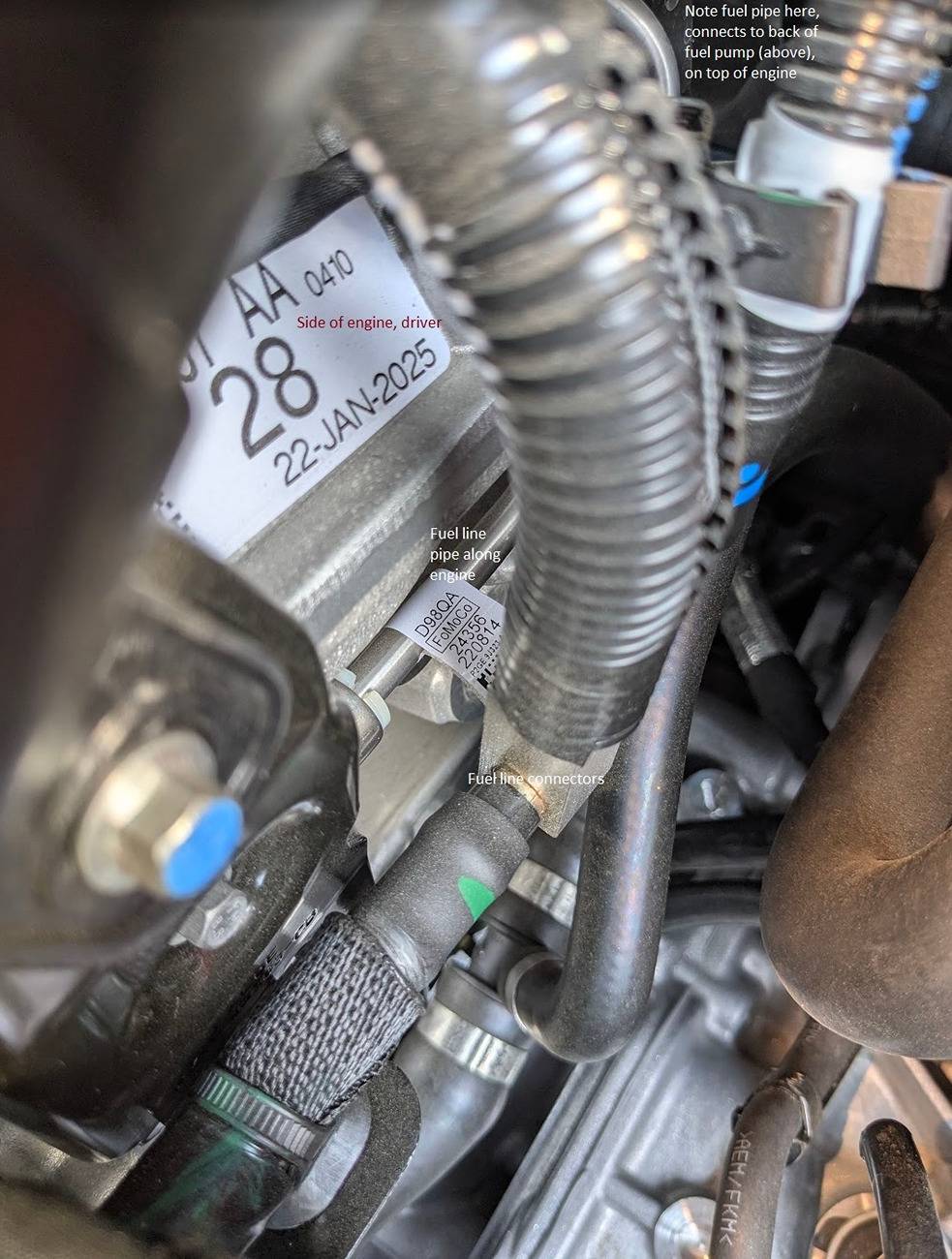
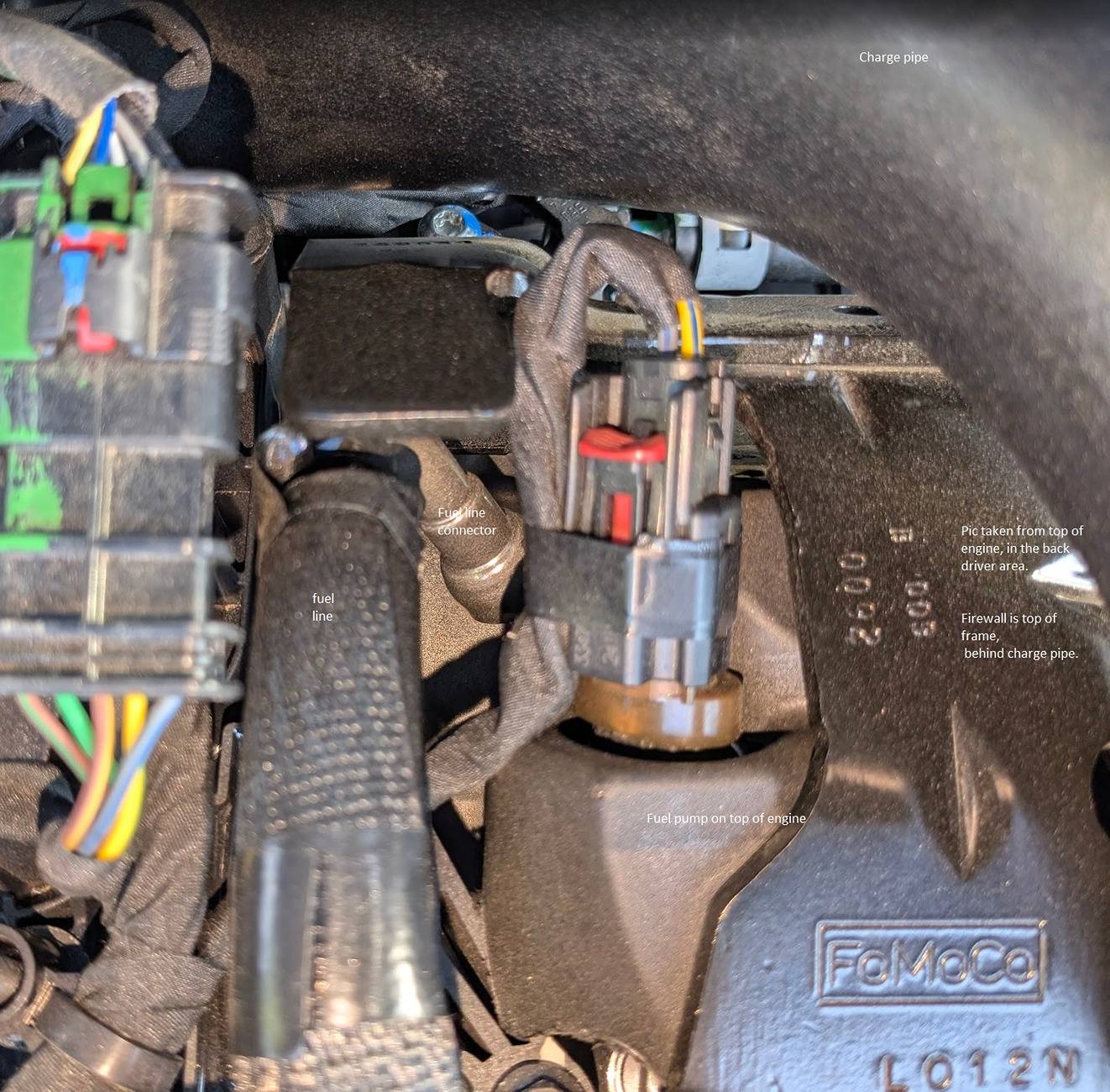
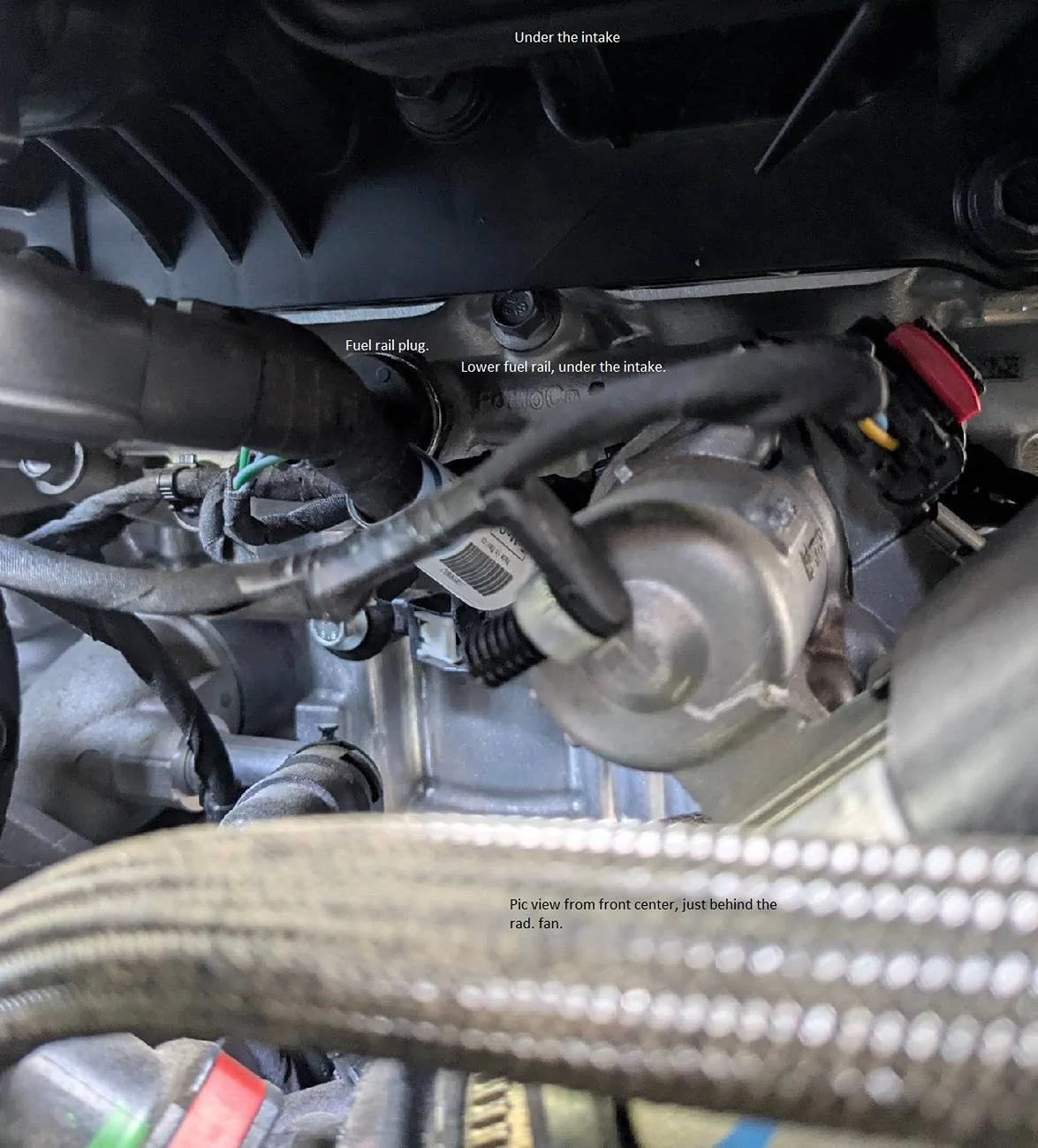
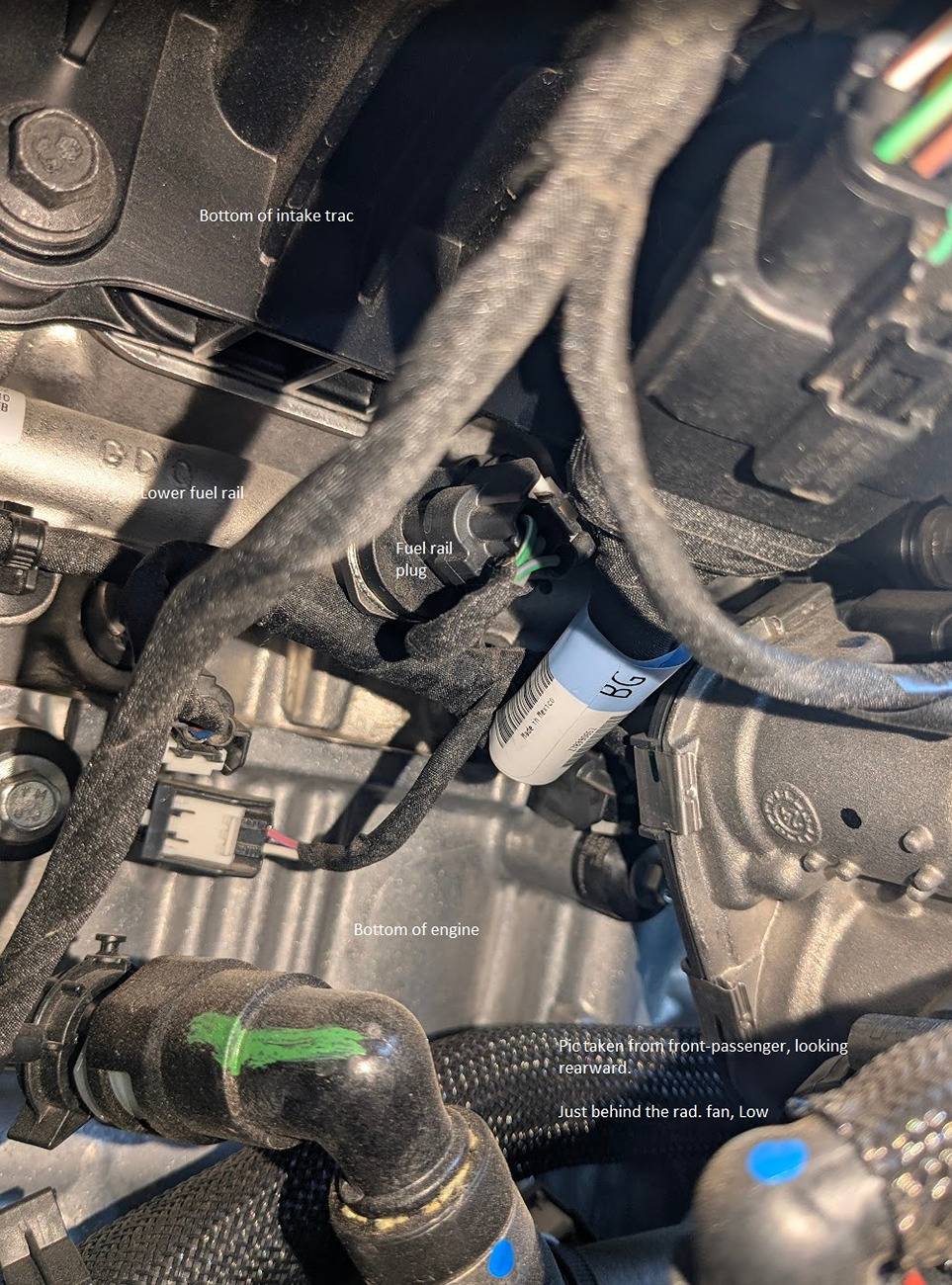
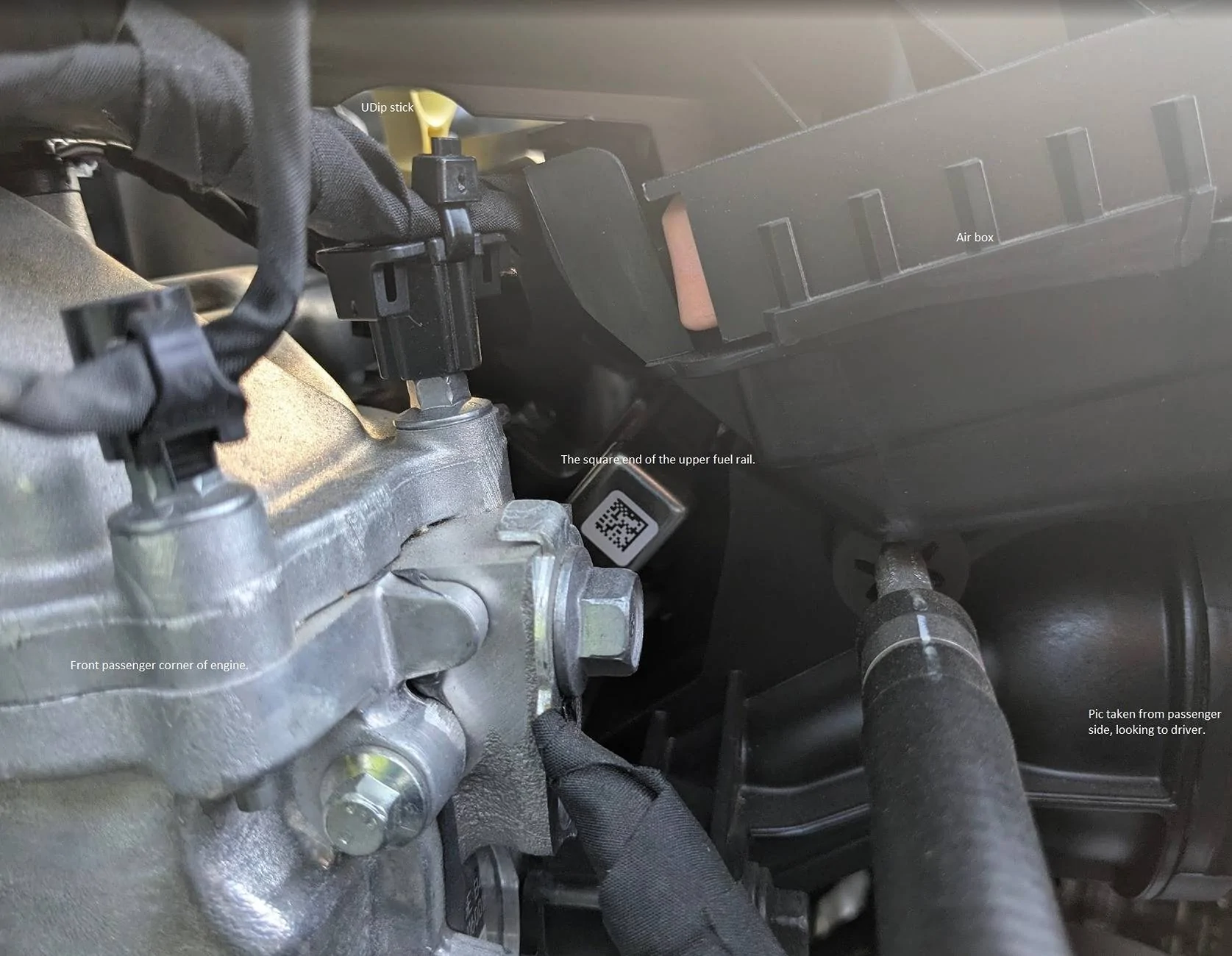
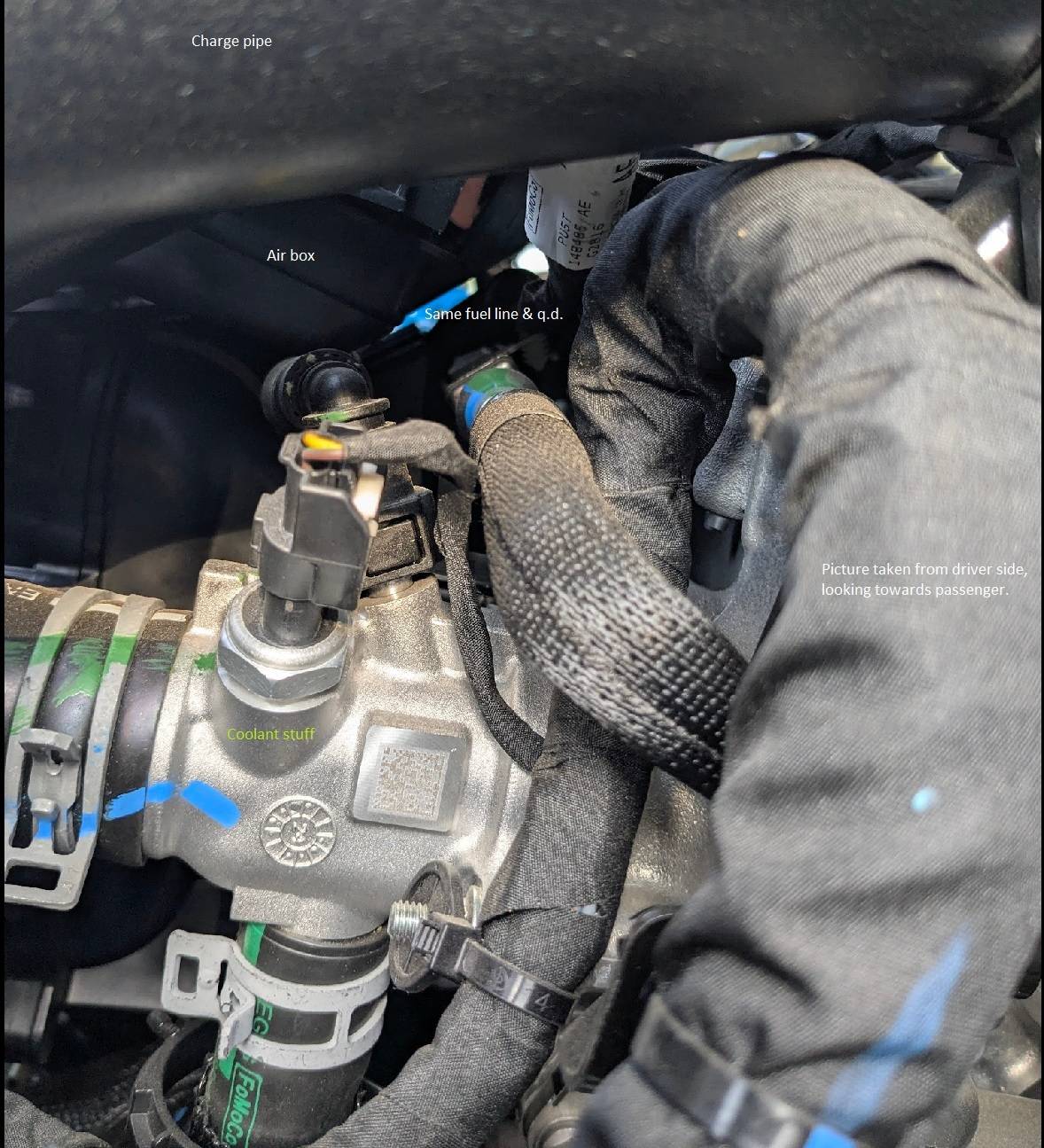
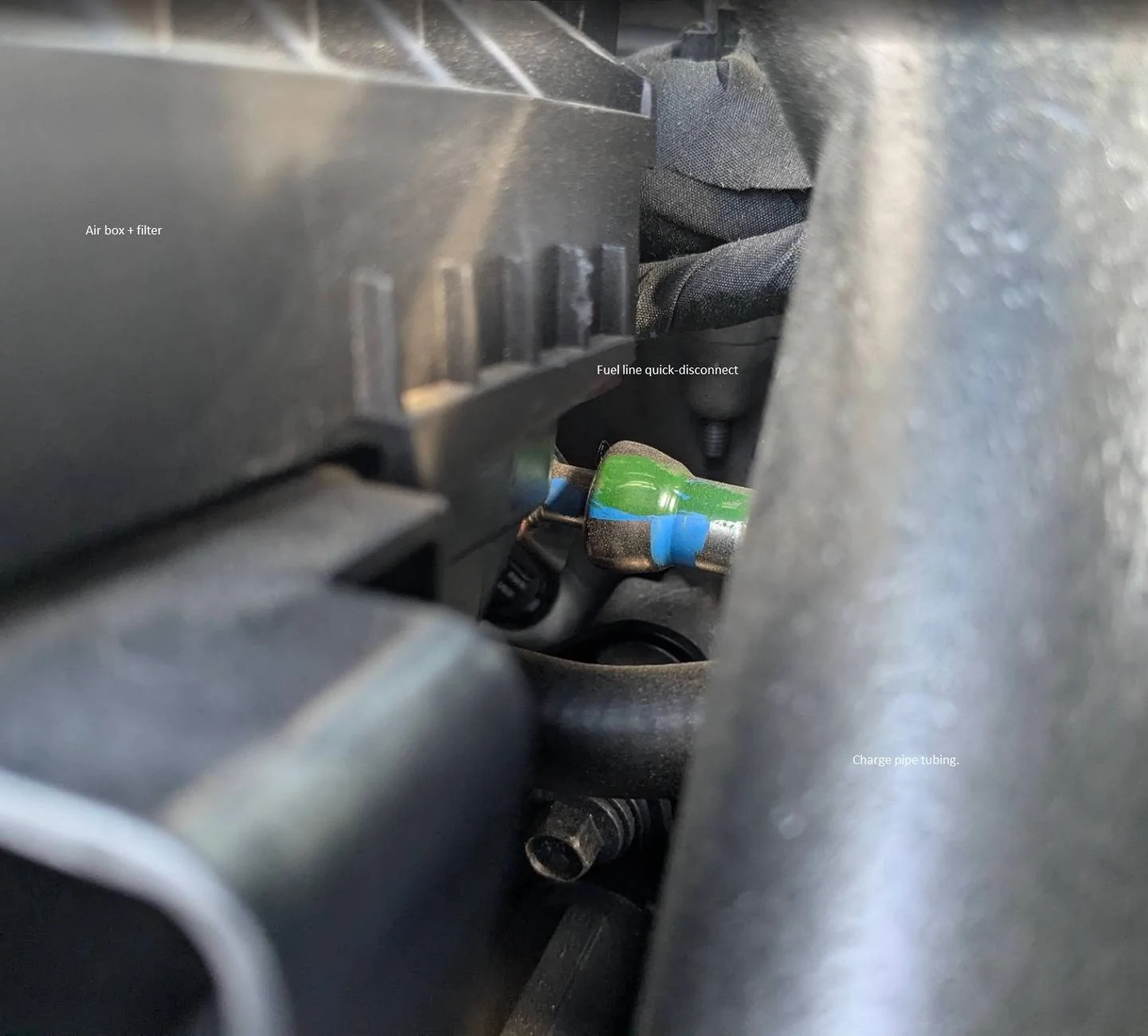
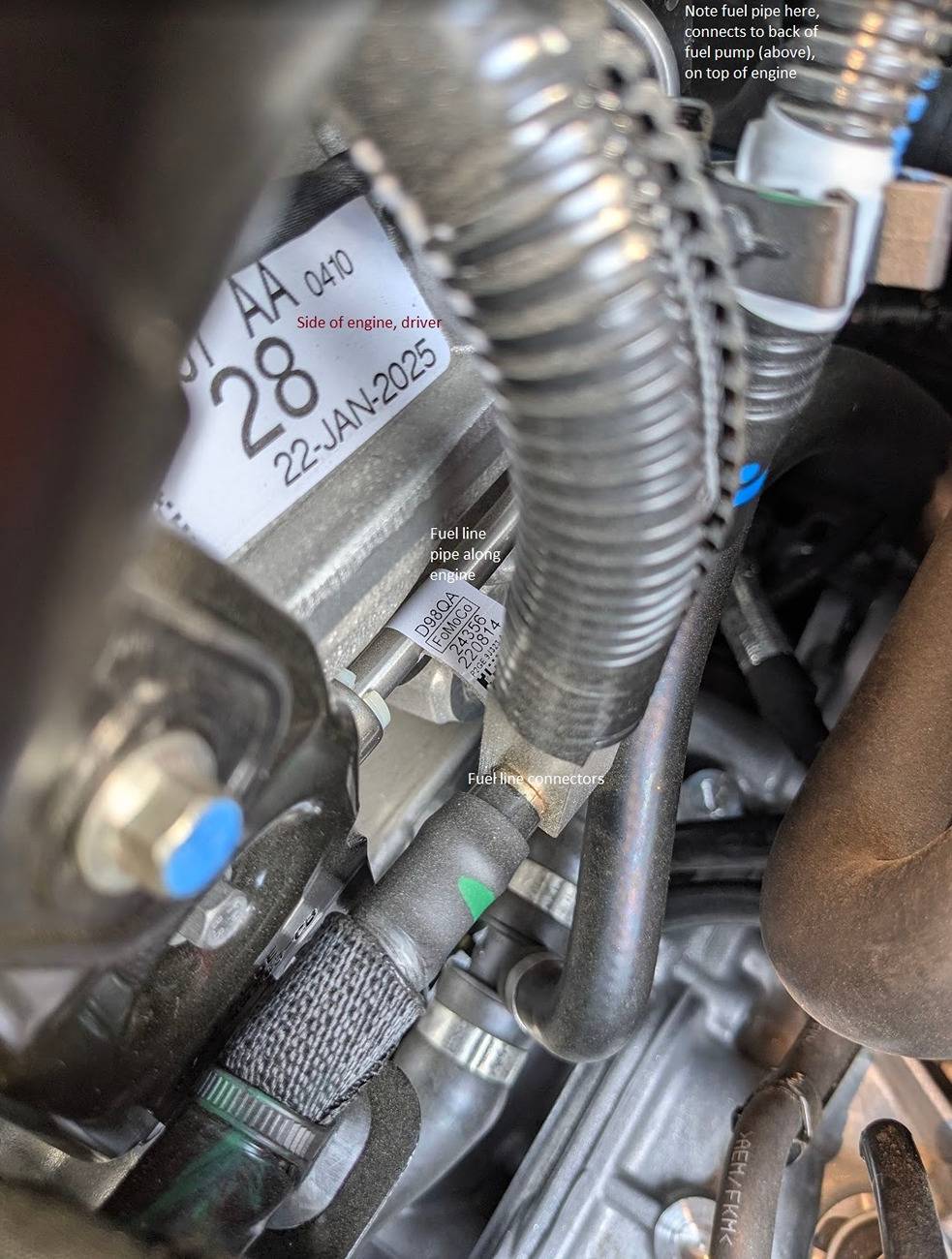
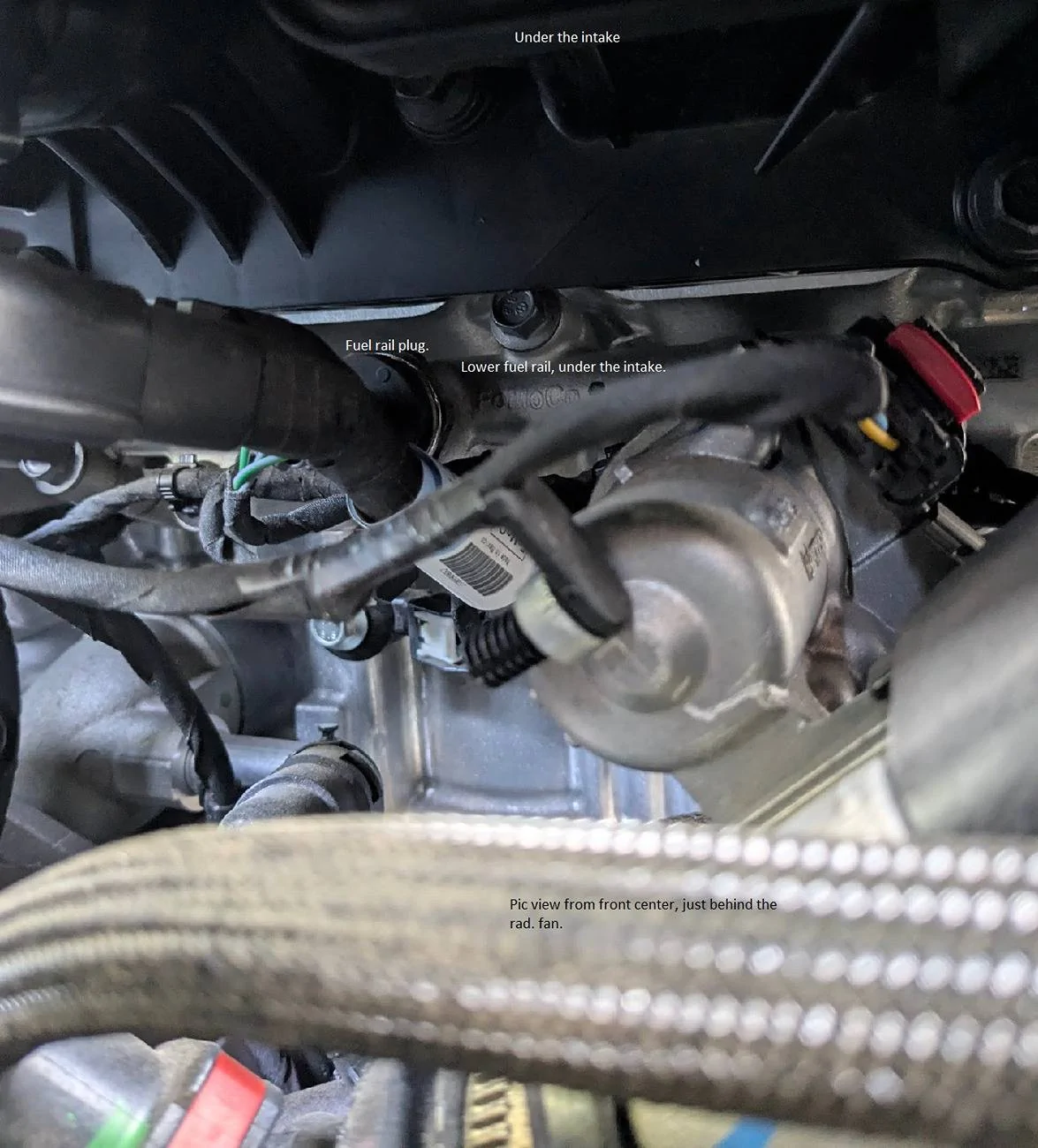
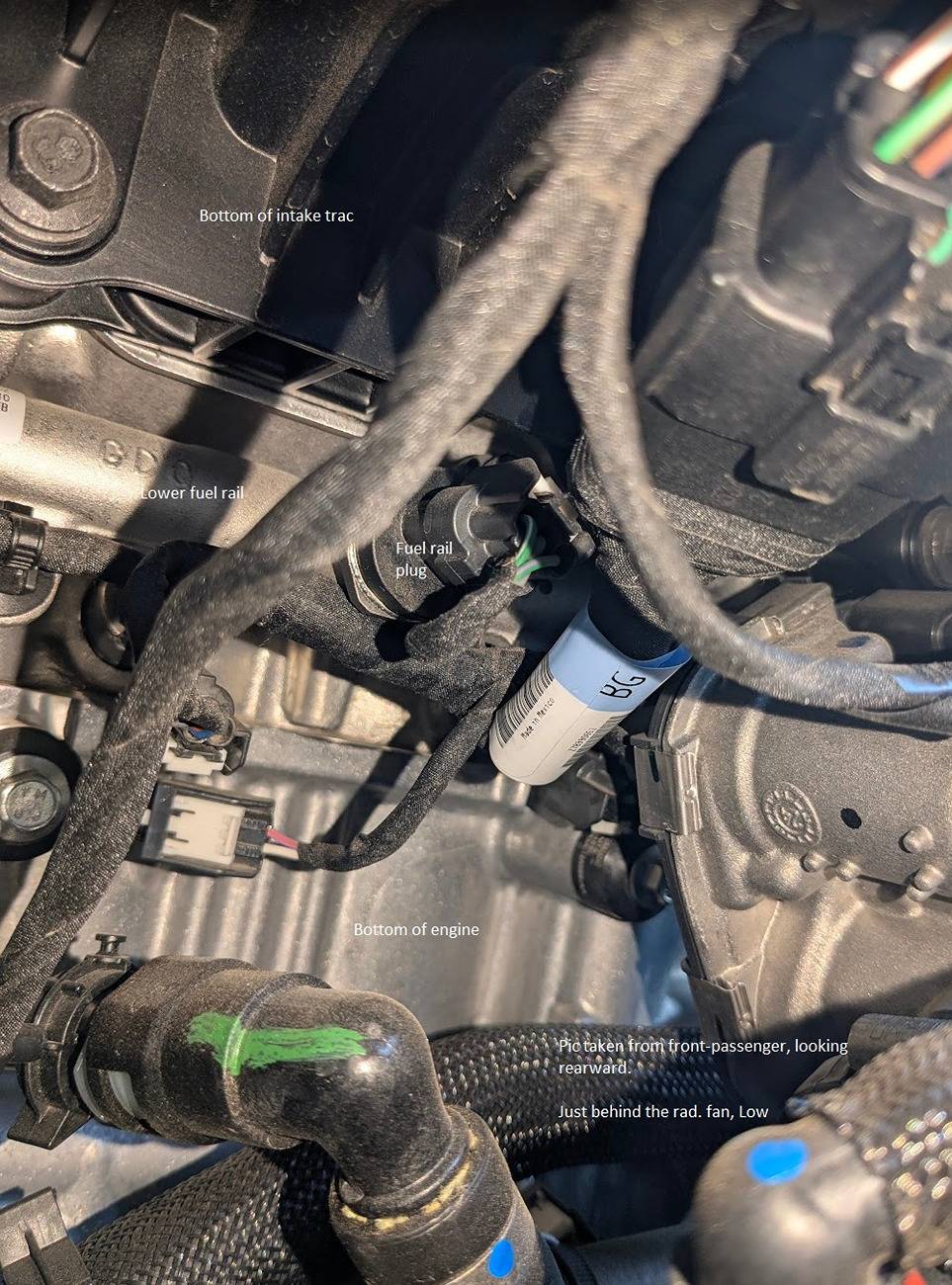
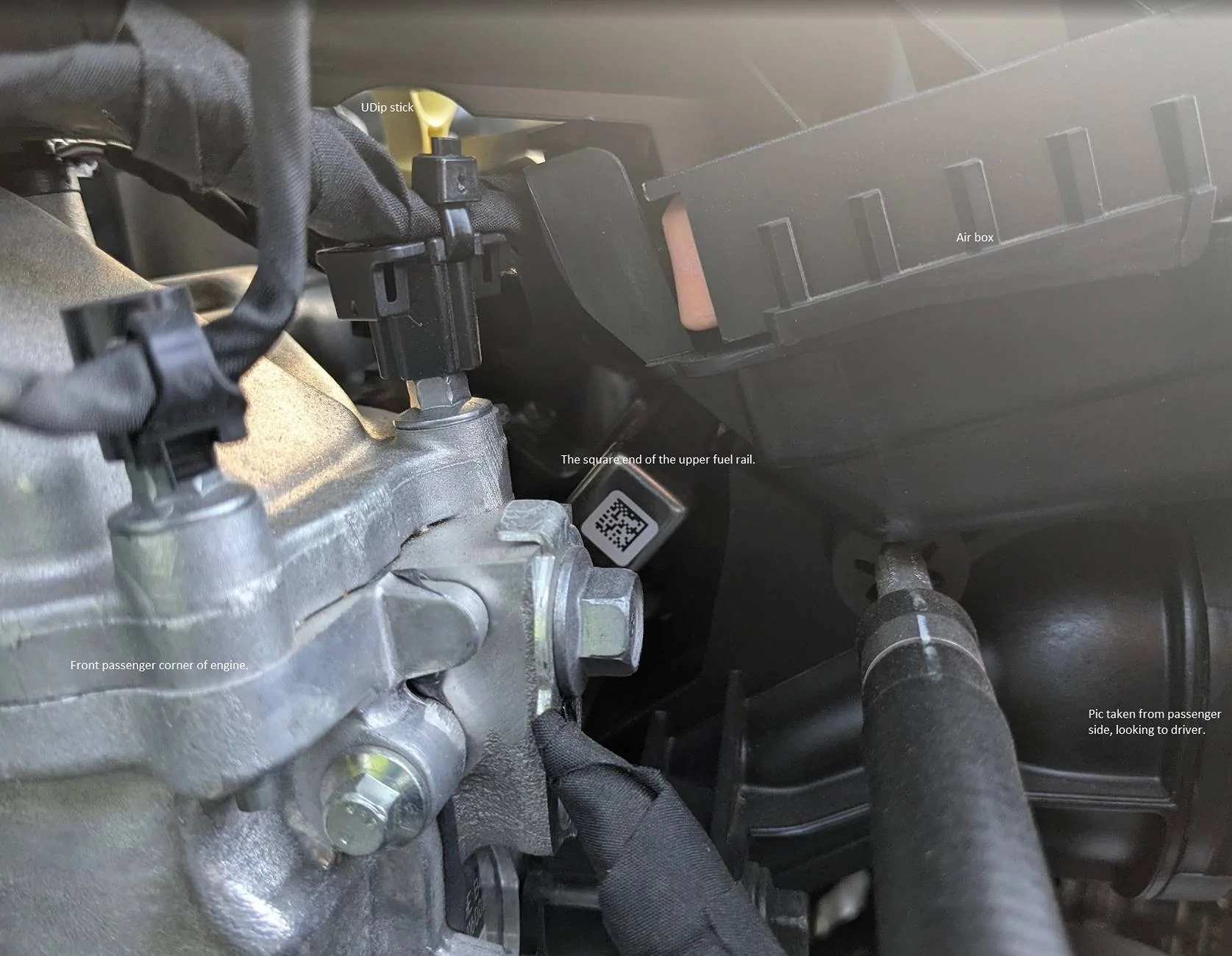
From what I know, a single LSPI event has the potential to destroy an engine. If Ford has linked intake valve fouling to LSPI then it would certainly seem that valve fouling has the potential to scrap an engine. This illustrates the source of my confusion: You say that Ford added port injection primarily to mitigate intake valve fouling. You also said valve fouling is not a major concern. These two claims seem at odds to me.
This has been my assumption from the start. You often read on forums such as this one how this or that manufacturer scrimps on costs, and designs their products with planned obsolescence; they are meant to hold together only long enough to get through the warranty period. Adding port injection is not an inexpensive redesign, and if you are correct doing so would seem to belie claims that Ford doesn't care about the long-term durability of its products.
Whatever the reason, it's a welcome design change, whether you believe Ford is fixing an old problem or improving an already good design. Thanks for the civil discussion.
Sponsored
Last edited: