

- First Name
- Steve
- Joined
- Sep 14, 2022
- Threads
- 11
- Messages
- 123
- Reaction score
- 224
- Location
- Maryland USA
- Vehicle(s)
- 2018 Silverado, 2025 Eruption Green Lariat Hybrid
- Engine
- 2.5L Hybrid
- Thread starter
- #1
Okay, I've been seeing a lot of posts on Social Media about gas mileage going down. Let me help clear things up for you, if you are one of the folks asking. There are a few things in play here that are affecting your gas mileage.
1) Temperature is huge, (not even talking about the heater yet). To get the optimum efficiency from each firing of the spark plug, there is a fuel to air ratio that must be met. When the air is colder, it is more dense, that means more fuel has to be added to the mixture to meet that ratio. This is why in older cars, (think before fuel injection) performance suffered in the really cold, and or really hot. Jetting on the carbs was set, and you really couldn't change the fuel amount introduced into the mixture. Now that we have fuel injection, the computer gets all kind of information including Outside Air Temp, Barometric Pressure among these things. It then adjusts the timing on the injectors to ensure the proper fuel to air ratios. When you first started cars back in the "day", they ran on "high idle", this was because the choke was "set". The choke was a metal flap in the carburetor throat, that artificially reduced the airflow, effectively increasing the fuel in the fuel to air ratio. Fuel injected engines do run at a slightly higher RPM for a few seconds, then quickly drop to near normal RPMs, because they can make minute adjustments to the fuel amounts to keep the ratio where it needs to be, without the higher RPMs, but it is still more fuel. Colder weather=more fuel, less mpgs.
2) Heater- Our hybrids will run the ICE, (Internal Combustion Engine) to create heat in the Coolant for the HVAC heater. When the HVAC is off, the ICE will shutdown at a lower coolant temp. This temperature changes with the OAT. I've note mine will shut the ICE down around 100 degrees if the OAT is 70 or higher, and the HVAC is OFF. When the OAT drops to 60 or so, the ICE will run until the coolant reaches 108 to 112 or so. 50 degrees keeps the ICE on until around 122-125 degrees, and then lower than 45 the ICE will run until around 132 degrees. If your heater is on, it does 2 things, 1st your heater core actually acts as a mini-radiator, draining heat off the coolant, causing the ICE to run sooner, and more to maintain whatever temp it is looking for, AND it seems to raise those target coolant temps by 5 to 8 degrees.
3) It takes the ICE longer to warm up because of the colder air, and air flow around the engine compartment, and this also causes the coolant temp to drop more quickly, making it hit those lower end temps that make the ECM restart the ICE.
4) The final item that plays a role, (probably a bigger role than most people recognize) is the affect colder air has on your tire pressures. Colder temps, make the air more dense, lowering tire PSI, (see #1). Driving with your tire PSI 20% low, can reduce your MPG by as much as 10%, (Mavericks PSI should be 35, when the tires are cold, so if your tires are at 28 PSI, that's 20% low). If you are driving with your tires at 28 PSI or lower, and you were getting 40 mpg in the summer, that tire pressure alone could cause you to drop to 36 mpg, then add in the other factors, and you can lose 10-12 mpg very easily.
The one other more minor thing is your use of seat and steering wheel heat. They draw power, which helps to deplete the HV battery more quickly, causing the ICE to run more to maintain the proper level of charge.
All vehicles get lower mpg in the colder weather, especially if the cold is extreme, but hybrids, (and electrics), are affected much more.
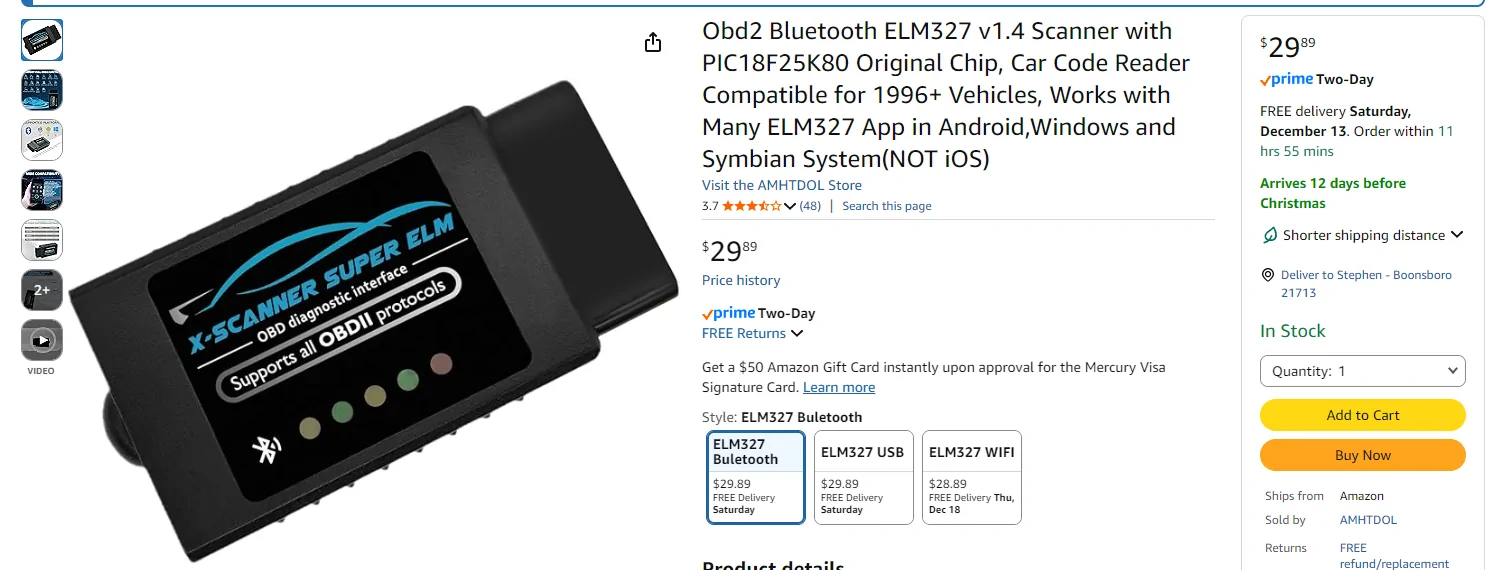
I get this information from observation of my own 2 hybrid Mavs, a 2025 AWD Lariat with 4k, and a 2023 FWD XLT Lux. I'm a "numbers nerd", so I use an OBD monitor that pulls data for many different metrics, and displays it on an app on my phone. I look at HV Battery Level of Charge, OAT, Barometric Pressure, ICE RPMs, ICE Actual Torque Provided, MPH, 12 VDC Battery Level of Charge, Engine Coolant Temps, and Throttle Position. I log this data, and % EV for each trip. During the warmer weather my commute trips, (about 50 miles each way) run 43-50% EV on average, now with morning temps in the 30's I see an average % EV of about 23-25%. Afternoon temps in the upper 30's and 40's I see an EV margin of about 29-31%. maybe as high as 33 or 34%. These factors have seen my mpg drop from the 39-41 mpg range down to about 31-32 mpg.
I hope this helps those who are wondering about this.
1) Temperature is huge, (not even talking about the heater yet). To get the optimum efficiency from each firing of the spark plug, there is a fuel to air ratio that must be met. When the air is colder, it is more dense, that means more fuel has to be added to the mixture to meet that ratio. This is why in older cars, (think before fuel injection) performance suffered in the really cold, and or really hot. Jetting on the carbs was set, and you really couldn't change the fuel amount introduced into the mixture. Now that we have fuel injection, the computer gets all kind of information including Outside Air Temp, Barometric Pressure among these things. It then adjusts the timing on the injectors to ensure the proper fuel to air ratios. When you first started cars back in the "day", they ran on "high idle", this was because the choke was "set". The choke was a metal flap in the carburetor throat, that artificially reduced the airflow, effectively increasing the fuel in the fuel to air ratio. Fuel injected engines do run at a slightly higher RPM for a few seconds, then quickly drop to near normal RPMs, because they can make minute adjustments to the fuel amounts to keep the ratio where it needs to be, without the higher RPMs, but it is still more fuel. Colder weather=more fuel, less mpgs.
2) Heater- Our hybrids will run the ICE, (Internal Combustion Engine) to create heat in the Coolant for the HVAC heater. When the HVAC is off, the ICE will shutdown at a lower coolant temp. This temperature changes with the OAT. I've note mine will shut the ICE down around 100 degrees if the OAT is 70 or higher, and the HVAC is OFF. When the OAT drops to 60 or so, the ICE will run until the coolant reaches 108 to 112 or so. 50 degrees keeps the ICE on until around 122-125 degrees, and then lower than 45 the ICE will run until around 132 degrees. If your heater is on, it does 2 things, 1st your heater core actually acts as a mini-radiator, draining heat off the coolant, causing the ICE to run sooner, and more to maintain whatever temp it is looking for, AND it seems to raise those target coolant temps by 5 to 8 degrees.
3) It takes the ICE longer to warm up because of the colder air, and air flow around the engine compartment, and this also causes the coolant temp to drop more quickly, making it hit those lower end temps that make the ECM restart the ICE.
4) The final item that plays a role, (probably a bigger role than most people recognize) is the affect colder air has on your tire pressures. Colder temps, make the air more dense, lowering tire PSI, (see #1). Driving with your tire PSI 20% low, can reduce your MPG by as much as 10%, (Mavericks PSI should be 35, when the tires are cold, so if your tires are at 28 PSI, that's 20% low). If you are driving with your tires at 28 PSI or lower, and you were getting 40 mpg in the summer, that tire pressure alone could cause you to drop to 36 mpg, then add in the other factors, and you can lose 10-12 mpg very easily.
The one other more minor thing is your use of seat and steering wheel heat. They draw power, which helps to deplete the HV battery more quickly, causing the ICE to run more to maintain the proper level of charge.
All vehicles get lower mpg in the colder weather, especially if the cold is extreme, but hybrids, (and electrics), are affected much more.
I get this information from observation of my own 2 hybrid Mavs, a 2025 AWD Lariat with 4k, and a 2023 FWD XLT Lux. I'm a "numbers nerd", so I use an OBD monitor that pulls data for many different metrics, and displays it on an app on my phone. I look at HV Battery Level of Charge, OAT, Barometric Pressure, ICE RPMs, ICE Actual Torque Provided, MPH, 12 VDC Battery Level of Charge, Engine Coolant Temps, and Throttle Position. I log this data, and % EV for each trip. During the warmer weather my commute trips, (about 50 miles each way) run 43-50% EV on average, now with morning temps in the 30's I see an average % EV of about 23-25%. Afternoon temps in the upper 30's and 40's I see an EV margin of about 29-31%. maybe as high as 33 or 34%. These factors have seen my mpg drop from the 39-41 mpg range down to about 31-32 mpg.
I hope this helps those who are wondering about this.
Sponsored