
Sponsored

Fuel Type and carbon buildup on the valves

Koolflyer

2.0L EcoBoost
Member
First Name
Lee
Joined
Mar 6, 2026
Threads
3
Messages
5
Reaction score
9
Location
kansas city, MO
Vehicle(s)
2026 Ford Maverick
Engine
2.0L EcoBoost
There have been numerous threads on here about ethanol free and ethanol blended fuel when it comes to cost vs better MPG and if it's worth it. But, I'm only concerned about what's best for my valves on a 2.0 ecoboost engine.
Does anyone know which is better in reducing carbon buildup on my valves. If you compare the same octane rating (91 octane E-free vs 91 octane E10), would there be a potential difference in carbon buildup?
Sponsored


 

Cherokee

2.0L EcoBoost
Well-known member
Joined
Jan 3, 2025
Threads
49
Messages
3,686
Reaction score
6,871
Location
North Carolina
Vehicle(s)
2004 Ford Escape Platinum, 2024 Ford Maverick Lariat 2.0L AWD
Engine
2.0L EcoBoost
Italian tune ups.

Drive it like you stole it a couple times a month. It’s easy to hold high rpm’s if you put it in low when your at a dead stop then,
wag the tach, Around Five grand on the tach should do it.

Every time my average fuel mileage gets up around 28-29 it’s time.
Proper Italian tunes ups keep my average down closer to 26-27 mpg.
I’d say I get after it twice a month.

This Is The Way.
 

OleFordGuy

2.0L EcoBoost
Well-known member
First Name
Craig
Joined
Dec 5, 2021
Threads
38
Messages
3,768
Reaction score
5,897
Location
Alabama
Vehicle(s)
11 F150 Lariat, 24 Expedition Limited, 22 Mav Lariat AWD
Engine
2.0L EcoBoost
IMO just maintain the vehicle well, use only Tier 1 fuel brands, change the oil every 5k miles or so.
I would agree with the Italian tune up, it’s old school but there is some truth/value to it.
Assuming using a quality fuel you shouldn’t have a concern until 150-200k miles. When the performance gets sluggish have the heads removed and cleaned. It’s not a major task/expense for a good mechanic
 

scharris99

2.0L EcoBoost
Well-known member
Joined
Mar 31, 2025
Threads
0
Messages
125
Reaction score
197
Location
Daytona Beach
Vehicle(s)
2025 Maverick XLT
Engine
2.0L EcoBoost
There have been numerous threads on here about ethanol free and ethanol blended fuel when it comes to cost vs better MPG and if it's worth it. But, I'm only concerned about what's best for my valves on a 2.0 ecoboost engine.
Does anyone know which is better in reducing carbon buildup on my valves. If you compare the same octane rating (91 octane E-free vs 91 octane E10), would there be a potential difference in carbon buildup?
Your 26 has both port & direct injection and won't suffer from the carbon build-up of the 22-24 which were purely direct injection. As long as you buy top tier fuel, or add your own Techron (or similar) you shouldn't have an issue.
 

Billinwnc

2.5L Hybrid
Member
First Name
Bill
Joined
Oct 10, 2025
Threads
0
Messages
11
Reaction score
14
Location
Brevard, NC
Vehicle(s)
I have a hybrid Lariat on order
Engine
2.5L Hybrid
There have been numerous threads on here about ethanol free and ethanol blended fuel when it comes to cost vs better MPG and if it's worth it. But, I'm only concerned about what's best for my valves on a 2.0 ecoboost engine.
Does anyone know which is better in reducing carbon buildup on my valves. If you compare the same octane rating (91 octane E-free vs 91 octane E10), would there be a potential difference in carbon buildup?
As was previously mentioned, your engine has both port and direct injection and should not have the traditional problem with carbon buildup on the intake valves. Alcohol free gas is more stable and for that reason I use it in small two & four cycle engines. Apparently it also inherently creates less deposits so there could be some advantages in using it in vehicles. Gemini responds to the question with the following advice:

Yes, alcohol-free (ethanol-free) fuel generally leaves fewer harmful deposits than fuel with alcohol added, primarily by avoiding the chemical reactions caused by ethanol. While ethanol itself burns cleanly, its interaction with moisture and its properties as a solvent often lead to significant residue and deposit issues in fuel systems.

You will have to decide whether it's advantages outweigh the significant extra cost beyond that of regular top tier fuel.
 

Sponsored

CaliMav68

2.0L EcoBoost
Well-known member
First Name
JL
Joined
Dec 14, 2025
Threads
5
Messages
159
Reaction score
239
Location
Ohio
Vehicle(s)
2022 Maverick Lariat AWD EB
Engine
2.0L EcoBoost
All that and steer clear of ethanol.
 

Cherokee

2.0L EcoBoost
Well-known member
Joined
Jan 3, 2025
Threads
49
Messages
3,686
Reaction score
6,871
Location
North Carolina
Vehicle(s)
2004 Ford Escape Platinum, 2024 Ford Maverick Lariat 2.0L AWD
Engine
2.0L EcoBoost
Your 26 has both port & direct injection and won't suffer from the carbon build-up of the 22-24 which were purely direct injection. As long as you buy top tier fuel, or add your own Techron (or similar) you shouldn't have an issue.
I personally know two Ecoboosters with 2022’s and one on a 23
Two engines are near 150,000 and one is 120,000,

Not one ever gets the Italian tunes ups and not one has had any performance issues what so ever.
Only one, the 23 hunts top tier fuel.

Fwiw,
The company has seven hybrids all past 100,000 miles and not a single problem.
 

Bret Grabber

2.0L EcoBoost
Well-known member
First Name
Mike
Joined
Dec 8, 2024
Threads
4
Messages
88
Reaction score
205
Location
DeKalb, IL
Vehicle(s)
2024 Maverick Lariat (Grabber Tribute)
Engine
2.0L EcoBoost
I've written articles on ethanol as a racing fuel, first published in 2005. Did a LOT of research in the process with lots of ongoing testing in both carbureted and electronic fuel injected vehicles.

Ethanol only leaves deposits if it evaporates. It is my carb cleaner (E85) of choice as it strips varnishes and other crappola as good or better than Gumout or the more caustic carb soaks. And... it's really cheap in comparison!

While seeing about a 2 mpg drop in overall economy, Brett runs like Jack the Bear on E30 and I know it's keeping that nasty stuff out of the lines, pump and injectors in the process. I also use a bottle of Techron every 10K miles in a full tank of gas. It's also that tank that I'll run below a quarter full, otherwise I fill between a quarter and half at least! The more in the tank, the less opportunity for condensation and "Phaze Separation". The turbos and computer tuning love the slow burn and higher octane of the additional ethanol. But, more power and fun do come with a price, though the reduced purchase cost almost breaks even in cost per mile.

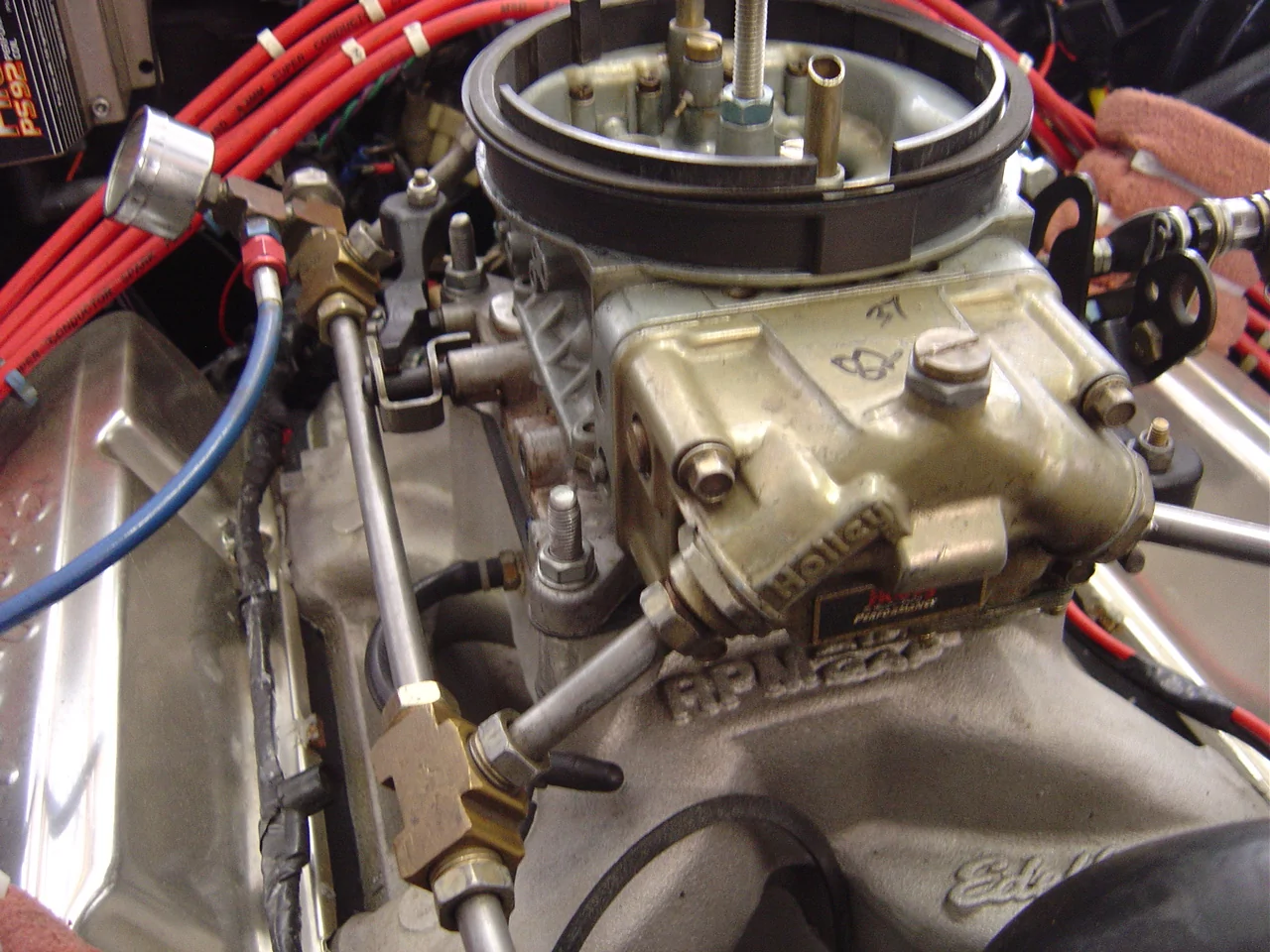
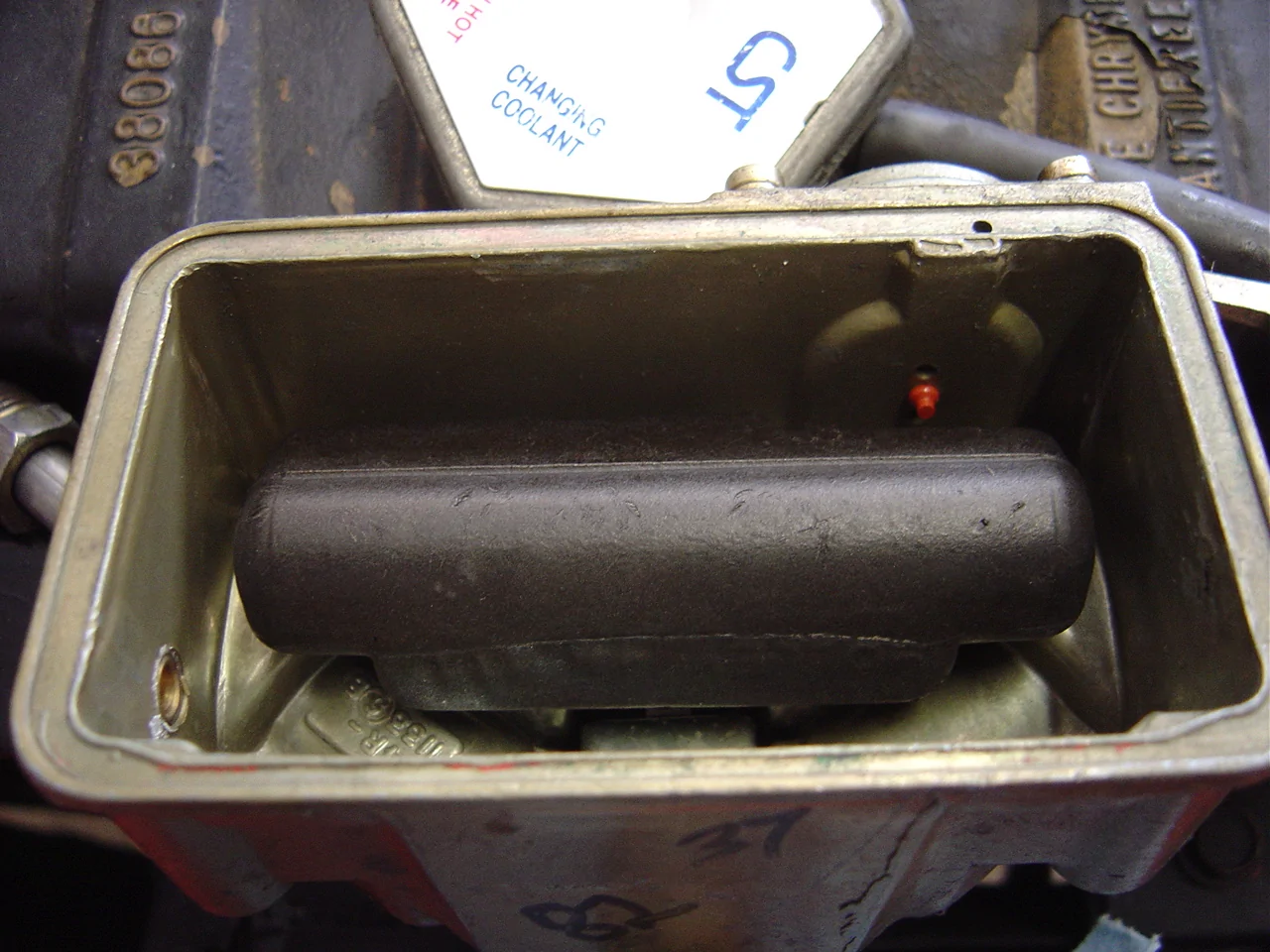
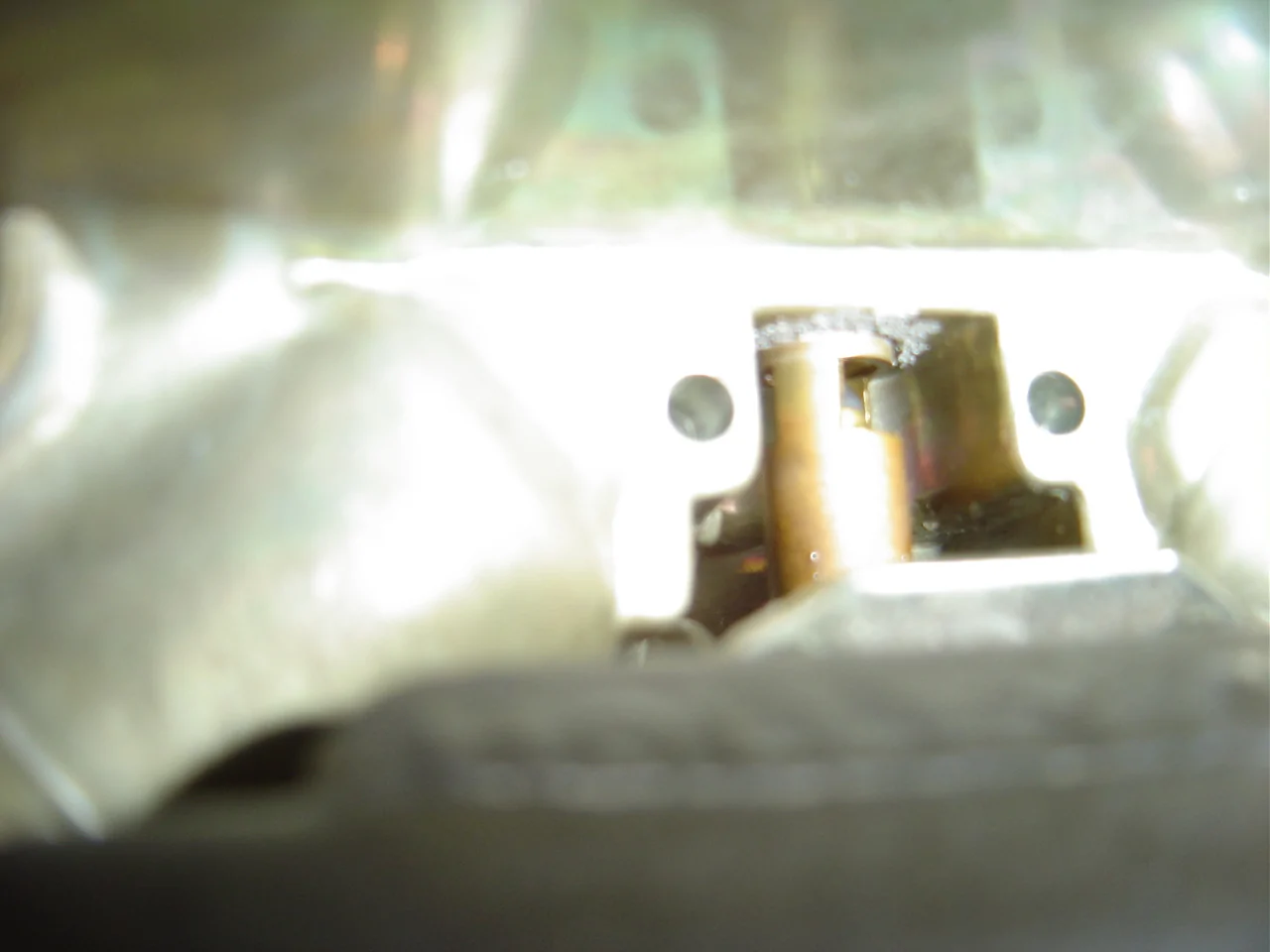
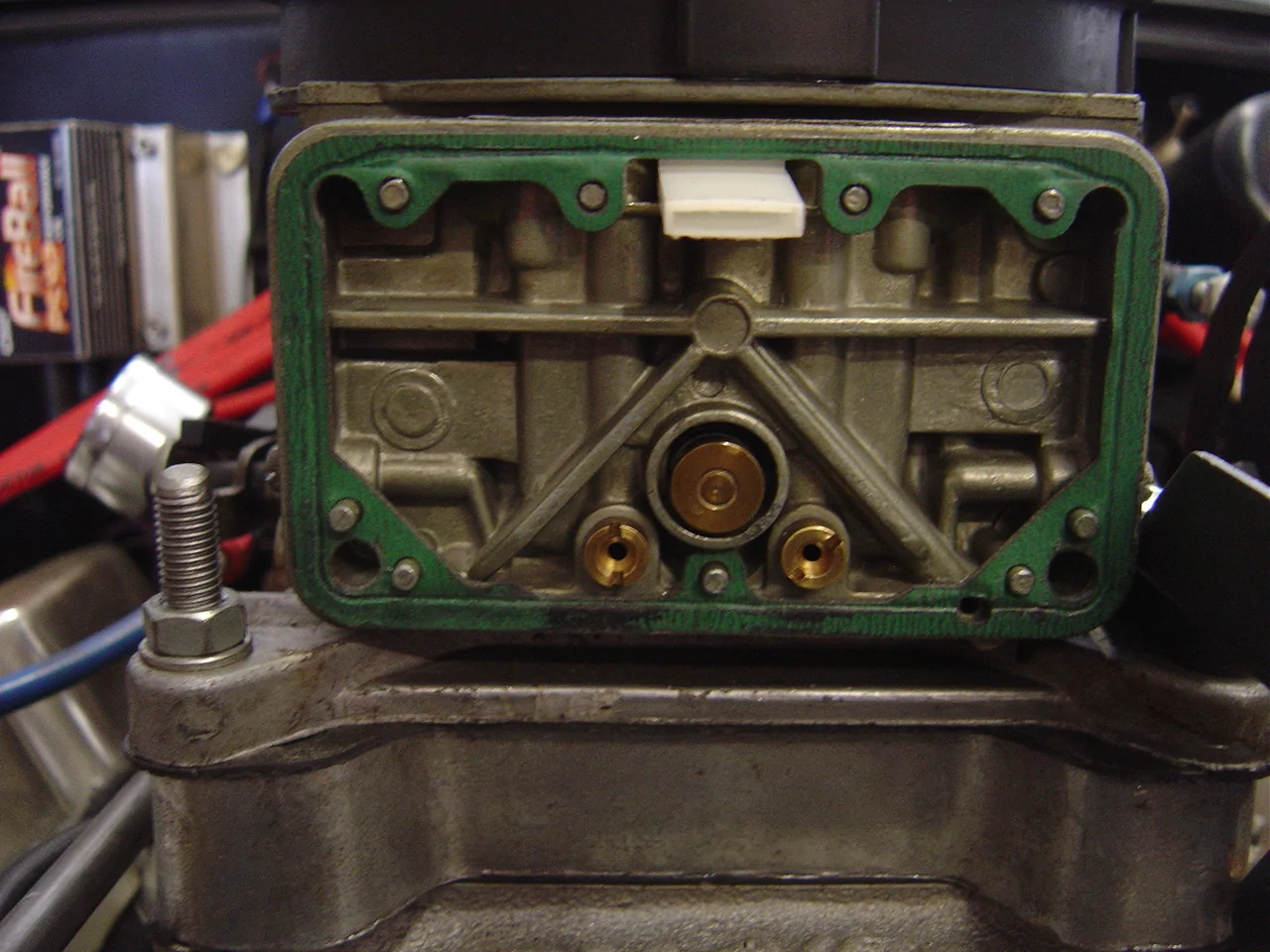
Ran it first in my 74 Cuda in the original tank, stock rubber hoses and mechanical fuel pump without issue. I did use non cork gaskets, especially on the Holley carburetor as the ethanol will dissolve the solvents in the glue that holds the cork chunks togeter. Ran it from 2005 on street and strip through 2020 when I sold it. I don't know if the collector that bought it converted it back but I did give them all the carb parts needed if they did. Only "problem" I ever had was some white residue in the carb from over winter storage evaporation. Otherwise everything was squeeky clean! (See Photos) Tank was kept full with the cap vent taped over, so no chance of water infusion and no room for Phaze Separation. There are lots of rumors and miss claims out there but most stems from confusion with that other alcohol fuel, Methanol, which is some severely nasty stuff!

Ford Maverick Fuel Type and carbon buildup on the valves DSC03525


Ford Maverick Fuel Type and carbon buildup on the valves DSC03528


Ford Maverick Fuel Type and carbon buildup on the valves DSC03531


Ford Maverick Fuel Type and carbon buildup on the valves DSC03535
Sponsored


Top