

Sponsored

dalola

2.0L EcoBoost
Well-known member
First Name
Retired
Joined
Oct 8, 2021
Threads
15
Messages
2,515
Reaction score
4,277
Location
SE Ohio 🇺🇸
Website
sunsetridgecabinhockinghills.com
Vehicle(s)
'24 Mustang Mach-E P4X, '24 Bronco Big Bend 2Dr Sasquatch, Hot Rods
Engine
2.0L EcoBoost
Interesting thread.... 🤠

Both "sides" present compelling arguments.

However, as I see it, whether you think this is a good idea or not, this setup is not going to push more snow that you could just drive thru, so I really fail to see the point of it. 🤣
 

Glen Baker LLC

2.5L Hybrid
Well-known member
Joined
May 29, 2024
Threads
29
Messages
7,163
Reaction score
11,968
Location
Central Nevada & Utah
Vehicle(s)
Maverick XLT Hybrid
Engine
2.5L Hybrid
Interesting thread.... 🤠

Both "sides" present compelling arguments.

However, as I see it, whether you think this is a good idea or not, this setup is not going to push more snow that you could just drive thru, so I really fail to see the point of it. 🤣
Driving through snow just packs it down on the driveway, leaving ruts.
 

dalola

2.0L EcoBoost
Well-known member
First Name
Retired
Joined
Oct 8, 2021
Threads
15
Messages
2,515
Reaction score
4,277
Location
SE Ohio 🇺🇸
Website
sunsetridgecabinhockinghills.com
Vehicle(s)
'24 Mustang Mach-E P4X, '24 Bronco Big Bend 2Dr Sasquatch, Hot Rods
Engine
2.0L EcoBoost

dochawk

2.5L Hybrid
Well-known member
First Name
doc
Joined
Jul 17, 2024
Threads
34
Messages
1,682
Reaction score
1,575
Location
Las Vegas
Vehicle(s)
hybrid '25 lariat, 4 classic Cadillacs, Miata, mustang gt convertible
Engine
2.5L Hybrid
Clubs
 
lol.... and?? 🤠
as a result, you don't have to turn on lane centering (at least if you don't care about the sidewalks of your tires!)

There is a causal sequence to the effect that modern server racks are that size because that's the size that telephone switching racks were, which in turn depended upon the width of trains (and therefore their tracks), which went back to standard carriage width, which came from the ruts on ancient European roses, which had first been made by Roman chariots. So the size of a modern server rack was determined by roman horses' ***!
 

Sponsored

johnny99

2.0L EcoBoost
Well-known member
First Name
johnny
Joined
Mar 31, 2023
Threads
2
Messages
198
Reaction score
236
Location
indiana
Vehicle(s)
22 maverick lariat awd 360
Engine
2.0L EcoBoost
@dochawk
There is a causal sequence to the effect that modern server racks are that size because that's the size that telephone switching racks were, which in turn depended upon the width of trains (and therefore their tracks), which went back to standard carriage width, which came from the ruts on ancient European roses, which had first been made by Roman chariots. So the size of a modern server rack was determined by roman horses' ***!
lol

False.

This is a variant of the famous "Roman chariots determined the width of the Space Shuttle boosters" legend — entertaining, but the causal chain doesn't actually hold up at any of its key links.

The 19-inch server rack standard traces back to AT&T/Western Electric, who standardized it around 1922 for mounting telephone relay equipment. The width was chosen for practical engineering reasons — it fit the components they were building at the time — not because it was inherited from railroad dimensions.

The railroad part of the story has its own problems. The standard gauge (4'8.5") was popularized by George Stephenson, who adopted it from existing coal tramway gauges in northeast England. Those tramway gauges varied quite a bit and were chosen based on local mining conditions, not traced from Roman road ruts.

And the Roman chariot claim itself is shaky — Roman roads didn't have permanent ruts that dictated all future vehicle widths across Europe. Road surfaces were rebuilt constantly over the centuries, and vehicle widths varied enormously across regions and eras.

So you've got a chain where each individual link is either weak or outright broken. It's one of those stories that feels true because it's a satisfying narrative about path dependence — and path dependence is a real phenomenon — but this particular example is more folklore than history.
 

MaverickDragon

2.5L Hybrid
Well-known member
First Name
Gary
Joined
Nov 9, 2025
Threads
4
Messages
1,137
Reaction score
1,842
Location
Grand Canyon, AZ
Vehicle(s)
2025 Maverick XL Hybrid AWD 4K Tow Package
Engine
2.5L Hybrid
This is a variant of the famous "Roman chariots determined the width of the Space Shuttle boosters" legend — entertaining, but the causal chain doesn't actually hold up at any of its key links.
It's not legend, it's true.

The width of the space shuttle's solid rocket boosters were influenced by the width of two horses' rear ends from historical transportation standards that influenced the design of railways and, subsequently, the rockets which had to be moved via the railroads.

The connection stems from historical transportation standards that influenced railway design.
  • The U.S. standard railroad gauge is 4 feet, 8.5 inches
  • This gauge originated from the width of Roman war chariots, which were designed to accommodate the rear ends of two horses
  • As railways developed, they adopted this width
Impact on Rocket Design
The solid rocket boosters (SRBs) of the space shuttle had to be designed to fit within the constraints of existing railway infrastructure for transportation:
  • The SRBs were manufactured to a diameter constraint that would allow them to be transported by train from the factory to the launch site, which included fitting through tunnels that were sized based on the same historical standards.
The width of the space shuttle's solid rocket boosters is directly linked to the railroad width dimensions which is linked to the historical width of two horse drawn chariots, and then wagons.

Historical transportation practices can and do have lasting effects on modern engineering designs, as in this example, despite your erroneous and undocumented assertion otherwise.
 

dalola

2.0L EcoBoost
Well-known member
First Name
Retired
Joined
Oct 8, 2021
Threads
15
Messages
2,515
Reaction score
4,277
Location
SE Ohio 🇺🇸
Website
sunsetridgecabinhockinghills.com
Vehicle(s)
'24 Mustang Mach-E P4X, '24 Bronco Big Bend 2Dr Sasquatch, Hot Rods
Engine
2.0L EcoBoost

johnny99

2.0L EcoBoost
Well-known member
First Name
johnny
Joined
Mar 31, 2023
Threads
2
Messages
198
Reaction score
236
Location
indiana
Vehicle(s)
22 maverick lariat awd 360
Engine
2.0L EcoBoost
It's not legend, it's true.

The width of the space shuttle's solid rocket boosters were influenced by the width of two horses' rear ends from historical transportation standards that influenced the design of railways and, subsequently, the rockets which had to be moved via the railroads.

The connection stems from historical transportation standards that influenced railway design.
  • The U.S. standard railroad gauge is 4 feet, 8.5 inches
  • This gauge originated from the width of Roman war chariots, which were designed to accommodate the rear ends of two horses
  • As railways developed, they adopted this width
Impact on Rocket Design
The solid rocket boosters (SRBs) of the space shuttle had to be designed to fit within the constraints of existing railway infrastructure for transportation:
  • The SRBs were manufactured to a diameter constraint that would allow them to be transported by train from the factory to the launch site, which included fitting through tunnels that were sized based on the same historical standards.
The width of the space shuttle's solid rocket boosters is directly linked to the railroad width dimensions which is linked to the historical width of two horse drawn chariots, and then wagons.

Historical transportation practices can and do have lasting effects on modern engineering designs, as in this example, despite your erroneous and undocumented assertion otherwise.
yeah? well, my AI's ass can kick your AI's ass.
 
Sponsored

johnny99

2.0L EcoBoost
Well-known member
First Name
johnny
Joined
Mar 31, 2023
Threads
2
Messages
198
Reaction score
236
Location
indiana
Vehicle(s)
22 maverick lariat awd 360
Engine
2.0L EcoBoost
It's not legend, it's true.

blah blah blah despite your erroneous and undocumented assertion otherwise.
and your facts were sourced where? Links? Studies? Data?
 

Mavster Mechanic

2.5L Hybrid
Well-known member
First Name
David
Joined
Jul 29, 2025
Threads
20
Messages
1,685
Reaction score
2,941
Location
USA
Vehicle(s)
Hybrid
Engine
2.5L Hybrid
and your facts were sourced where? Links? Studies? Data?
And TODAY's trucks are the same width as 19th century trains.
FACT

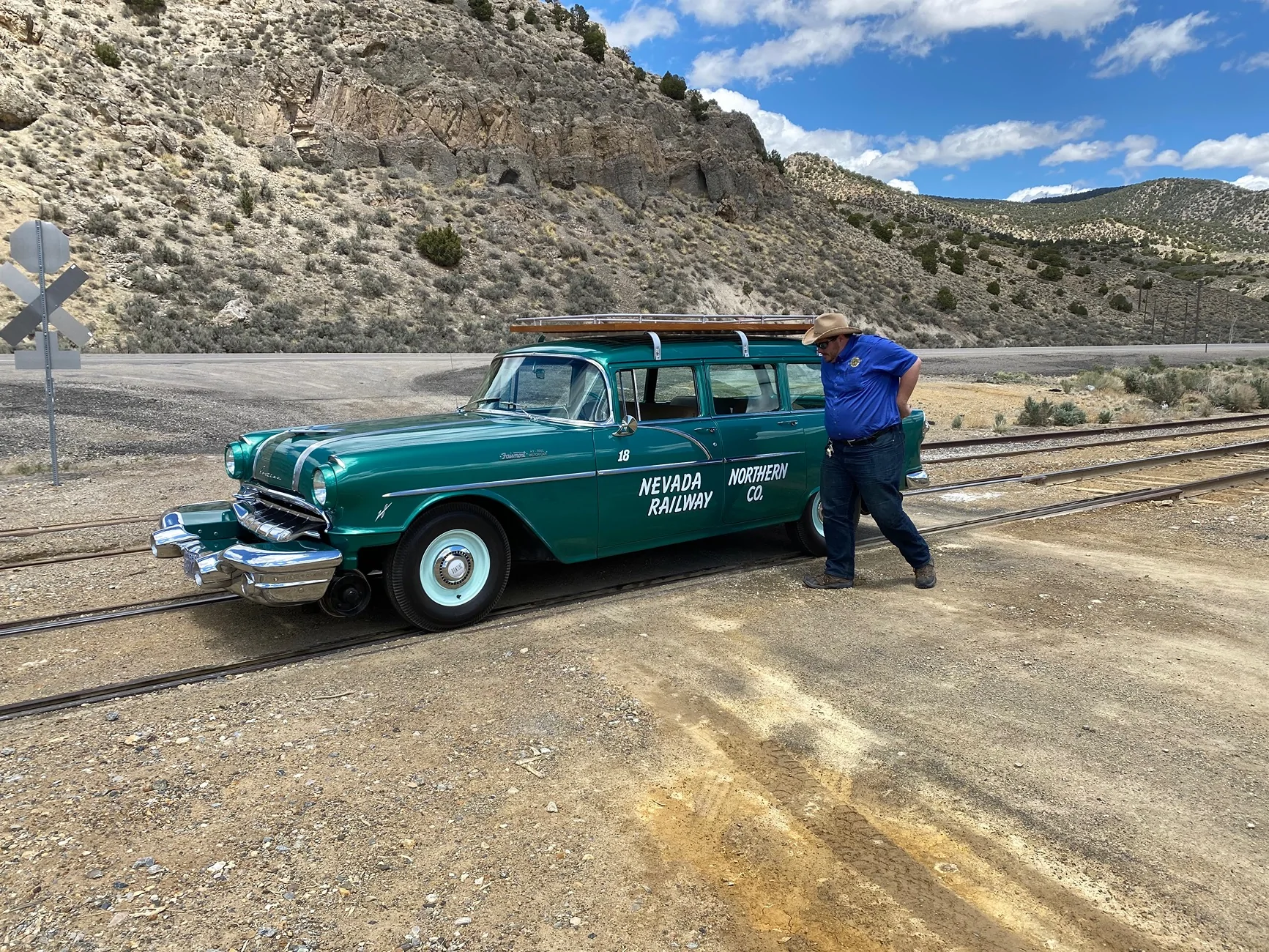
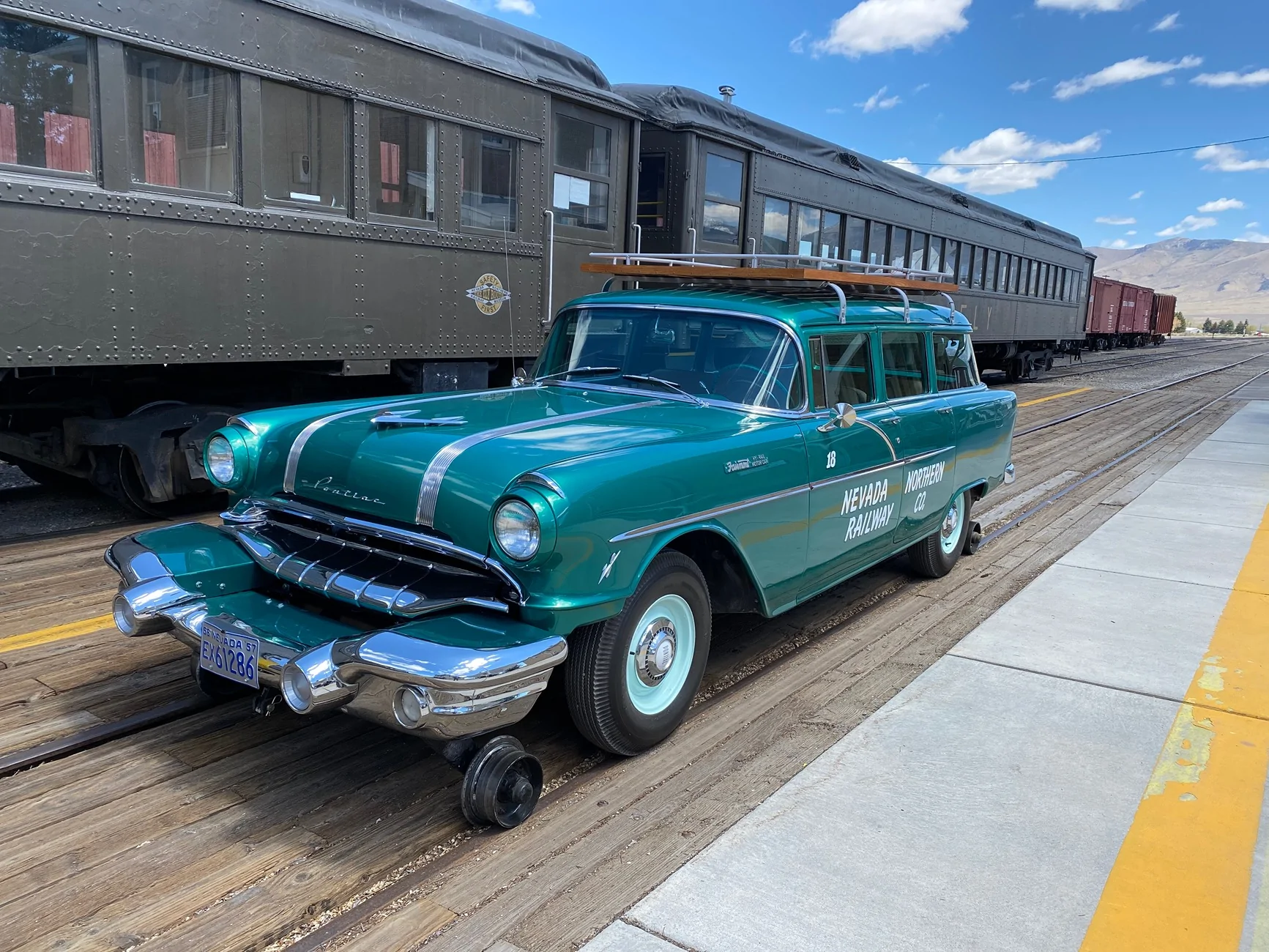
Ford Maverick Rear mounted snow plow installed IMG_7677


Ford Maverick Rear mounted snow plow installed IMG_7678


Ford Maverick Rear mounted snow plow installed IMG_7679


Ford Maverick Rear mounted snow plow installed IMG_7680


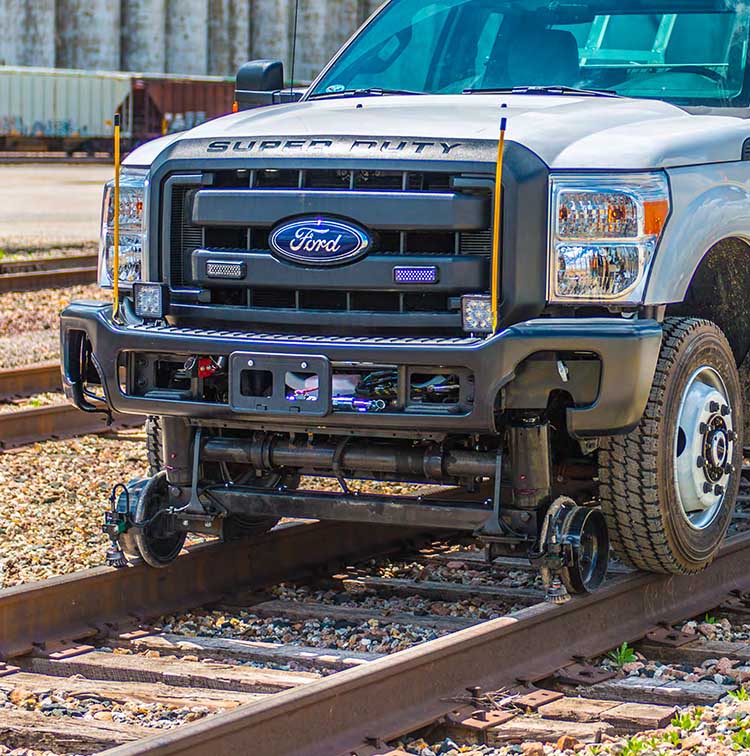
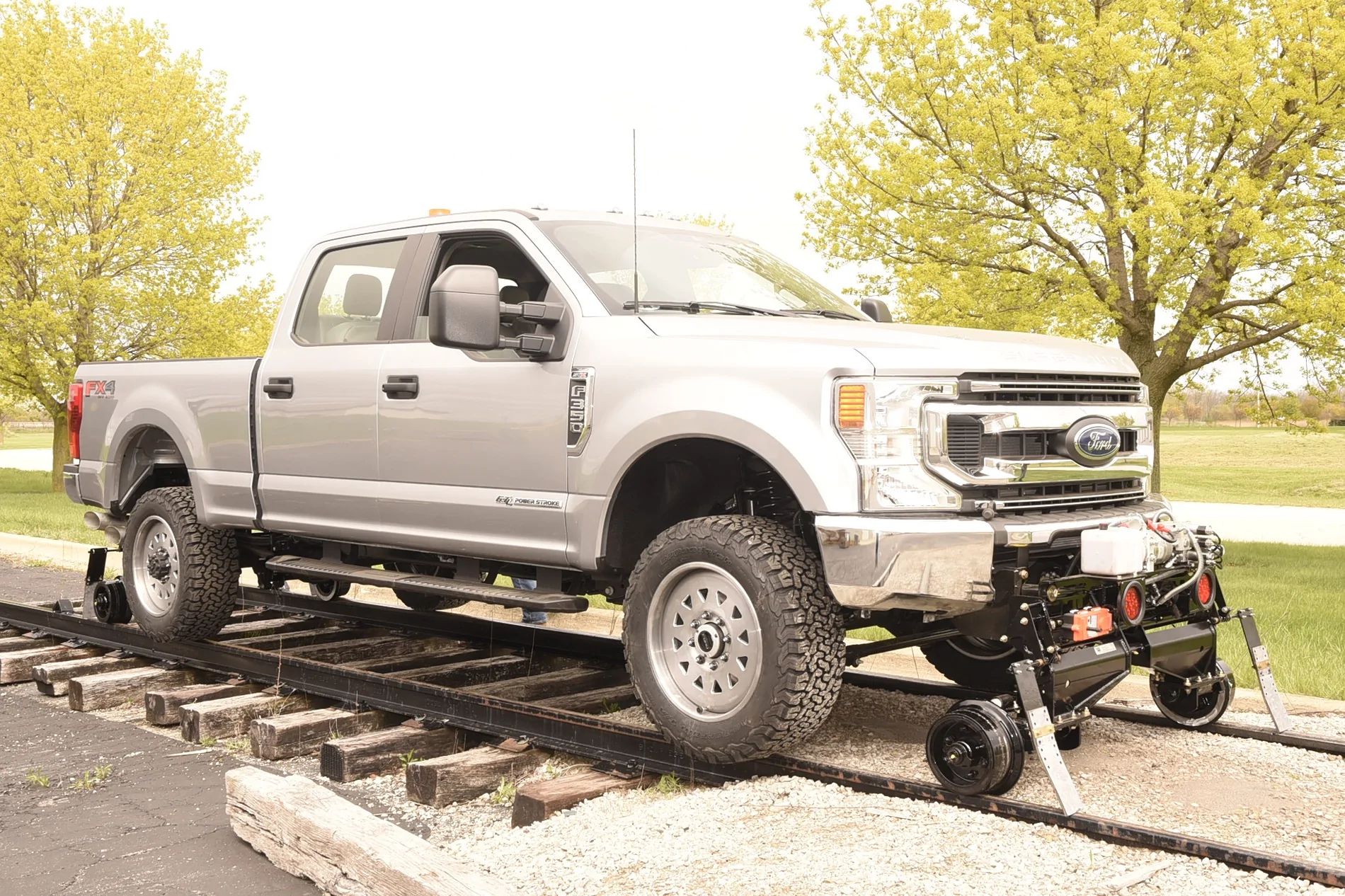
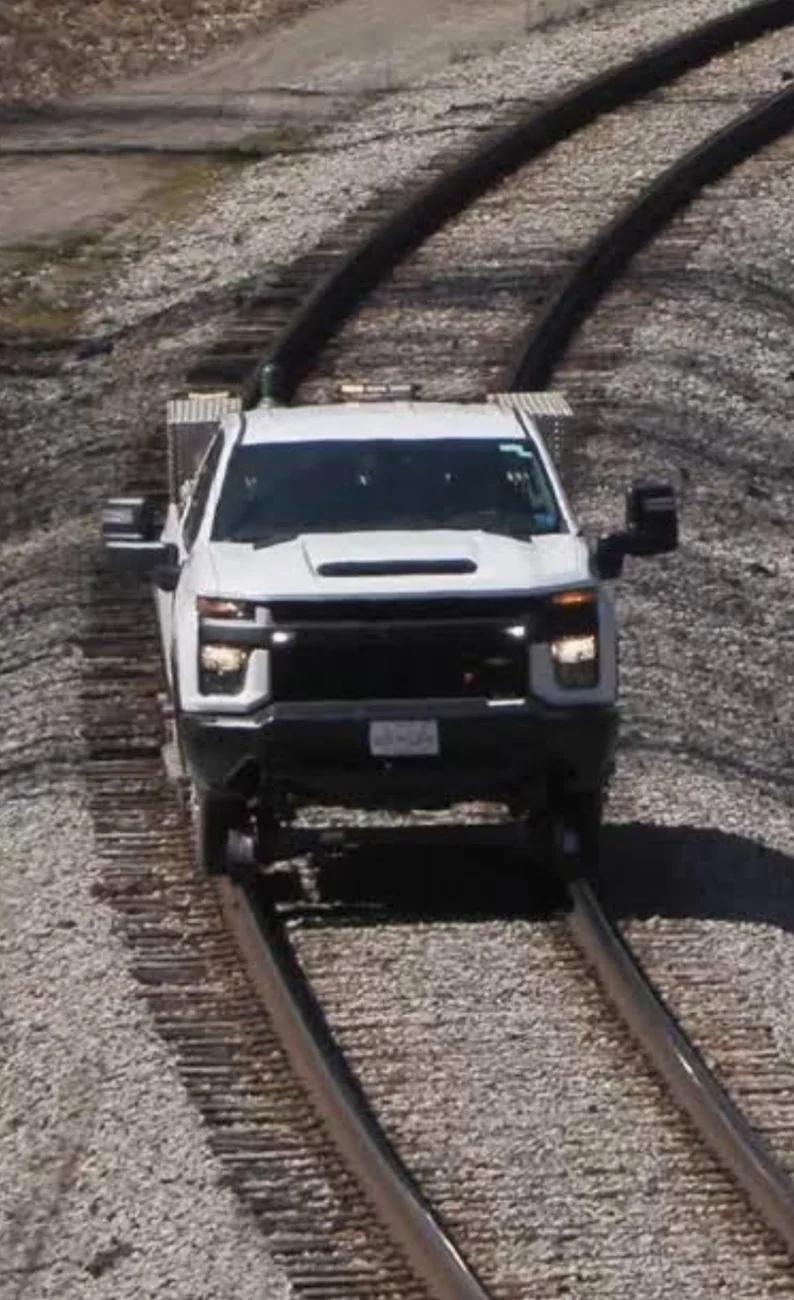
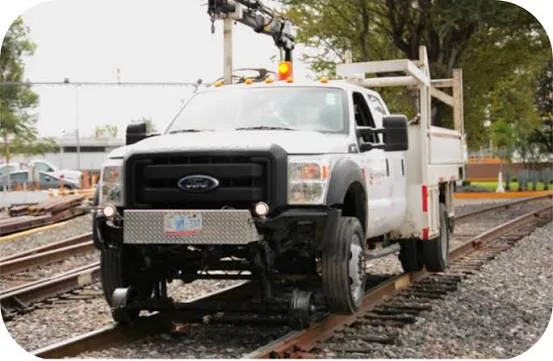
The rear truck wheels sit on the rail and propel it. Just like driving on the highway. The front wheels are lifted up. Not only do you not need to steer, it won't derail or anything if you actually do steer. (Some front wheels may gently touch the rails but there's hardly any weight on them. I've driven these.)

Including this one below:

Ford Maverick Rear mounted snow plow installed IMG_6352

Ford Maverick Rear mounted snow plow installed IMG_6227


"Automobiles and train tracks share a similar width (standard gauge of 4 feet 8.5 inches)
due to historical path dependency, rather than modern engineering requirements. Early train makers used tools designed for horse-drawn wagons.

Key Factors Behind the Shared Dimension:
  • The "Roman Road" Legacy: Standard railroad tracks (4 feet 8.5 inches) are heavily linked to the width of ancient Roman war chariots, which were designed for two horses side-by-side.
  • Historical Ruts: Ruts carved into European roads over centuries created a standard that subsequent horse carriages had to match to avoid damage.
  • Wagon Maker Continuity: Early British railway engineers (like George Stephenson) utilized the same jigs, tools, and measurements from horse-drawn wagon production to build early train carriages.
  • Road Standardization: Roads were initially designed around the horse-wagon standard, and cars were later designed to fit within existing road, street, and lane infrastructure.
While the "Roman Chariot" origin is often considered a "myth" or extreme exaggeration by some historians, the core reality is that early railroad tools and supplies were designed for horse-drawn carts. Today, automobile wheel spacing (track) is not strictly standardized, but is designed for existing road infrastructure while train tracks are strictly standardized for interchangeability within a region."
 
Last edited:

710-oil-614

2.5L Hybrid
Well-known member
First Name
Cal
Joined
Oct 13, 2021
Threads
27
Messages
6,025
Reaction score
11,814
Location
Ohio...but I'd rather be in Boone.
Vehicle(s)
2025 Hybrid AWD Lariat
Engine
2.5L Hybrid
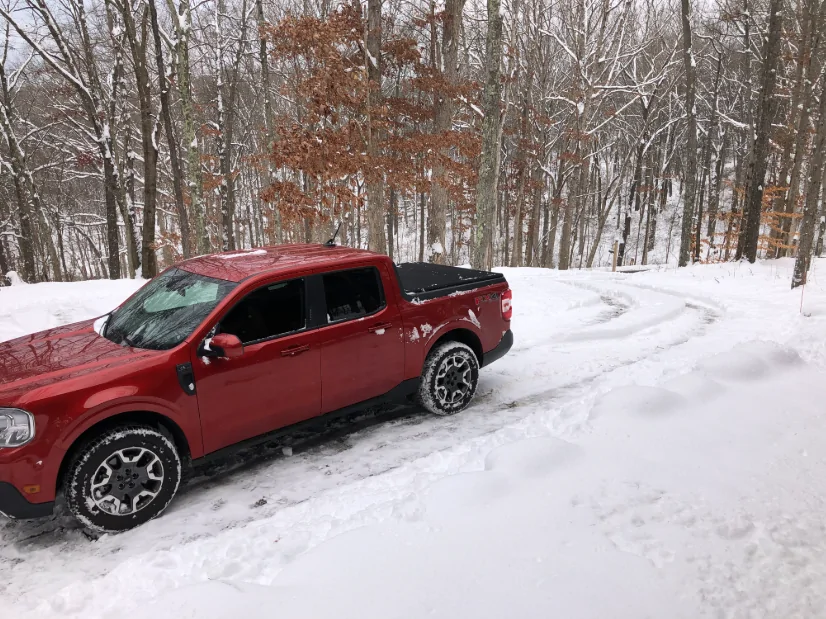
That track would look different when the snow was 3 feet deep... And the ruts would be a big deal...
No Maverick is driving through 3 feet of snow....
 

johnny99

2.0L EcoBoost
Well-known member
First Name
johnny
Joined
Mar 31, 2023
Threads
2
Messages
198
Reaction score
236
Location
indiana
Vehicle(s)
22 maverick lariat awd 360
Engine
2.0L EcoBoost
And TODAY's trucks are the same width as 19th century trains.
FACT
FACT: saying it's so doesn't make it fact nor does pics of vehicles retrofitted to fit on a train track. Let's see your sources that have the indisputable data to make this fact. Historical records, plans, patents etc. Otherwise, youre just another blow hard. Prove me wrong.


Top