


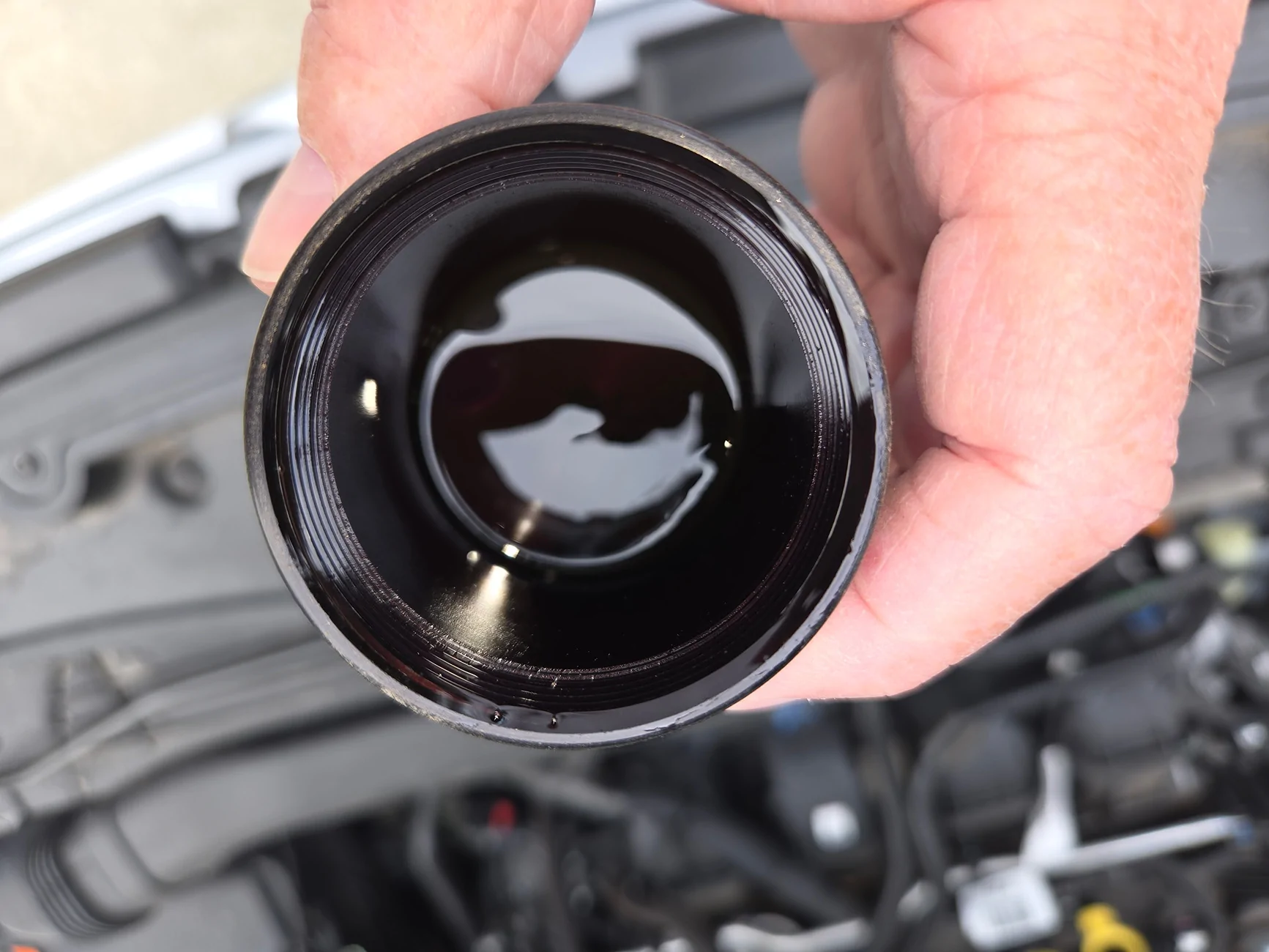
maybe a tablespoon (or less) in the can after the drive of 1.4k miles at highway speeds.
Sponsored

That is a lot! The OP’s latest Gen EB only had nothing. Indicates the redesigned EB focused on oil recovery along with port injection. Screw the battery issues on the hybrids - let’s improve the EBmaybe a tablespoon (or less) in the can after the drive of 1.4k miles at highway speeds.


As designed. Still nothing for me though. I expected to see at least that much at this point.maybe a tablespoon (or less) in the can after the drive of 1.4k miles at highway speeds.
For what it’s worth I could not be more happy that my canister is dry.As designed. Still nothing for me though. I expected to see at least that much at this point.
That might be true if the OP had the latest gen Ecoboost, however he doesn't. We've discussed why the OP has had nothing, and that isn't it. There are many factors including ambient temperature, engine temperature, humidity, RPM and boost level that affect the amount of vapor present in crankcase vents.That is a lot! The OP’s latest Gen EB only had nothing. Indicates the redesigned EB focused on oil recovery along with port injection.
See post #35 where I promised to keep my mouth shut on this thread. Leave the discussion to those who know what they’re talking about. Ok - this time I mean it.That might be true if the OP had the latest gen Ecoboost, however he doesn't. We've discussed why the OP has had nothing, and that isn't it. There are many factors including ambient temperature, engine temperature, humidity, RPM and boost level that affect the amount of vapor present in crankcase vents.
I also mentioned that my 2024 usually doesn't catch anything in the summer months.
Note the early Maverick in the OP's profile photo and see post #30 for a photo of the OP's engine: https://www.mavericktruckclub.com/f...thing-not-a-drop-catch-can.84697/post-1406657.
Stay with us Gary. It's good that you're curious and want to learn!!See post #35 where I promised to keep my mouth shut on this thread. Leave the discussion to those who know what they’re talking about. Ok - this time I mean it.
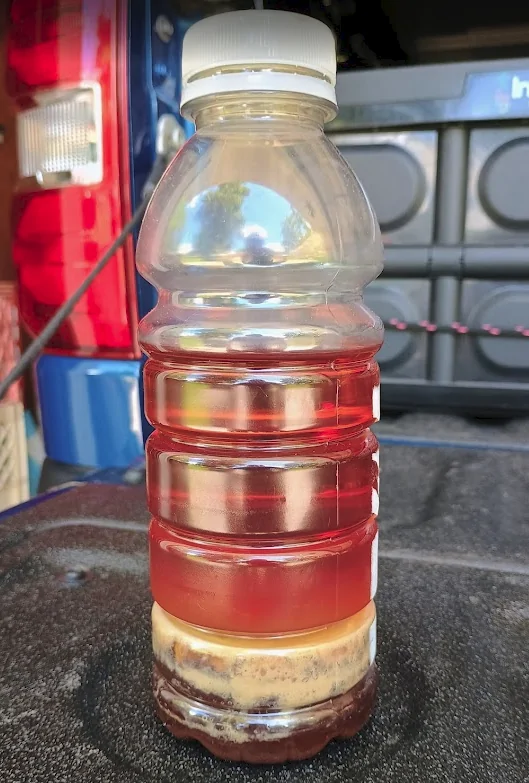
 could be, but from what I've seen, not a necessity. As always tho, do what makes sense to you. It's your truck and your money.
Keep in mind that your girlfriend's driving habits are about as ideal as they can get. My Maverick is short-tripped 3-4 days of every week, even in the cold of winter. I'm talking 2 miles to and from work, 35mph. This very different than 3 hours every day, 35-55 mph. As mentioned several times already in this thread, driving habits are a very important part of making the decision to use products like these and whether they are of any benefit.I know nothing about turbos or catch cans. I barely know Fords. My girlfriend drives a 2013 Ford Escape SE with the 2.0 ecoboost tho. She's had it since 2014 with roughly 30k on it when purchased. She currently has 280k and pushing. Drives an hour and a half each way to work. Mostly city roads varying from 35 to 55 MPH. She has a led foot and likes to travel closer to people's bumpers than I prefer lol but she does regular 5k mile oil changes. Synthetic blend. Occasionally does a "pampering" as she calls it lol she gets a coupon from the dealer for tire rotation, oil change, air filter, wipers, etc, little things. Nothing added to it, she didn't know what a catch can was until I mentioned it to her after reading something here on MTC. Her engine runs great, seems to burn clean. Original motor and transmission, she did a timing set about 150k ago, preventive maintenance. The body and undercarriage is failing due to rust, damn salt up here in the winters. Her longevity is what pushed me to try a new Ford with the EB, not to mention it's the first new vehicle I've seen in awhile that really striked my liking. Is a catch can worth it?
Gotcha. So ideally longer trips are better then? Makes sense tho. I know I've seen plenty of low miles cars with plenty of moisture in the oil. My buddy has a few cars and everyone gets moisture in the oil. He doesn't have enough time to drive them a lot. And he doesn't get on them at all. He lets the motor warm up before going, drives casually and idles them a little before shutting them down. He always wondered why I'd start my '91 Camro and romp on it immediately, my reasoning was it runs like a banshee coldKeep in mind that your girlfriend's driving habits are about as ideal as they can get. My Maverick is short-tripped 3-4 days of every week, even in the cold of winter. I'm talking 2 miles to and from work, 35mph. This very different than 3 hours every day, 35-55 mph. As mentioned several times already in this thread, driving habits are a very important part of making the decision to use products like these and whether they are of benefit.
 ...of course it's just a NA 305, not a turbo. He has 2 turbo 6 bangers, a procharged V8 and an NA V8
IMO the main thing is just how well your engine was assembled. Some engines have looser piston ring tolerances than others, and will pass more vaporized oil and other junk into the crankcase.That might be true if the OP had the latest gen Ecoboost, however he doesn't. We've discussed why the OP has had nothing, and that isn't it. There are many factors including ambient temperature, engine temperature, humidity, RPM and boost level that affect the amount of vapor present in crankcase vents.
I also mentioned that my 2024 usually doesn't catch anything in the summer months.
Note the early Maverick in the OP's profile photo and see post #30 for a photo of the OP's engine: https://www.mavericktruckclub.com/f...thing-not-a-drop-catch-can.84697/post-1406657.
I work on a lot of vehicles, and I don't see much variance in tolerance from one engine to another these days. I haven't owned a Ford that had any noticeable blowby or reduction in oil volume over the course of an oil change interval in 20 years. Yet there are still enough contaminates from the crankcase to cause carbon buildup in all DI engines, regardless of any perceived quality of assembly issues.IMO the main thing is just how well your engine was assembled. Some engines have looser piston ring tolerances than others, and will pass more vaporized oil and other junk into the crankcase.
It also depends how often you check it, since if your engine is nice and tight and not passing much oil vapor, the other byproducts usually will evaporate (the catch can gets pretty hot sitting in the engine bay, especially in summer). Thus explains the mystery of empty cans every time one happens to look...
An engine sees dramatically more mechanical wear at temperatures lower than operating temperature. So yes, longer trips are much better in regards to wear over the lifetime of an engine.Gotcha. So ideally longer trips are better then?
Noted. Although the Maverick gets better treatment than the Camaro I must say lol not that I'm necessarily torturing the Camaro but definitely goose it good when it's cold. When she gets warm she shows her age, although much to my surprise the other day I took her out and she ran fantastic for the couple hours we cruised.An engine sees dramatically more mechanical wear at temperatures lower than operating temperature. So yes, longer trips are much better in regards to wear over the lifetime of an engine.
Long, idling warm-ups are bad for this reason. However, putting a cold engine under heavy loads is also bad. A short run at idle (30 seconds) with gentle loads until operating temperature is reached is the best method for operating a cold engine.


