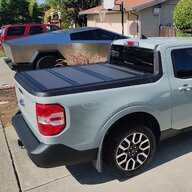

I agree.It's all in the math. I build electronic systems for a living...A part I'd pay $50 for from a USA manufacturer might cost me $5.00 from India, China, etc. The US key problem is labor & benefit costs...The worker in India makes $5.00-$10.00 an hour, PERIOD, the USA workers demands health insurance, FICA taxes for retirement, Union Dues, 2-3 weeks vacation, sick pay, etc, etc.. gross pay would be $40-60 hour with all the benefits and the standard of living other countries don't have...that's not Ford's fault. A Maverick that retails for $35,000 build in Mexico would probably cost $42K to $46K and built in the USA and Ford would not sell many of them at that price, because they could not compete with other brands....the Tariffs on parts to Ford makes it even harder to make a profit. Ford and all US mfgrs are forced to increase their parts costs if built in the USA. Ford is currently in a bind with limits of Canadian aluminum import tariffs.
Ford and every other factory assemble vehicles with robots and Honda, Hyundai, etc still make their own cheap labor for components and do assembly with robots inside the USA....Vehicle manufacturers have to live off of a 6-11% profit margin....so it's all in the math.
Not sure if low end electronics are a great example though. The US still makes many high end chips. Electronics manufacturing typically is very automated. So, biggest costs tend to be “ getting going “ and engineering. Land, permits, fees, building.
And then there are the ongoing property taxes and environmental regulations.
But, there are some right to work states ( I’m not anti union , in fact I am a member) and often states and counties will offer expedited permitting and tax breaks.
The US does not necessarily need to be a force in low end electronics, but they do need to have enough manufacturing in place already that can readily switch from high end to whatever necessary.
China has such a large monopoly in rare earth refining, that they can raise prices at will, restrict exports etc.
And if someone starts up serious competition, they can lower prices below cost if necessary, to force the competition into bankruptcy.
The US has had a 25% import tariff on light trucks since 1964. But that tariff is okay, right ?
And Ford tried to get around that tariff for a period of time by importing panel vans w/ extra seats ( claiming they were passenger vans to avoid the chicken tax ), then removing the seats upon import - and sending the seats back overseas.
They got caught.
Sponsored
Last edited: