Sponsored

- First Name
- Douglas
- Joined
- Sep 26, 2022
- Threads
- 0
- Messages
- 3
- Reaction score
- 2
- Location
- St. Louis MO
- Vehicle(s)
- 2023 Maverick (ordered) 2005 Cadillac De Ville,
- Engine
- 2.5L Hybrid
My neighbor just had his 23 jeep Cherokee had uhaul install a tow hitch and 7 pin wiring. It was a electrical system nightmare. Almost voided his warranty and U Haul removed the hitch and had to pay the necessary repairs to get his jeep fixed correctly. The Dealer completely put the blame on UHaul. The kicker is John still does not have a tow Hitch!
- First Name
- Mike
- Joined
- Jul 25, 2023
- Threads
- 0
- Messages
- 9
- Reaction score
- 5
- Location
- Gaston county, NC
- Vehicle(s)
- 2024 Maverick hybrid Lariat in Terrain
- Engine
- 2.5L Hybrid
Wow, really? First it will most likely already be in the FORD service database as there is a open RO on it, second why would he need to pay anything if the RV shop messed up the installation and caused the problem? Going to a different service department would just start the process over, and they would eventually find the problem showing a modification to the truck…then what, take it to another service department?Take it to a different dealership, act like you never installed any wiring or modified it. Don't pay $1500.
- Joined
- Nov 5, 2021
- Threads
- 20
- Messages
- 3,857
- Reaction score
- 6,025
- Location
- British Columbia, Canada
- Vehicle(s)
- 2022 XLT Maverick Hybrid
- Engine
- 2.5L Hybrid
Keep in mind Hermosillo is just the place the trucks are assembled. The parts are made in many different plants all over the US, Canada, Mexico and other countries.That's the frustrating part, there many stories of this being a "new vehicle" and parts are always on backorder, sometimes for an extended period. Yet, Hermosillo is reportedly running multiple shifts and setting production records.
- Joined
- Jun 20, 2021
- Threads
- 12
- Messages
- 1,190
- Reaction score
- 1,737
- Location
- United States (TN)
- Vehicle(s)
- 22 Maverick XLT Iconic Silver
- Engine
- 2.5L Hybrid
I understand that. My point is that Hermosillo must have ample parts to assemble new vehicles in ever increasing numbers each month, as they're reportedly doing. That being the case, why can't Ford properly support their existing customer base by having parts available for repair, warranty issues, accidents, etc.?Keep in mind Hermosillo is just the place the trucks are assembled. The parts are made in many different plants all over the US, Canada, Mexico and other countries.
Kind of frustrating to have doled out money for a vehicle and be told parts are back-ordered (indefinitely in some cases) while assembly lines are running around the clock.
Sponsored
- Joined
- Nov 5, 2021
- Threads
- 20
- Messages
- 3,857
- Reaction score
- 6,025
- Location
- British Columbia, Canada
- Vehicle(s)
- 2022 XLT Maverick Hybrid
- Engine
- 2.5L Hybrid
It's the flaw of the ready just in time system that the industry has adopted over the past few decades. They order just enough parts to arrive just in time to build the vehicles on order, so there really aren't lots of spare parts available. It's annoying for us a customers, but it saves companies a lot of money not to have warehouses full of parts lying around.I understand that. My point is that Hermosillo must have ample parts to assemble new vehicles in ever increasing numbers each month, as they're reportedly doing. That being the case, why can't Ford properly support their existing customer base by having parts available for repair, warranty issues, accidents, etc.?
Kind of frustrating to have doled out money for a vehicle and be told parts are back-ordered (indefinitely in some cases) while assembly lines are running around the clock.
- Joined
- Jun 20, 2021
- Threads
- 12
- Messages
- 1,190
- Reaction score
- 1,737
- Location
- United States (TN)
- Vehicle(s)
- 22 Maverick XLT Iconic Silver
- Engine
- 2.5L Hybrid
Yes, it has been around for a while. My first engineering job was in a Ford Q1 supplier plant back in the 1980's. JIT (Just-in-Time) delivery was in place then, albeit rather new to the domestic auto industry. While it sometimes slowed production, I don't recall replacement parts being to scarce back then. The replacement/spare inventory was considered in the production runs, without every part prioritized for new vehicle assembly. That's part of keeping a satisfied customer base.It's the flaw of the ready just in time system that the industry has adopted over the past few decades. They order just enough parts to arrive just in time to build the vehicles on order, so there really aren't lots of spare parts available. It's annoying for us a customers, but it saves companies a lot of money not to have warehouses full of parts lying around.

I guess the lesson here is, much like dealing with a surgeon before your own medical procedure, ask: "How many hybrid Mavericks have you actually installed/modified this item or process before?"
- Joined
- Nov 5, 2021
- Threads
- 20
- Messages
- 3,857
- Reaction score
- 6,025
- Location
- British Columbia, Canada
- Vehicle(s)
- 2022 XLT Maverick Hybrid
- Engine
- 2.5L Hybrid
No argument there. It just seems like automakers (not just Ford) have all been doing the same thing since mid-2021. Keeping a very short supply of parts. At one point it seemed vaguely legitimate, now it's likely just belt tightening measures from the finance departments to help boost the numbers in shareholder meetings.Yes, it has been around for a while. My first engineering job was in a Ford Q1 supplier plant back in the 1980's. JIT (Just-in-Time) delivery was in place then, albeit rather new to the domestic auto industry. While it sometimes slowed production, I don't recall replacement parts being to scarce back then. The replacement/spare inventory was considered in the production runs, without every part prioritized for new vehicle assembly. That's part of keeping a satisfied customer base.
You honestly think this only affects Ford?I understand that. My point is that Hermosillo must have ample parts to assemble new vehicles in ever increasing numbers each month, as they're reportedly doing. That being the case, why can't Ford properly support their existing customer base by having parts available for repair, warranty issues, accidents, etc.?
Kind of frustrating to have doled out money for a vehicle and be told parts are back-ordered (indefinitely in some cases) while assembly lines are running around the clock.
Sponsored
- Joined
- Jun 20, 2021
- Threads
- 12
- Messages
- 1,190
- Reaction score
- 1,737
- Location
- United States (TN)
- Vehicle(s)
- 22 Maverick XLT Iconic Silver
- Engine
- 2.5L Hybrid
No, I never said that at all.You honestly think this only affects Ford?
I think any manufacturer should support their product with replacement parts. Particularly, maintaining spare parts inventory alongside production inventory.
It's good for customer satisfaction. Be it Ford, Toyota, GM, Honda, Tesla, Nissan......
I used Ford as an example because the Hermosillo production numbers have been touted on the forum and there are other forum members frustrated at repair parts availability.
Likely, we're still in post-pandemic supply chain recovery and this is widespread. Certainly more plausible than being an inherent side-effect of JIT. I don't think it should be considered acceptable as the norm rather than unfortunate period we're in.
Last edited:

Frankly, there is nothing different or harder installing the wiring on a Maverick than any other. This installer either ran wires wrong or shorted the wrong wires in the process. Wiring a towed is simple for lights, unless you fail to know what you are doing or fail to pay attention to what you are doing.I guess the lesson here is, much like dealing with a surgeon before your own medical procedure, ask: "How many hybrid Mavericks have you actually installed/modified this item or process before?"
The *only* stumble is that if you turn the truck on to check your work, if everything isn't connected back, you will throw a code. That isn't hard to deal with.
Last edited:

I believe someone here more familiar with the Ford parts supply system said that the production and post-production inventories are considered fundamentally separate. If a part is allocated to one chain of use then that's where it resides. That's why scheduling could be held up over mudflaps even though they were readily purchasable.No, I never said that at all.
I think any manufacturer should support their product with replacement parts. Particularly, maintaining spare parts inventory alongside production inventory.
It's good for customer satisfaction. Be it Ford, Toyota, GM, Honda, Tesla, Nissan......
I used Ford as an example because the Hermosillo production numbers have been touted on the forum and there are other forum members frustrated at repair parts availability.
Likely, we're still in post-pandemic supply chain recovery and this is widespread. Certainly more plausible than being an inherent side-effect of JIT. I don't think it should be considered acceptable as the norm rather than unfortunate period we're in.
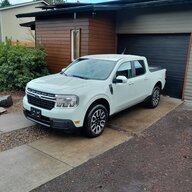
Didn't know a 12v battery could be "bricked".
Sponsored


