

To correct previous post open that post and click the three dots and down arrow and choose edit. Or delete if wanted.Correction to earlier post : www.pure-gas.org

Sponsored
To correct previous post open that post and click the three dots and down arrow and choose edit. Or delete if wanted.Correction to earlier post : www.pure-gas.org
It’s always weird how that works. My wife when I got her her 2.0 ecoboost edge. She drove it the first time and said. “It’s not fast like your truck” well I have over 500whp. I asked do you want it tuned? She said yes. So she got 93 and e30. The e30 was supposed to be for me. But she drove it one time on 93 after the first e30 tank and said nope put it back. She had blended her own e30 for over 200k miles now. She gets terrible fuel mileage.I hear ya! My wife has a heavy right foot too.
Driving vehicle is the same as playing a violin, drums, checking blood sugar, put smile on wife, etc, etc. Some people pay attention, most do not on most things. Some can "feel" the difference in "playing" their vehicle with a passenger or two than without them maybe while adjusting for windage differences. If driving 75mph with a crosswind they remember the position of their steering wheel with 35 mph crosswind. I don't like to drive with a tach because I am compelled to check go pedal position with rpm at certain speeds, (is there a headwind?).Didn't read through this thread. BUT if you can tell the difference in NORMAL driving you are magic. Maybe while towing but other wise I would bet BIG dollars no,.
I see a number of posts that are suggestive of this, but haven't seen a direct statement.No additive package can prevent carbon buildup on intake valves in DI engines...
It is and it isn't. The 2.5L, is Atkinson SMFI . For now, the 2.0L is still GDII see a number of posts that are suggestive of this, but haven't seen a direct statement.
The gas engine in the Ford Maverick Hybrid is not Direct Injection. It is sequential multiport fuel injection (SMFI). Atomized fuel flows past the intake valves. Carbon build up isn't normally a problem when the gas/air mixture flows past the intake valves.
I believe you'll notice right away and it will only get better as the detergents in high test clean up any carbon from running 87. The slower burn of high test will also lead to less internal stresses.I have been using regular has in my awd Mav since I got it. I was wondering if I filled an empty tank with premium if I would notice any difference. Or would it take a few tankfulls. Thanks
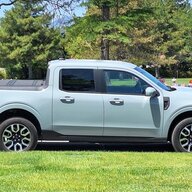
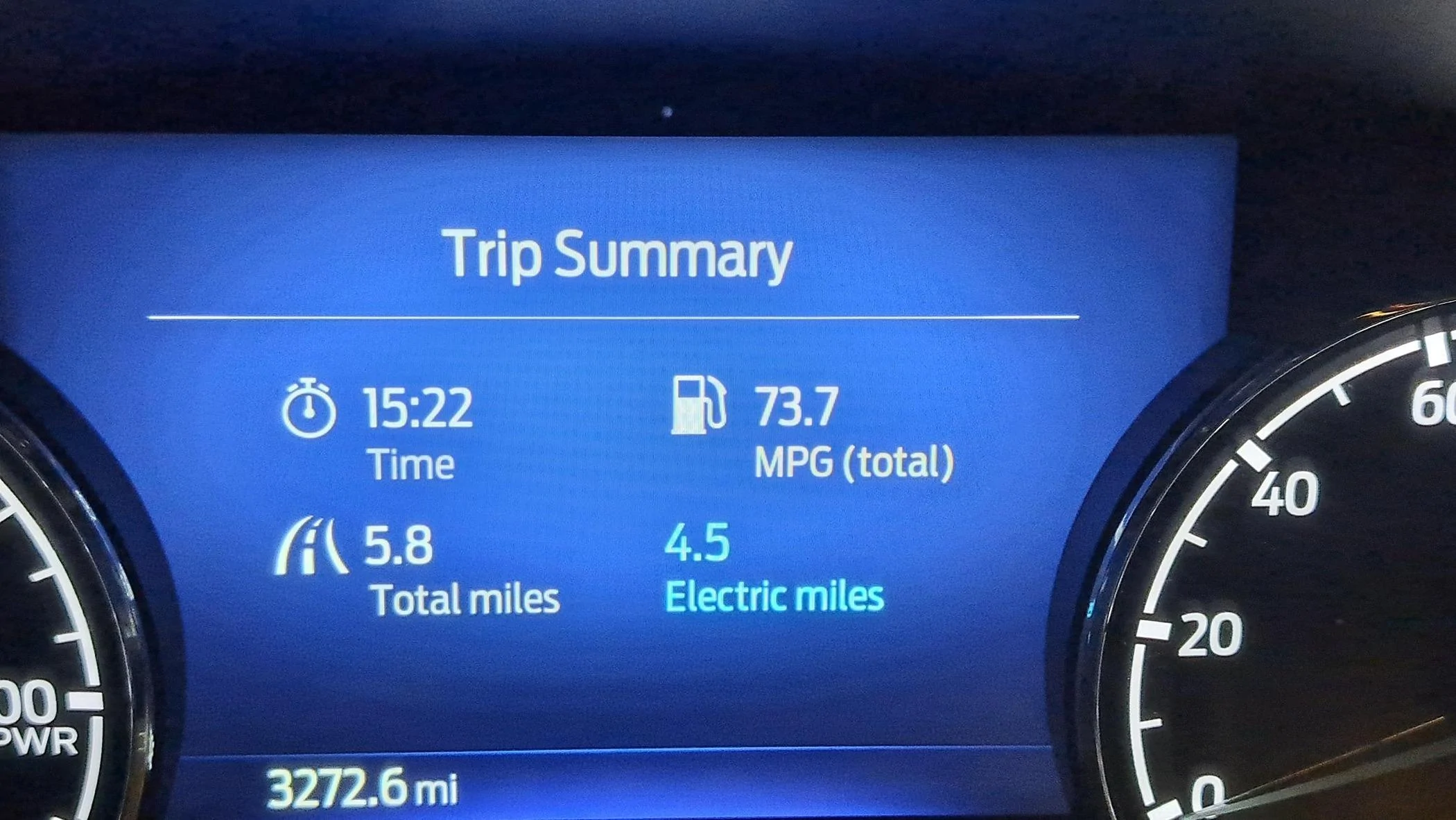
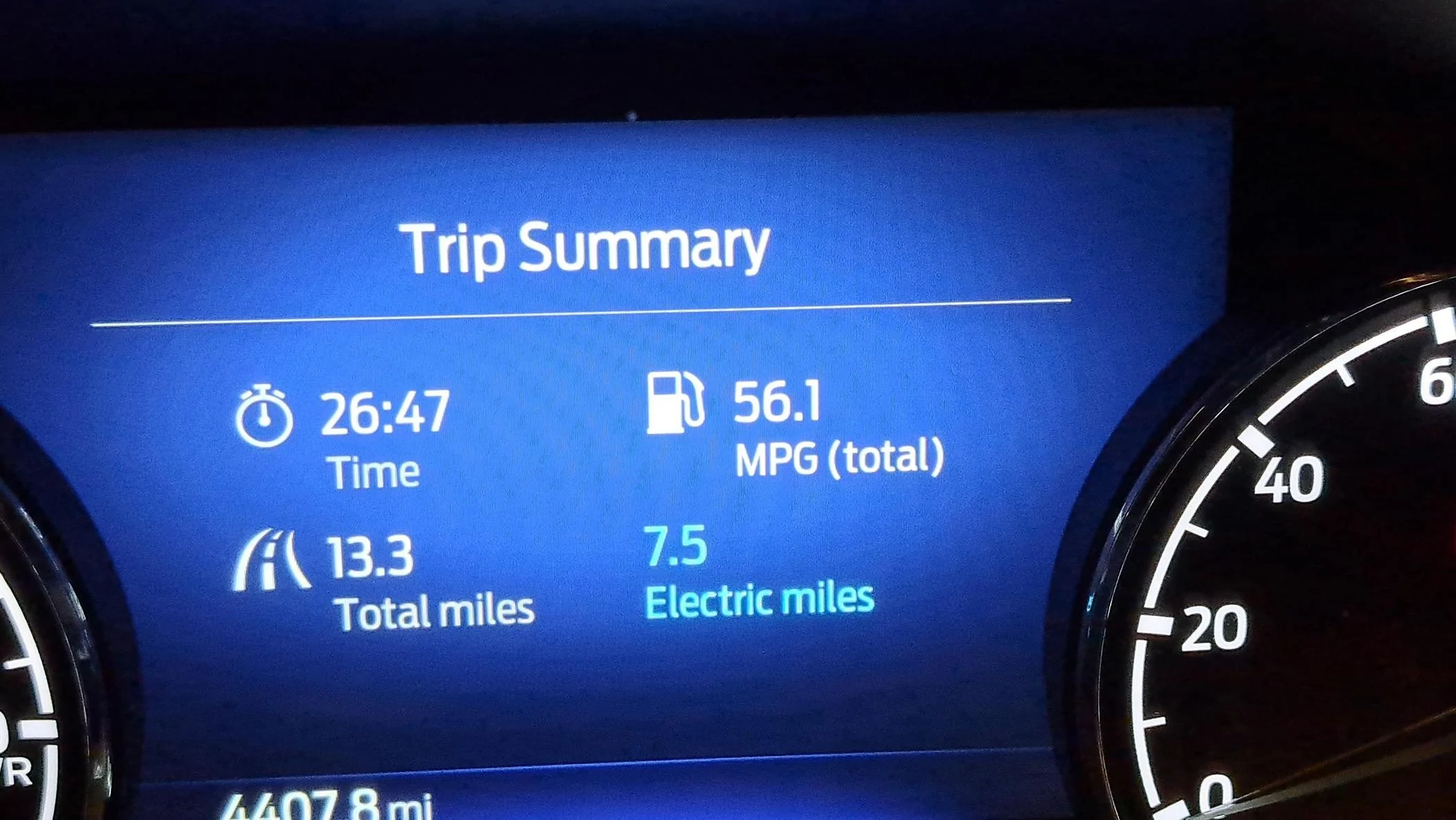
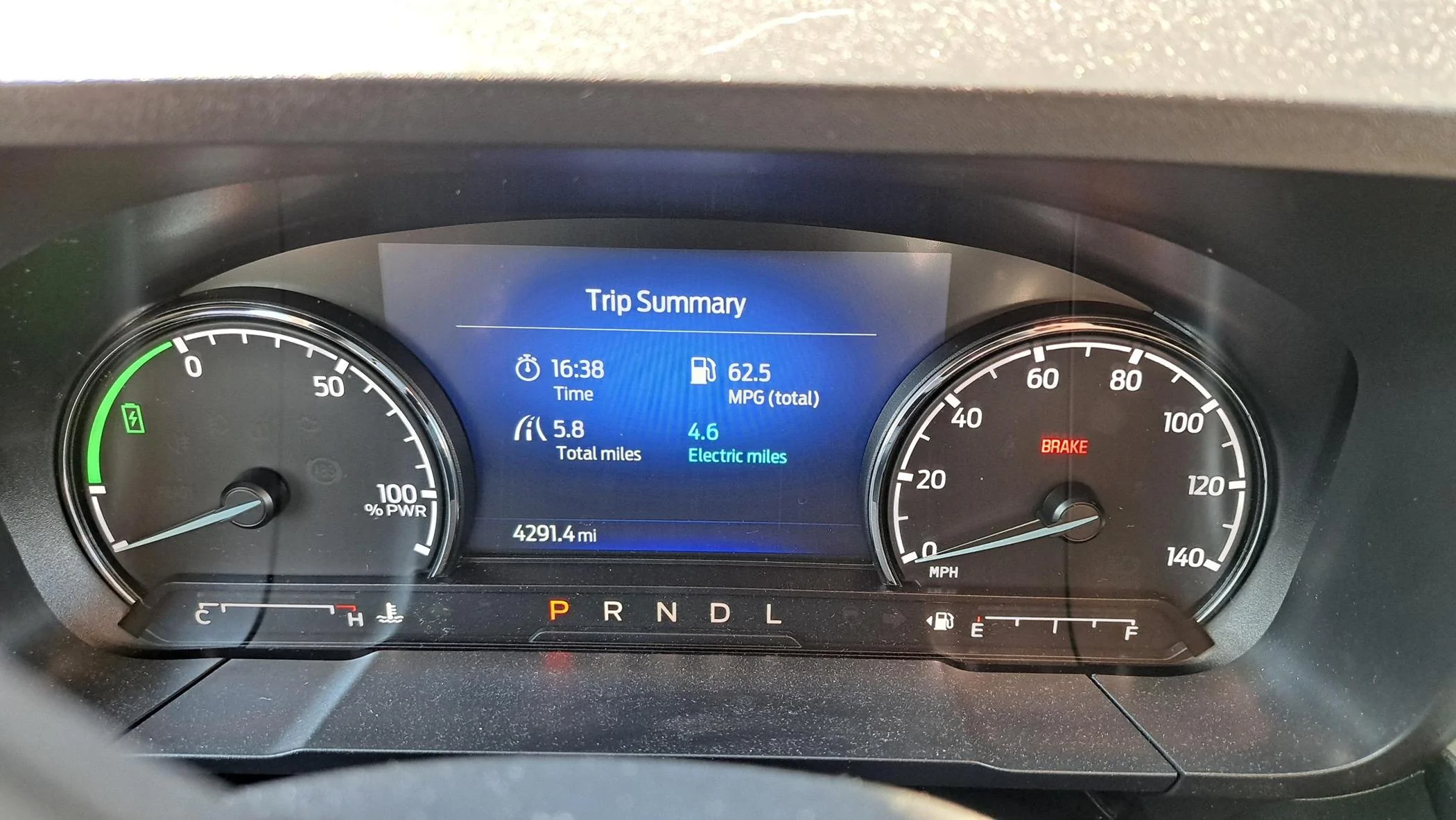
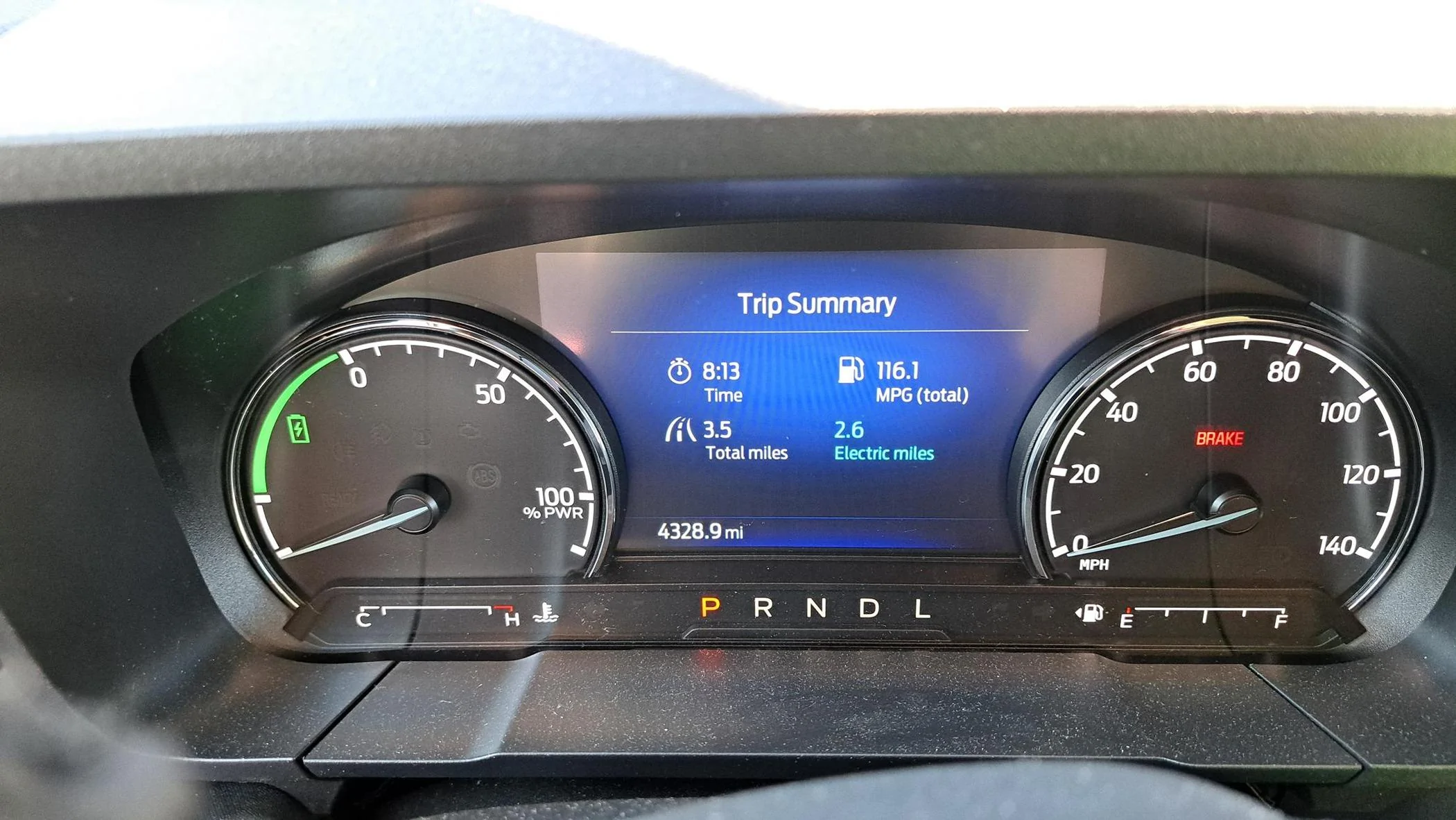
Best way to illustrate 87 vs. 92 is running up a long steep hill. Try that and you'll understand why some say 87 is junk. The other way is get a test lab and run 2 identical engines under identical stress for 10K miles, disassemble and measure wear. First way is cheaper.Curious why you say 87 is junk? That's all I have used for the past year.truck runs great and averaging 33 mpg. When my wife drives 29 mpg.
Well I hope you use crap oil or at least are in a salty area because you'll be driving that Maverick when the rest of us are beaming to our destination.In our 2023 Hybrid Lariat I run exclusively Ethanol Free "Clear gas". In Utah ethanol free gas is 91 octane. We consistently get 37 to 42 mpg on the freeway (80 mph speed limit in Utah) and 56-65 mpg hybrid local trips. Some local hybrid trips are incredibly fuel efficient!
Nope. Mojave Desert in southwestern Utah. They don't salt the roads.Well I hope you use crap oil or at least are in a salty area because you'll be driving that Maverick when the rest of us are beaming to our destination.

On my 22EB, I ran top tier 87 most of the time and the 2.0 had plenty of spunk. No knocking, no issues under daily driving suburban and freeway.I have been using regular has in my awd Mav since I got it. I was wondering if I filled an empty tank with premium if I would notice any difference. Or would it take a few tankfulls. Thanks
If you see a decrease in fuel economy when switching between octanes then something else is going on. There is no more energy in higher octane fuel than lower octane. If better fuel economy were on tap with premium then the manufacturer would require it use to meet federal fuel economy standards.Over the years any time I use 87 my vehicles don't like it. Sure they will run but I notice a little lower mpg and the engine will ping when the weather warms up. Just by switching to 89 fixes the issue. Personally I will never run 87.
Instant indications from the computer are meaningless. The only way to truly test is over several tankfuls to average out all the variables.Just as a test I filled up with 93. At 87 my mileage was up to 40 MPH, with the same driving on 97 I went as high as 52 MPH.
Well I have owned a 52 year old classic muscle car for 32 years,and also have two 15 year old dodges. Have run 87 in them.no problems. You'd think there would be a problem in over 32 years!Best way to illustrate 87 vs. 92 is running up a long steep hill. Try that and you'll understand why some say 87 is junk. The other way is get a test lab and run 2 identical engines under identical stress for 10K miles, disassemble and measure wear. First way is cheaper.





