

- First Name
- Robert
- Joined
- Sep 16, 2021
- Threads
- 27
- Messages
- 1,838
- Reaction score
- 4,121
- Location
- Sierra Vista AZ
- Vehicle(s)
- 11 Prius
- Engine
- 2.5L Hybrid
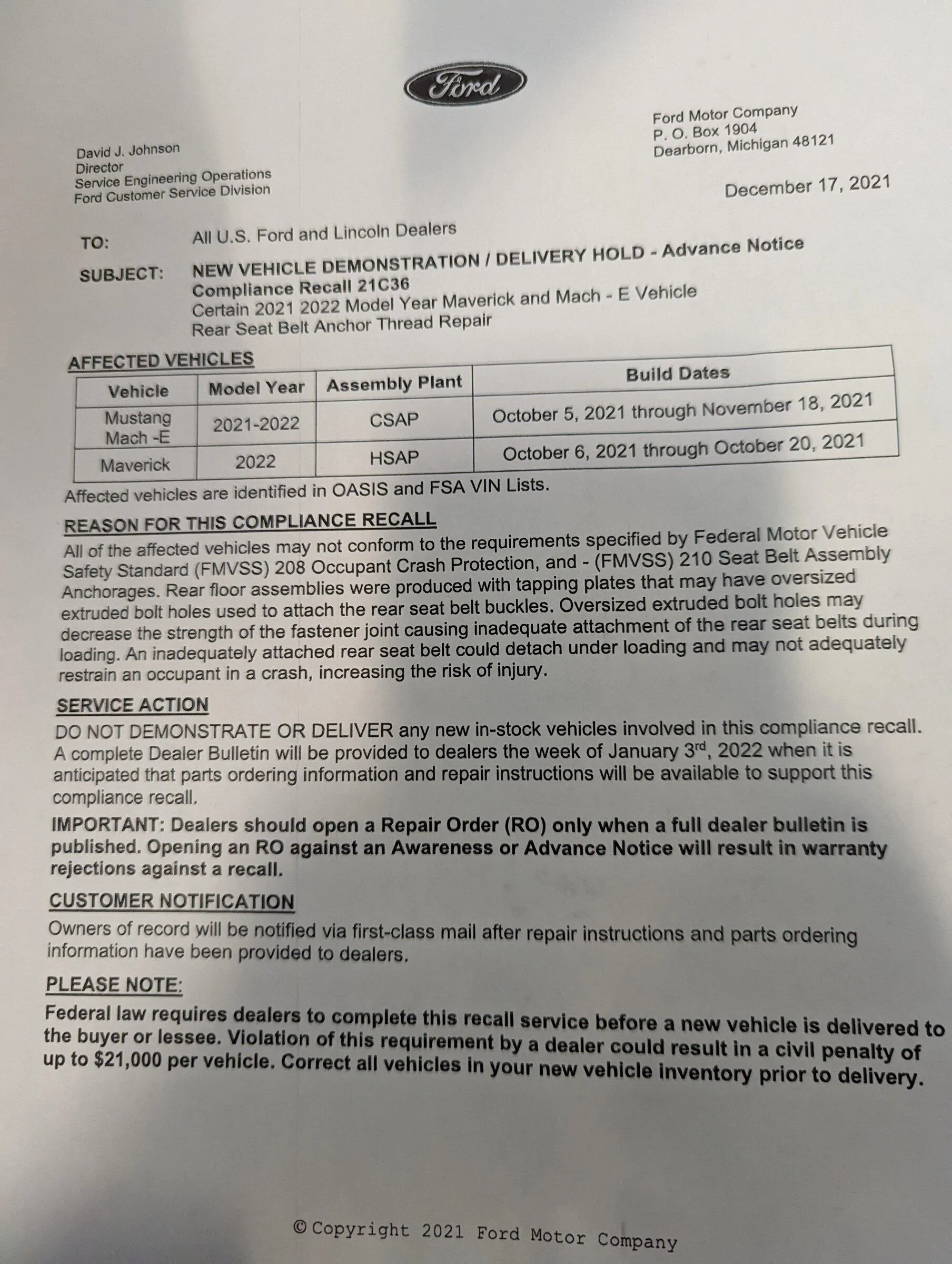
This isn’t a direct answer but me thinking aloud in response to your thoughts.It always surprises me when this kind of stuff comes up! How did they discover this issue? Was there a change in the production process? Change in material? If so, was some engineer assigned to figure out what the results of those changes would be? If so, why wasn't done prior to any change?
Not really searching for answers, just thinking out loud, but if anyone has any insights I'd like to hear them.
-Vehicles have components sourced from dozens/hundreds of companies (original equipment manufacturers/ OEM).
-Ford has procedures to inspect for quality for those components.
-Each OEM has a quality standard and checks/balances to ensure those standards are met.
-Each OEM had to buy raw materials to make said products.
-Raw material companies have varying degrees of quality but also need to do deliver within the acceptable level of compliance for the order.
-OEMs could change the raw material suppliers at the drop of a hat.
-Each OEM can have multiple warehouses, workers, and suppliers. Any number of things could go wrong.
-Random vehicles are produced to strictly serve as a quality test vehicle and mannequin.
-Safety audits are performed at random by all parties involved.
At any time an issue could come up. Once the issue comes up a number of processes need to happen. They need to identify if it is worth fixing, the effected batches and the vehicles they were installed on. Along with a fix for what caused the issue and/or a redo the product’s engineering.
You would think with dozens of quality checks along the way everything would be perfect. However, Given the complexity of building a vehicle I would say it is actually surprising to see so few issues.
Sponsored
Last edited: