

- First Name
- Jon
- Joined
- Oct 27, 2025
- Threads
- 3
- Messages
- 83
- Reaction score
- 126
- Location
- Veazie Maine
- Vehicle(s)
- 2025 Ford Maverick XL
- Engine
- 2.0L EcoBoost
Oh boy. Would not do this. Asking for all sorts of problems.
Sponsored

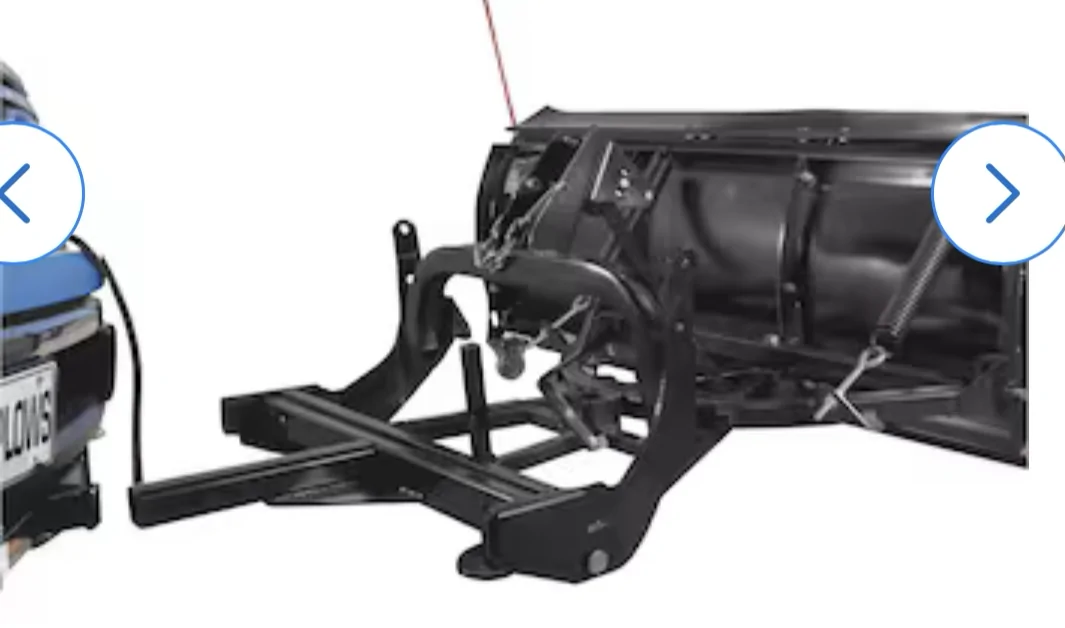
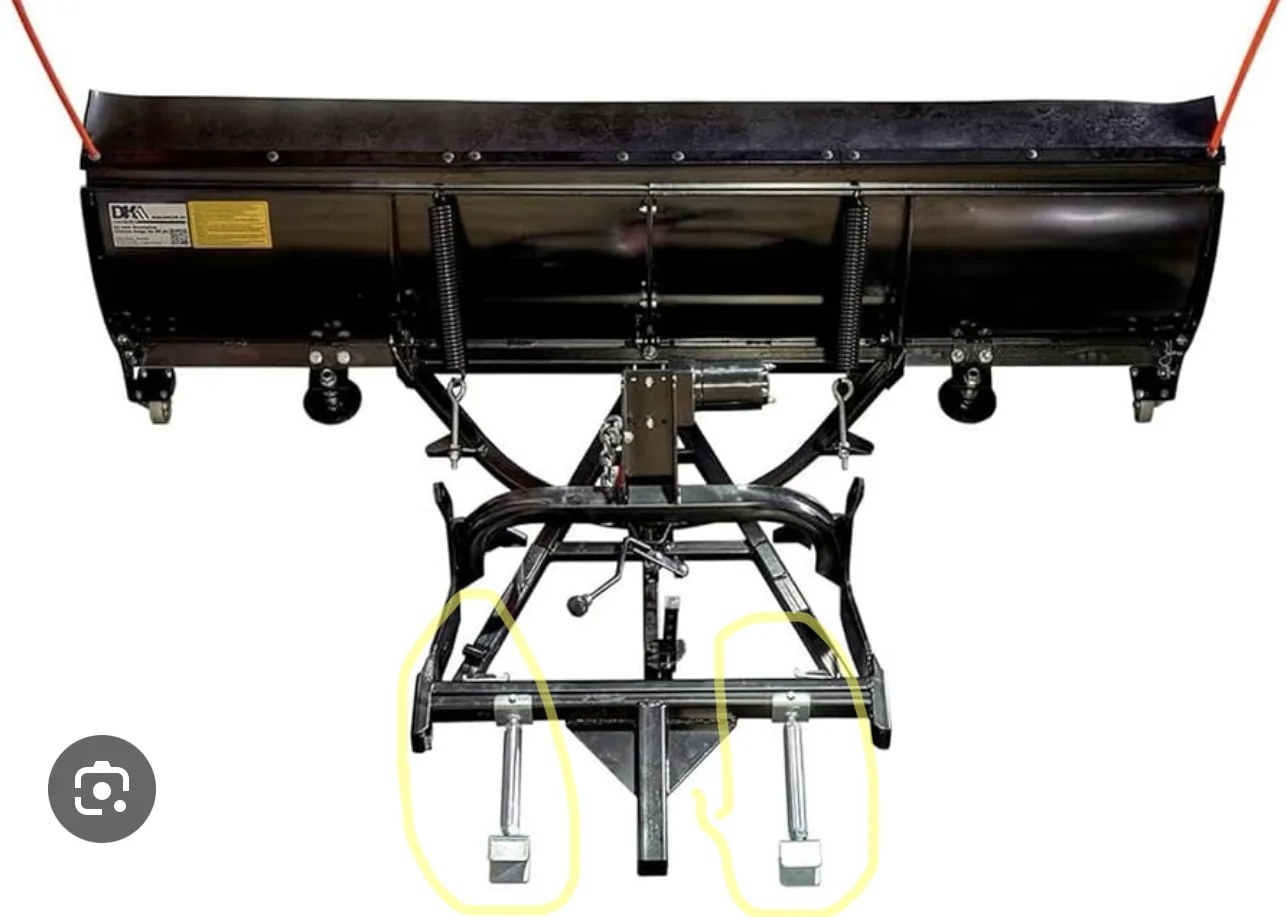
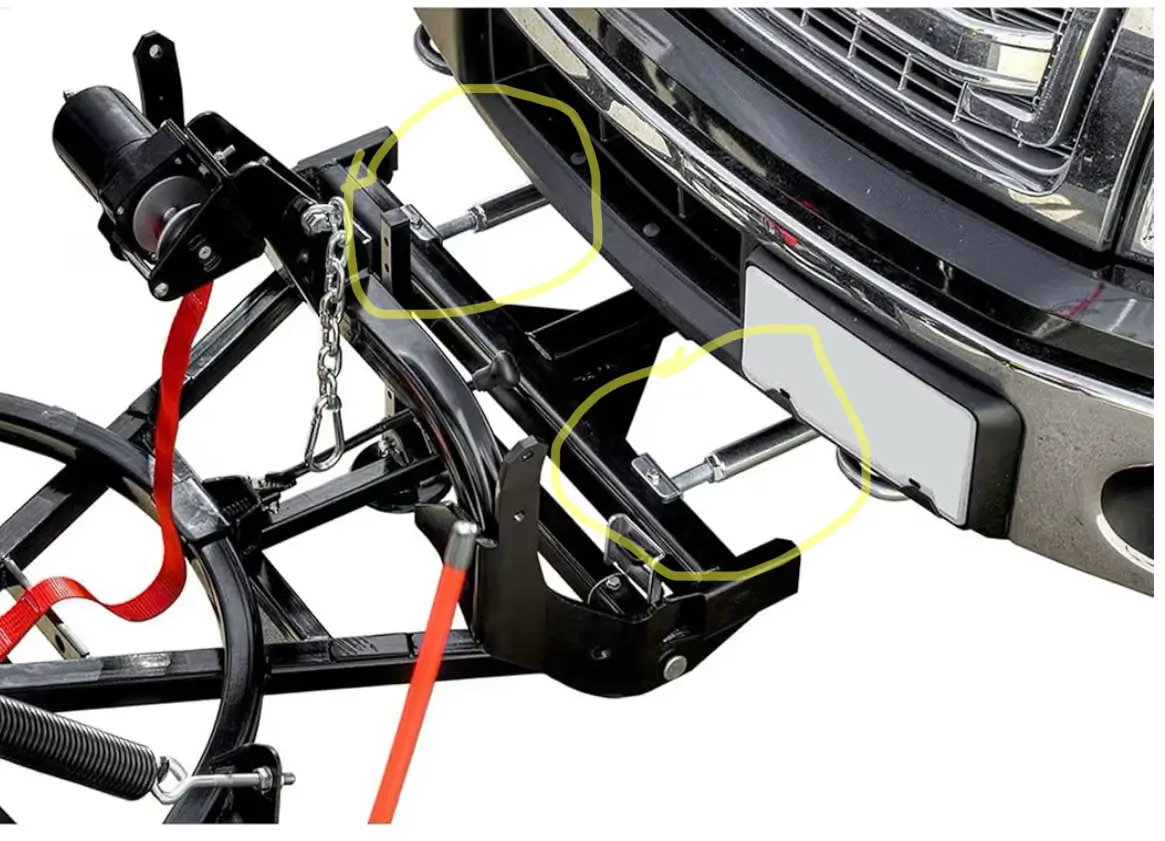
Yes but (there's always a but) and I think that is a reasonable citation; that is not the application here.What worries me is the length of the lever holding that blade
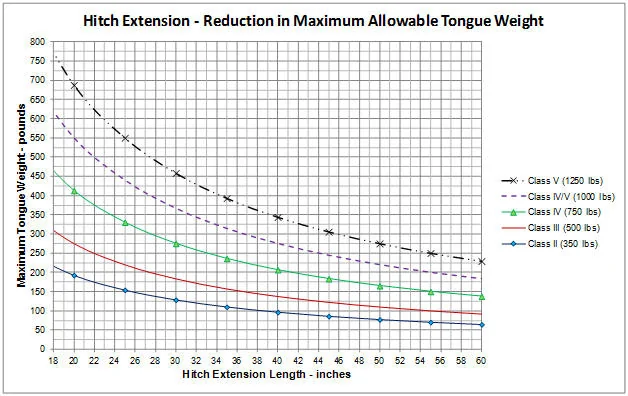
If it's really 300 lbs, that's a LOT of weight cantilevered out 3+ feet away from the hitch.
Diagram from here > http://www.visualsc.com/hitch_calc.htm

You get enough snow in Utah to warrant that nice piece of equipment? I’m envious, only have a 10 hp Craftsman snowblower that has to deal with a lot of Great White North snow.Agreed
I think Bob's full-time setup will serve him well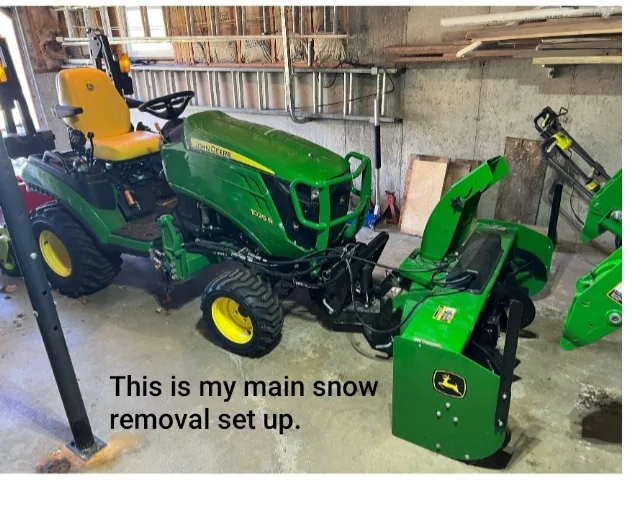
keeping the Maverick as a backup just in case.
Fact is he's only clearing a residential driveway not a freaking parking lot.

You get enough snow in Utah to warrant that nice piece of equipment? I’m envious, only have a 10 hp Craftsman snowblower that has to deal with a lot of Great White North snow.
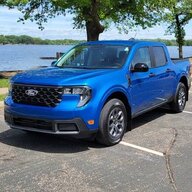
I think I like this idea better than the rear mount. As long as it is a light duty blade pushing a couple inches off a flat driveway it should be fine. Plowing a parking lot or bouncing the blade off curbs would definitely not work.I’m sorry you went through all this time and effort for us just to tell you not to do this, but please don’t do this.
Having a single mounting point for all of the weight and all of the impact loads, effectively makes your hitch receiver into a fulcrum. It will amplify the torque of asymmetric loads to the end of the blade, such as snagging a tree stump or rock and that torque amplification is going to bend your hitch mount and rear subframe like it’s made out of tin foil.
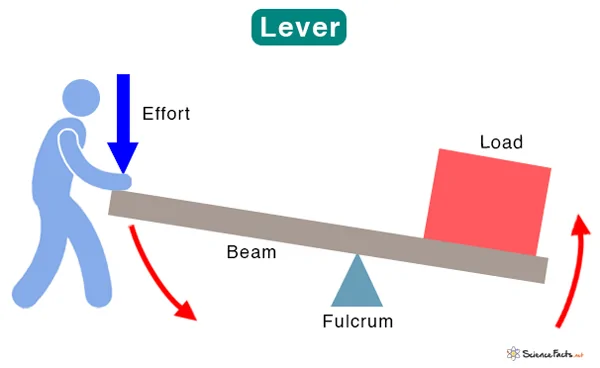
The only way you could get this to work would be to make a mounting system that bolted into each side of the sub frame.
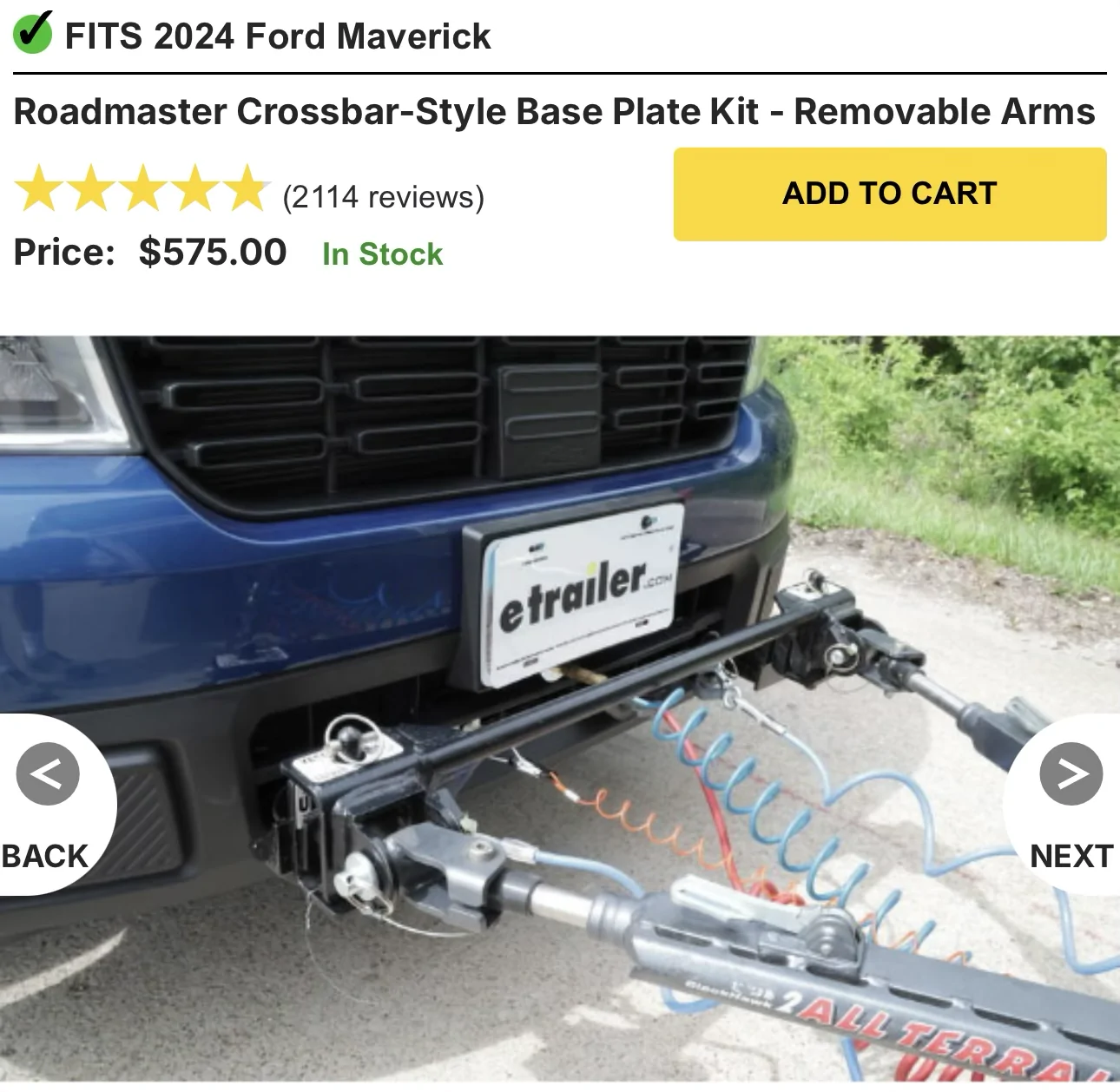
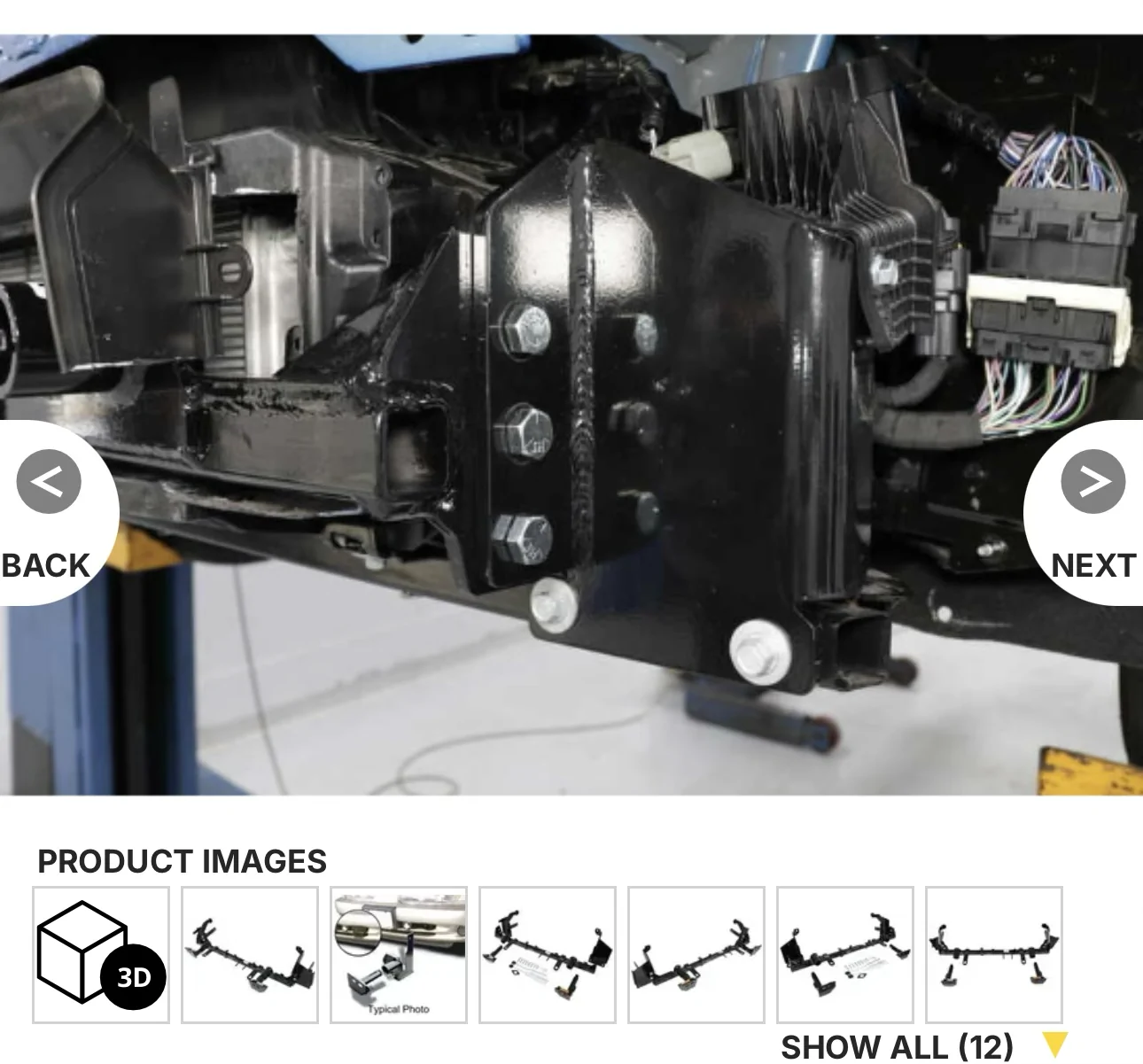
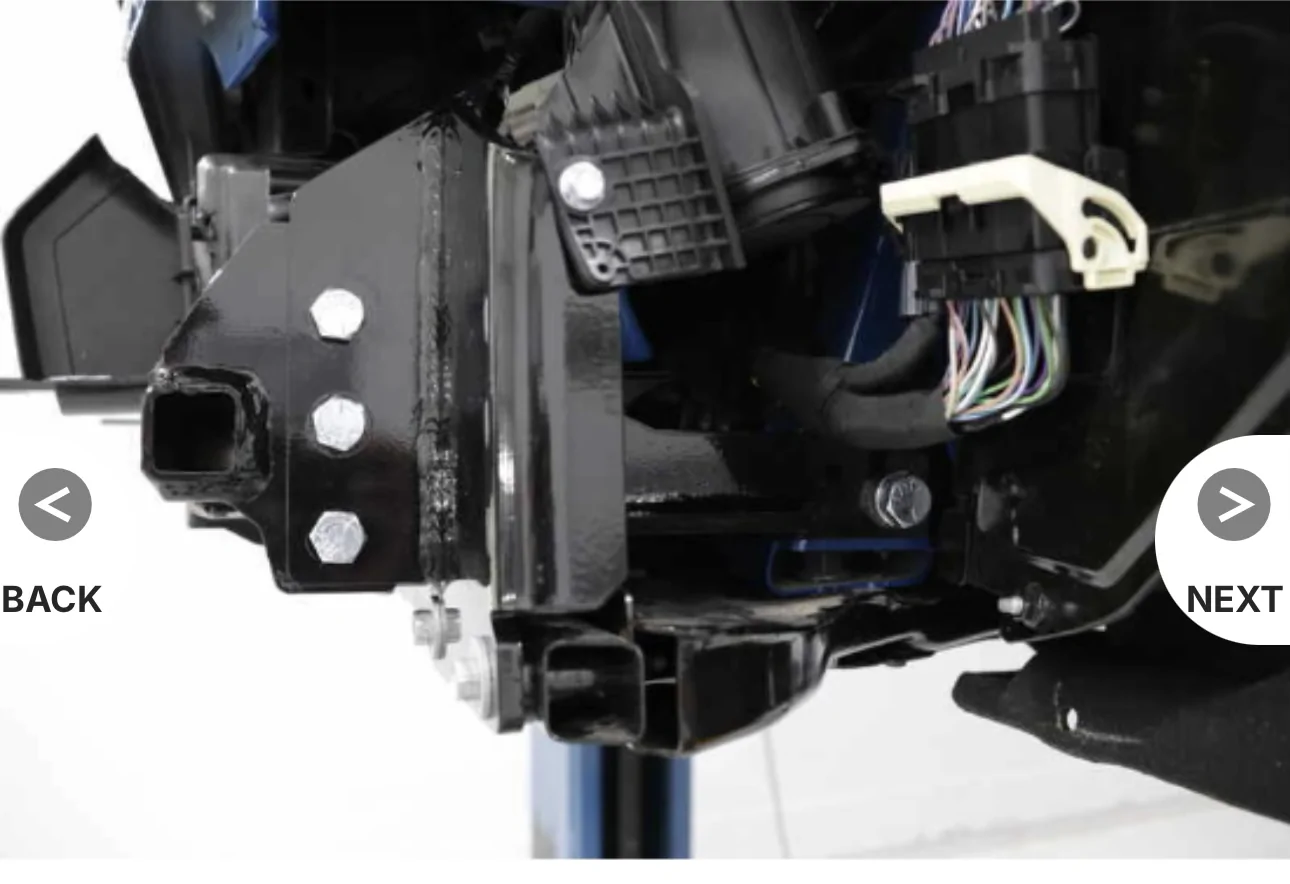
Even mounting it to both sides of the subframe is still probably a bad idea, because it was never intended to absorb the kind of shock loads that frame mounted plows normally see during the course of operation.
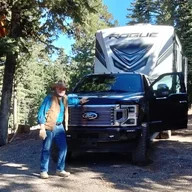
That's the Bob the OP's main snow removal setup. The rig for the Maverick is just for emergencies or backup.You get enough snow in Utah to warrant that nice piece of equipment? I’m envious, only have a 10 hp Craftsman snowblower that has to deal with a lot of Great White North snow.

My point wasn’t about front mount vs rear mount, but that hitch mounted plows are not supposed to have just one mounting point, because the hitch serves as a fulcrum for a lever arm, the blade, to apply torque multiplication from the lever arm.I think I like this idea better than the rear mount. As long as it is a light duty blade pushing a couple inches off a flat driveway it should be fine. Plowing a parking lot or bouncing the blade off curbs would definitely not work.

Reverse on the hybrid isn't "designed" for anything--unless ford has done something really weird, it just reverses the polarity of the electric motor to run backwards. It should be no different than going forward on electric (although I assume that it has failsafes to keep you from stupid speeds1).The hybrid reverse is NOT designed for anything even above light duty.
There is a big difference. In forward, say going up a mountain pass at near full throttle, the engine is making 165 hp and 130 hp of that is going straight through the transmission and to the tires. The 27kw generator (35 hp) is causing drag on the planetary gear set to provide the correct transmission ratio. That 27kw then gets sent to the 93kw traction motor for another 35 hp of forward motion, giving you 165 hp total, without depleting anything from the high voltage battery.Reverse on the hybrid isn't "designed" for anything--unless ford has done something really weird, it just reverses the polarity of the electric motor to run backwards. It should be no different than going forward on electric (although I assume that it has failsafes to keep you from stupid speeds1).
True.There is a big difference. In forward, say going up a mountain pass at near full throttle, the engine is making 165 hp and 130 hp of that is going straight through the transmission and to the tires. The 27kw generator (35 hp) is causing drag on the planetary gear set to provide the correct transmission ratio. That 27kw then gets sent to the 93kw traction motor for another 35 hp of forward motion, giving you 165 hp total, without depleting anything from the high voltage battery.
In reverse, there is no reversing of the gear set, so none of the engine power gets directly sent from engine through the transmission and to the tires. All of the reverse power is coming from the 93 kw traction motor being spun in reverse. If you can get the load moving in reverse and get the traction motor spun up to say, 1,000 rpm, 90+% of the current will be turned into kinetic energy and less than 10% will be converted to heat. But, if your tires are bound up, say rock crawling in reverse, or pushing a plow into a snow bank, in reverse, and the motor is sitting at 0 rpm while at full throttle, 0% of the electricity is getting converted into kinetic energy and 100% is getting turned into heat. This heat load will be read by the internal sensors and it will stop you from continuing to do that.
That explains why people have reported that under abusive conditions in reverse, that it will only deliver full power for a few seconds before throwing and error, saying that it needs to cool down.
in forward, it can use engine power + traction motor to deliver 290 ft/lb for the same duration before throwing an error. However; that is typically enough torque to get the load moving, so that the traction motor can get spinning and turning that current into kinetic energy instead of heat. You could still overheat the traction motor going forward, but it is a lot less likely because you have engine torque + traction motor torque to work with when going forwards.
this probably also explains why they don’t offer the fx4 package on the hybrid. Those edge cases are a lot more likely to show up when doing hard off-roading.
OP is from Maine, not Utah. I'm sure he gets a ton of snow. With what he paid for the John Deere I would hope he would never have to use his Maverick to plow. So many better options than the Maverick incase the JD breaks. The Mav will drive through deeper snow than he should plow with it. I would never risk a 40 grand vehicle that won't be covered when it breaks. Shovel, snow blower, beater vehicle, side by side, 4 wheeler. Anything but a unibody vehicle.You get enough snow in Utah to warrant that nice piece of equipment? I’m envious, only have a 10 hp Craftsman snowblower that has to deal with a lot of Great White North snow.
Yes, Glen kindly pointed out my mistake to me a while ago, thanks.OP is from Maine, not Utah. I'm sure he gets a ton of snow. With what he paid for the John Deere I would hope he would never have to use his Maverick to plow. So many better options than the Maverick incase the JD breaks. The Mav will drive through deeper snow than he should plow with it. I would never risk a 40 grand vehicle that won't be covered when it breaks. Shovel, snow blower, beater vehicle, side by side, 4 wheeler. Anything but a unibody vehicle.

My buddy got one last winter for OP's exact use, occasional plowing, I think it was $1200.When was the last time you bought any used truck in working condition for $1,000?