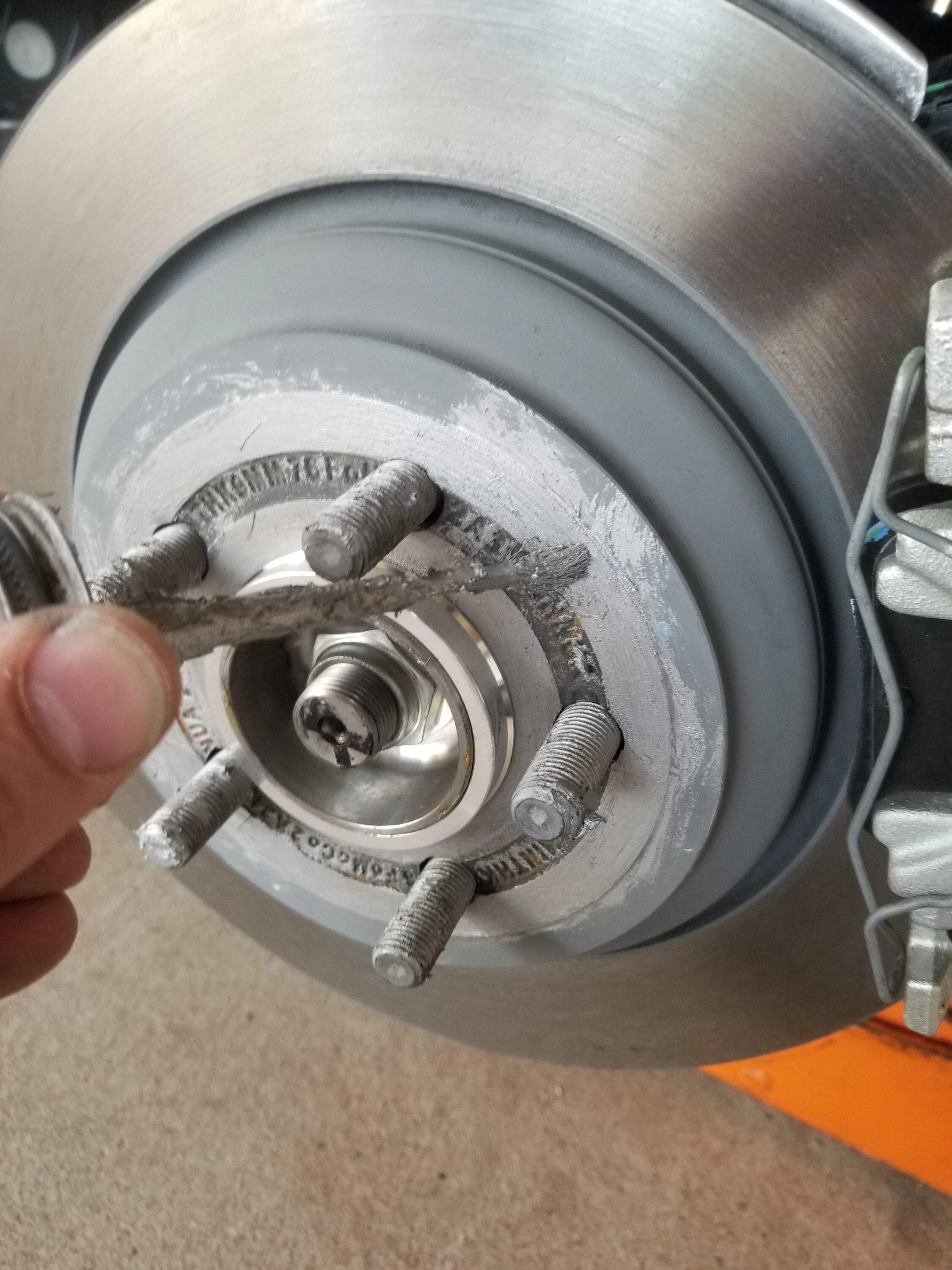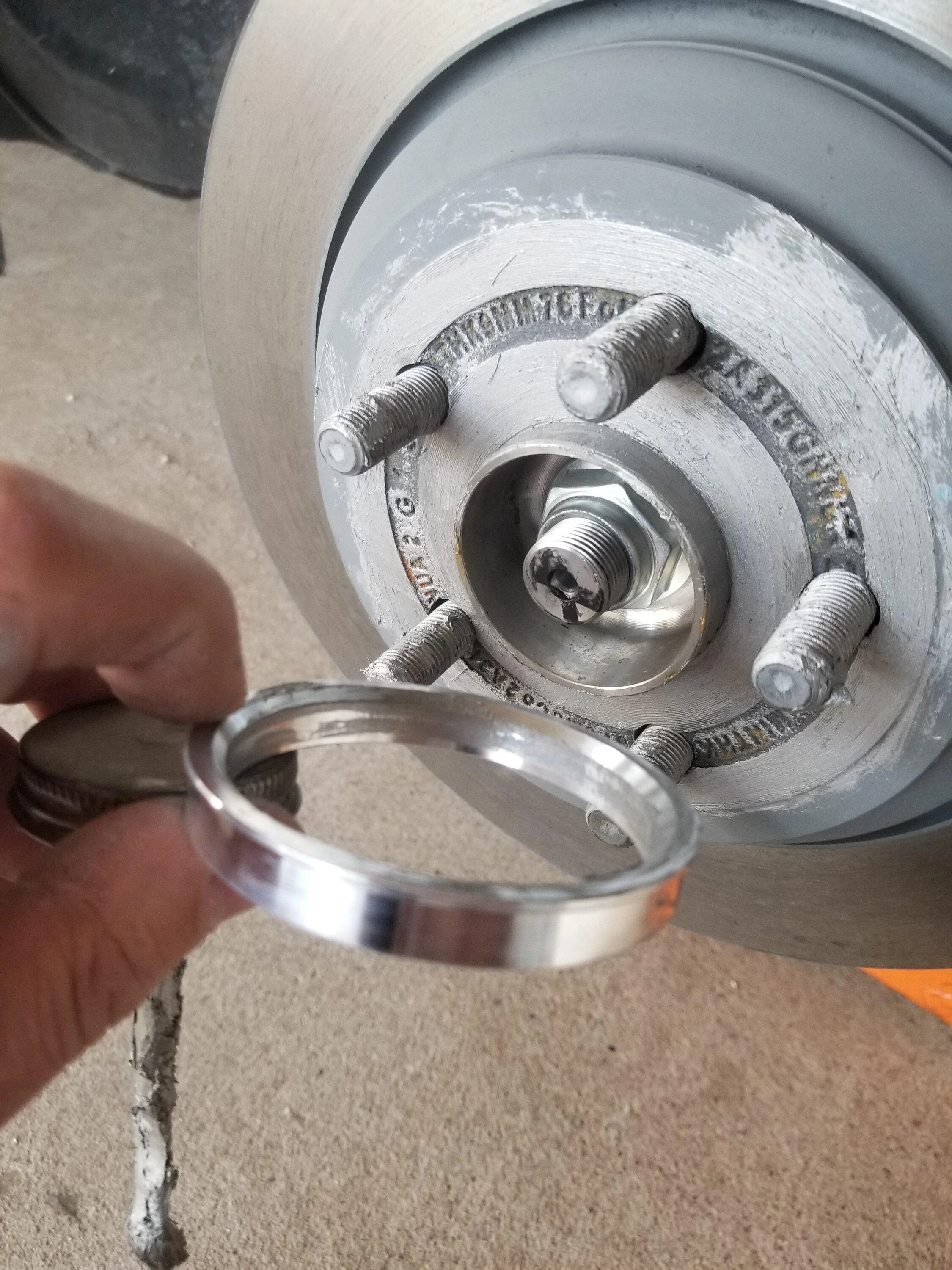


Using the German torque method (Good-und-tight), or snug plus a little, you you roll the dice on how much tension is on the wheel stud and thereby the axial (clamping) force on the wheel. The good news is there seems to be a pretty big range which is acceptable. If you calculate the force based on a Bronco Sport with a torque value of 135 Nm and 12 mm stud, you get about 56,250 N of axial force, and with the Maverick's 200 Nm and 14 mm stud the value is about 71,430 N.I have put anti seize on lug studs for over 35 years of doing mechanics. Never ever had an issue. I dont use a torque wrench on lug nuts either. I tighten them by hand with a breaker bar. Again never had an issue.
Someone with a "feel" for how tight things should be may never have an issue, but Little Suzie or Johnny DIYer may find themselves chasing a wheel down the interstate if they're lucky, or in the ER if not. Most folks prefer to be safe than sorry, or at least eliminate risk when sensible.
There is a value provided by the manufacturer to ensure the proper axial force, or at least acceptable without breaking wheel studs, but to keep it consistent, you need eliminate variables like lubrication on the studs. The torque value (200 Nm) is based on clean, dry threads. If you put anti-seize or any other lube, the value needs to be adjusted, and the rule of thumb would be to reduce the torque 20-25%, but that may or not be correct based on the coefficient of friction of the lubricant used.
While your method works for you, and you have provided quality content to the forums no doubt, I believe it is important that other members are aware of the risks of applying anti-seize when installing lug-nuts.
Sponsored