

Sponsored

Ford to launch Maverick EV (I hope this is true)

dalola

2.0L EcoBoost
Well-known member
First Name
Retired
Joined
Oct 8, 2021
Threads
15
Messages
2,513
Reaction score
4,273
Location
SE Ohio 🇺🇸
Website
sunsetridgecabinhockinghills.com
Vehicle(s)
'24 Mustang Mach-E P4X, '24 Bronco Big Bend 2Dr Sasquatch, Hot Rods
Engine
2.0L EcoBoost
oh boy, I have multiple dedicated 20amp outlets in my garage, box on their own breakers, right onto of each other. I can pull one of them, and turn that slot into a 240v 20amp box, and need to change the outlet of course too.

but that means I can have 20amp 240v charging for literally minimal effort. I had 3 dedicated 20amp outlets ran a few years ago, 1 for treadmill, one for a deep freezer, and one for power tools, they said it would be cheaper to run multiples instead of one, so I paid like two hundred extra for 3 of them.

I kind of want a PHEV or EV now knowing that I can charge at fast speeds
I did something similar when we got our Mach-E. I had a 20A 240V outlet in my garage for an air compressor I no longer had, so I put our Emporia smart charger on this circuit, and dialed it down to 16A continuous charge (80% load), we get about 15 miles of range per hour, which works fine for us, as my wife's commute is generally in the ~60 mi/day range. If you don't need to charge at higher amperage, a set up like this works just fine, and is potentially safer, and easier on the HVB. Just FYI... 🤠
Sponsored


North Coast Joe

2.5L Hybrid
Well-known member
First Name
Joe
Joined
May 26, 2024
Threads
8
Messages
307
Reaction score
224
Location
NW Ohio
Vehicle(s)
2024 Ford Maverick XLT Hybrid. 2022 Honda CR-V EX-L
Engine
2.5L Hybrid
Clubs
 
Ford lost $5 billion in 2023 and another $5 billion in 2024. Much of that on EV'S and similar crap.
I hope they are wiser than to do that again. The EV quota was just cancelled anyhow.
 

The Real Maverick

2.5L Hybrid
Banned
Banned
First Name
Jack
Joined
Jan 13, 2024
Threads
31
Messages
2,999
Reaction score
4,142
Location
USA
Vehicle(s)
Maverick Hybrid
Engine
2.5L Hybrid
oh boy, I have multiple dedicated 20amp outlets in my garage, box on their own breakers, right onto of each other. I can pull one of them, and turn that slot into a 240v 20amp box, and need to change the outlet of course too.

but that means I can have 20amp 240v charging for literally minimal effort. I had 3 dedicated 20amp outlets ran a few years ago, 1 for treadmill, one for a deep freezer, and one for power tools, they said it would be cheaper to run multiples instead of one, so I paid like two hundred extra for 3 of them.

I kind of want a PHEV or EV now knowing that I can charge at fast speeds
That's totally a good option for you.
240 VAC x 20 amps = 4.8 kW.

Assume 4.5 kW makes it into your battery. That will mean you can charge about 20 miles of power per hour on the plug summer, and about 15 miles per hour winter.

Assuming most folks are home 12 hours a day, that's 240 miles per night you can recharge with minimal equipment.
 

FreedomPenguin

2.5L Hybrid
Well-known member
Joined
Dec 23, 2024
Threads
14
Messages
1,008
Reaction score
1,133
Location
Dayton
Vehicle(s)
25
Engine
2.5L Hybrid
That's totally a good option for you.
240 VAC x 20 amps = 4.8 kW.

Assume 4.5 kW makes it into your battery. That will mean you can charge about 20 miles of power per hour on the plug summer, and about 15 miles per hour winter.

Assuming most folks are home 12 hours a day, that's 240 miles per night you can recharge with minimal equipment.
id honestly go full EV at that point, let my gf use her nissan rogue as our far away commuter for trips and such. it would seem that it is making more and more sense to sit back and wait for a full refresh maverick, as I still have a reliable DD.

after investing all these hours on the forum, its making me really consider waiting. I was reading and YouTubing, there seems to be a lot of speculation for a full EV coming out in 2028.
 

dalola

2.0L EcoBoost
Well-known member
First Name
Retired
Joined
Oct 8, 2021
Threads
15
Messages
2,513
Reaction score
4,273
Location
SE Ohio 🇺🇸
Website
sunsetridgecabinhockinghills.com
Vehicle(s)
'24 Mustang Mach-E P4X, '24 Bronco Big Bend 2Dr Sasquatch, Hot Rods
Engine
2.0L EcoBoost
That's totally a good option for you.
240 VAC x 20 amps = 4.8 kW.

Assume 4.5 kW makes it into your battery. That will mean you can charge about 20 miles of power per hour on the plug summer, and about 15 miles per hour winter.

Assuming most folks are home 12 hours a day, that's 240 miles per night you can recharge with minimal equipment.
You can't pull continuous amps at full rating, it has to be no more than 80%, which is 16A max continuous on a 20A circuit. That will net ~15 mi/hr recovery to the HVB. (look at post #151)
 

Sponsored

WileeCoyo

2.5L Hybrid
Member
First Name
Jim
Joined
Dec 5, 2024
Threads
0
Messages
7
Reaction score
8
Location
Pacific Northwest
Vehicle(s)
1994 Ford Ranger
Engine
2.5L Hybrid
I am truly amazed at how many people won't give up their horse for a horseless carriage. Personally, I would love to move to all electric. No oil changes or gas to deal with. I try to stay away from the items that can blow up.
 

Phimosis

2.0L EcoBoost
Well-known member
First Name
Larry
Joined
Jul 18, 2024
Threads
2
Messages
1,180
Reaction score
1,517
Location
Santa Clarita, CA
Vehicle(s)
2024 Maverick Lariat FX4 4K tow
Engine
2.0L EcoBoost
That's totally a good option for you.
240 VAC x 20 amps = 4.8 kW.

Assume 4.5 kW makes it into your battery. That will mean you can charge about 20 miles of power per hour on the plug summer, and about 15 miles per hour winter.

Assuming most folks are home 12 hours a day, that's 240 miles per night you can recharge with minimal equipment.
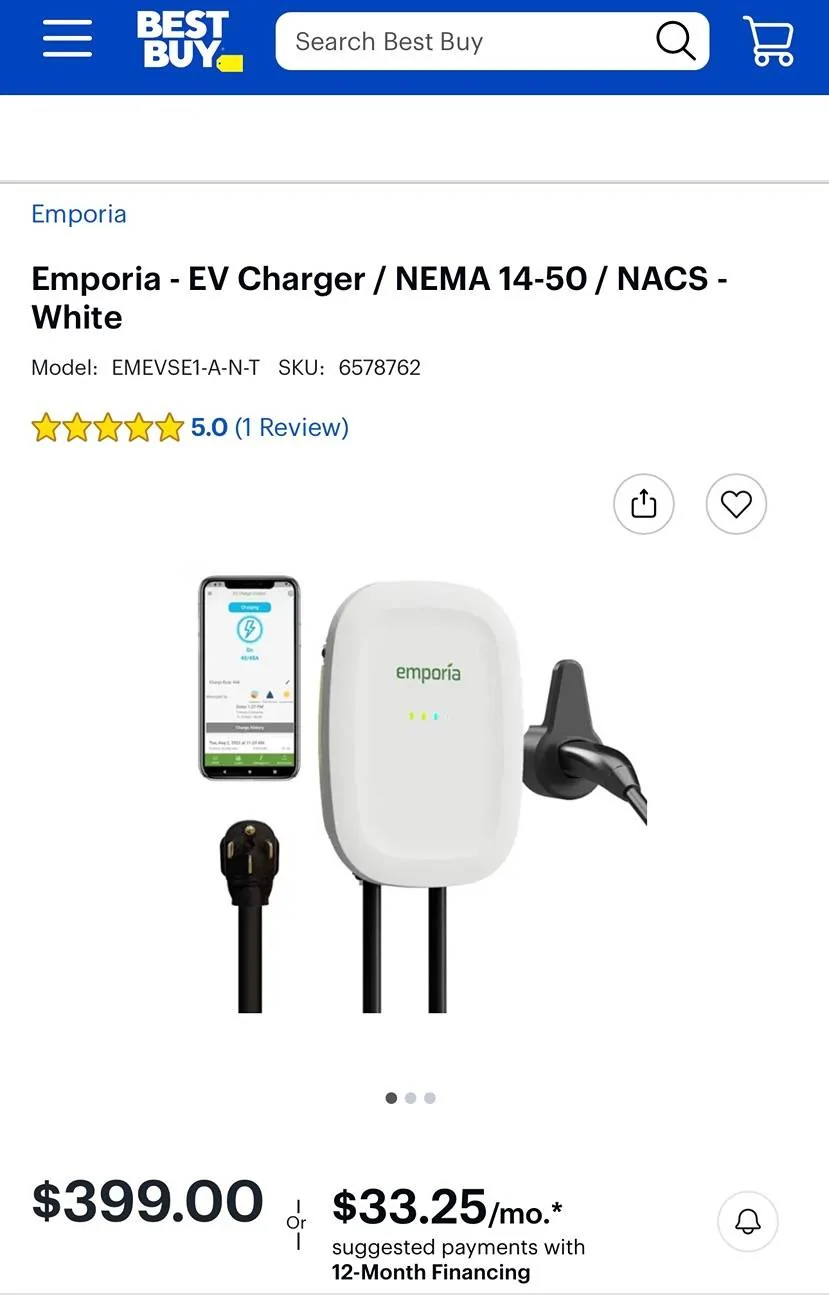
I too, have an $400 Emporia charger, but I had an electrician install a NEMA 14-50 plug in, with a 50 amp breaker and the appropriate sized wiring, for $600. Then it’s 3 screws to mount the wall charger next to your outlet plug.

Ford Maverick Ford to launch Maverick EV (I hope this is true) IMG_2003


In this configuration, it can supply 40 amps, or 9,600 watts at 240 volts. According to National Electrical Code rules, a 14-50 plug, 50 amp breaker and appropriately sized wiring can operate at 50 amps “intermittent”, which in NEC terms means “loads expected to last less than 3 hours”. Since EV loads frequently go longer than 3 hours, they are considered to be “continuous” loads and are restricted to 80% of their maximum rating, out of the box. However, the Emporia charger is rated for 50 amps continuous, which means that if you have it hard wired to a 60 amp breaker and larger wiring, it will operate at the 80% duty cycle, 48 amps, or 11,500 watts continuous.

When it comes to efficiency, you have about 5% thermal loss in the car onboard charger, where the AC to DC rectification happens. And you have about 5% thermal loss in the battery while it charges.

Side note: the EVSE, electrical vehicle supply unit, or Emporia wall unit, it’s just a fancy, web connected power switch and just passes current through with negligible thermal loss.

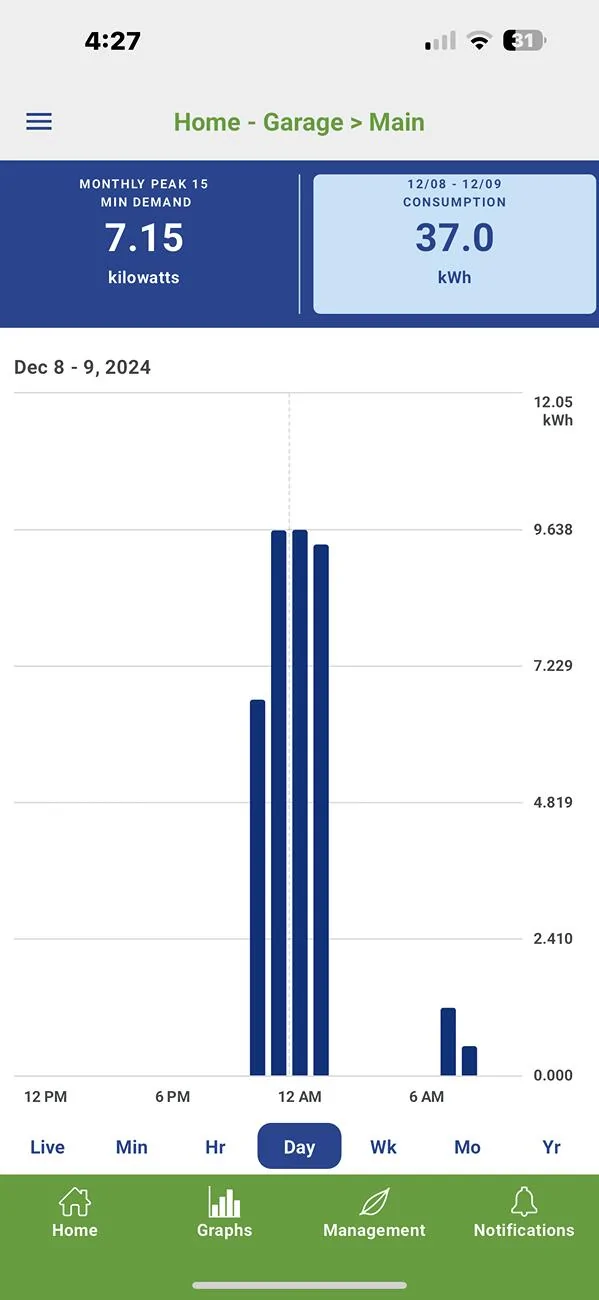
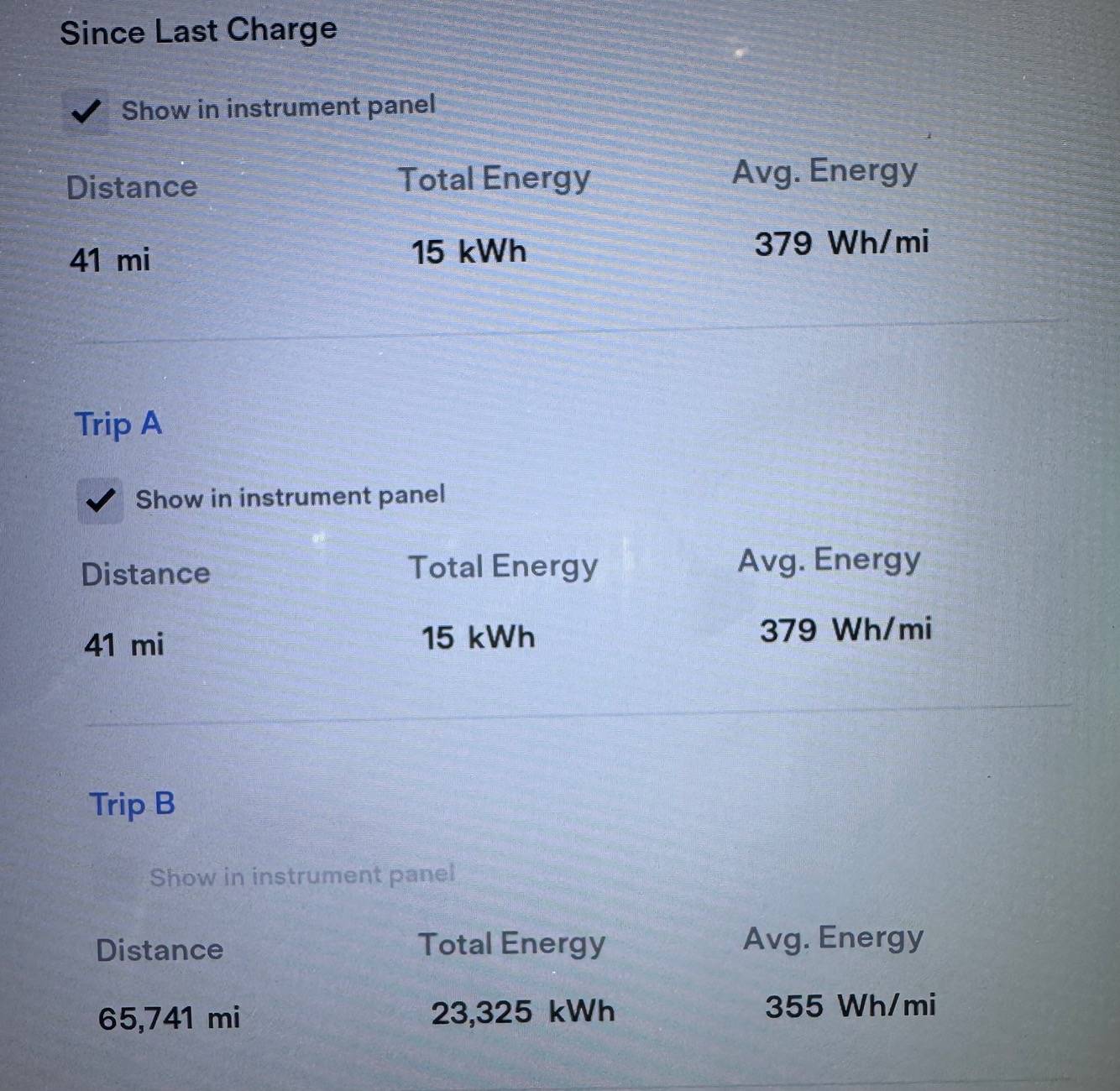
My daily electrical use in winter, according to my trip computer, is about 33 kwh per day. My Emporia charging logs shows that it sent 37 kwh to my car, so 10.8% thermal loss, meaning the power company is charging me 10.8% more than what my car says that I added.

Ford Maverick Ford to launch Maverick EV (I hope this is true) IMG_2005


So 4 hours of charging at 9,600 watts.

My commute is all freeway at 80 mph, so my consumption is 350 watt hours per mile. When you see manufactures talk about miles of range added per hour, they are going to be using the city EPA consumption, which will be around 250 watt hours per mile, in order to make the charging rate look more palatable. But for freeway only, expect 320 to 350 wH/mile.
Ford Maverick Ford to launch Maverick EV (I hope this is true) IMG_2004


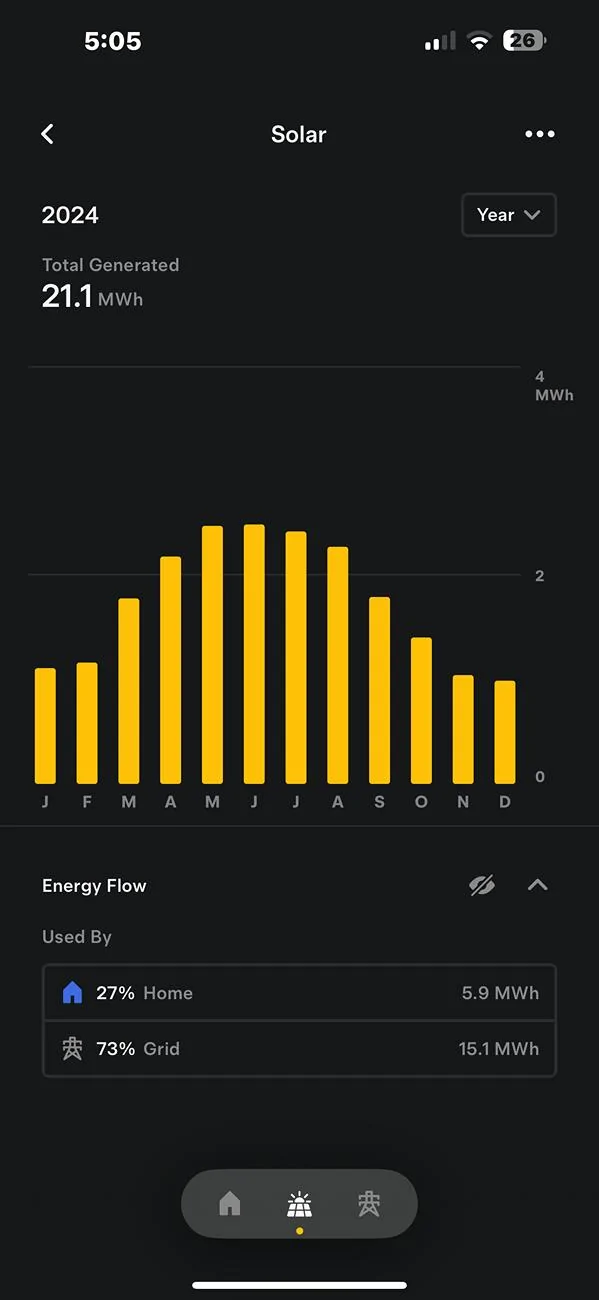
But I don’t actually have to pay for this electrical use, because I make 21,100 kWh (21.1 MWh) per year.
Ford Maverick Ford to launch Maverick EV (I hope this is true) IMG_2006


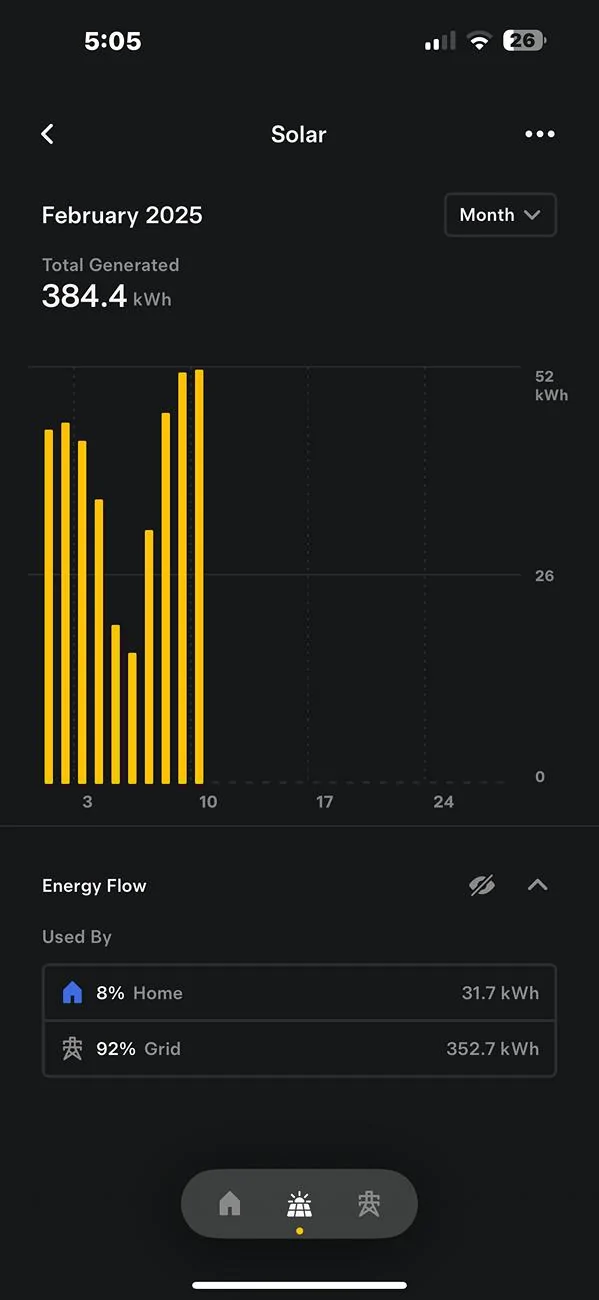
Even in early Feb, I’m making 52 kwh on sunny days. Last week we had a storm and it went as low as 20 kwh with dense cloud cover.
Ford Maverick Ford to launch Maverick EV (I hope this is true) IMG_2007


As mentioned in an earlier post in this thread, I have a 14.4 kw Tesla system from Tesla.com/energy, 36 panels x 400 watts. It was $33,600, which was $23,520 after the 30% tax credit for solar installations.
 
Last edited:

Glen Baker LLC

2.5L Hybrid
Well-known member
Joined
May 29, 2024
Threads
29
Messages
7,139
Reaction score
11,943
Location
Central Nevada & Utah
Vehicle(s)
Maverick XLT Hybrid
Engine
2.5L Hybrid
I too, have an $400 Emporia charger, but I had an electrician install a NEMA 14-50 plug in, with a 50 amp breaker and the appropriate sized wiring, for $600. Then it’s 3 screws to mount the wall charger next to your outlet plug.

IMG_2003.jpeg


In this configuration, it can supply 40 amps, or 9,600 watts at 240 volts. According to National Electrical Code rules, a 14-50 plug, 50 amp breaker and appropriately sized wiring can operate at 50 amps “intermittent”, which in NEC terms means “loads expected to last less than 3 hours”. Since EV loads frequently go longer than 3 hours, they are considered to be “continuous” loads and are restricted to 80% of their maximum rating, out of the box. However, the Emporia charger is rated for 50 amps continuous, which means that if you have it hard wired to a 60 amp breaker and larger wiring, it will operate at the 80% duty cycle, 48 amps, or 11,500 watts continuous.

When it comes to efficiency, you have about 5% thermal loss in the car onboard charger, where the AC to DC rectification happens. And you have about 5% thermal loss in the battery while it charges.

Side note: the EVSE, electrical vehicle supply unit, or Emporia wall unit, it’s just a fancy, web connected power switch and just passes current through with negligible thermal loss.

My daily electrical use in winter, according to my trip computer, is about 33 kwh per day. My Emporia charging logs shows that it sent 37 kwh to my car, so 10.8% thermal loss, meaning the power company is charging me 10.8% more than what my car says that I added.

IMG_2005.jpg


So 4 hours of charging at 9,600 watts.

My commute is all freeway at 80 mph, so my consumption is 350 watt hours per mile. When you see manufactures talk about miles of range added per hour, they are going to be using the city EPA consumption, which will be around 250 watt hours per mile, in order to make the charging rate look more palatable. But for freeway only, expect 320 to 350 wH/mile.
IMG_2004.jpeg


But I don’t actually have to pay for this electrical use, because I make 21,100 kWh (21.1 MWh) per year.
IMG_2006.jpg


Even in early Feb, I’m making 52 kwh on sunny days. Last week we had a storm and it went at low as 20 kwh with dense cloud cover.
IMG_2007.jpg


As mentioned in an earlier post in this thread, I have a 14.4 kw Tesla system from Tesla.com/energy, 36 panels x 400 watts. It was $33,600, which was $23,520 after the 30% tax credit for solar installations.
Do you have the Power Bank?
 

Phimosis

2.0L EcoBoost
Well-known member
First Name
Larry
Joined
Jul 18, 2024
Threads
2
Messages
1,180
Reaction score
1,517
Location
Santa Clarita, CA
Vehicle(s)
2024 Maverick Lariat FX4 4K tow
Engine
2.0L EcoBoost
Do you have the Power Bank?
No, I didn’t buy the Tesla “power wall” battery backup. Each one holds 14 kWh of electricity. The first one costs $12,000 and each one after that is $7,000. I would need at minimum, 2 power walls and probably 3 of them to run my house comfortably, so $19,000-$26,000. The first one is more expensive because it includes the intverter, wiring, city permit and inspection.

I have had solar for 2.5 years and I have had zero power outages. My thought going in was that if power outages became an issue, I could get a battery backup installed later. So far it is not looking like I need it.
 

inline_five

2.5L Hybrid
Well-known member
Joined
Jun 15, 2023
Threads
32
Messages
1,158
Reaction score
1,609
Location
-
Vehicle(s)
2023 Hybrid XLT
Engine
2.5L Hybrid
No, I didn’t buy the Tesla “power wall” battery backup. Each one holds 14 kWh of electricity. The first one costs $12,000 and each one after that is $7,000. I would need at minimum, 2 power walls and probably 3 of them to run my house comfortably, so $19,000-$26,000. The first one is more expensive because it includes the intverter, wiring, city permit and inspection.

I have had solar for 2.5 years and I have had zero power outages. My thought going in was that if power outages became an issue, I could get a battery backup installed later. So far it is not looking like I need it.
I know you're trying to be helpful, but you live in an area of the country that gets rain 1.8 days a month. You also live in an area that pays out the wazoo for electricity at ~$0.40/kwh (I choked just writing that!!).

Most of us live in much more varied climates with many more days of cloudy, rainy weather and pay 1/3 of what you do in electricity.

If I lived where you do I'd 100% before solar.
 
Sponsored

Maverick Man

2.5L Hybrid
Well-known member
First Name
Larry
Joined
Oct 18, 2021
Threads
3
Messages
52
Reaction score
33
Location
Bonney Lake, WA
Vehicle(s)
2013 Mazda 3
Engine
2.5L Hybrid
Clubs
 
Let's see if the tax credit is around still. If you can snag the hybrid for 30k and they sell the full electric model for 40k after tax incentives, I don't spend anything remotely close to 10k in gas/maintenance so for most consumers it would make zero sense.
I don't want my taxes going for those who can afford an electric vehicle. Seeing that Ford is losing so much on electric vehicles already, it's hard to see how this is a profitable idea, though I admit, it sounds good.
 

The Real Maverick

2.5L Hybrid
Banned
Banned
First Name
Jack
Joined
Jan 13, 2024
Threads
31
Messages
2,999
Reaction score
4,142
Location
USA
Vehicle(s)
Maverick Hybrid
Engine
2.5L Hybrid
I don't want my taxes going for those who can afford an electric vehicle. Seeing that Ford is losing so much on electric vehicles already, it's hard to see how this is a profitable idea, though I admit, it sounds good.
I hope you know, the exact form of Hybrid you are driving now received subsidies for about the first 10 years or so. It takes a while for prices to come down to Par. But the Maverick is an example of hybrids now being on par with gas only vehicles.
 

WileeCoyo

2.5L Hybrid
Member
First Name
Jim
Joined
Dec 5, 2024
Threads
0
Messages
7
Reaction score
8
Location
Pacific Northwest
Vehicle(s)
1994 Ford Ranger
Engine
2.5L Hybrid
I too, have an $400 Emporia charger, but I had an electrician install a NEMA 14-50 plug in, with a 50 amp breaker and the appropriate sized wiring, for $600. Then it’s 3 screws to mount the wall charger next to your outlet plug.

IMG_2003.jpeg


In this configuration, it can supply 40 amps, or 9,600 watts at 240 volts. According to National Electrical Code rules, a 14-50 plug, 50 amp breaker and appropriately sized wiring can operate at 50 amps “intermittent”, which in NEC terms means “loads expected to last less than 3 hours”. Since EV loads frequently go longer than 3 hours, they are considered to be “continuous” loads and are restricted to 80% of their maximum rating, out of the box. However, the Emporia charger is rated for 50 amps continuous, which means that if you have it hard wired to a 60 amp breaker and larger wiring, it will operate at the 80% duty cycle, 48 amps, or 11,500 watts continuous.

When it comes to efficiency, you have about 5% thermal loss in the car onboard charger, where the AC to DC rectification happens. And you have about 5% thermal loss in the battery while it charges.

Side note: the EVSE, electrical vehicle supply unit, or Emporia wall unit, it’s just a fancy, web connected power switch and just passes current through with negligible thermal loss.

My daily electrical use in winter, according to my trip computer, is about 33 kwh per day. My Emporia charging logs shows that it sent 37 kwh to my car, so 10.8% thermal loss, meaning the power company is charging me 10.8% more than what my car says that I added.

IMG_2005.jpg


So 4 hours of charging at 9,600 watts.

My commute is all freeway at 80 mph, so my consumption is 350 watt hours per mile. When you see manufactures talk about miles of range added per hour, they are going to be using the city EPA consumption, which will be around 250 watt hours per mile, in order to make the charging rate look more palatable. But for freeway only, expect 320 to 350 wH/mile.
IMG_2004.jpeg


But I don’t actually have to pay for this electrical use, because I make 21,100 kWh (21.1 MWh) per year.
IMG_2006.jpg


Even in early Feb, I’m making 52 kwh on sunny days. Last week we had a storm and it went as low as 20 kwh with dense cloud cover.
IMG_2007.jpg


As mentioned in an earlier post in this thread, I have a 14.4 kw Tesla system from Tesla.com/energy, 36 panels x 400 watts. It was $33,600, which was $23,520 after the 30% tax credit for solar installations.
I LOVE it when someone shows their homework! Planning on getting a new roof next year and adding solar! You will never see so much information from me! Thank you!
 
OP
OP

Scott Asheville

2.0L EcoBoost
Well-known member
First Name
Scott
Joined
Oct 4, 2021
Threads
79
Messages
2,319
Reaction score
5,449
Location
Asheville, NC
Vehicle(s)
2022 AWD XLT ECO LUX CP360 HPR
Engine
2.0L EcoBoost
I made sure my electrician wired a high amperage 240V outlet in the garage while building my house. It was cheap future-proofing.
 
OP
OP

Scott Asheville

2.0L EcoBoost
Well-known member
First Name
Scott
Joined
Oct 4, 2021
Threads
79
Messages
2,319
Reaction score
5,449
Location
Asheville, NC
Vehicle(s)
2022 AWD XLT ECO LUX CP360 HPR
Engine
2.0L EcoBoost
One thing a lot of well-intentioned ICE folk on MTC miss is that Ford competes in a global market. The US market right now is around 17 million units a year. The global market is almost 90 million units. Volume is everything in the global market - if you don't have scale, you become a small boutique maker like Ferrari. That doesn't mean you don't make good money. It just means you sell to a niche. You're small and irrelevant.

The market in the developed world is going BEV in a big way. If Ford and the other USA OEMs don't move to BEVs, they become uncompetitive on the global market because they will lack the scale needed to compete.

You have to spend money to make money. You can call it a "loss" all you want, but it's an investment in the future. Ford "lost" $1.5 billion developing the Maverick. And it takes years of sales to recoup that R&D investment - they're probably just starting to make real money on a program basis now. But once you recover your investment costs, then you're printing gobs of money.

So Ford, please keep "losing" $5 billion a year on BEVs. Because I want to be able to buy a Ford in 2035, not a BYD.
Sponsored


Top