


The 2.0L EcoBoost has knock sensors and Ford's Octane Adjust Ratio (OAR) system that allow you to safely run 87 to 93 octane without any problems at all. Yes, higher octane will increase power slightly, I would use higher octane if i were towing all the time. But I will stick with 87, which I have run in all the Fords I've had over the years (except for the 6.0L diesel). I have never had a problem with running regular 87 octane fuel. Even on my tuned F-150 3.5L—which had an SCT tuner with custom 87 and 93 octane tunes—I ran the 87 tune all the time.
For the 2.0L EcoBoost™ engine, the fuel specifications and tank capacity are as follows:
Fuel Quality and Octane Rating
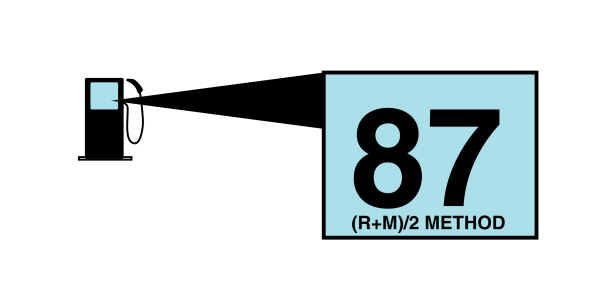
Your vehicle is designed to operate on regular unleaded gasoline with a minimum pump (R+M)/2 octane rating of 87[1].
The advertised capacity for the 2.0L EcoBoost™ engine (excluding Hybrid models) is 16.5 gal (62.4 L)[2].
The advertised capacity is the maximum amount of fuel you can add when the fuel gauge indicates empty[3]. The tank also contains an unspecified "empty reserve" amount that remains when the gauge shows empty[3].
For the 2.0L EcoBoost™ engine, the fuel specifications and tank capacity are as follows:
Fuel Quality and Octane Rating
Your vehicle is designed to operate on regular unleaded gasoline with a minimum pump (R+M)/2 octane rating of 87[1].
- Premium Fuel: For best overall vehicle and engine performance, premium fuel with an octane rating of 91 or higher is recommended[1]. This is most noticeable in hot weather or when towing a trailer[1].
- Top Tier Fuel: It is recommended to use Top Tier detergent gasolines to help minimize engine deposits and maintain optimal performance[1].
- Prohibited Fuels: Do not use diesel, leaded fuel, fuels containing methanol, or fuels with more than 15% ethanol (E15) or E85[1].
The advertised capacity for the 2.0L EcoBoost™ engine (excluding Hybrid models) is 16.5 gal (62.4 L)[2].
The advertised capacity is the maximum amount of fuel you can add when the fuel gauge indicates empty[3]. The tank also contains an unspecified "empty reserve" amount that remains when the gauge shows empty[3].
Sponsored
Last edited: