

I have literally purchased vehicles in less time than it would take to read that.
Sponsored
Yeah, I'm a big Costco shopper but I have looked into their program several times when we were looking at purchasing a new vehicle. It has improved slightly over the years but at least where I live there were limited amounts of dealerships that participated, limited options available and it seemed to be the same exact program, and pricing, as TrueCar. It was pretty disappointing. If you're already a member it doesn't hurt to look, but I wouldn't join Costco expecting to save a lot of money through their program.RE: COSTCO I haven't bought with Costco Auto but, I believe not all vehicles are available, manufacturer may be involved, you will have a contact that has been trained for costco, possibly through dealers fleet sales (qualify for fleet pricing, etc?). Costco participant will show up here, I expect.

Just tried this method earlier today for curiosity. Mavericks currently are NOT part of their program in my area. Read the message highlighted in the middle "light yellow banner"RE: COSTCO I haven't bought with Costco Auto but, I believe not all vehicles are available, manufacturer may be involved, you will have a contact that has been trained for costco, possibly through dealers fleet sales (qualify for fleet pricing, etc?). Costco participant will show up here, I expect.
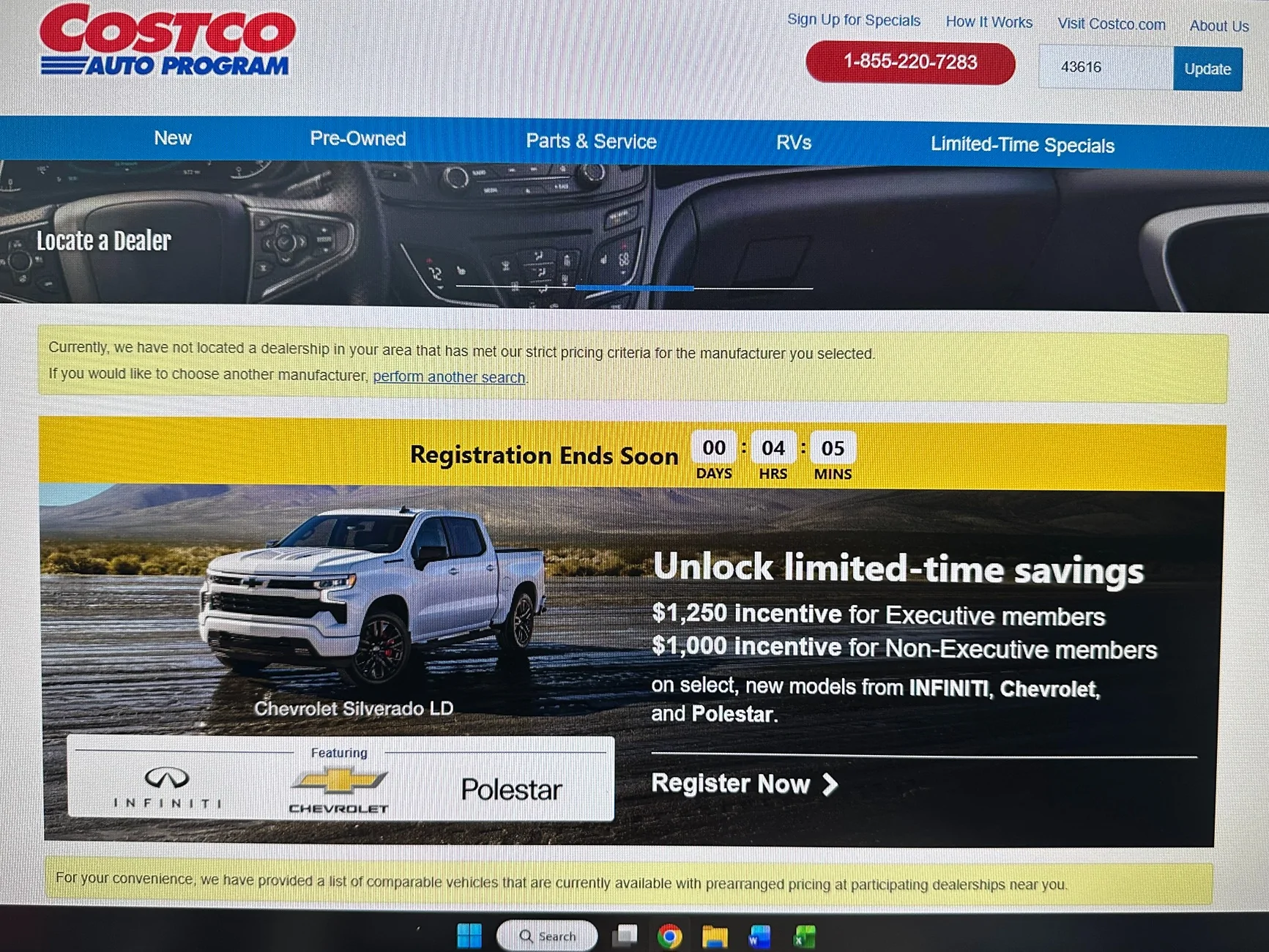
I believe that the vehicles in the COSTCO program (might be) manufacturer $ supported "specials" of models they need/want to sell. I don't buy vehicles but every 7-12 years and have never found something I was considering available when I check.Just tried this method earlier today for curiosity. Mavericks currently are NOT part of their program in my area. Read the message highlighted in the middle "light yellow banner"on this attached pic.
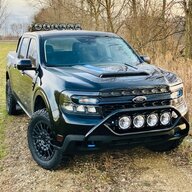
I'm 85 and I've bought a lot of new cars. For the past 33 years I've lived in a small community where most dealerships are family owned with deep roots in the community. I know for a fact (even though it's frowned upon) that my local dealer will give me service preference over the neighbor that bought his truck online three states over. Too, I was involved in some charity fundraisers and local dealers are a major source of funds. The local dealer supporting community events deserves my support. How many local youth soccer teams have jerseys with JOE'S DIGITAL TRUCK SALES on them? Finally, the money I spend with local dealers stays in the community. And, yes, I'm old fashioned and believe in supporting local businesses. Flame on!


You sound like my long lost brotherMost people hate the car buying experience; I don’t. I love it. I love the back and forth and treat it as a game I am determined to win. I don’t understand why car dealers make it so painful to buy vehicles; the process is slowly changing but for most people it is like getting a root canal without any anesthesia.
Here’s a couple of things I have learned and pass them on to you to help ease the pain of buying a Maverick (or any vehicle). I recently bought a “new” 2025 Maverick at a great price and while I can’t assure you that you will save a bunch of money, some of the items here might reduce the stress.
Understand dealer financials-A car dealer makes money on both sales of cars (new and used) and on service. Service generates 40%+ gross margin vs maybe 2-3% on new sales and 10% on used sales. (I didn’t even address in-house financing which is also a huge profit center as well) Generally, the dealer has 90 days financing from the bank to have a vehicle on the lot interest free. After that, they start paying the bank for having the vehicle. The manufacturer offers them a guaranteed profit in the form of monies called holdback which can range anywhere from 1%-5% of MSRP depending on the model. This is sacred money to a dealer, and they are highly reluctant to dig into his pool to make a deal, but under some circumstances will do so. So, when you sit for 4 hours and think you have beat the salesperson into submission and he sighs and tells you he is not making any money but will sell at his Invoice cost plus $100 to make both sides happy, understand they are making the $100 PLUS the holdback monies as well. He just made 2-3% which is average. It’s not much but the true goal is to move units. (They will attempt to make more profit from you once they get you with the finance dept to finalize the deal.) Making their sales goals from the manufacturer helps them get more popular models allotted to them later. A dealer will take an actual small loss on a sale if they need to make a sales goal. Making the goal unlocks a bonus from the manufacturer back to car 1 sold in the quarter. They might lose $1000 from your sale but unlock 10’s of thousands of dollars in total for the cars they sold in the quarter once they enter the bonus round from the manufacturer.
Know your type of dealer- Are they a small town “aw shucks” store, a no haggle, “our price is clearly posted” store, or large volume “turn ‘em and burn ‘em” multi-location chain store? All of them negotiate. They just do so quietly and in different manners. The trick is to determine their method of doing so then using the same language to engage them. The small-town store is less pressure-filled, but they are also least likely to deal aggressively initially. They will wait for the “right buyer” to come along. The fixed price store does not consider offers and will deal only when presented with confirmed, in-writing, competitive offers usually at the end of the quarter. The high-volume dealer has plenty of inventory and you can score some great deals anytime but will subject you to thumbscrews and water torture as you deal. Remember, though, they all want to sell a vehicle. Your job is to find their hot button and not only push it but make it totally inoperable after pushing it so hard and so often.
Do your pricing research-Know what others in the market are paying for your vehicle. Autotrader.com and cargurus.com is where I got a lot of my pricing info. I even built a simple excel sheet consisting of the date I first noticed the vehicle, the dealer’s name, the VIN I was interested in, and the price. Over a month’s time, it was interesting to see how some had moved and some had not. You want to make a great deal, but you must be reasonable. There is a difference between an aggressive offer and a lowball offer. An aggressive offer is backed up by facts, competitive info, and history. A lowball is just a number tossed out to see if they are dumb enough to take it. They aren’t. You lose credibility when you lowball a dealer. Know your numbers, defend your numbers, and stick to your numbers, but don’t be foolish. No one is in business to give you a vehicle.
Study the inventory-From above, a car on the lot sitting there over 90 days is now moving to the top of the list the dealer wants gone. Ask them how long the car has been there. Check the build date on the window sticker to determine how old the car is. An older vehicle begins to accrue “curtailment payments” the dealer pays to the bank to keep it. Dealers are in the business of selling cars, not owning cars. Every car that they make a curtailment payment over is now beginning to become something they don’t want to own. Of course, this isn’t always a hard and fast rule, but those vehicles tend to show up on inventory reports that need to be addressed sooner than later. The smaller dealers are notoriously slow to clear these units from inventory. Target the “turn and burn” dealers for deals on a vehicle that has been in inventory a long time.
Scrutinize the sales structure-Study the details of those hot prices. They are not always as attractive as they appear. I bought a 2025 XLT at end of Q1 2026 when Ford had $2500 customer incentive money available in my market. One dealer (not mine) advertised a hot price on a loaded XLT of $33,800 which was $38,000 MSRP- “our” $700 discount-$2500 Ford money-$500 First responder discount -$500 first time buyer money. The only problem was I wasn’t a first responder, not a first-time buyer, and the $2500 Ford money is to me, the buyer, not to the dealer. So, $1000 of those monies don’t apply to me and the dealer is assuming I will use the $2500 directed toward me against the price of the vehicle. I probably will, but I may want to take a vacation or buy some furniture with that money. It’s not for the dealer to decide how to apply it. So, I asked the dealer for the cost-vehicle only. I can do basic 4th grade math and subtract the rebates myself. Suddenly, my vehicle-only price is $37,800. Most people would see that price and simply keep looking elsewhere. The dealers know this, so offer these low prices IF you can meet all the conditions. A discount of only $700 on a MSRP $38,000 2025 model year vehicle when 2026 models are on the lot is weak; truly weak. Negotiate the price of a vehicle without rebates, then apply them after you agree on a price. Insist on all price quotes for “vehicle only, pricing out the door (OTD) including tax, titles and license (TTL). No dealer add-ons, no rebates, no additional dealer profit and a clear line-item breakdown of all costs. If they can’t or won’t do so, tell them goodbye.
When should I buy-Dealers work on a quarterly basis. I have bought cars on both Dec, 31 and March 31 in the past. EOY is truly prime time, but EOQ is almost as good. They are trying to make their quarterly sales goal and if they are a unit or two short, they will cut a deal to get the volume even if it is unprofitable. If not at the end of quarter, the end of month is also a good time as they are tracking their running rate for the quarter. If it is not EOM or EOQ, avoid the weekend as this is the busy time when Mom and Pop are out “looking for a car”, the managers are busy with others, and your offer is more likely to be rejected because you are a savvy buyer and will take more of their time. Make your contact late Monday afternoon or Tuesday morning. The weekend is over, they know where they stand, and now they are concentrating on deals to make their goals.
Drop the emotion-This one is hard, but, necessary if you are trying to score a deal. When someone says,” well, I wasn’t intending to buy a car today, but I got a great deal!”, most of the time they left a lot of money on the table. Do not show excitement or frustration; remain calm and neutral. Emotions cause fatigue and fatigue causes errors. “I’ve sat here for 5 hours; I just want to get this over with!” At that point you are most vulnerable and dealers know it. The “grind” is designed to wear you down. There is no need to be in a dealership any longer than 2 hours tops to wrap up a deal and send you on your way if you have nailed everything down in advance. If you do get frustrated, leave. As a serious buyer, they will call you back. See “Stay off the lot” below for more.
Who do I address: Your first contact is with the internet guy. Bypass the guy that runs out to meet you immediately when you enter the lot. He is the gate keeper. His job is to extract as much money from you as possible but has no power to decide if they accept your offer. If you make what he thinks is a lowball offer, he won’t even present it to the floor manager. He’ll leave the office, grab a cup of coffee, let you cool your heels for 10 minutes or so, then come back and tell you that we can’t do your offer but “we can do this”. And he talked to no one in authority the whole time. Like any successful negotiation, you want to deal with the person who can make a decision. The lot guy isn’t it. Remember, he and the sales manager have two different goals: The salesperson is trying to get as much commission as possible; the sales manager is tasked to move units profitably but still recognizing the need to meet volume goals and act strategically. Your aggressive low-price offer might fit into their need to make their sales goals. When contacting the internet person your name and contact info is in their database. The sales manager is going to know you have made an offer, even if it is rejected. You become someone they chase later when they need to move a car, and you are still in the market.
Stay off the lot- Get a confirmed written (or text ) message price before doing anything. You don’t step foot on the lot until you have an agreed price. Ignore the “Come on in and take it for a test drive” invitation. Don’t waste time on test drives. You only need to test drive 2 vehicles: the first one to see if that model works for you and the second one you intend to buy. If the model isn’t for you, you move on to something else. If it does work, they all drive the same. You just test drive the one you intend to buy BEFORE signing any paperwork. Note any minor deficiencies upon arrival such as lot scratches, small dents, etc but don’t mention them to the salesperson. Then as you are finalizing the pricing paperwork and the price has been agreed, list these items to be corrected as the ’We Owes” part of the contract. Do not rely on verbal promises to correct or address anything. We Owes are an enforceable part of the contract. (You don’t mention them in advance of price negotiation as the dealer sees these as costs that affect his front-end gross profit. Addressing them after you have an agreed price for the vehicle, he now can allot this to the service dept. side of his ledger which is separate from the sales side.)
Conduct all negotiations electronically, preferably by text- I physically visited only 2 dealers for my purchase: Once when I first test drove a Maverick to see if I really was interested in buying one and then when I picked up the one I purchased. In the meantime, I was in contact with 5 other dealerships getting pricing. Of course, they all wanted me to come in. I communicated with them electronically and did so at my convenience. I wasn’t going to sit on their lot for hours. I simply told them I had driven the model, liked the model, and was prepared to buy today if they could meet my number. It’s 2026; everything is done by text now.
Remain Flexible- but firm The more “I gotta have’s” you tell the dealer about on a vehicle, the less bargaining power you have. Now, don’t settle for something just because it is a good price. Be willing though to give up some options/colors/services if you want a good price. You need a tow package, but do you need the carpeted mats? Use that as a throwaway item. They can’t come down $500 to make a deal? Insist on a bed mat if you go the extra $500. Can you live with a different color? Every time you make a price concession, ask for something in return (one year’s free oil changes, battery/add on’s, etc. at dealer cost). From above, the more items you reveal that you want, the less leverage you have.
Deciphering dealer language-A common question along the lines of, “So, what do we need to do to earn your business today”? will be asked at some point. The answer: “Your best price possible”. That’s it; “Your best price possible”. Do not answer with a number, a range, or a desired payment amount. The conversation is now shifted back to them to set some type of term of offer. The first one in any negotiation to stake a position loses. Make them give you an opening position you can use as a boundary to see their thinking. The reluctancy to consider your offer of “We’ve had a lot of interest in that vehicle, I’m not sure we can do that” results in you replying, “But I am here now. And that is what I am willing to pay.” Put the dealer in the position of having to “go first”. Listen closely to their language and make sure their actions match it. Ignore the drama; it’s all for show.
Do not be afraid of the word NO-I declined a counteroffer on a 370-day old Maverick that had racked up a couple of curtailment payments after repeated back and forth offer emails with the internet guy. We were only $500 apart but at that point the vehicle was simply not for me. After telling him I was done, the internet guy thanked me and wished me good luck. 2 hours later the Sales manager jumped into the email thread and asked, “Out of curiosity, what would it take to get this deal done?” This is a desperate plea to keep me on the hook as they really need to move a vehicle in their inventory that is over a year old. They have made multiple curtailment payments and any hope of profit on this vehicle is long gone. They have eaten through their holdback monies and will have to at a minimum provide a new battery and probably some new tires which is going to cost them more money on a vehicle that has been sitting for over a year. Why would I buy a year-old car when I can get a new model year car for a few hundred dollars more? At this point, they are just trying to stem the monthly bleed they are experiencing. I could have held their feet to the fire and even dropped my offer another $500 (and they probably would have agreed to it) but, I was done. No is a powerful word in negotiations. Do not be afraid to use it.
Wrapping it all up-Behind the service dept. the finance dept is a key component of dealer profit. A dealer can make more profit here than on the actual sale of the car. Be sure to be careful and pay close attention to everything happening here. Unlike the terms and conditions that no one reads when installing a program on their computer or owner’s manual on your new TV, you HAVE TO understand and read everything put in front of you to sign. Do not be rushed and do not be afraid to tell the finance person that you might need 15 minutes to go through all the paperwork. Suggest they go get a cup of coffee and you will wait for them to return if you finish up early. Make sure the “We Owes” list anything you want addressed; do not rely on verbal promises. Many times, the We Owes are “forgotten” or left blank during the closing process and if they are, you have no recourse if something is failed to be addressed later that was committed to verbally. Financing options are negotiable as well. Get a quote from your bank in advance to compare interest rates. If your credit is a bit shaky, they might jack you up to a random number. Don’t be afraid to make a counter proposal. Ask if the rate quoted is the buy rate (what they are quoted from their bank) or sell rate (the amount you are being quoted now). Deals are commonly lost in the finance office on this point. Insist on no dealer add-ons (VIN etching, undercoating etc.). If they tell you that all their cars receive this treatment and can’t be removed, then have them subtract those add-ons from the agreed price. Nothing is final until you sign on the bottom line. Know what you are signing.
That’s it. I am not a know-it-all and don’t have all the answers. I am, though, not afraid to push back and am more than ready to advocate for myself if conditions do not align with my goals. You can do it too. It might feel a bit uncomfortable but remember you have the power. They must sell THEIR vehicle. You can buy ANY vehicle
 I have purchased over 20 vehicles in my life, all but 3 from dealerships. I too love “the game” and I really love when the sales team, like the manager or salesperson, breaks the wall down after it’s all done and tells me (genuinely, off the record type of way) that I did a good job.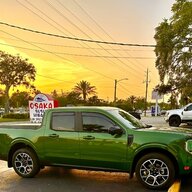
That’s a lot of information to digest - I’ve purchased a lot of new vehicles and I have yet to experience buyers remorse- I like to keep it simple.Most people hate the car buying experience; I don’t. I love it. I love the back and forth and treat it as a game I am determined to win. I don’t understand why car dealers make it so painful to buy vehicles; the process is slowly changing but for most people it is like getting a root canal without any anesthesia.
Here’s a couple of things I have learned and pass them on to you to help ease the pain of buying a Maverick (or any vehicle). I recently bought a “new” 2025 Maverick at a great price and while I can’t assure you that you will save a bunch of money, some of the items here might reduce the stress.
Understand dealer financials-A car dealer makes money on both sales of cars (new and used) and on service. Service generates 40%+ gross margin vs maybe 2-3% on new sales and 10% on used sales. (I didn’t even address in-house financing which is also a huge profit center as well) Generally, the dealer has 90 days financing from the bank to have a vehicle on the lot interest free. After that, they start paying the bank for having the vehicle. The manufacturer offers them a guaranteed profit in the form of monies called holdback which can range anywhere from 1%-5% of MSRP depending on the model. This is sacred money to a dealer, and they are highly reluctant to dig into his pool to make a deal, but under some circumstances will do so. So, when you sit for 4 hours and think you have beat the salesperson into submission and he sighs and tells you he is not making any money but will sell at his Invoice cost plus $100 to make both sides happy, understand they are making the $100 PLUS the holdback monies as well. He just made 2-3% which is average. It’s not much but the true goal is to move units. (They will attempt to make more profit from you once they get you with the finance dept to finalize the deal.) Making their sales goals from the manufacturer helps them get more popular models allotted to them later. A dealer will take an actual small loss on a sale if they need to make a sales goal. Making the goal unlocks a bonus from the manufacturer back to car 1 sold in the quarter. They might lose $1000 from your sale but unlock 10’s of thousands of dollars in total for the cars they sold in the quarter once they enter the bonus round from the manufacturer.
Know your type of dealer- Are they a small town “aw shucks” store, a no haggle, “our price is clearly posted” store, or large volume “turn ‘em and burn ‘em” multi-location chain store? All of them negotiate. They just do so quietly and in different manners. The trick is to determine their method of doing so then using the same language to engage them. The small-town store is less pressure-filled, but they are also least likely to deal aggressively initially. They will wait for the “right buyer” to come along. The fixed price store does not consider offers and will deal only when presented with confirmed, in-writing, competitive offers usually at the end of the quarter. The high-volume dealer has plenty of inventory and you can score some great deals anytime but will subject you to thumbscrews and water torture as you deal. Remember, though, they all want to sell a vehicle. Your job is to find their hot button and not only push it but make it totally inoperable after pushing it so hard and so often.
Do your pricing research-Know what others in the market are paying for your vehicle. Autotrader.com and cargurus.com is where I got a lot of my pricing info. I even built a simple excel sheet consisting of the date I first noticed the vehicle, the dealer’s name, the VIN I was interested in, and the price. Over a month’s time, it was interesting to see how some had moved and some had not. You want to make a great deal, but you must be reasonable. There is a difference between an aggressive offer and a lowball offer. An aggressive offer is backed up by facts, competitive info, and history. A lowball is just a number tossed out to see if they are dumb enough to take it. They aren’t. You lose credibility when you lowball a dealer. Know your numbers, defend your numbers, and stick to your numbers, but don’t be foolish. No one is in business to give you a vehicle.
Study the inventory-From above, a car on the lot sitting there over 90 days is now moving to the top of the list the dealer wants gone. Ask them how long the car has been there. Check the build date on the window sticker to determine how old the car is. An older vehicle begins to accrue “curtailment payments” the dealer pays to the bank to keep it. Dealers are in the business of selling cars, not owning cars. Every car that they make a curtailment payment over is now beginning to become something they don’t want to own. Of course, this isn’t always a hard and fast rule, but those vehicles tend to show up on inventory reports that need to be addressed sooner than later. The smaller dealers are notoriously slow to clear these units from inventory. Target the “turn and burn” dealers for deals on a vehicle that has been in inventory a long time.
Scrutinize the sales structure-Study the details of those hot prices. They are not always as attractive as they appear. I bought a 2025 XLT at end of Q1 2026 when Ford had $2500 customer incentive money available in my market. One dealer (not mine) advertised a hot price on a loaded XLT of $33,800 which was $38,000 MSRP- “our” $700 discount-$2500 Ford money-$500 First responder discount -$500 first time buyer money. The only problem was I wasn’t a first responder, not a first-time buyer, and the $2500 Ford money is to me, the buyer, not to the dealer. So, $1000 of those monies don’t apply to me and the dealer is assuming I will use the $2500 directed toward me against the price of the vehicle. I probably will, but I may want to take a vacation or buy some furniture with that money. It’s not for the dealer to decide how to apply it. So, I asked the dealer for the cost-vehicle only. I can do basic 4th grade math and subtract the rebates myself. Suddenly, my vehicle-only price is $37,800. Most people would see that price and simply keep looking elsewhere. The dealers know this, so offer these low prices IF you can meet all the conditions. A discount of only $700 on a MSRP $38,000 2025 model year vehicle when 2026 models are on the lot is weak; truly weak. Negotiate the price of a vehicle without rebates, then apply them after you agree on a price. Insist on all price quotes for “vehicle only, pricing out the door (OTD) including tax, titles and license (TTL). No dealer add-ons, no rebates, no additional dealer profit and a clear line-item breakdown of all costs. If they can’t or won’t do so, tell them goodbye.
When should I buy-Dealers work on a quarterly basis. I have bought cars on both Dec, 31 and March 31 in the past. EOY is truly prime time, but EOQ is almost as good. They are trying to make their quarterly sales goal and if they are a unit or two short, they will cut a deal to get the volume even if it is unprofitable. If not at the end of quarter, the end of month is also a good time as they are tracking their running rate for the quarter. If it is not EOM or EOQ, avoid the weekend as this is the busy time when Mom and Pop are out “looking for a car”, the managers are busy with others, and your offer is more likely to be rejected because you are a savvy buyer and will take more of their time. Make your contact late Monday afternoon or Tuesday morning. The weekend is over, they know where they stand, and now they are concentrating on deals to make their goals.
Drop the emotion-This one is hard, but, necessary if you are trying to score a deal. When someone says,” well, I wasn’t intending to buy a car today, but I got a great deal!”, most of the time they left a lot of money on the table. Do not show excitement or frustration; remain calm and neutral. Emotions cause fatigue and fatigue causes errors. “I’ve sat here for 5 hours; I just want to get this over with!” At that point you are most vulnerable and dealers know it. The “grind” is designed to wear you down. There is no need to be in a dealership any longer than 2 hours tops to wrap up a deal and send you on your way if you have nailed everything down in advance. If you do get frustrated, leave. As a serious buyer, they will call you back. See “Stay off the lot” below for more.
Who do I address: Your first contact is with the internet guy. Bypass the guy that runs out to meet you immediately when you enter the lot. He is the gate keeper. His job is to extract as much money from you as possible but has no power to decide if they accept your offer. If you make what he thinks is a lowball offer, he won’t even present it to the floor manager. He’ll leave the office, grab a cup of coffee, let you cool your heels for 10 minutes or so, then come back and tell you that we can’t do your offer but “we can do this”. And he talked to no one in authority the whole time. Like any successful negotiation, you want to deal with the person who can make a decision. The lot guy isn’t it. Remember, he and the sales manager have two different goals: The salesperson is trying to get as much commission as possible; the sales manager is tasked to move units profitably but still recognizing the need to meet volume goals and act strategically. Your aggressive low-price offer might fit into their need to make their sales goals. When contacting the internet person your name and contact info is in their database. The sales manager is going to know you have made an offer, even if it is rejected. You become someone they chase later when they need to move a car, and you are still in the market.
Stay off the lot- Get a confirmed written (or text ) message price before doing anything. You don’t step foot on the lot until you have an agreed price. Ignore the “Come on in and take it for a test drive” invitation. Don’t waste time on test drives. You only need to test drive 2 vehicles: the first one to see if that model works for you and the second one you intend to buy. If the model isn’t for you, you move on to something else. If it does work, they all drive the same. You just test drive the one you intend to buy BEFORE signing any paperwork. Note any minor deficiencies upon arrival such as lot scratches, small dents, etc but don’t mention them to the salesperson. Then as you are finalizing the pricing paperwork and the price has been agreed, list these items to be corrected as the ’We Owes” part of the contract. Do not rely on verbal promises to correct or address anything. We Owes are an enforceable part of the contract. (You don’t mention them in advance of price negotiation as the dealer sees these as costs that affect his front-end gross profit. Addressing them after you have an agreed price for the vehicle, he now can allot this to the service dept. side of his ledger which is separate from the sales side.)
Conduct all negotiations electronically, preferably by text- I physically visited only 2 dealers for my purchase: Once when I first test drove a Maverick to see if I really was interested in buying one and then when I picked up the one I purchased. In the meantime, I was in contact with 5 other dealerships getting pricing. Of course, they all wanted me to come in. I communicated with them electronically and did so at my convenience. I wasn’t going to sit on their lot for hours. I simply told them I had driven the model, liked the model, and was prepared to buy today if they could meet my number. It’s 2026; everything is done by text now.
Remain Flexible- but firm The more “I gotta have’s” you tell the dealer about on a vehicle, the less bargaining power you have. Now, don’t settle for something just because it is a good price. Be willing though to give up some options/colors/services if you want a good price. You need a tow package, but do you need the carpeted mats? Use that as a throwaway item. They can’t come down $500 to make a deal? Insist on a bed mat if you go the extra $500. Can you live with a different color? Every time you make a price concession, ask for something in return (one year’s free oil changes, battery/add on’s, etc. at dealer cost). From above, the more items you reveal that you want, the less leverage you have.
Deciphering dealer language-A common question along the lines of, “So, what do we need to do to earn your business today”? will be asked at some point. The answer: “Your best price possible”. That’s it; “Your best price possible”. Do not answer with a number, a range, or a desired payment amount. The conversation is now shifted back to them to set some type of term of offer. The first one in any negotiation to stake a position loses. Make them give you an opening position you can use as a boundary to see their thinking. The reluctancy to consider your offer of “We’ve had a lot of interest in that vehicle, I’m not sure we can do that” results in you replying, “But I am here now. And that is what I am willing to pay.” Put the dealer in the position of having to “go first”. Listen closely to their language and make sure their actions match it. Ignore the drama; it’s all for show.
Do not be afraid of the word NO-I declined a counteroffer on a 370-day old Maverick that had racked up a couple of curtailment payments after repeated back and forth offer emails with the internet guy. We were only $500 apart but at that point the vehicle was simply not for me. After telling him I was done, the internet guy thanked me and wished me good luck. 2 hours later the Sales manager jumped into the email thread and asked, “Out of curiosity, what would it take to get this deal done?” This is a desperate plea to keep me on the hook as they really need to move a vehicle in their inventory that is over a year old. They have made multiple curtailment payments and any hope of profit on this vehicle is long gone. They have eaten through their holdback monies and will have to at a minimum provide a new battery and probably some new tires which is going to cost them more money on a vehicle that has been sitting for over a year. Why would I buy a year-old car when I can get a new model year car for a few hundred dollars more? At this point, they are just trying to stem the monthly bleed they are experiencing. I could have held their feet to the fire and even dropped my offer another $500 (and they probably would have agreed to it) but, I was done. No is a powerful word in negotiations. Do not be afraid to use it.
Wrapping it all up-Behind the service dept. the finance dept is a key component of dealer profit. A dealer can make more profit here than on the actual sale of the car. Be sure to be careful and pay close attention to everything happening here. Unlike the terms and conditions that no one reads when installing a program on their computer or owner’s manual on your new TV, you HAVE TO understand and read everything put in front of you to sign. Do not be rushed and do not be afraid to tell the finance person that you might need 15 minutes to go through all the paperwork. Suggest they go get a cup of coffee and you will wait for them to return if you finish up early. Make sure the “We Owes” list anything you want addressed; do not rely on verbal promises. Many times, the We Owes are “forgotten” or left blank during the closing process and if they are, you have no recourse if something is failed to be addressed later that was committed to verbally. Financing options are negotiable as well. Get a quote from your bank in advance to compare interest rates. If your credit is a bit shaky, they might jack you up to a random number. Don’t be afraid to make a counter proposal. Ask if the rate quoted is the buy rate (what they are quoted from their bank) or sell rate (the amount you are being quoted now). Deals are commonly lost in the finance office on this point. Insist on no dealer add-ons (VIN etching, undercoating etc.). If they tell you that all their cars receive this treatment and can’t be removed, then have them subtract those add-ons from the agreed price. Nothing is final until you sign on the bottom line. Know what you are signing.
That’s it. I am not a know-it-all and don’t have all the answers. I am, though, not afraid to push back and am more than ready to advocate for myself if conditions do not align with my goals. You can do it too. It might feel a bit uncomfortable but remember you have the power. They must sell THEIR vehicle. You can buy ANY vehicle

Thanks Shack, there is a lot of truth in some of what you advised, but a bunch it is not very close to reality. I am retired, but I managed car dealerships, inventory and sales operations for forty years. It is interesting how the dealerships operation are perceived by the public.Most people hate the car buying experience; I don’t. I love it. I love the back and forth and treat it as a game I am determined to win. I don’t understand why car dealers make it so painful to buy vehicles; the process is slowly changing but for most people it is like getting a root canal without any anesthesia.
Here’s a couple of things I have learned and pass them on to you to help ease the pain of buying a Maverick (or any vehicle). I recently bought a “new” 2025 Maverick at a great price and while I can’t assure you that you will save a bunch of money, some of the items here might reduce the stress.
Understand dealer financials-A car dealer makes money on both sales of cars (new and used) and on service. Service generates 40%+ gross margin vs maybe 2-3% on new sales and 10% on used sales. (I didn’t even address in-house financing which is also a huge profit center as well) Generally, the dealer has 90 days financing from the bank to have a vehicle on the lot interest free. After that, they start paying the bank for having the vehicle. The manufacturer offers them a guaranteed profit in the form of monies called holdback which can range anywhere from 1%-5% of MSRP depending on the model. This is sacred money to a dealer, and they are highly reluctant to dig into his pool to make a deal, but under some circumstances will do so. So, when you sit for 4 hours and think you have beat the salesperson into submission and he sighs and tells you he is not making any money but will sell at his Invoice cost plus $100 to make both sides happy, understand they are making the $100 PLUS the holdback monies as well. He just made 2-3% which is average. It’s not much but the true goal is to move units. (They will attempt to make more profit from you once they get you with the finance dept to finalize the deal.) Making their sales goals from the manufacturer helps them get more popular models allotted to them later. A dealer will take an actual small loss on a sale if they need to make a sales goal. Making the goal unlocks a bonus from the manufacturer back to car 1 sold in the quarter. They might lose $1000 from your sale but unlock 10’s of thousands of dollars in total for the cars they sold in the quarter once they enter the bonus round from the manufacturer.
Know your type of dealer- Are they a small town “aw shucks” store, a no haggle, “our price is clearly posted” store, or large volume “turn ‘em and burn ‘em” multi-location chain store? All of them negotiate. They just do so quietly and in different manners. The trick is to determine their method of doing so then using the same language to engage them. The small-town store is less pressure-filled, but they are also least likely to deal aggressively initially. They will wait for the “right buyer” to come along. The fixed price store does not consider offers and will deal only when presented with confirmed, in-writing, competitive offers usually at the end of the quarter. The high-volume dealer has plenty of inventory and you can score some great deals anytime but will subject you to thumbscrews and water torture as you deal. Remember, though, they all want to sell a vehicle. Your job is to find their hot button and not only push it but make it totally inoperable after pushing it so hard and so often.
Do your pricing research-Know what others in the market are paying for your vehicle. Autotrader.com and cargurus.com is where I got a lot of my pricing info. I even built a simple excel sheet consisting of the date I first noticed the vehicle, the dealer’s name, the VIN I was interested in, and the price. Over a month’s time, it was interesting to see how some had moved and some had not. You want to make a great deal, but you must be reasonable. There is a difference between an aggressive offer and a lowball offer. An aggressive offer is backed up by facts, competitive info, and history. A lowball is just a number tossed out to see if they are dumb enough to take it. They aren’t. You lose credibility when you lowball a dealer. Know your numbers, defend your numbers, and stick to your numbers, but don’t be foolish. No one is in business to give you a vehicle.
Study the inventory-From above, a car on the lot sitting there over 90 days is now moving to the top of the list the dealer wants gone. Ask them how long the car has been there. Check the build date on the window sticker to determine how old the car is. An older vehicle begins to accrue “curtailment payments” the dealer pays to the bank to keep it. Dealers are in the business of selling cars, not owning cars. Every car that they make a curtailment payment over is now beginning to become something they don’t want to own. Of course, this isn’t always a hard and fast rule, but those vehicles tend to show up on inventory reports that need to be addressed sooner than later. The smaller dealers are notoriously slow to clear these units from inventory. Target the “turn and burn” dealers for deals on a vehicle that has been in inventory a long time.
Scrutinize the sales structure-Study the details of those hot prices. They are not always as attractive as they appear. I bought a 2025 XLT at end of Q1 2026 when Ford had $2500 customer incentive money available in my market. One dealer (not mine) advertised a hot price on a loaded XLT of $33,800 which was $38,000 MSRP- “our” $700 discount-$2500 Ford money-$500 First responder discount -$500 first time buyer money. The only problem was I wasn’t a first responder, not a first-time buyer, and the $2500 Ford money is to me, the buyer, not to the dealer. So, $1000 of those monies don’t apply to me and the dealer is assuming I will use the $2500 directed toward me against the price of the vehicle. I probably will, but I may want to take a vacation or buy some furniture with that money. It’s not for the dealer to decide how to apply it. So, I asked the dealer for the cost-vehicle only. I can do basic 4th grade math and subtract the rebates myself. Suddenly, my vehicle-only price is $37,800. Most people would see that price and simply keep looking elsewhere. The dealers know this, so offer these low prices IF you can meet all the conditions. A discount of only $700 on a MSRP $38,000 2025 model year vehicle when 2026 models are on the lot is weak; truly weak. Negotiate the price of a vehicle without rebates, then apply them after you agree on a price. Insist on all price quotes for “vehicle only, pricing out the door (OTD) including tax, titles and license (TTL). No dealer add-ons, no rebates, no additional dealer profit and a clear line-item breakdown of all costs. If they can’t or won’t do so, tell them goodbye.
When should I buy-Dealers work on a quarterly basis. I have bought cars on both Dec, 31 and March 31 in the past. EOY is truly prime time, but EOQ is almost as good. They are trying to make their quarterly sales goal and if they are a unit or two short, they will cut a deal to get the volume even if it is unprofitable. If not at the end of quarter, the end of month is also a good time as they are tracking their running rate for the quarter. If it is not EOM or EOQ, avoid the weekend as this is the busy time when Mom and Pop are out “looking for a car”, the managers are busy with others, and your offer is more likely to be rejected because you are a savvy buyer and will take more of their time. Make your contact late Monday afternoon or Tuesday morning. The weekend is over, they know where they stand, and now they are concentrating on deals to make their goals.
Drop the emotion-This one is hard, but, necessary if you are trying to score a deal. When someone says,” well, I wasn’t intending to buy a car today, but I got a great deal!”, most of the time they left a lot of money on the table. Do not show excitement or frustration; remain calm and neutral. Emotions cause fatigue and fatigue causes errors. “I’ve sat here for 5 hours; I just want to get this over with!” At that point you are most vulnerable and dealers know it. The “grind” is designed to wear you down. There is no need to be in a dealership any longer than 2 hours tops to wrap up a deal and send you on your way if you have nailed everything down in advance. If you do get frustrated, leave. As a serious buyer, they will call you back. See “Stay off the lot” below for more.
Who do I address: Your first contact is with the internet guy. Bypass the guy that runs out to meet you immediately when you enter the lot. He is the gate keeper. His job is to extract as much money from you as possible but has no power to decide if they accept your offer. If you make what he thinks is a lowball offer, he won’t even present it to the floor manager. He’ll leave the office, grab a cup of coffee, let you cool your heels for 10 minutes or so, then come back and tell you that we can’t do your offer but “we can do this”. And he talked to no one in authority the whole time. Like any successful negotiation, you want to deal with the person who can make a decision. The lot guy isn’t it. Remember, he and the sales manager have two different goals: The salesperson is trying to get as much commission as possible; the sales manager is tasked to move units profitably but still recognizing the need to meet volume goals and act strategically. Your aggressive low-price offer might fit into their need to make their sales goals. When contacting the internet person your name and contact info is in their database. The sales manager is going to know you have made an offer, even if it is rejected. You become someone they chase later when they need to move a car, and you are still in the market.
Stay off the lot- Get a confirmed written (or text ) message price before doing anything. You don’t step foot on the lot until you have an agreed price. Ignore the “Come on in and take it for a test drive” invitation. Don’t waste time on test drives. You only need to test drive 2 vehicles: the first one to see if that model works for you and the second one you intend to buy. If the model isn’t for you, you move on to something else. If it does work, they all drive the same. You just test drive the one you intend to buy BEFORE signing any paperwork. Note any minor deficiencies upon arrival such as lot scratches, small dents, etc but don’t mention them to the salesperson. Then as you are finalizing the pricing paperwork and the price has been agreed, list these items to be corrected as the ’We Owes” part of the contract. Do not rely on verbal promises to correct or address anything. We Owes are an enforceable part of the contract. (You don’t mention them in advance of price negotiation as the dealer sees these as costs that affect his front-end gross profit. Addressing them after you have an agreed price for the vehicle, he now can allot this to the service dept. side of his ledger which is separate from the sales side.)
Conduct all negotiations electronically, preferably by text- I physically visited only 2 dealers for my purchase: Once when I first test drove a Maverick to see if I really was interested in buying one and then when I picked up the one I purchased. In the meantime, I was in contact with 5 other dealerships getting pricing. Of course, they all wanted me to come in. I communicated with them electronically and did so at my convenience. I wasn’t going to sit on their lot for hours. I simply told them I had driven the model, liked the model, and was prepared to buy today if they could meet my number. It’s 2026; everything is done by text now.
Remain Flexible- but firm The more “I gotta have’s” you tell the dealer about on a vehicle, the less bargaining power you have. Now, don’t settle for something just because it is a good price. Be willing though to give up some options/colors/services if you want a good price. You need a tow package, but do you need the carpeted mats? Use that as a throwaway item. They can’t come down $500 to make a deal? Insist on a bed mat if you go the extra $500. Can you live with a different color? Every time you make a price concession, ask for something in return (one year’s free oil changes, battery/add on’s, etc. at dealer cost). From above, the more items you reveal that you want, the less leverage you have.
Deciphering dealer language-A common question along the lines of, “So, what do we need to do to earn your business today”? will be asked at some point. The answer: “Your best price possible”. That’s it; “Your best price possible”. Do not answer with a number, a range, or a desired payment amount. The conversation is now shifted back to them to set some type of term of offer. The first one in any negotiation to stake a position loses. Make them give you an opening position you can use as a boundary to see their thinking. The reluctancy to consider your offer of “We’ve had a lot of interest in that vehicle, I’m not sure we can do that” results in you replying, “But I am here now. And that is what I am willing to pay.” Put the dealer in the position of having to “go first”. Listen closely to their language and make sure their actions match it. Ignore the drama; it’s all for show.
Do not be afraid of the word NO-I declined a counteroffer on a 370-day old Maverick that had racked up a couple of curtailment payments after repeated back and forth offer emails with the internet guy. We were only $500 apart but at that point the vehicle was simply not for me. After telling him I was done, the internet guy thanked me and wished me good luck. 2 hours later the Sales manager jumped into the email thread and asked, “Out of curiosity, what would it take to get this deal done?” This is a desperate plea to keep me on the hook as they really need to move a vehicle in their inventory that is over a year old. They have made multiple curtailment payments and any hope of profit on this vehicle is long gone. They have eaten through their holdback monies and will have to at a minimum provide a new battery and probably some new tires which is going to cost them more money on a vehicle that has been sitting for over a year. Why would I buy a year-old car when I can get a new model year car for a few hundred dollars more? At this point, they are just trying to stem the monthly bleed they are experiencing. I could have held their feet to the fire and even dropped my offer another $500 (and they probably would have agreed to it) but, I was done. No is a powerful word in negotiations. Do not be afraid to use it.
Wrapping it all up-Behind the service dept. the finance dept is a key component of dealer profit. A dealer can make more profit here than on the actual sale of the car. Be sure to be careful and pay close attention to everything happening here. Unlike the terms and conditions that no one reads when installing a program on their computer or owner’s manual on your new TV, you HAVE TO understand and read everything put in front of you to sign. Do not be rushed and do not be afraid to tell the finance person that you might need 15 minutes to go through all the paperwork. Suggest they go get a cup of coffee and you will wait for them to return if you finish up early. Make sure the “We Owes” list anything you want addressed; do not rely on verbal promises. Many times, the We Owes are “forgotten” or left blank during the closing process and if they are, you have no recourse if something is failed to be addressed later that was committed to verbally. Financing options are negotiable as well. Get a quote from your bank in advance to compare interest rates. If your credit is a bit shaky, they might jack you up to a random number. Don’t be afraid to make a counter proposal. Ask if the rate quoted is the buy rate (what they are quoted from their bank) or sell rate (the amount you are being quoted now). Deals are commonly lost in the finance office on this point. Insist on no dealer add-ons (VIN etching, undercoating etc.). If they tell you that all their cars receive this treatment and can’t be removed, then have them subtract those add-ons from the agreed price. Nothing is final until you sign on the bottom line. Know what you are signing.
That’s it. I am not a know-it-all and don’t have all the answers. I am, though, not afraid to push back and am more than ready to advocate for myself if conditions do not align with my goals. You can do it too. It might feel a bit uncomfortable but remember you have the power. They must sell THEIR vehicle. You can buy ANY vehicle
Mike, @WebskiesThanks Shack, there is a lot of truth in some of what you advised, but a bunch it is not very close to reality. I am retired, but I managed car dealerships, inventory and sales operations for forty years. It is interesting how the dealerships operation are perceived by the public.
There is no winner/loser game going inside the dealership. Everyone is trying to make a living and they all have a job to do. Folks do come in with a chip on their shoulder and try to play tough, it really just make it harder for everyone. When you are talking about new vehicles, especially popular vehicles like our Mavericks, the most important factor is inventory, the important factors allocation, inventory age. If you are trying to buy a popular vehicle and dealer knows he only has 6 in stock and his next allocation only has three of that model, he is not going to sell without making a good profit because he doesn't have to. He as more buyer than trucks. In this situation, instead of taking away a sale by buying from his/her inventory, help them out by adding to their inventory. By ordering a new Maverick from them, they actually increase their allocation number and hold their precious inventory. My dealer agreed to sell me my Maverick for his invoice cost minus half of the "Hold Back". The factory gives dealers about 2% of the cost on each rig as Hold back profit that doesn't show anywhere else.
All dealerships work on month to month, that is how they get paid, not quarterly. While there is a push at the end of them month to improve your paycheck and have better numbers for the meeting, they are NOT going ton cheap sell good inventory because of it. You mentioned making an offer and salesperson going "He’ll leave the office, grab a cup of coffee, let you cool your heels for 10 minutes or so, then come back and tell you that we can’t do your offer" That doesn't happen. That salesperson would be fired immediately in any respectable dealership. However, you are correct that the best way to approach this is through the internet. You want to get in direct contact with manager as soon as possible and make it as easy for them as possible. You should be fully aware of everything before you get to the manager, vehicle stock number or build sheet, factory incentives, outside funds or dealer finance, trade value (you should have a hard offer for your trade and give them the option to buy it or not). If you have all of this done and just ask the dealer to give you a price based on invoice cost, he will be more than happy to make a deal. He will then assign a favorite salesperson that deserves a "spoon" deal. If you ever have any questions about the internal workings of the dealership sales machine, I am happy to answer any questions you have.

The dealer I purchased my 2014 F150 from changed general manager in 2018. My late wife bought a Jeep from the adjacent dealership owned by them in 2017. This dealership is 8 miles from me. After the new GM they quit having service coupons, and have a $787 protection package ( Window Tint, Three years of Coverage for Ford SurfaceCare, Ford TireCare ), $899 administration fee. Then they tack on a processing fee of, I think it was, $450. I test drove a 2025 hybrid xl but did not like it, color, features etc. I asked about a xlt, they didn't have any on the lot but their other lots did if I was willing to pay a transfer fee. They had a 2025 Lariat hybrid with every option in the showroom with a MARKET ADJUSTED PRICE of 48k. I said no thanks. I did tell the sales person I would NOT pay their protection or administration fee. She had worked for the dealership under the original owners and said the GM will not waive the fees period. She whispered that it was getting hard to make a living working there. I went to a dealer 25 miles away to look at a xlt but a 2024 Lariat eco caught my eye and I ended up buying it. No add ons of any kind but they did have a processing fee of $350.I skimmed the thread so forgive me if I missed it but no mention of "dealer's fees". These fine print addons appear when the checkbook comes out. They are often pre printed on the contract. "Oh yes, the agreed upon price is 35K but we have mandatory dealer's fees of 3K". One dealer even had the item marked as ADP which the salesperson sheepishly acknowledged as standing for Additional Dealer Profit. If you can't get the dealer to drop them or subtract from the price and add back in, it is time to walk. I passed 4 Ford dealerships to work with one that does not charge dealer's fees.
I would be reluctant to have the nearby dealer service or warranty my vehicle with his $$$ attitude. The 25 mile dealer is definitely a good work around particularly if he will come to your location. My dealer will come 26.3 miles to my location to either pickup for bay work or do work in driveway. The remote tech is paid by hour including travel time claiming overall pay is decent after factoring in non pay time while waiting for parts with something torn apart in his bay. There is another dealer about 15 miles from my house but I normally do not travel in that direction. Have no idea what his addon/fee strategy is.The dealer I purchased my 2014 F150 from changed general manager in 2018. My late wife bought a Jeep from the adjacent dealership owned by them in 2017. This dealership is 8 miles from me. After the new GM they quit having service coupons, and have a $787 protection package ( Window Tint, Three years of Coverage for Ford SurfaceCare, Ford TireCare ), $899 administration fee. Then they tack on a processing fee of, I think it was, $450. I test drove a 2025 hybrid xl but did not like it, color, features etc. I asked about a xlt, they didn't have any on the lot but their other lots did if I was willing to pay a transfer fee. They had a 2025 Lariat hybrid with every option in the showroom with a MARKET ADJUSTED PRICE of 48k. I said no thanks. I did tell the sales person I would NOT pay their protection or administration fee. She had worked for the dealership under the original owners and said the GM will not waive the fees period. She whispered that it was getting hard to make a living working there. I went to a dealer 25 miles away to look at a xlt but a 2024 Lariat eco caught my eye and I ended up buying it. No add ons of any kind but they did have a processing fee of $350.
I have a dealer 2 miles away and wouldn't buy from them or have service done there. Dealt with them 20 years ago and regretted it. I will go back to the dealer I purchased the Maverick from. Retired and have the time to do it. I didn't ask if they offer remote service so I might call to see. It is a locally owned dealer also which I like better than the mega corporate dealers.I would be reluctant to have the nearby dealer service or warranty my vehicle with his $$$ attitude. The 25 mile dealer is definitely a good work around particularly if he will come to your location. My dealer will come 26.3 miles to my location to either pickup for bay work or do work in driveway. The remote tech is paid by hour including travel time claiming overall pay is decent after factoring in non pay time while waiting for parts with something torn apart in his bay. There is another dealer about 15 miles from my house but I normally do not travel in that direction. Have no idea what his addon/fee strategy is.