
Sponsored

Oil Catch Cans- Did I Mess Up?

Tim d

2.0L EcoBoost
Well-known member
First Name
Tim
Joined
May 18, 2022
Threads
19
Messages
1,700
Reaction score
1,771
Location
Alpena
Vehicle(s)
Ram
Engine
2.0L EcoBoost
Hey MTC,

I have a 2022 EB AWD with 4k towing. I installed a pair of oil catch cans according to the Cuban Redneck DIY Guide (great info FYI).
However, I haven't seen much if any fluid in my cans and am worried I installed them wrong. Please let me know if I should re-do anything or if I stuck Maverick lottery and my engine/maintenance is just that good at holding pressures.

Background
Catch cans are designed to "catch" the oil, sludge, and other material that is released by the engine from blow-by. Essentially, this is where some of the pressure from normal combustion makes it past the piston rings and other mechanical seals. It builds up in the engine and is purged by a pair of Positive Crankcase Ventilation (PCV). These valves are connected to the intake so any purged gasses/material is run back through your cylinders as required by emission laws. (more info).

These purges are directly from the crankcase and valve cover of the engine. They contain a small amount of oil, and other material that will build up on valves and other components of your intake, possibly even the inter cooler tubes (not sure if it's reintroduced before/after the inter cooler). Normally, this sludge would be cleaned by the detergents and corrosive nature of gasoline going into the engine, but Mavericks are fully direct injection. This means the fuel is shot directly into the cylinders and there is only air (and PCV discharge) upstream of the valves.

Catch Cans are designed with baffles that "catch" (condense) this sludge vapor and hold it in a container so it doesn't make it back into the intake.


My Installation
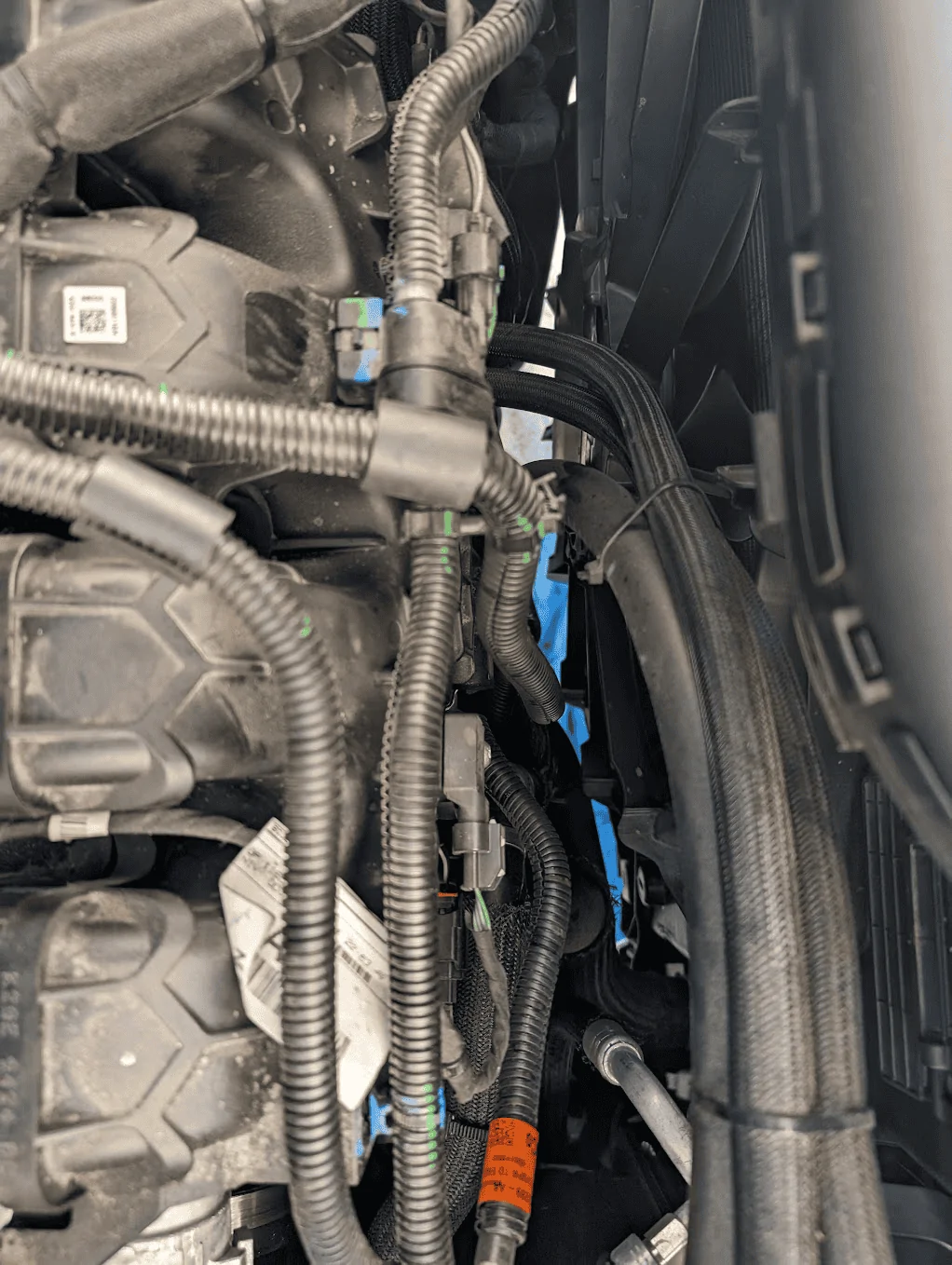
Below are some pictures of how I installed mine. I put in 2 cans to separate the vacuum pressure created by the engine (Checkout the DIY guide to learn more). I even used brand new hose connectors for both cans as I kind of destroyed the old ones when getting them off. I followed the instructions pretty closely, but haven't had much if any material in over a year.

I run the truck pretty hard (towed ~3,300 lbs for ~2,000 miles) and my previous older cars that had cans produced a decent amount of liquid with much less stress. Both my cans have little to no liquid and just a little build up. Even the upper, low pressure can that's harder to mess doesn't seem to have any liquids. The cans do smell like something is going through them, and I added some steel wool to help the vapor stay in the can. I change my oil every 5,000 miles or less, used Prolong Engine treatment once @~1,500 miles, but don't think that would this great of an impact.

Because of the lack of fluid, I'm worried I did something wrong, or the vented vapors aren't making it or the can, or something else.


Pictures
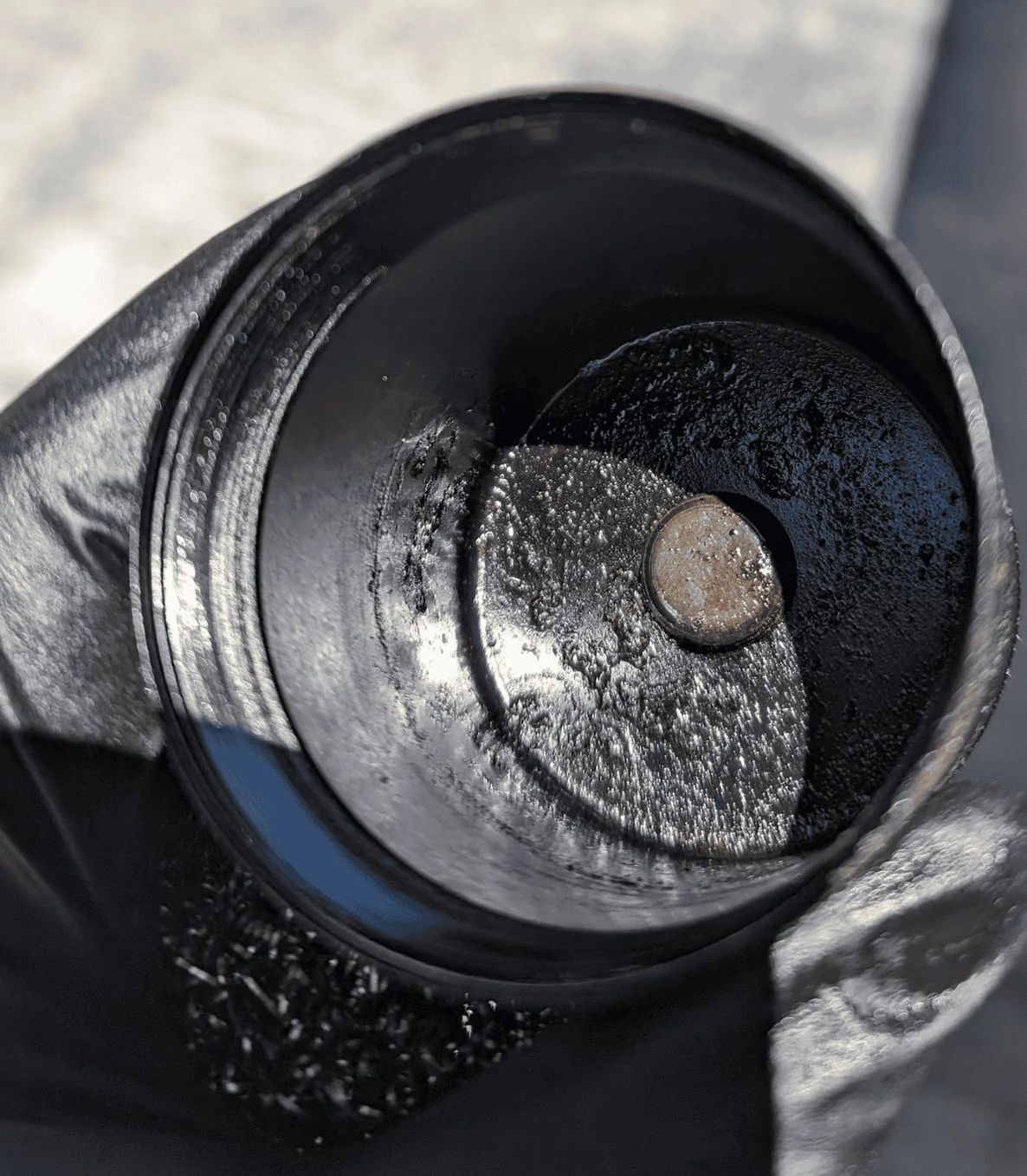
Both cans look like this after running for about 15k miles
1718583671883-a7.png


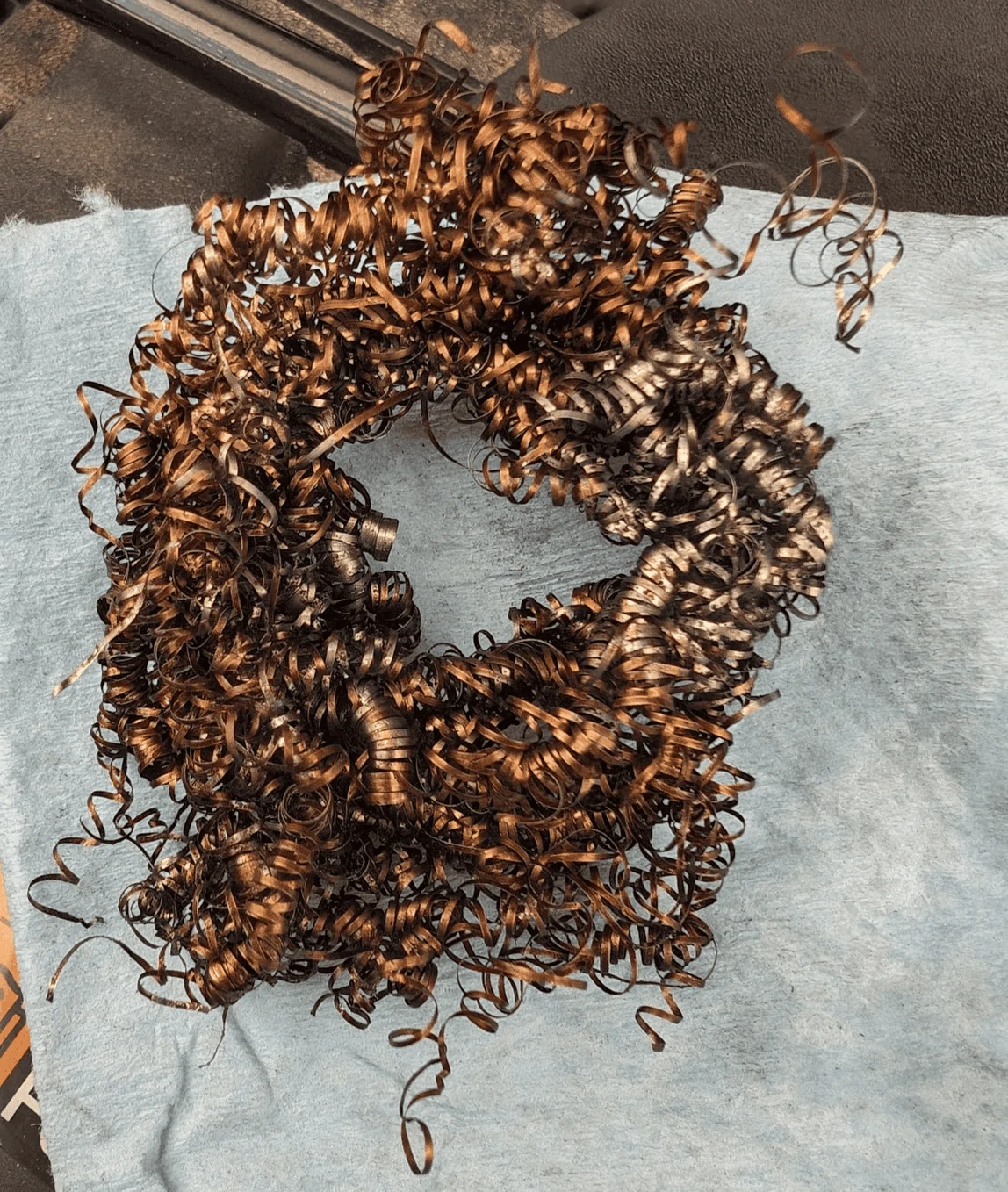
Steel Wool I added to 1 of the cans. Shows that SOMETHING is going into the can, even if it hasn't collected fluids.
I removed the steel wool from 1 of the cans, still no fluid.
1718583955186-dk.png


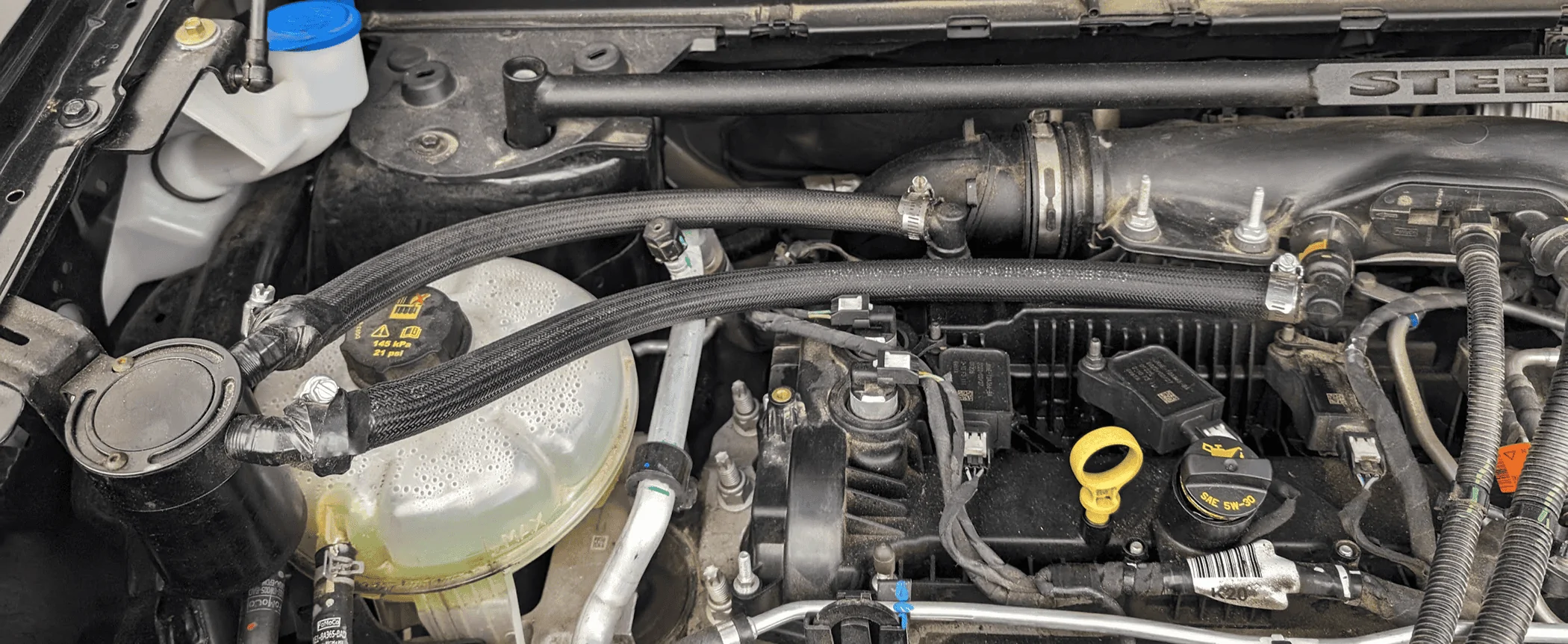
Upper can
Not sure how I could have messed this 1 up, but it also has little to no fluid
1718584227190-jn.png


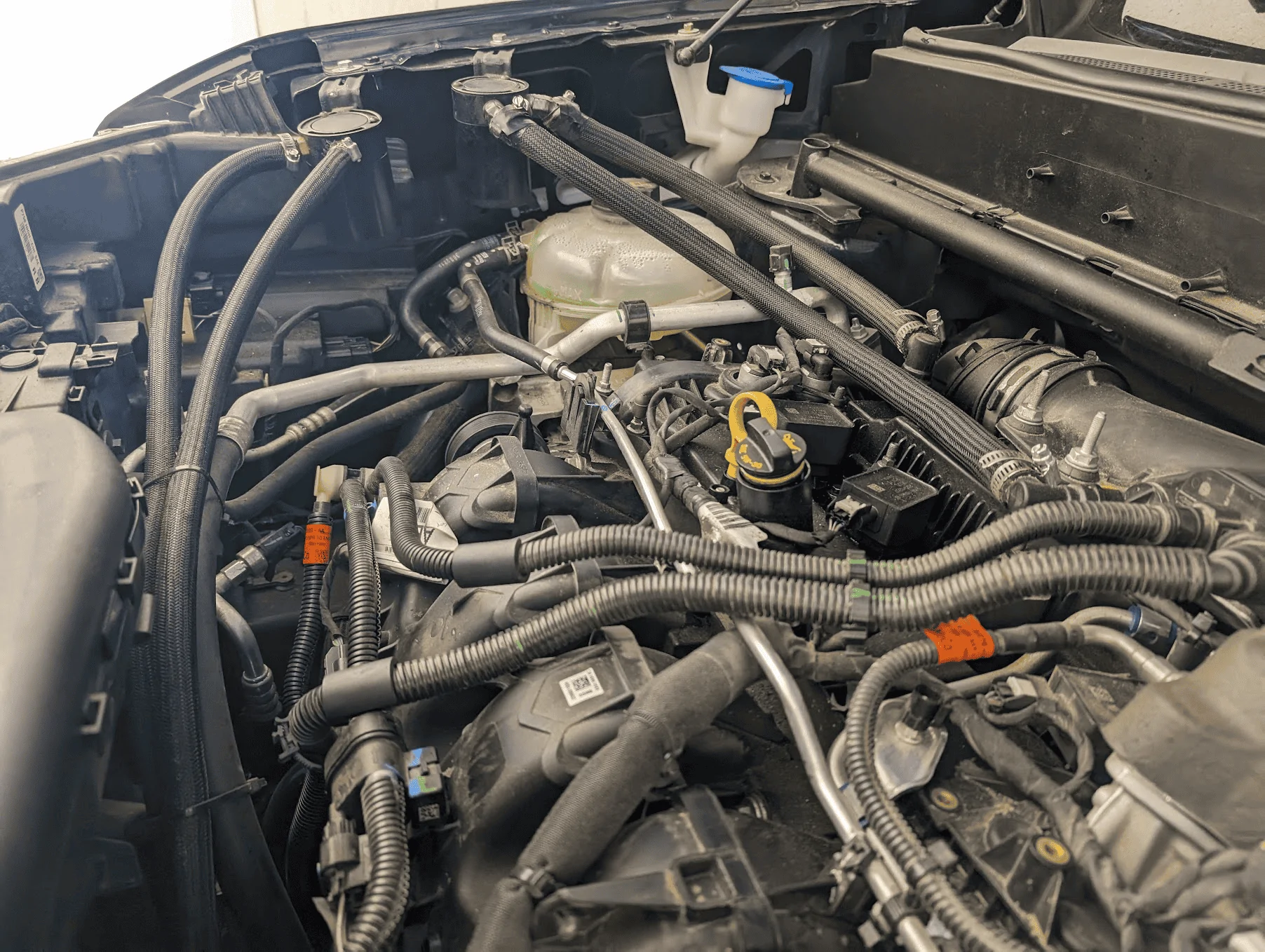
Lower Can
Hard to see, but it's connected to the out/in sides of the front of the engine. This 1 was really tough to get the connecting parts on the hose.
1718584295507-hm.png
1718584315528-z2.png
Could it be because maybe the catch can isn't really needed? You'd think Ford would install one if it was? Following for input...if one is needed I will be installing on my ecoboost,since I tow with it and keep my vehicles a long time .
Sponsored


Tim d

2.0L EcoBoost
Well-known member
First Name
Tim
Joined
May 18, 2022
Threads
19
Messages
1,700
Reaction score
1,771
Location
Alpena
Vehicle(s)
Ram
Engine
2.0L EcoBoost
Ok, I'll dive in. In my 2015 Prius, the engines design (and connecting tubes) allowed for massive sludge to be forced back into the intake port and causing this excess to pool in the throttle body. This would cause an occassional "knock" when the ICE would fire up. Each one of the knock situations would loosen the head and eventually cause a head casket leak. Because of how the pcv tubing was routed, the way to avoid this was to install a OCC (oil catch can). The OCC would suck out the sludge that would build up in the throttle body.

I did this on my 2015 Prius as a precaution. This problem was specific to the Prius for 2010-2014 only, but I did it anyway in my 2015. Since 2016, Toyota re-routed the pcv system to eliminate this issue.

When I heard about the Maverick being a hybrid, the FIRST thing I researched was the engine. I read that this engine has been used in the Ford focus. I did not see in my readings any issues with the engine knocking or having the need to have an OCC installed.

Having said all this, in my Prius, I picked up sludge between oil changes. If the OP hasn't seen sludge in his, it may be due to the Hybrid Maverick having its own OCC installed, or, the engine simply doesn't collect it the way the 2010-2014 Prius engine did.

I don't know if this is different for the Ecoboost crowd.
My wife's niece has a 2012 Prius. 321,000 miles,no catch can,no head gasket issues.maybe she's just been lucky? I don't believe they tow with it.
 

CurtisB

2.5L Hybrid
Well-known member
Joined
Jan 11, 2024
Threads
6
Messages
1,955
Reaction score
2,530
Location
92868
Vehicle(s)
2023 Maverick XLT Hybrid
Engine
2.5L Hybrid
Clubs
 
My wife's niece has a 2012 Prius. 321,000 miles,no catch can,no head gasket issues.maybe she's just been lucky? I don't believe they tow with it.
Some people didn't get hit with it. You were one of them.
 

HeyBales

2.5L Hybrid
Well-known member
First Name
Mike
Joined
May 3, 2024
Threads
4
Messages
4,935
Reaction score
4,519
Location
KC Metro area
Vehicle(s)
2005 Toyota RAV4, 2024 XLT Hybrid
Engine
2.5L Hybrid
Ok, I'll dive in. In my 2015 Prius, the engines design (and connecting tubes) allowed for massive sludge to be forced back into the intake port and causing this excess to pool in the throttle body. This would cause an occassional "knock" when the ICE would fire up. Each one of the knock situations would loosen the head and eventually cause a head casket leak. Because of how the pcv tubing was routed, the way to avoid this was to install a OCC (oil catch can). The OCC would suck out the sludge that would build up in the throttle body.

I did this on my 2015 Prius as a precaution. This problem was specific to the Prius for 2010-2014 only, but I did it anyway in my 2015. Since 2016, Toyota re-routed the pcv system to eliminate this issue.

When I heard about the Maverick being a hybrid, the FIRST thing I researched was the engine. I read that this engine has been used in the Ford focus. I did not see in my readings any issues with the engine knocking or having the need to have an OCC installed.

Having said all this, in my Prius, I picked up sludge between oil changes. If the OP hasn't seen sludge in his, it may be due to the Hybrid Maverick having its own OCC installed, or, the engine simply doesn't collect it the way the 2010-2014 Prius engine did.

I don't know if this is different for the Ecoboost crowd.
Also the hybrid 2.5 engine isn't GDI, which would allow oil blow-by to cause problems on the intake valves, that a catch-can is normally setup to help prevent.

That's great to know the 2.0 EB has it built-in. Appears to release what's caught so no emptying needed. Wondering how many prior GDI EB's already have it too, or was this recent addition to address the valve issues?
I wonder if it just holds a bit until a low vacuum moment and then anything there runs out.

ETA: already answered.
https://www.mavericktruckclub.com/f...-for-the-2-0l-and-2-5l-ecoboost-engines.8477/
 
OP
OP
Tscottok

Tscottok

2.0L EcoBoost
Active member
First Name
Tyler
Joined
Dec 28, 2021
Threads
11
Messages
44
Reaction score
136
Location
Oakland
Vehicle(s)
Maverick Lariat Lux AWD + Tow
Engine
2.0L EcoBoost
Damn, that's cool that they now have a can built it!

I definitely did not know they had already updated the engine with a fix.

For what it's worth, I don't really think these cans can cause an issue (assuming it's installed correctly), and the replacement hose is only ~$15.
Meaning, there is a chance these will help keep some sludge out of the intake (why Ford now puts 1 in stock), and easy to undo if I need warranty service.
Sponsored


Top