
- Thread starter
- #1
NOT trying to start a flame war, but this is a question I haven't seen answered anywhere in several days of searching. If your google-fu is better than mine, feel free to link me and maybe this will be a quick thread.
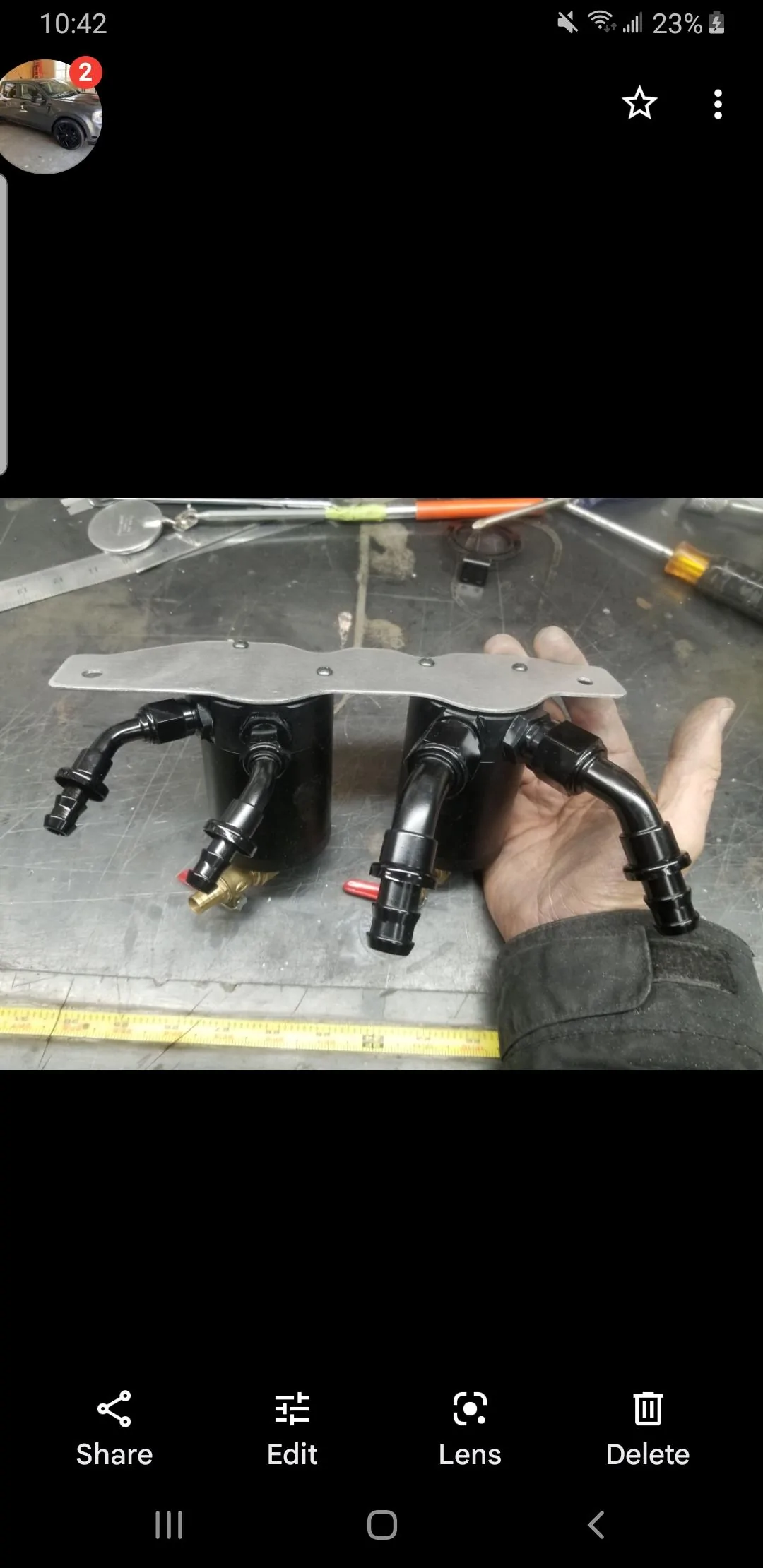
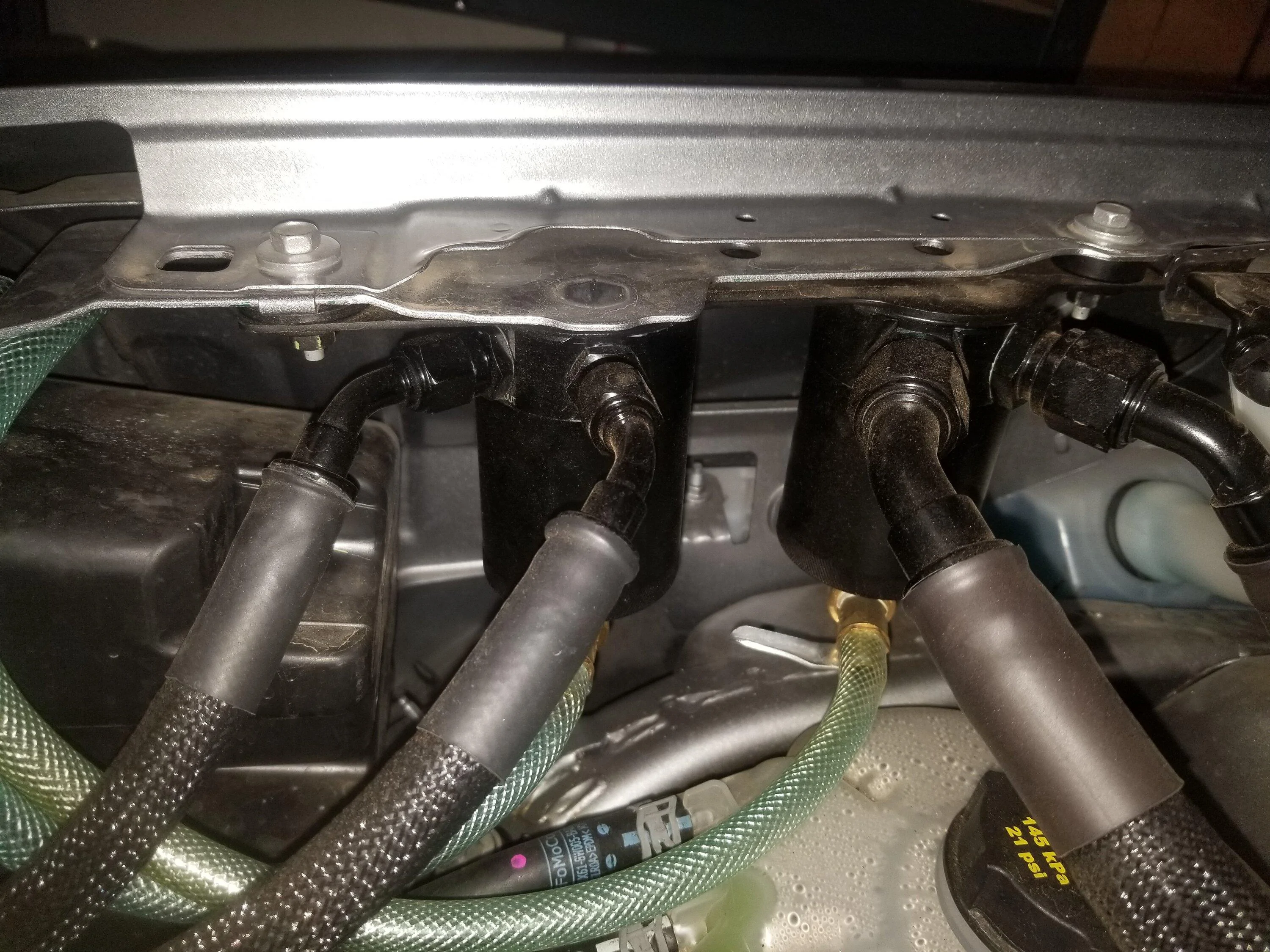
I realize there's a lot of passion and opinion on catch cans. With this being my first direct injection engine it's not a subject I was familiar with and I'm trying to research to make my own decision whether or not I will install one on my Maverick when it finally comes in. In my research I've seen that:
I have yet to find any articles or videos where someone has sent off the contents of their catch can collections for analysis like I see people do for their oil changes. I'd be particularly interested in seeing the results for our 2.0 Ecoboost engines.
Most of the Ecoboost videos I've seen the contents SEEM visually to be mostly water and fuel, with a small amount of oil. From researching, fuel is a good thing to spray over the valves as it helps burn off the accumulated crud. And water, in moderation, seems to also have a cleansing effect.
So to me it would SEEM to me that I PERSONALLY would lean towards NOT installing a catch can as long as in MOST driving situations the Ecoboost has a very low % of oil in the catch can contents as I would ASSUME that it would for the most part be a self cleansing system. (Caveat: I'm certain over time and in certain driving conditions this WILL accumulate and necessitate walnut blasting to clean them off. I'm OK with paying for that service 100K from now as that'll be 8 years with how much I drive. However it's the horror stories of this happening far sooner that has me researching.)
I have seen some generic catch can videos where they're catching thicker, darker contents that seem to have a higher quantity of oil in them, but that has been for other makes/model engines and especially those with higher mileage.
So on to the question. Has anyone done this analysis with our 2.0 Ecoboost engine? Does anyone with a catch can installed want to do this? I'd be open to kicking in a few bucks to pay for the analysis so we'd all have more data to make our decisions on.
Thanks.
I realize there's a lot of passion and opinion on catch cans. With this being my first direct injection engine it's not a subject I was familiar with and I'm trying to research to make my own decision whether or not I will install one on my Maverick when it finally comes in. In my research I've seen that:
- Depending on your driving conditions, catch cans will collect varying amounts of "content". It seems like higher loads, higher altitudes, humidity, etc. all have an effect on how much these devices catch.
- Depending on your driving conditions, catch cans will collect varying distributions of "content". For those same reasons above, as well as depending on the type of engine, it seems like these devices catch different percentages of water, fuel, and oil.
I have yet to find any articles or videos where someone has sent off the contents of their catch can collections for analysis like I see people do for their oil changes. I'd be particularly interested in seeing the results for our 2.0 Ecoboost engines.
Most of the Ecoboost videos I've seen the contents SEEM visually to be mostly water and fuel, with a small amount of oil. From researching, fuel is a good thing to spray over the valves as it helps burn off the accumulated crud. And water, in moderation, seems to also have a cleansing effect.
So to me it would SEEM to me that I PERSONALLY would lean towards NOT installing a catch can as long as in MOST driving situations the Ecoboost has a very low % of oil in the catch can contents as I would ASSUME that it would for the most part be a self cleansing system. (Caveat: I'm certain over time and in certain driving conditions this WILL accumulate and necessitate walnut blasting to clean them off. I'm OK with paying for that service 100K from now as that'll be 8 years with how much I drive. However it's the horror stories of this happening far sooner that has me researching.)
I have seen some generic catch can videos where they're catching thicker, darker contents that seem to have a higher quantity of oil in them, but that has been for other makes/model engines and especially those with higher mileage.
So on to the question. Has anyone done this analysis with our 2.0 Ecoboost engine? Does anyone with a catch can installed want to do this? I'd be open to kicking in a few bucks to pay for the analysis so we'd all have more data to make our decisions on.
Thanks.
Sponsored