
OP
OP

- First Name
- Matt
- Joined
- Dec 19, 2021
- Threads
- 47
- Messages
- 2,149
- Reaction score
- 2,520
- Location
- Abilene Tx
- Vehicle(s)
- 94 Silverado , 07 mustang, 69 barracuda
- Engine
- 2.0L EcoBoost
- Thread starter
- Banned
- #61
That all may be true, but I have never had an issue with it. I started buttering up the mating flanges after I had an 1988 daytona shelby that the rear wheels would not come off for a brake job. I beat on the back sides with a rubber mallet as I was rotating them. Still wouldent budge. I ended up loosely installing the lug nuts and running it up and down the driveway a few times to break them free. After cleaning off all corrosion so the wheels would slip on easily, I started adding it to mating flanges after that. Not on steel wheels, only steel rotors and alloy wheels because of the dissimilar corrosion. I dont sock my wheels on with an impact. I run em on snug then tighten by hand. Never used a torque wrench on a lug nut, never lost a wheel either.The issue with using anti-seize, or any lubricant for that matter, on wheel studs is that it changes the coefficient of friction. When you use a lubricant, the torque required to acheive the required axial torque is much lower. It is simpler from a manufacturing standpoint to standardize and give a value for "clean, dry threads".
If you want to play around with the calculator, here you go:
Torque Calculator with lube
I try not to allow anyone else to do maintenance on my vehicles, but this past year, I had lots of time constraints due to work. Shops should certainly be using "torque sticks" if using an impact wrench, and a calibrated torque wrench to install wheels.
I know my neighbors certainly watched me through the window thinking I was a weirdo when I wirebrushed all of the surface rust off the rotors and gave the faying surfaces a coat of rust inhibiting spray every time I rotated my tires.
Sponsored




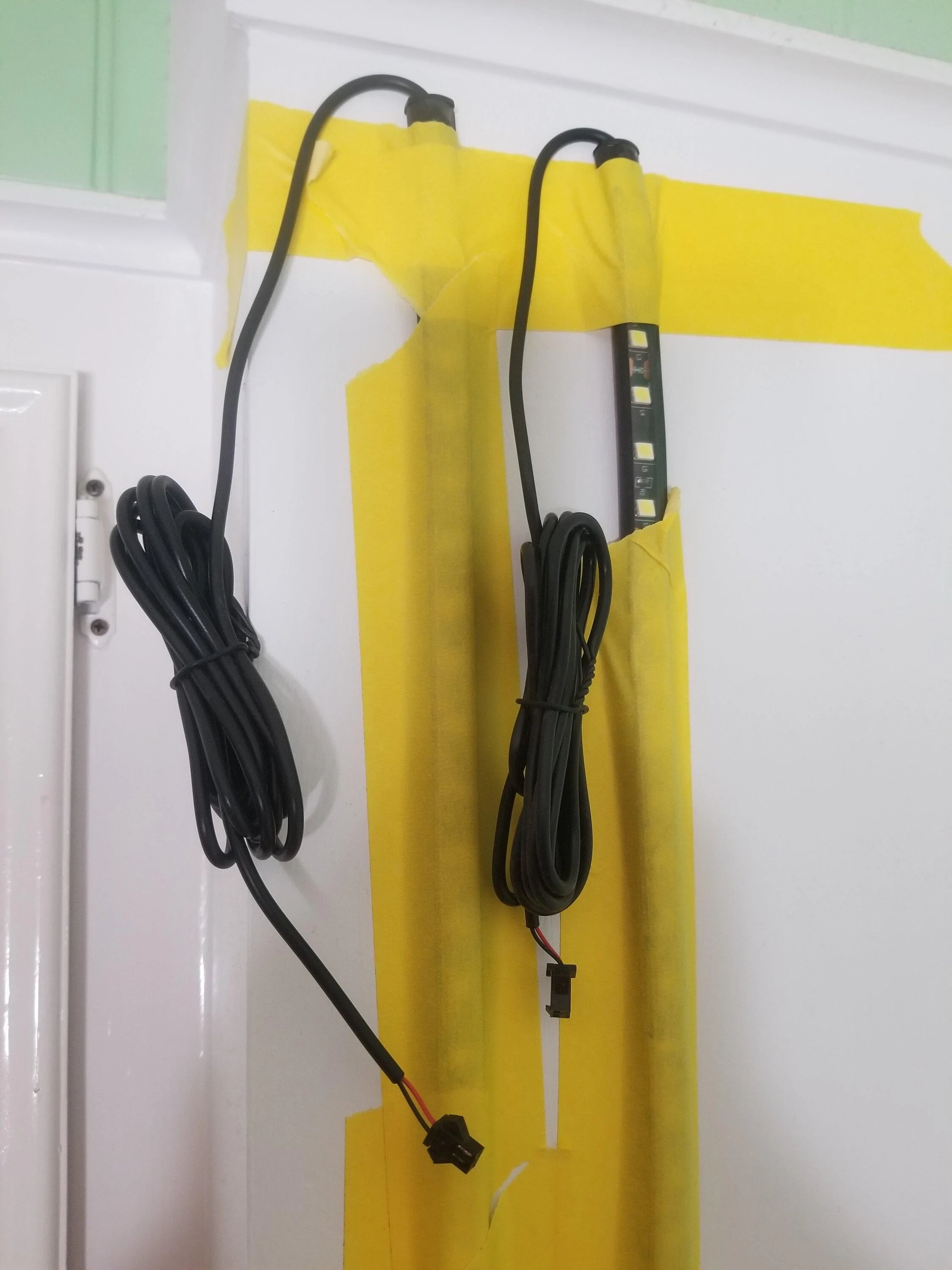
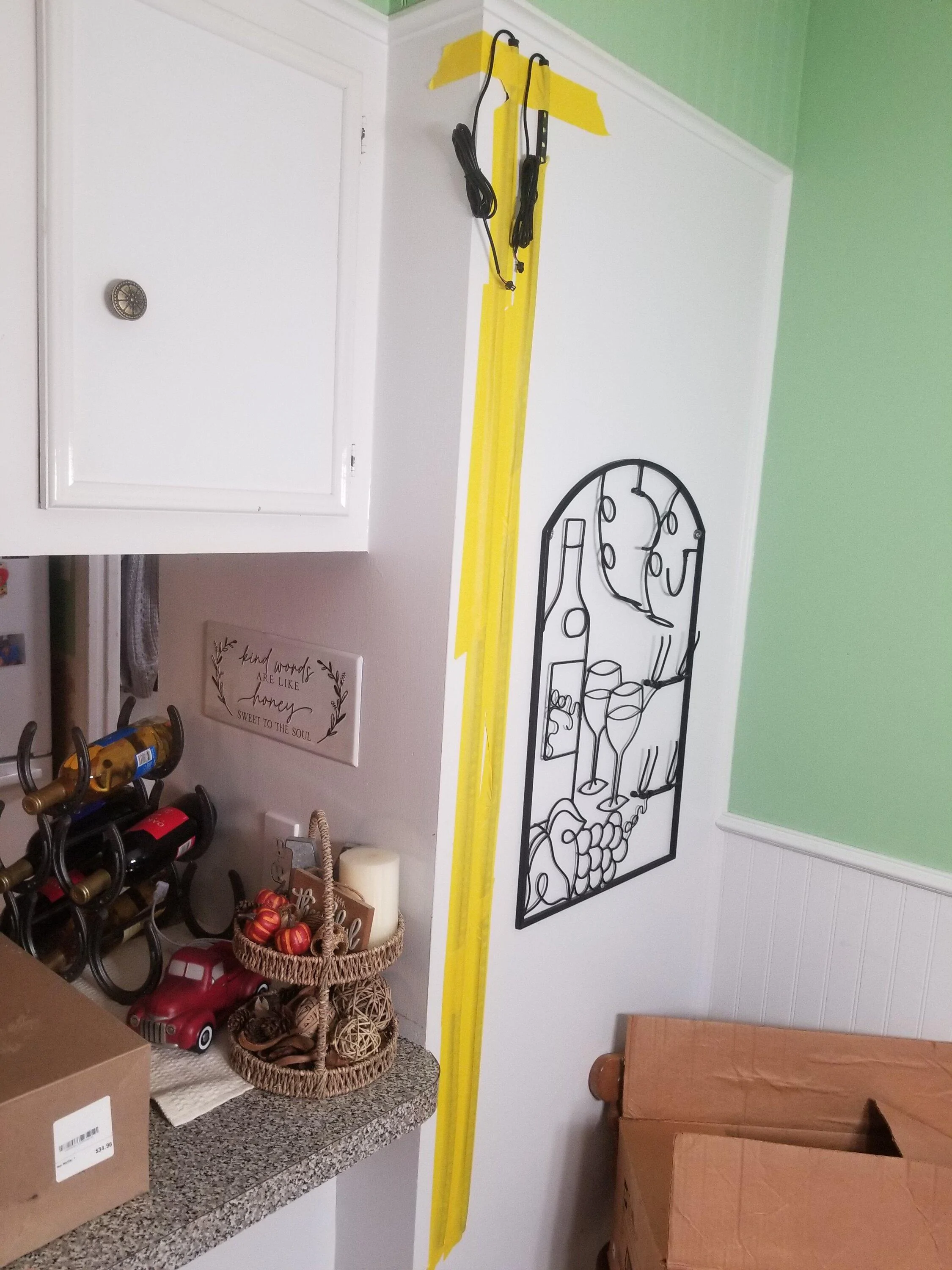
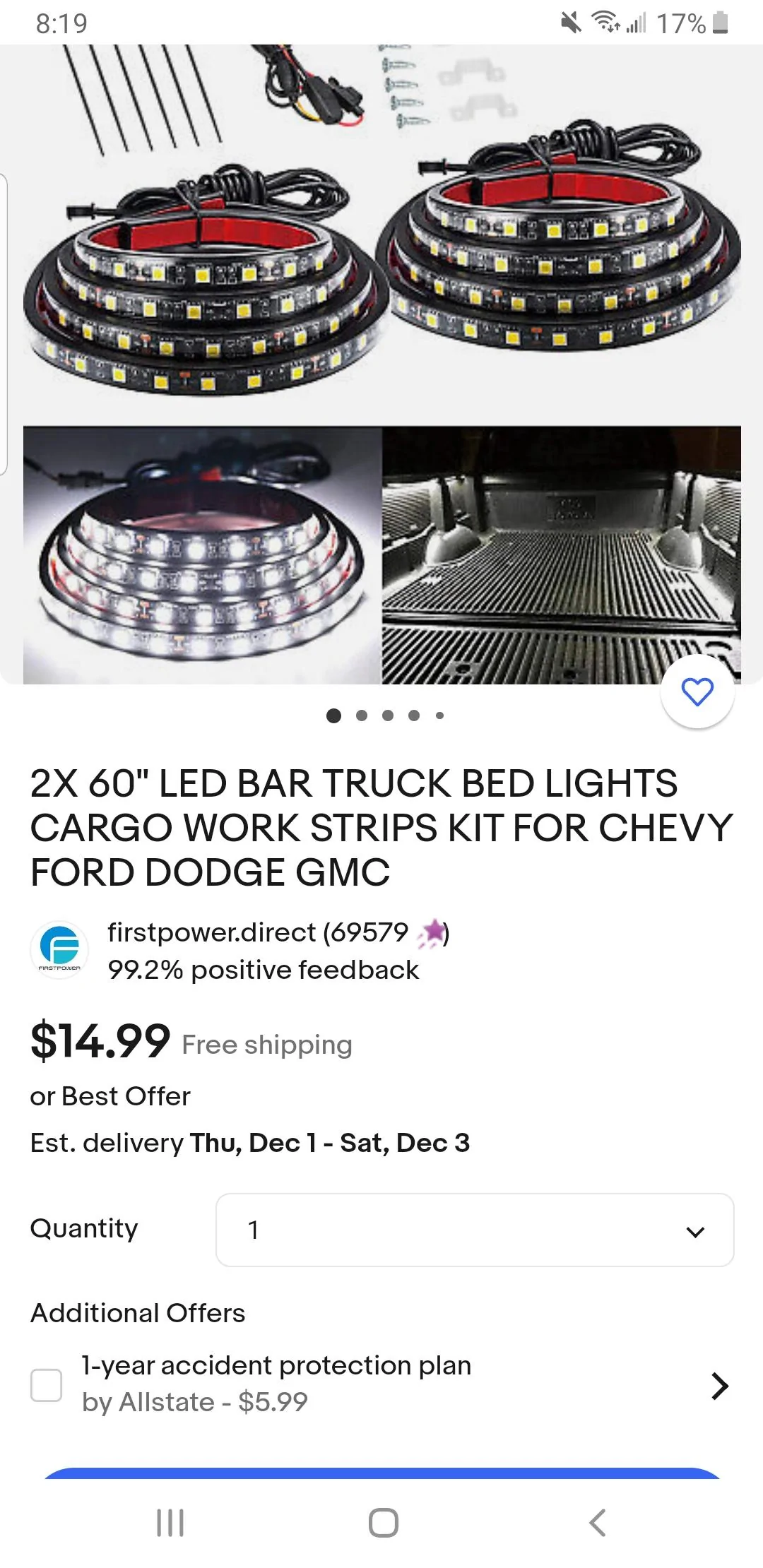
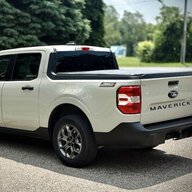
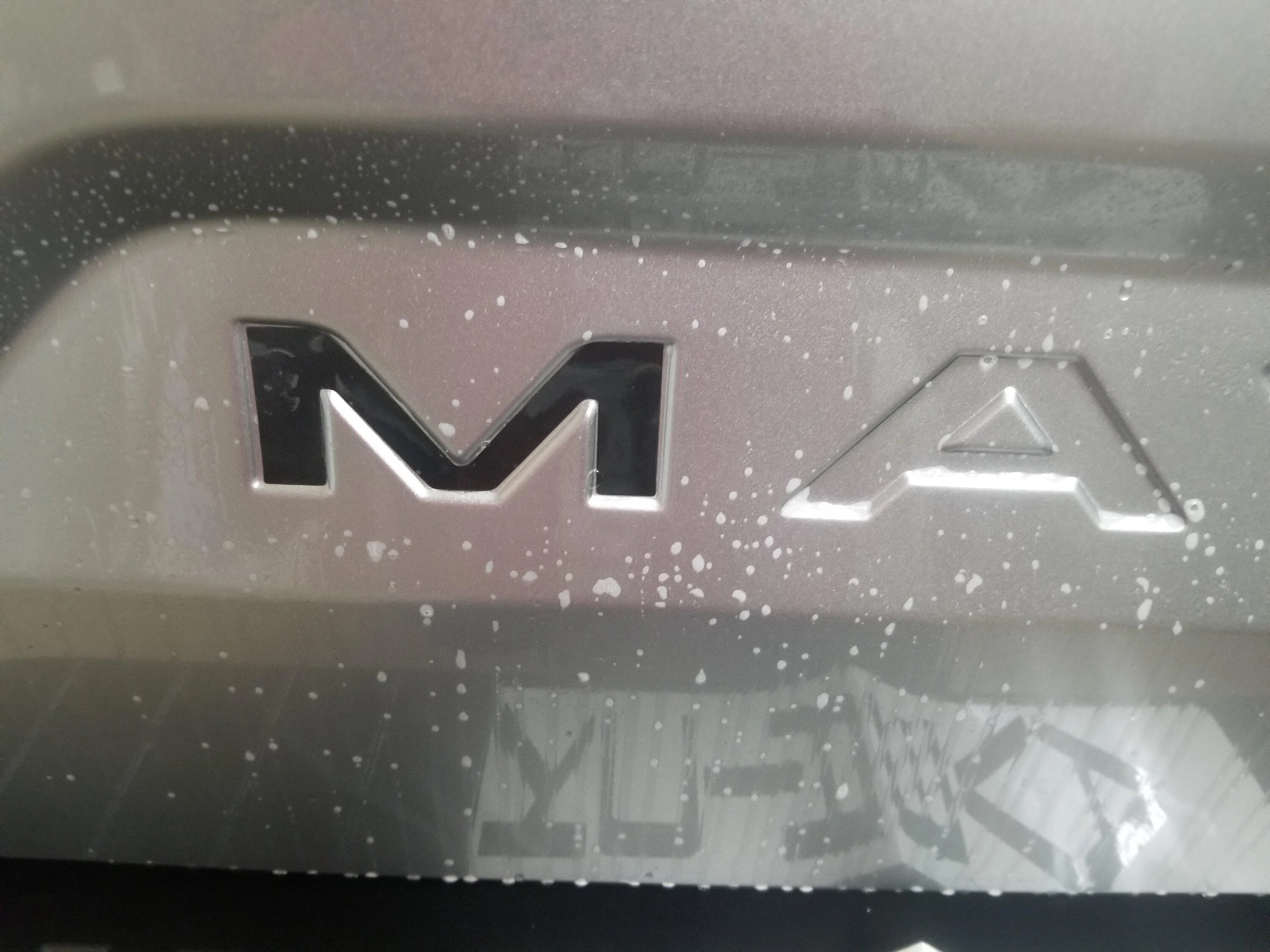
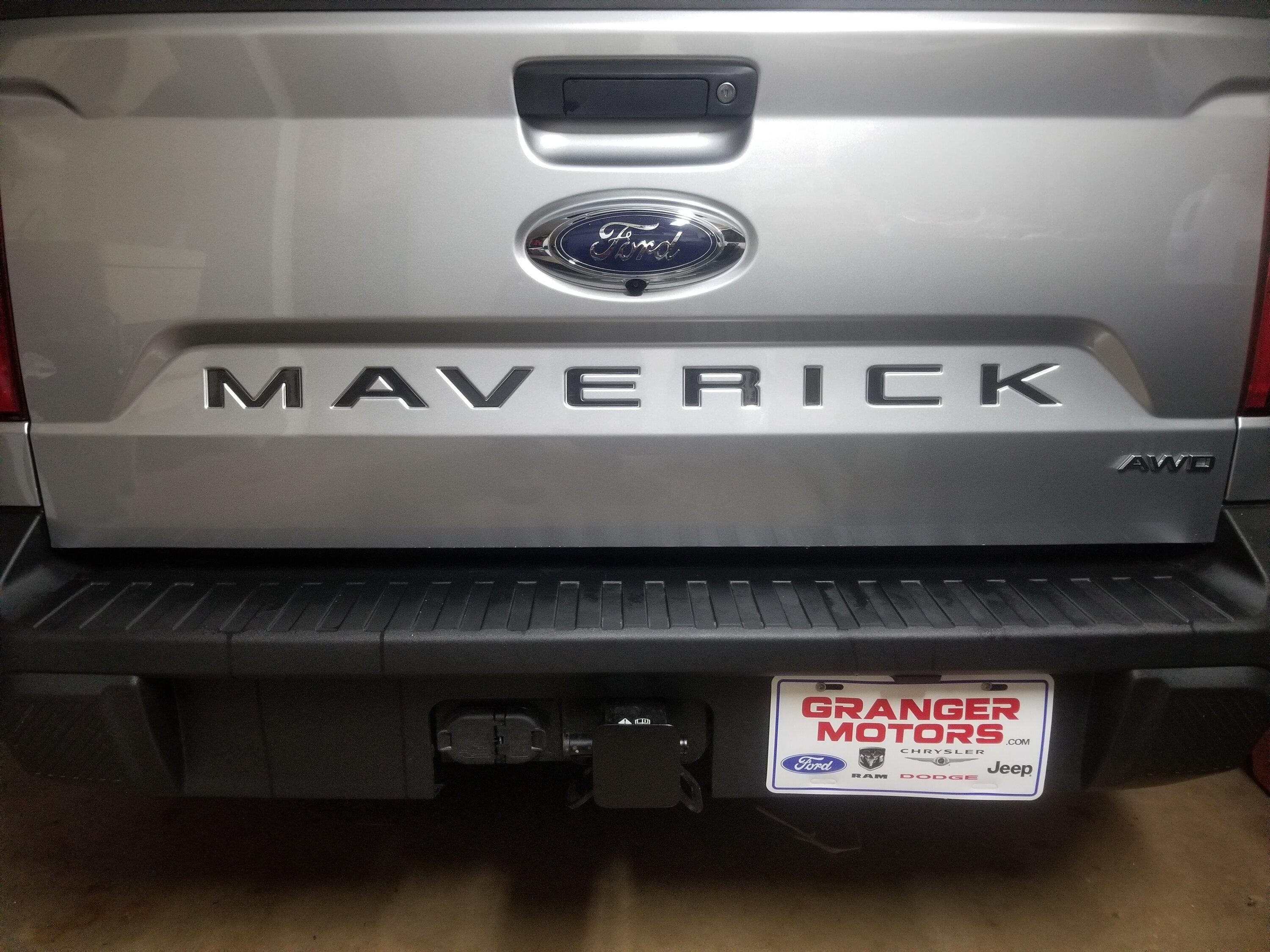
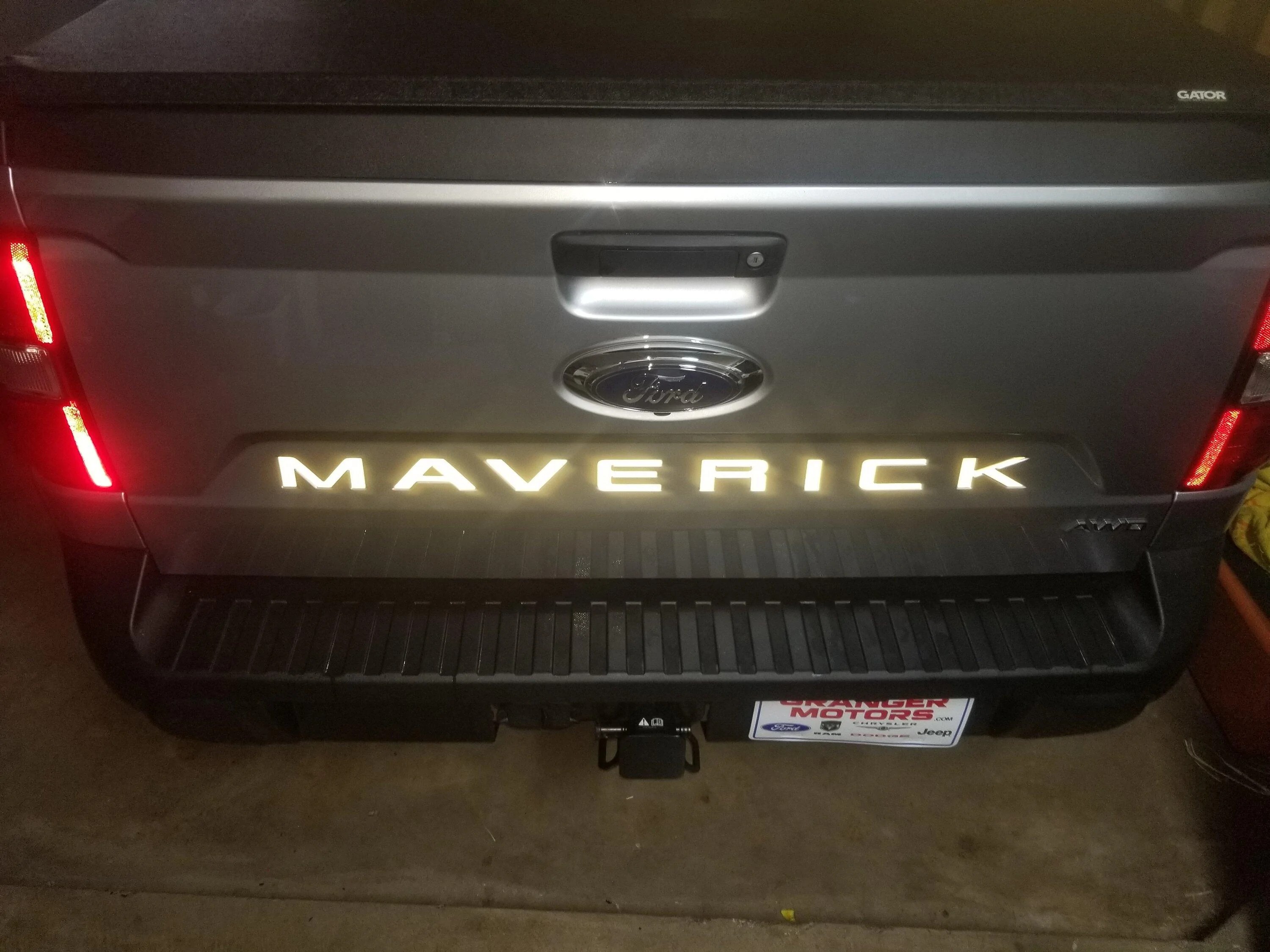
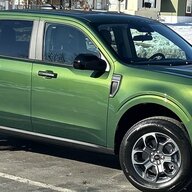
 less doing the tailgate letters, the soapy water made it much easier.


