

I suspect crashing because you cooked your brakes instead of using engine braking is most expensiveDoing this always seemed penny wise and pound foolish. Brakes are cheap, engines are expensive.
Sponsored
I suspect crashing because you cooked your brakes instead of using engine braking is most expensiveDoing this always seemed penny wise and pound foolish. Brakes are cheap, engines are expensive.

Atkinson cycle engines do not have superior engine braking. The Atkinson cycle engine has reduced energy density and reduced mean effective cylinder pressures compared to a similar displacement Otto cycle engine, despite having a higher compression ratio, due to the late closing of the intake valves, which occurs after bottom dead center, which decreases the duration of the compression stroke.A quick dig into the specs of the 2.5L "Atkinson" 4 cylinder motor shows that it has a compression ratio of 13.0 versus 9.3 for the EB. With that high a compression ratio, engine braking is bound to be pretty helpful. Higher compression ratio basically equates to a greater amount of braking and the higher the engine RPM, the more braking as well. Easily illustrated by downshifting and keeping your foot off the gas pedal.
Incidentally, diesel engines typically run even higher compression ratios, and thus have superior engine braking. Also, they often are equipped with the "jake brake" which utilizes exhaust valve opening techniques to release build up pressure in the cylinders that have reached the top of the compression stroke, thereby preventing that compressed gas (air) from returning its energy to the crankshaft - when they use this brake, you hear it in the loud "BRRRAAAAAPPPP" that trucks make when using the compression braking to slow down.
Because of the loud sound, many municipalities have ordinances prohibiting the use of compression braking within city limits.
interesting information. Although there aren't a lot of normally-aspirated engines with compression as high as 13:1, so I don't think the 9.3 of the EB is necessarily a characteristic of a turbo engine. A lot of the older engines were in the 8 to 9.5 range, with higher ratios generally related to higher performance engines that needed premium fuel.Atkinson cycle engines do not have superior engine braking. The Atkinson cycle engine has reduced energy density and reduced mean effective cylinder pressures compared to a similar displacement Otto cycle engine, despite having a higher compression ratio, due to the late closing of the intake valves, which occurs after bottom dead center, which decreases the duration of the compression stroke.
Most of the difference in compression ratio. Between the hydrid and the EB is because the EB has a turbo, not because the hybrid uses an Atkinson cycle engine.
Diesel engines have no compression braking, unless they design a compression brake into the engine. Gas engines use a throttle plate to restrict air flow, to create a stoichiometric air fuel ratio. Trying to draw 1 atm of vacuum against the closed throttle plate is what causes the resistance that we call engine braking. Diesel engines do need throttle plates, because they do not need a stoichiometric air fuel ratio to get optimal combustion. So a diesel engine will let the air freely pump through the engine going downhill and freewheel, without providing engine braking.
Ford mustang is 12:1 compression, Corvette Z06 is 12.5:1. The 911 GT3RS is 13.3:1. The 2015 Ferrari 458, the last year they were N/A, they had 14.0:1 compression ratio. Then in 2016 when they went turbo and renamed it the 488, the compression ratio dropped to 9.4:1, same as the good old ecoboost.interesting information. Although there aren't a lot of normally-aspirated engines with compression as high as 13:1, so I don't think the 9.3 of the EB is necessarily a characteristic of a turbo engine. A lot of the older engines were in the 8 to 9.5 range, with higher ratios generally related to higher performance engines that needed premium fuel.
Anyway, I'll have to ponder the increased compression ratio against the intake valves being open beyond BDC, because that would imply a reduction in compression ratio. Then again, combustion chamber size, a few other variables involved. Must read more.
I really thought that they didn't make diesels without the "jake brake". But that's another story for another time.
But that's a different situation - if I were driving a diesel down a steep hill and downshifted, there is engine braking that takes place without applying the "jake" (BRRRRRRRRRRRP). Same with any engine, though my poor 3 cylinder Escape didn't seem to offer as much of a slowing effect as other vehicles I've had. That can't just be friction from all the moving parts, can it?
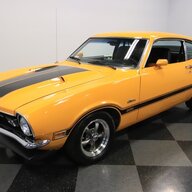
Can't forget Mt. Washington in Pittsburgh Pa.There are two Mt. Washingtons that battle it out for cold and wind - New Hampshire and Washington - which was it ? and don't get me started on Maine etc.
But those are all performance cars. 302, 351, small block Ford engines of yesteryear shared compression ratios of 8.0:1 to 9.5, with the exception of performance oriented versions which ran something on the order of 10.5. The 2-valve 4.6 L was 9.0, and the 4 valve was only 8.5:1. The 5.4 2 valve was 9.0 and the 3 valve was 9.8. Granted, old-school ignition and carburation weren't as precise as today's engine controls, so preignition was a bigger concern. But the 5.4 was injected, as was at least the more recent 4.6 V8 engines.Ford mustang is 12:1 compression, Corvette Z06 is 12.5:1. The 911 GT3RS is 13.3:1. The 2015 Ferrari 458, the last year they were N/A, they had 14.0:1 compression ratio. Then in 2016 when they went turbo and renamed it the 488, the compression ratio dropped to 9.4:1, same as the good old ecoboost.
As a Browns fan, I don't think I'm allowed to go there.Can't forget Mt. Washington in Pittsburgh Pa.

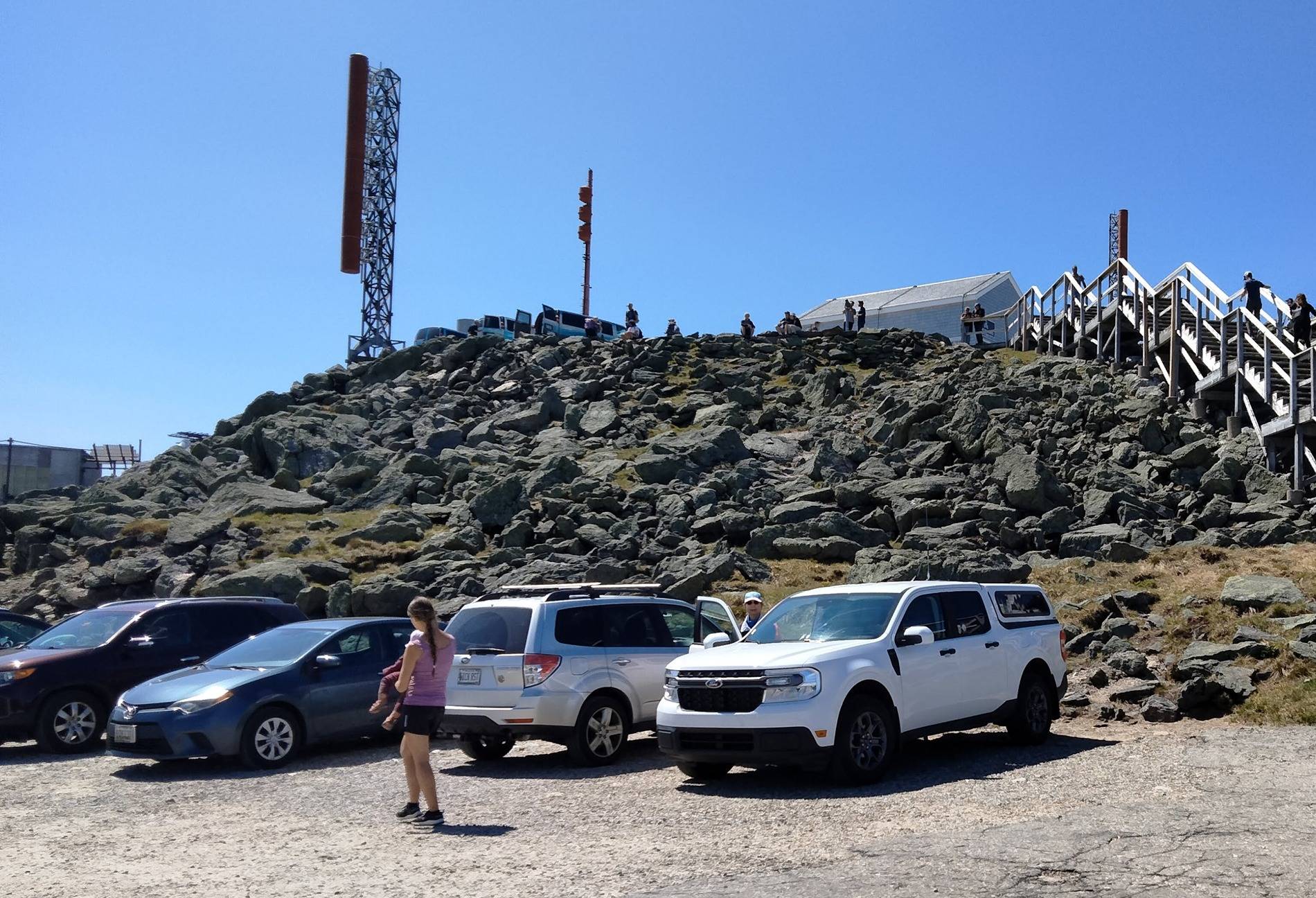
I guess you have to be a native to know what Mt. Washington is. We have a Mt. Washington, but it is a city in Ky.My wife and I checked Mt Washington off our bucket listMav did fine, the brakes definitely got hot lol.
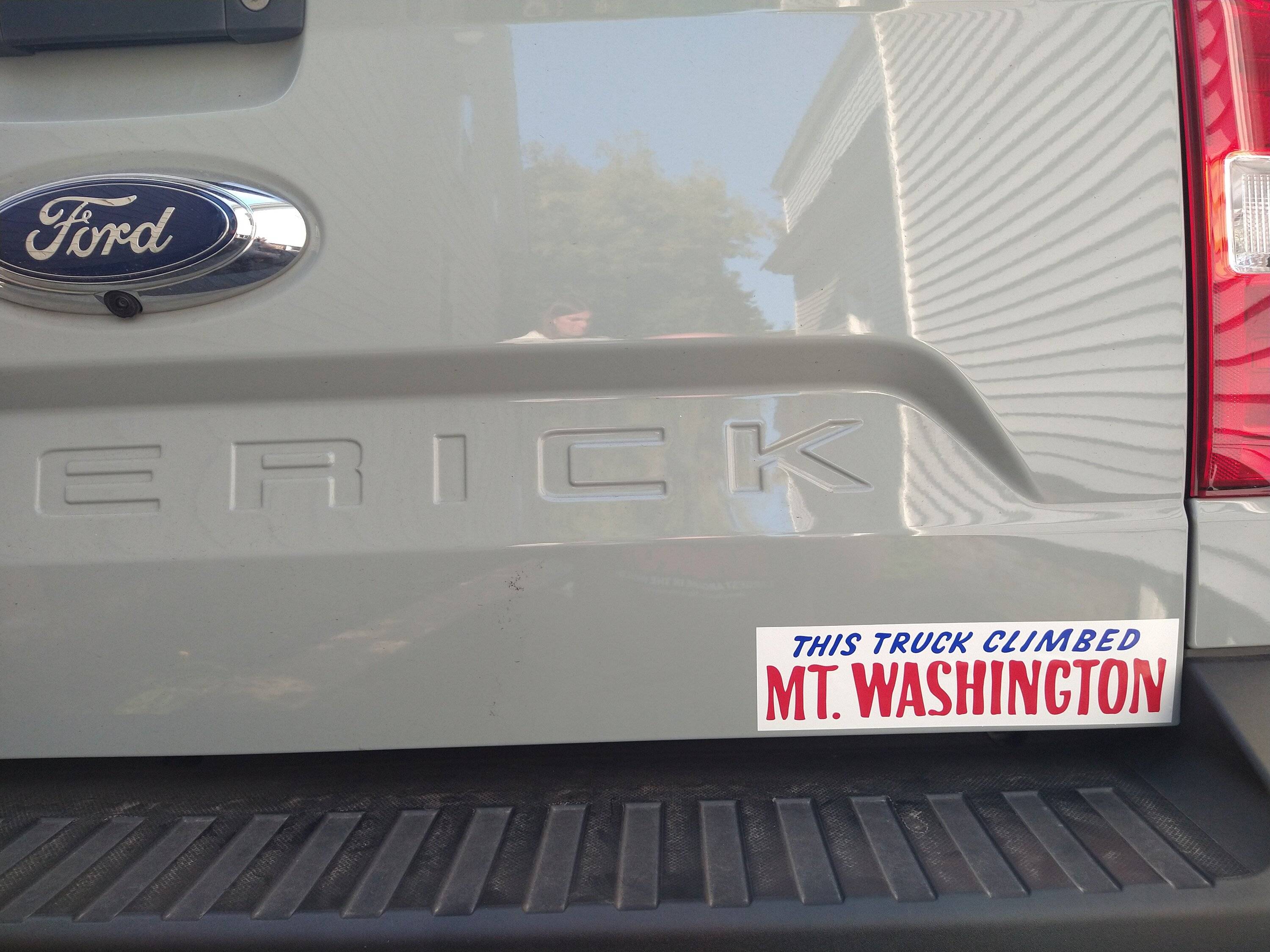
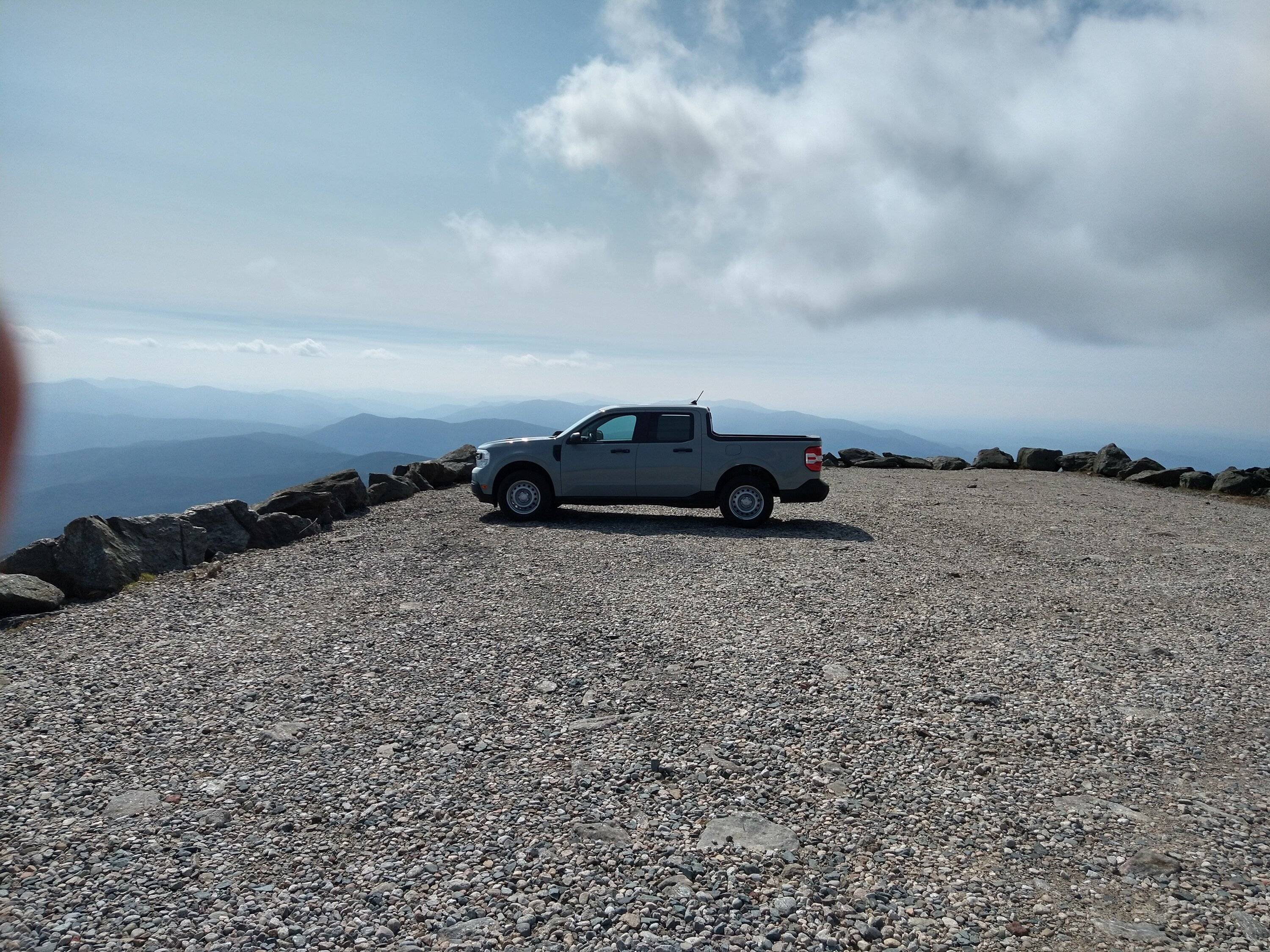
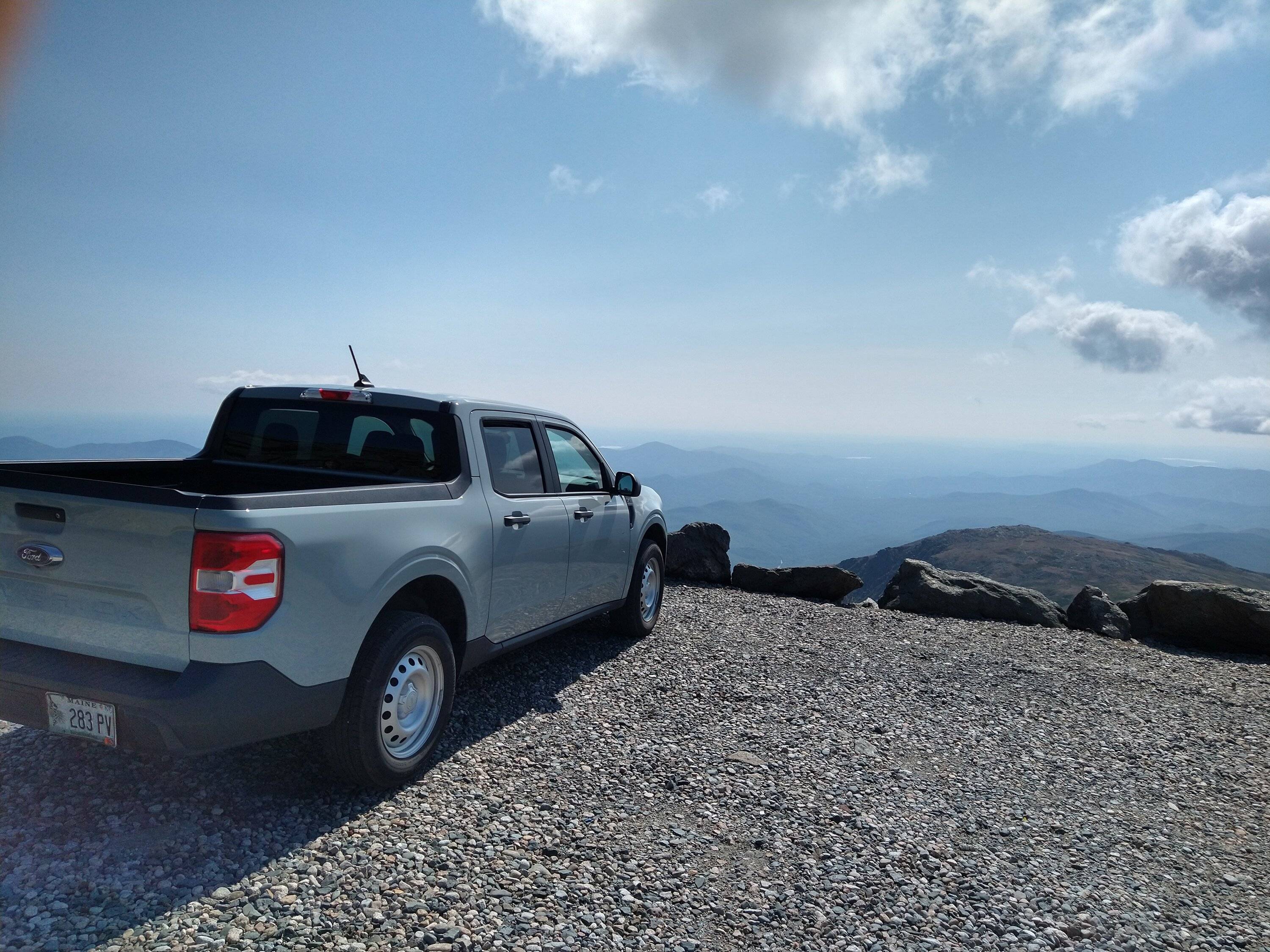
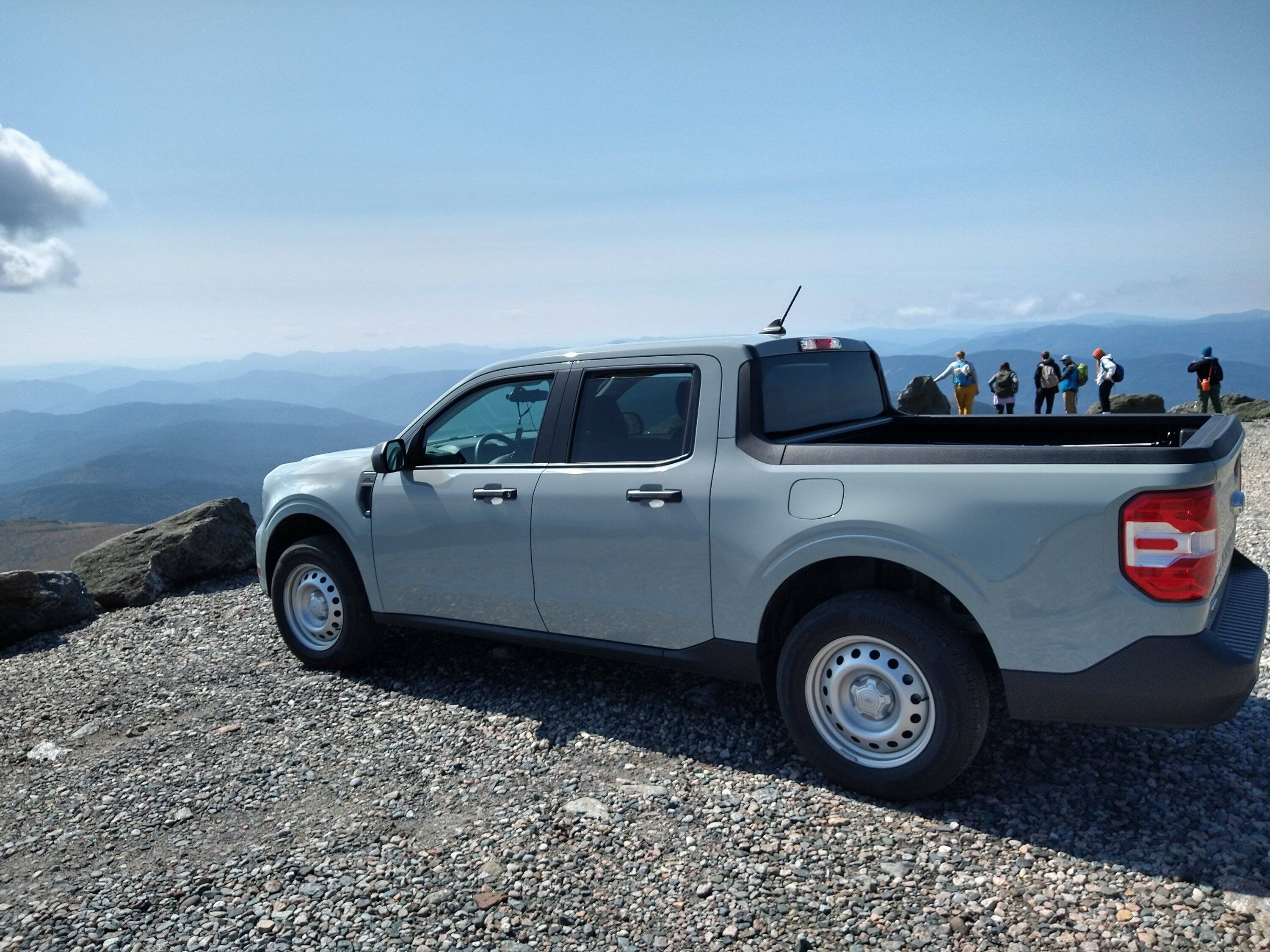
How did the transmission handle it? Did you need to put the transmission in the lower gear mode. You mentioned that the brakes got hot; were you riding them all the way down?My wife and I checked Mt Washington off our bucket list

You are a year late, did that last summer.My wife and I checked Mt Washington off our bucket list
I simply used N/A Otto cycle examples I could think of off the top of my head, because there are only a handful of them left.But those are all performance cars. 302, 351, small block Ford engines of yesteryear shared compression ratios of 8.0:1 to 9.5, with the exception of performance oriented versions which ran something on the order of 10.5. The 2-valve 4.6 L was 9.0, and the 4 valve was only 8.5:1. The 5.4 2 valve was 9.0 and the 3 valve was 9.8. Granted, old-school ignition and carburation weren't as precise as today's engine controls, so preignition was a bigger concern. But the 5.4 was injected, as was at least the more recent 4.6 V8 engines.
Godzilla, Ford's 7.3L truck engine, has a 10.5 compression ratio. Along with a lot of durability-related parts. Old school but rugged (and given the things you have to go through with diesel, a pretty good alternative for moderate towing and motor homes).
For the record, I believe that engine controls and manufacturing techniques are superior to a lot of those older engines. Still, high compression generally has been found more in performance oriented engines.

Yes, the compression ratio is just a mathematical formula of bore area X stroke length divided by combustion chamber volume.I always wondered if the 2.5 compression ratio of 13 was merely the mathed figure, not taking into account the valve open timing difference.
Wasn't one of the aspects of the Atkinson engine less work due to less compression due to the valve timing?

Glad to hear it. I'm of the thinking that overheating is much less of a problem with disc brakes than the older drums.I took my Ecoboost maverick up to the Southgate Meadows Trailhead on Mt Shasta, 7,800 ft elevation, towing a 1,900 lb load. It didn’t break a sweat going up or down. The closest town and staging point, Mt Shasta, is at 3,400 ft. That means 4,400 feet of decent in 20 or so miles. No squishy brake pedal. No fires.




