
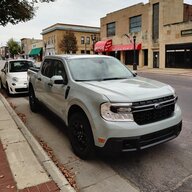

I don't believe Ford shoulders any of those costs directly, however if a dealer isn't moving product, they wouldn't be able to take on new inventory. This is what forces Ford and any other manufacturers to entice buyers with periodic incentives in order to move older/lot inventory.I suspect the move is because keeping 100eds of vehicles on the lot is EXPENSIVE. Beside the insurance dealers pay on all those vehicles and the literally millions of dollars they have tied up in capital and the taxes they have to pay on inventory... lot of reasons to go to an order based system.
I don't know if any of those expenses are shared with Ford directly, but I suspect some are. So Ford is all to happy to only ship what they can make. Maybe it will change when Ford is able to keep up with orders?
It makes a ton of sense to try to shrink the need for on-lot inventory. Dealer expenses are lowered, which they in theory should then be able to continue with similar profitability while offering competitive pricing. Ford similarly doesn't have to pass incentives because they can offer their vehicles with a more competitive MSRP (I happen to believe the Maverick is their first vehicle priced with this particular idea as a principle driver of the MSRP being set where it was).
So it definitely indirectly affects them...at least in a normal non-pandemic environment. That they are taking the pandemic climate as a precursor to making this change I believe is a smart move on their part.
Sponsored