
Sponsored

245/65 or 245/70 Tires for Tremor?

Phimosis

2.0L EcoBoost
Well-known member
First Name
Larry
Joined
Jul 18, 2024
Threads
2
Messages
1,180
Reaction score
1,520
Location
Santa Clarita, CA
Vehicle(s)
2024 Maverick Lariat FX4 4K tow
Engine
2.0L EcoBoost
I have 245/70s on my Tremor. I bought Goodyear Wrangler Duratrac RT's in this size. I went with a rugged terrain in this size about 3 months ago before I moved to North Dakota. They don't rub or if they do it isn't perceivable and I have yet to be in a situation they couldn't handle. I off road my Tremor quite frequently. I hope this helps
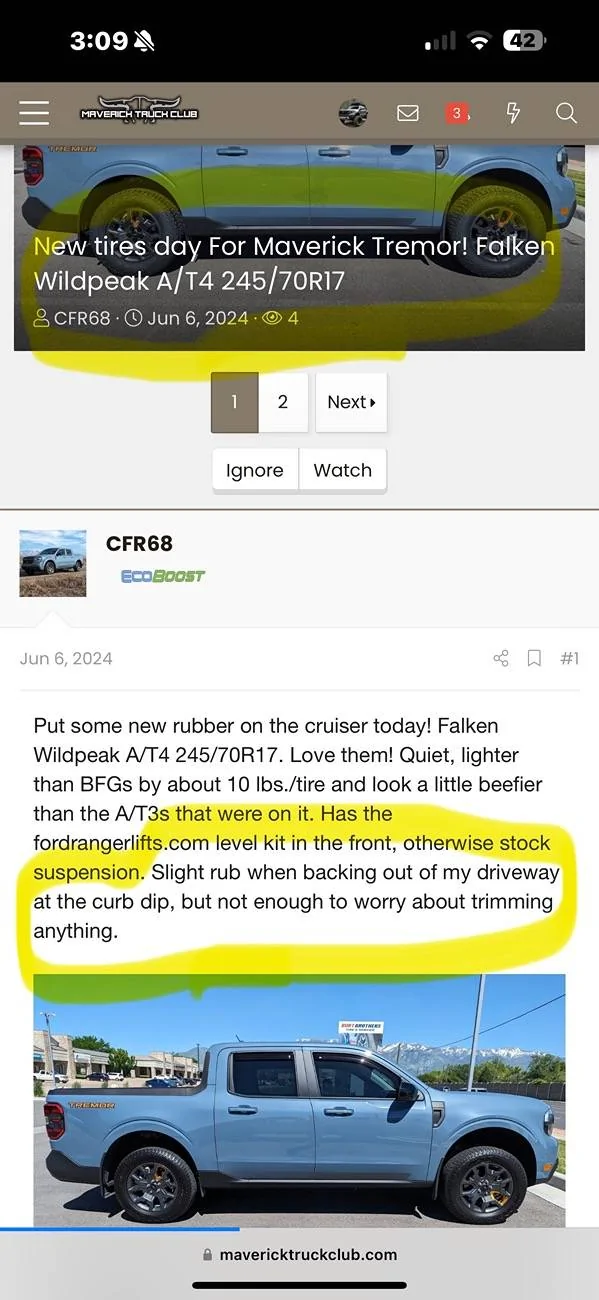
I’m guessing you haven’t fully loaded, or flexed the suspension ? Multiple MTC users have reported mild rubbing with 245/70/17 and 265/65/17 which are both 30.6” diameter.

The largest diameter uniformly reported with”no rubbing” is 30.1”, or 255/65/17.
Sponsored
 

Iakona

2.0L EcoBoost
Well-known member
First Name
Jason
Joined
Jan 30, 2022
Threads
4
Messages
108
Reaction score
76
Location
Elgin, North Dakota
Vehicle(s)
2023 Maverick Tremor
Engine
2.0L EcoBoost
I’m guessing you haven’t fully loaded, or flexed the suspension ? Multiple MTC users have reported mild rubbing with 245/70/17 and 265/65/17 which are both 30.6” diameter.

The largest diameter uniformly reported with”no rubbing” is 30.1”, or 255/65/17.
I have actually, hence the part about I off road my Tremor frequently. Again, there isn't any perceivable rubbing. Also in my extensive research before spending that kind of money for tires, that I didn't need, I found that the 245/70 is the largest size for the Tremor without rubbing. That is the difference between your FX4 and my Tremor.
 

Phimosis

2.0L EcoBoost
Well-known member
First Name
Larry
Joined
Jul 18, 2024
Threads
2
Messages
1,180
Reaction score
1,520
Location
Santa Clarita, CA
Vehicle(s)
2024 Maverick Lariat FX4 4K tow
Engine
2.0L EcoBoost
I have actually, hence the part about I off road my Tremor frequently. Again, there isn't any perceivable rubbing. Also in my extensive research before spending that kind of money for tires, that I didn't need, I found that the 245/70 is the largest size for the Tremor without rubbing. That is the difference between your FX4 and my Tremor.
Nope, people have reported mild rubbing on the Tremor with 245/70R17’s. In the top right corner of the page, there’s a little magnifying glass icon. That will let you search the forum for previous posts, so that you don’t have to reinvent the wheel each time.

Ford Maverick 245/65 or 245/70 Tires for Tremor? IMG_2077
 

Hunters Edge

2.0L EcoBoost
Well-known member
First Name
Sid
Joined
Jan 26, 2024
Threads
32
Messages
1,843
Reaction score
2,229
Location
Michigan
Vehicle(s)
F150 crew
Engine
2.0L EcoBoost
Personal opinion based on personal experience and comparison I would go with the narrower tire. If you are looking for traction a narrow tire has more traction even with airing down. Hopefully a little better gas mileage as well. Also in snow the narrow the tire puts more pressure to increase traction as well. So those are the reasons I would prefer the r65 vs r70. It just might mean the difference when off road.
 

Phimosis

2.0L EcoBoost
Well-known member
First Name
Larry
Joined
Jul 18, 2024
Threads
2
Messages
1,180
Reaction score
1,520
Location
Santa Clarita, CA
Vehicle(s)
2024 Maverick Lariat FX4 4K tow
Engine
2.0L EcoBoost
Personal opinion based on personal experience and comparison I would go with the narrower tire. If you are looking for traction a narrow tire has more traction even with airing down. Hopefully a little better gas mileage as well. Also in snow the narrow the tire puts more pressure to increase traction as well. So those are the reasons I would prefer the r65 vs r70. It just might mean the difference when off road.
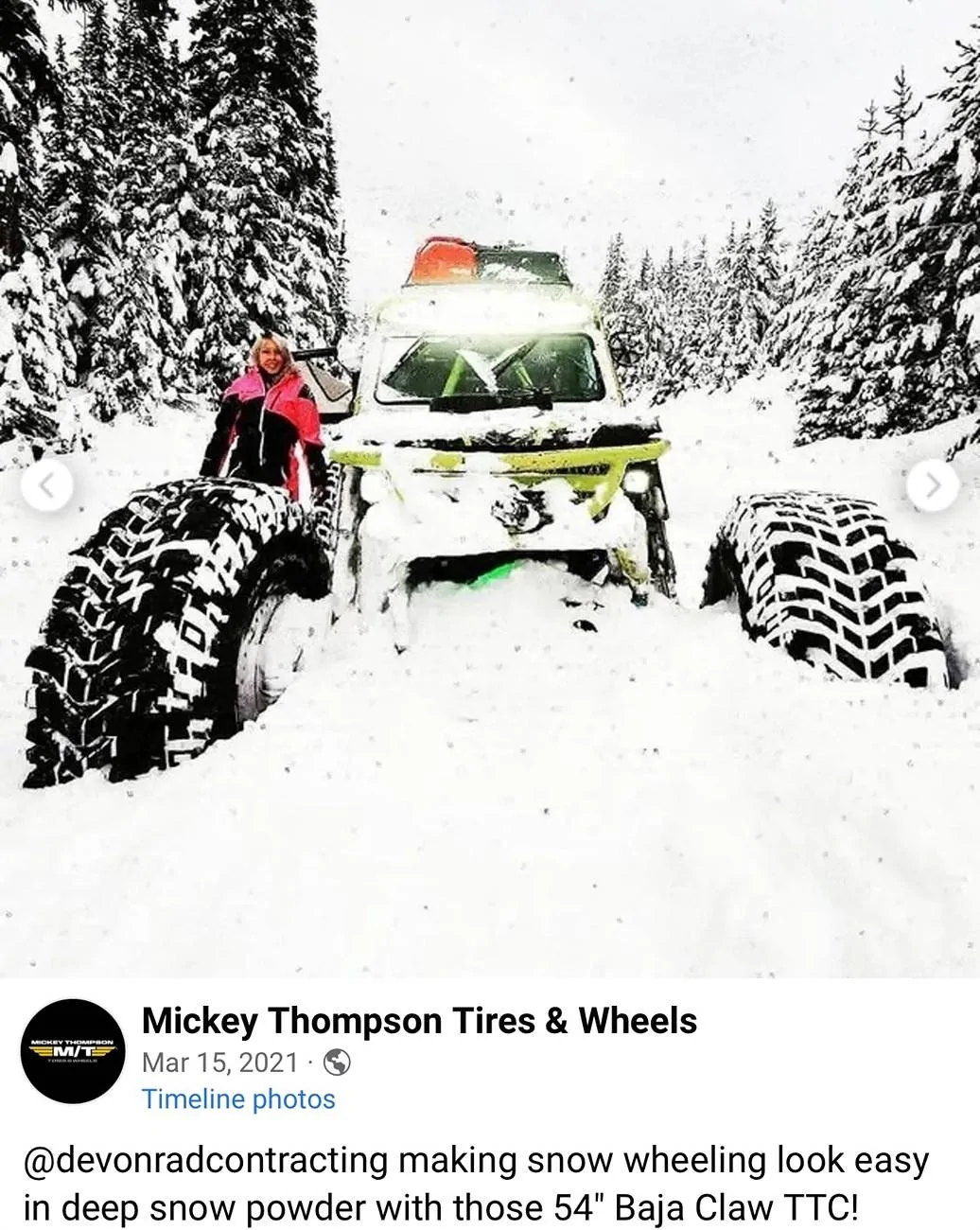
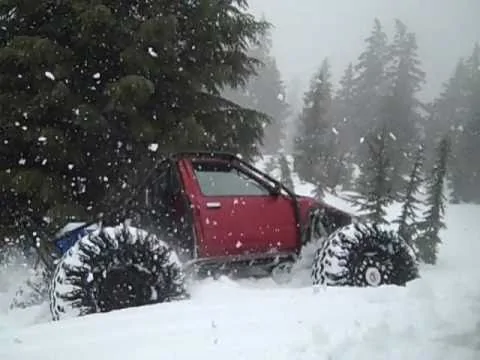
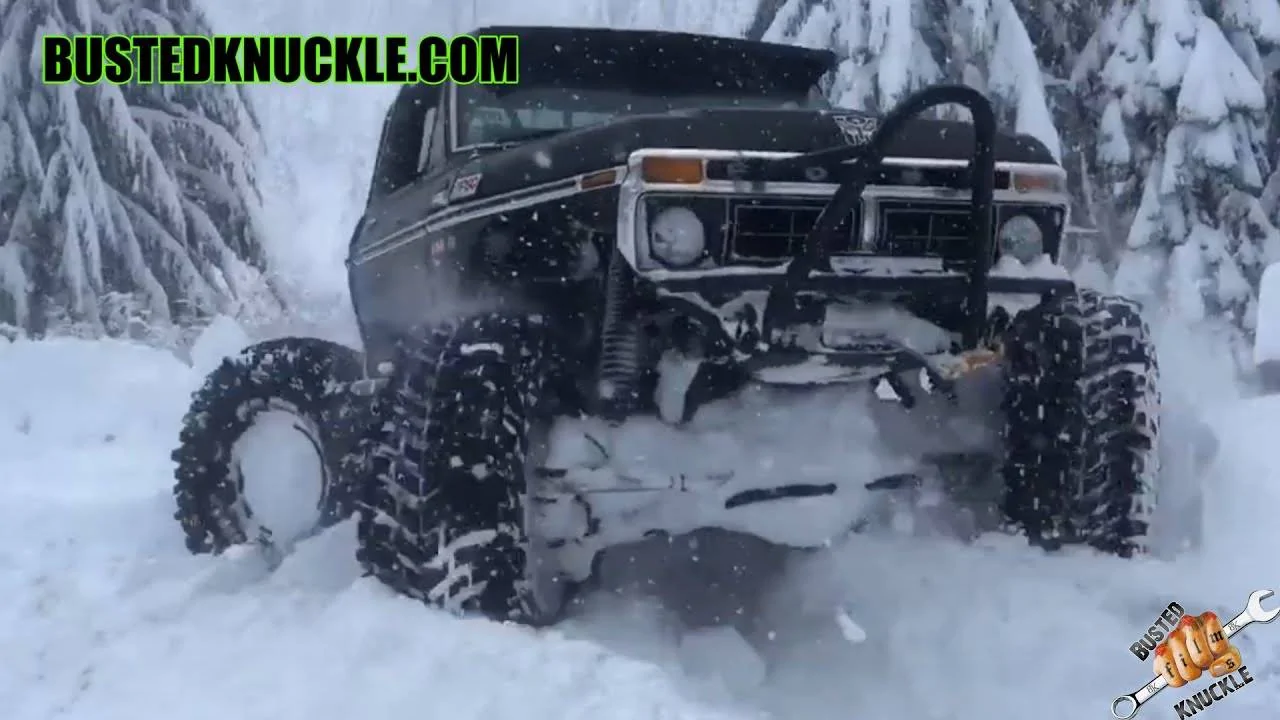
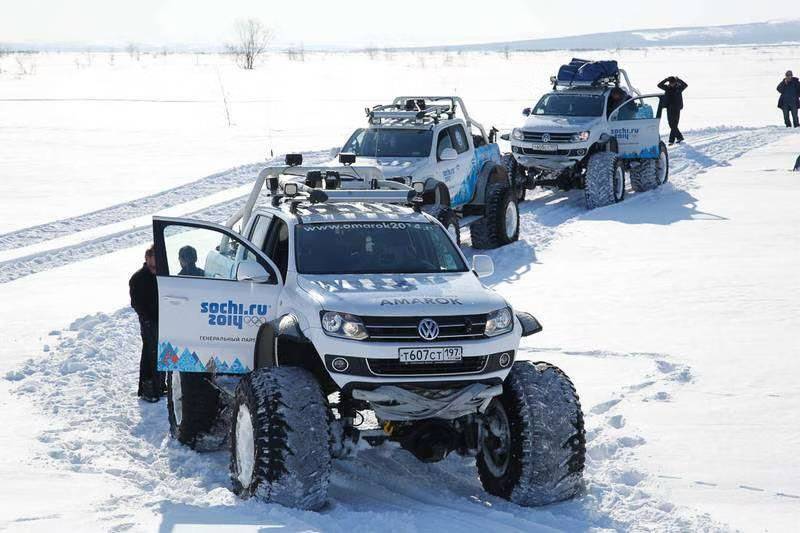
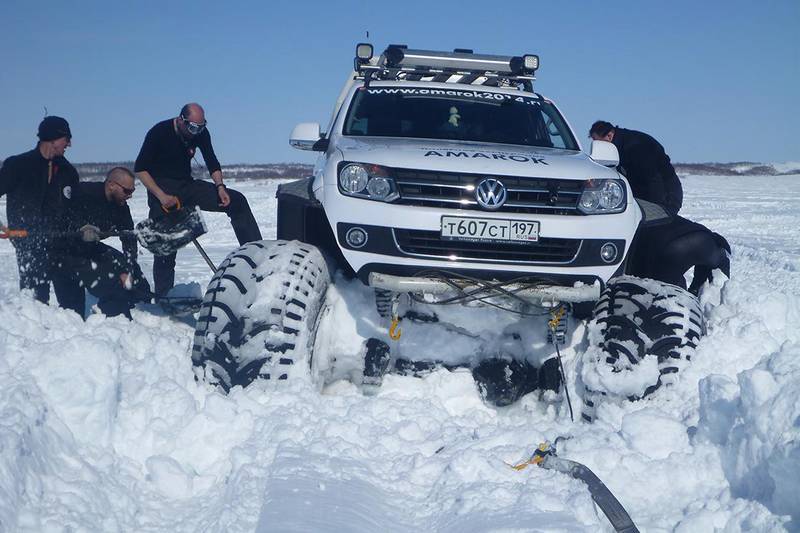
Agreed. Narrower tires work better in snow. Not sure why all of these amateurs think they need 20 inch wide tires in deep snow. A Maverick on 225 width dedicated snow tires would go right through this, just driving right by these snow wheeling trucks and artic trucks. These wide tire guys are just clueless. 🙄

Ford Maverick 245/65 or 245/70 Tires for Tremor? IMG_2078
Ford Maverick 245/65 or 245/70 Tires for Tremor? IMG_2079
Ford Maverick 245/65 or 245/70 Tires for Tremor? IMG_2080
Ford Maverick 245/65 or 245/70 Tires for Tremor? IMG_2082

Ford Maverick 245/65 or 245/70 Tires for Tremor? IMG_2083
 

Sponsored

Hunters Edge

2.0L EcoBoost
Well-known member
First Name
Sid
Joined
Jan 26, 2024
Threads
32
Messages
1,843
Reaction score
2,229
Location
Michigan
Vehicle(s)
F150 crew
Engine
2.0L EcoBoost
Agreed. Narrower tires work better in snow. Not sure why all of these amateurs think they need 20 inch wide tires in deep snow. A Maverick on 225 width dedicated snow tires would go right through this, just driving right by these snow wheeling trucks and artic trucks. These wide tire guys are just clueless. 🙄

IMG_2078.webp
IMG_2079.webp
IMG_2080.webp
IMG_2082.jpeg
I think they are trying to treat snow like sand and mud and trying to stay on top (mudders). That deep snow one would need tracks.

 
Last edited:

Phimosis

2.0L EcoBoost
Well-known member
First Name
Larry
Joined
Jul 18, 2024
Threads
2
Messages
1,180
Reaction score
1,520
Location
Santa Clarita, CA
Vehicle(s)
2024 Maverick Lariat FX4 4K tow
Engine
2.0L EcoBoost
I think they are trying to treat snow like sand and mud and trying to stay on top (mudders). That deep snow one would need tracks.
Welp, you did say “Also in snow the narrow the tire puts more pressure to increase traction as well. It just might mean the difference when off road.” I would agree if you said “ON road”, because yes, you’re are trying to dig through snow to get to pavement or gravel, which offers more traction. And a skinny tire will get your rig to sink in faster than a wide tire.

But when OFF road, when you dig through the snow, what do you get? More snow. And after that? More snow. And after that? Well, if you’ve got 54” diameter tires, you might eventually hit mud. But as you pointed out, it’s more beneficial to have wider tires and more flotation in mud. That is why every off-road snow rig runs wide tires. More contact patch = less ground PSI = better snow performance. Same reason that snow mobiles and snow cats uses tracks; increased contact patch and decreased ground PSI.
 
Last edited:

Hunters Edge

2.0L EcoBoost
Well-known member
First Name
Sid
Joined
Jan 26, 2024
Threads
32
Messages
1,843
Reaction score
2,229
Location
Michigan
Vehicle(s)
F150 crew
Engine
2.0L EcoBoost
Welp, you did say “Also in snow the narrow the tire puts more pressure to increase traction as well. It just might mean the difference when off road.” I would agree if you said “ON road”, because yes, you’re are trying to dig through snow to get to pavement or gravel, which offers more traction. And a skinny tire will get your rig to sink in faster than a wide tire.

But when OFF road, when you dig through the snow, what do you get? More snow. And after that? More snow. And after that? Well, if you’ve got 54” diameter tires, you might eventually hit mud. But as you pointed out, it’s more beneficial to have wider tires and more flotation in mud. That is why every off-road snow rig runs wide tires. More contact patch = less ground PSI = better snow performance. Same reason that snow mobiles and snow cats uses tracks.
No in snow the weight per square inch allows the treads on the tires to grab or pack snow for traction. In deep snow or ridiculous deep snow staying in top to allow ground clearance is what they looking for. It's a balance you can have all the traction in the world but if your on your chassis you are not going anywhere.

On sand and mud in those two large tires are designed to stay on top. The reason for this is similar if no bottom or sinking in to get traction you will bottom out and again be on the frame.

Any tests on traction getting the most surface of tread on the ground is with narrow tires. As you let air out it is an oval creating more surface to grab or get traction more so then a fatter tire of course within reason like comparing r65 to r70
 

Phimosis

2.0L EcoBoost
Well-known member
First Name
Larry
Joined
Jul 18, 2024
Threads
2
Messages
1,180
Reaction score
1,520
Location
Santa Clarita, CA
Vehicle(s)
2024 Maverick Lariat FX4 4K tow
Engine
2.0L EcoBoost
No in snow the weight per square inch allows the treads on the tires to grab or pack snow for traction. In deep snow or ridiculous deep snow staying in top to allow ground clearance is what they looking for. It's a balance you can have all the traction in the world but if your on your chassis you are not going anywhere.

On sand and mud in those two large tires are designed to stay on top. The reason for this is similar if no bottom or sinking in to get traction you will bottom out and again be on the frame.

Any tests on traction getting the most surface of tread on the ground is with narrow tires. As you let air out it is an oval creating more surface to grab or get traction more so then a fatter tire of course within reason like comparing r65 to r70
So you’re telling me that using a skinny tire and letting the air pressure down to increase the contact patch will improve your snow performance? Well using that logic, you’re better off using a wide tire that already has a larger contact patch, then letting the air pressure down to increase the contact patch size even further. 🤣

Also traction tests, literally friction tests, do not show that increased contact force produces the best grip. What produces the best grip is increasing the coefficient of friction. Depending on what surface you’re on, that is achieved through tread block shape, increasing tread void size to promote self cleaning, adding studs, adding silicone to the rubber compound, adding siping, etc.

After years and years of thousands of guys building bigger and badder snow rigs and testing to see who can get through the trail and on what type of tire, there has been a uniform consensus that wide tires outperform skinny tires when truly off-road. Not on paved roads or fire trails that have been graded and graveled, but truly going off-road. Don’t believe me? Google to find your local off-road club. Go to their weekly meet ups that happen at a local restaurant. Talk to them. Look at the tires on their rigs. Make friends with someone and ask for a ride along on their next outing.

All of the people I know that think skinny tires are better are the ones that have only done baby steps of off-roading.

Everyone that I know that has been in an off-road club and owns a trailered off-road vehicle, will only run skinny tires for rock crawling. But for mud snow and sand, wider tires dominate.

I was in an off road club for years with a modified wrangler rubicon and have done a lot of snow wheeling.


Hunters Edge

2.0L EcoBoost
Well-known member
First Name
Sid
Joined
Jan 26, 2024
Threads
32
Messages
1,843
Reaction score
2,229
Location
Michigan
Vehicle(s)
F150 crew
Engine
2.0L EcoBoost
So you’re telling me that using a skinny tire and letting the air pressure down to increase the contact patch will improve your snow performance? Well using that logic, you’re better off using a wide tire that already has a larger contact patch, then letting the air pressure down to increase the contact patch size even further. 🤣

Also traction tests, literally friction tests, do not show that increased contact force produces the best grip. What produces the best grip is increasing the coefficient of friction. Depending on what surface you’re on, that is achieved through tread block shape, increasing tread void size to promote self cleaning, adding studs, adding silicone to the rubber compound, adding siping, etc.

After years and years of thousands of guys building bigger and badder snow rigs and testing to see who can get through the trail and on what type of tire, there has been a uniform consensus that wide tires outperform skinny tires when truly off-road. Not on paved roads or fire trails that have been graded and graveled, but truly going off-road. Don’t believe me? Google to find your local off-road club. Go to their weekly meet ups that happen at a local restaurant. Talk to them. Look at the tires on their rigs. Make friends with someone and ask for a ride along on their next outing.

All of the people I know that think skinny tires are better are the ones that have only done baby steps of off-roading.

Everyone that I know that has been in an off-road club and owns a trailered off-road vehicle, will only run skinny tires for rock crawling. But for mud snow and sand, wider tires dominate.

I was in an off road club for years with a modified wrangler rubicon and have done a lot of snow wheeling.


Iakona

2.0L EcoBoost
Well-known member
First Name
Jason
Joined
Jan 30, 2022
Threads
4
Messages
108
Reaction score
76
Location
Elgin, North Dakota
Vehicle(s)
2023 Maverick Tremor
Engine
2.0L EcoBoost
Nope, people have reported mild rubbing on the Tremor with 245/70R17’s. In the top right corner of the page, there’s a little magnifying glass icon. That will let you search the forum for previous posts, so that you don’t have to reinvent the wheel each time.

IMG_2077.jpeg
Being a dick is totally unnecessary. I am fully aware of how to operate the internet and don't need instructions. Again, I did tons of research here and other places AND have that size tire on my truck with ZERO to MINISCULE amounts of tire rub. AKA not enough to notice from inside the truck. You can argue all day long but that doesn't make my real world experience any less true. Did it occur to you that different tread patterns, etc, etc might make a difference as well?? Again, it's the difference in ride height between your FX4 and my Tremor. PS, I owned both trucks at the same time not that long ago and sold the FX4 because I rarely drove it after buying the Tremor.

Also........since you wanna share things.

https://www.mavericktruckclub.com/f...s-sizes-that-will-fit-the-ford-maverick.7776/
Sponsored


Top