Sponsored

Ford $30K Electric Truck. A winner?

Deleted member 45110

Guest
Kinda like I mentioned; more than 80% of drivers don't go more than 40 miles a day. Also of note, at least 2/3 of pickup drivers do not do "pickup stuff" with them; they just have them because they like the aesthetics of driving a pickup. So, an EV pickup that gets 200+ miles per charge is OVER qualified for most drivers.

On the price, that's just a bait and switch thing, No way they are offering this for $30k, especially years from now. Even the Maverick XL is over $30k with inflation and tariffs.
Hmmm seeing the verbiage most drivers don't go more than 40 miles a day.
Where is that?

Even IF that were accurate the far far far more majority of people are not electric car owners. Eventho there are already multiple low cost options.
As an old movie line once said
'Thats the fact, Jack'
Sponsored


 

Master Blaster

2.5L Hybrid
Well-known member
First Name
Master
Joined
Feb 20, 2024
Threads
8
Messages
1,311
Reaction score
1,928
Location
Toronto
Vehicle(s)
23 Maverick Lariat Hybrid
Engine
2.5L Hybrid
Per the fine article, the new pick up will have a 51 kwh battery. Per energy.gov, the average cost of EV batteries in 2022 is $153 kwh. And the price is dropping like a stone. Down 89% since 2008.

https://www.energy.gov/eere/vehicles/articles/fotw-1272-january-9-2023-electric-vehicle-battery-pack-costs-2022-are-nearly#:~:text=The 2022,per year.

Using those numbers, the battery cost would be $7,803. But prices have fallen since then, and the OP article mentions that they are using an even less expensive (yet more durable) nickel manganese cobalt (NMC) packs process and materials.

A reasonable spit ball number would be around $5,000 to $6,000 battery cost.
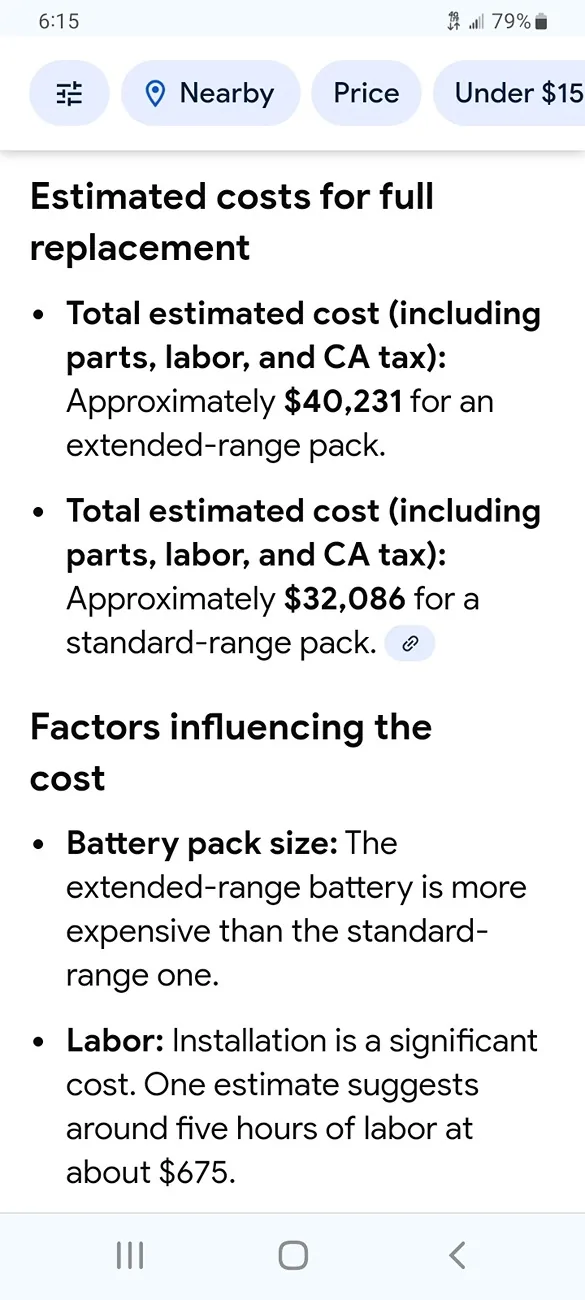
The F150 Lightning battery replacement cost is US$30k, and only gets it 230 miles down the road in highway driving. Your numbers are way off.
 

Hunters Edge

2.0L EcoBoost
Well-known member
First Name
Sid
Joined
Jan 26, 2024
Threads
30
Messages
1,807
Reaction score
2,161
Location
Michigan
Vehicle(s)
F150 crew
Engine
2.0L EcoBoost
The F150 Lightning battery replacement cost is US$30k, and only gets it 230 miles down the road in highway driving. Your numbers are way off.
Yep and try towing it's max or in extreme cold weather. Both drastically reduces the distance.
 

Scott Asheville

2.0L EcoBoost
Well-known member
First Name
Scott
Joined
Oct 4, 2021
Threads
79
Messages
2,328
Reaction score
5,479
Location
Asheville, NC
Vehicle(s)
2022 AWD XLT ECO LUX CP360 HPR
Engine
2.0L EcoBoost
I feel obligated to step in and correct some total BS being spewed forth by a few haters. I get it, they hate BEVs. They hate anybody who likes BEVs. Heck, they probably kick dogs and little children. It takes all types I guess. But other people are reading their posts and might actually believe the hateful vomit spewing out of these dubious "experts". So, how about some actual facts? What a concept!

It's an untruth to say on 5% of people are interested in BEVs. However, it's a truth to say that, post incentives, the market share of BEVs is 5% (down from 10%). This temporaray drop has been seen in most markets where incentives ended. In other markets, that number recovered, as the "pull forward" effect diminished and OEMs offered more appealing, affordable options. Oh, and the actual number of people interested in BEVs? The last industry research I saw was 73% are considering BEVs for their next purchase.

It's a truth to say that BEV values can drop by around half over 3 years. A bunch of reasons for that, and by the way, it's a really good motivation to buy a used BEV. But it's like computers back in the day. Three years is forever in the BEV world. Ranges increase. Cost new drops. Better product appears on the market. And that depreciation is usually compared to MSRP, not post-incentive price paid. Also, the screaming depreciation headlines forget to point out that ICE vehicles depreciate too. So it's not a 50% greater depreciation. It's maybe 10% or 15%. Which is very real. It also is worth mentioning that leasing is huge in the BEV world - leaving the lease holder to eat that hit.

It's a truth to say that BEV fires can be hard to extinguish. But it's also true to say that they're ten times less likely to happen. And that there are 215,000 gasoline vehicle fires per year in the USA alone (that's an average figure from the insurance industry). And it's also true that newer LFP batteries are even less likely to catch fire, and that future solid state batteries (think 2030 at scale) will essentially be fireproof. - thereby eliminating 215,000 fire insurance claims per year.

It's a half truth to say that BEVs cannot be easily charged on road trips. Depends on the date and time. Depends on the location. Depends on the car. Depends on the charger. Cars and chargers are working at higher speeds each year. Charger installation is happening at a crazy pace - with retailers like WalMart and others installing their own networks nationwide. But it's true. If you hit the road in the worst possible BEV, on the worst possible holiday, at the worst possible charger, and the worst possible route - yea, you could be in a line hating your life for two hours. But it's far more likely that you're going to pull in and pull out in 15 minutes. Oh, BTW, any honest BEV fanboy will admit that fast chargers are not cheap. You get the cheap electricity at home. The people running those chargers want to get their investment back.

It's true to say that BEVs suffer degraded performance in cold weather. How much depends on the BEV. Those with heat pumps and battery preconditioning lose less range than others. BTW, new chemistries are slowly reducing this issue.

It's absolutely true to say that BEVs are not the answer for towing your 10,000 pound trailer across the USA. Enough said. If you do this, you probably want a $75,000 diesel Super Duty.

It's true to say that it can be hard to charge BEVs if you live in an apartment. Enough said. Improvements here are happening glacially slowly.

It's half true to say that BEVs are more expensive. Depends on your timescale, because over a given time period the BEV is actually less expensive (zero maintenance, charge at home). Depends on the BEV. You can soon get a Leaf - a very nice BEV with 300+ miles range, for $26,000 and change. You can get an Equinox with similar range today for $35,000 and change. One important trendline to mention here is that BEVs get less expensive each year, on average, while that is most certainly not true of ICE vehicles - especially our precious Mavericks.

It can be true to say that BEV insurance is higher. Depends on the BEV. Depends on you. Depends on your location. Depends on your insurance company.

It can be true to say that tires wear faster because BEVs are heavier. Enough said.

It's untrue to claim that batteries degrade rapidly. Most OEMs warranty the battery to 80% at ten years. And the actual average charge retention at 150,000 miles seen by the organizations that research this sort of thing? 95%.

I could go on and on with this stuff, but the point is simply not to believe the venemous rantings of haters. A BEV may or may not be for you. You have to make that decision. But please make it on well-researched facts.

Oh, BTW, I've never owned a BEV. I will one of these days. I'm guessing it will be the new Ford. I don't even own a hybrid. It was ecoboost for me.
 
Last edited:

Sponsored

kevink

2.5L Hybrid
Well-known member
First Name
Kevin
Joined
Apr 15, 2025
Threads
4
Messages
129
Reaction score
160
Location
Oklahoma
Vehicle(s)
2025 Maverick
Engine
2.5L Hybrid
For me, it is likely that my next vehicle will be at least 8 years down the road. I currently have 2 vehicles under 2 years old, including my 2025 Maverick.

But with 2 vehicles, I'm likely to replace one when the time comes with an EV. And use the other one for my road trips.
 

Deleted member 45110

Guest
I feel obligated to step in and correct some total BS being spewed forth by a few haters. I get it, they hate BEVs. They hate anybody who likes BEVs. Heck, they probably kick dogs and little children. It takes all types I guess. But other people are reading their posts and might actually believe the hateful vomit spewing out of these dubious "experts". So, how about some actual facts? What a concept!

It's an untruth to say on 5% of people are interested in BEVs. However, it's a truth to say that, post incentives, the market share of BEVs is 5% (down from 10%). This temporaray drop has been seen in most markets where incentives ended. In other markets, that number recovered, as the "pull forward" effect diminished and OEMs offered more appealing, affordable options. Oh, and the actual number of people interested in BEVs? The last industry research I saw was 73% are considering BEVs for their next purchase.

It's a truth to say that BEV values can drop by around half over 3 years. A bunch of reasons for that, and by the way, it's a really good motivation to buy a used BEV. But it's like computers back in the day. Three years is forever in the BEV world. Ranges increase. Cost new drops. Better product appears on the market. And that depreciation is usually compared to MSRP, not post-incentive price paid. Also, the screaming depreciation headlines forget to point out that ICE vehicles depreciate too. So it's not a 50% greater depreciation. It's maybe 10% or 15%. Which is very real. It also is worth mentioning that leasing is huge in the BEV world - leaving the lease holder to eat that hit.

It's a truth to say that BEV fires can be hard to extinguish. But it's also true to say that they're ten times less likely to happen. And that there are 215,000 gasoline vehicle fires per year in the USA alone (that's an average figure from the insurance industry). And it's also true that newer LFP batteries are even less likely to catch fire, and that future solid state batteries (think 2030 at scale) will essentially be fireproof. - thereby eliminating 215,000 fire insurance claims per year.

It's a half truth to say that BEVs cannot be easily charged on road trips. Depends on the date and time. Depends on the location. Depends on the car. Depends on the charger. Cars and chargers are working at higher speeds each year. Charger installation is happening at a crazy pace - with retailers like WalMart and others installing their own networks nationwide. But it's true. If you hit the road in the worst possible BEV, on the worst possible holiday, at the worst possible charger, and the worst possible route - yea, you could be in a line hating your life for two hours. But it's far more likely that you're going to pull in and pull out in 15 minutes. Oh, BTW, any honest BEV fanboy will admit that fast chargers are not cheap. You get the cheap electricity at home. The people running those chargers want to get their investment back.

It's true to say that it can be hard to charge BEVs if you live in an apartment. Enough said. Improvements here are happening glacially slowly.

It's half true to say that BEVs are more expensive. Depends on your timescale, because over a given time period the BEV is actually less expensive (zero maintenance, charge at home). Depends on the BEV. You can soon get a Leaf - a very nice BEV with 300+ miles range, for $26,000 and change. You can get an Equinox with similar range today for $35,000 and change. One important trendline to mention here is that BEVs get less expensive each year, on average, while that is most certainly not true of ICE vehicles - especially your precious Maverick.

It can be true to say that BEV insurance is higher. Depends on the BEV. Depends on you. Depends on your location. Depends on your insurance company.

It can be true to say that tires wear faster because BEVs are heavier. Enough said.

It's untrue to claim that batteries degrade rapidly. Most OEMs warranty the battery to 80% at ten years. And the actual average charge retention at 150,000 miles seen by the organizations that research this sort of thing? 95%.

I could go on and on with this stuff, but the point is simply not to believe the venemous rantings of hatefs. A BEV may or may not be for you. You have to make that decision. But please make it on well-researched facts.
People discussing a topic does not mean their haters.
To that you served a bologna sandwich on a plate you kicked people in the leg with.
Tisk tisk.
 

A Sturdy Beast

2.5L Hybrid
Well-known member
First Name
Lucky
Joined
Aug 2, 2022
Threads
20
Messages
456
Reaction score
711
Location
USA
Vehicle(s)
2023 Mav XL Hybrid, Iconic Silver
Engine
2.5L Hybrid
The F150 Lightning battery replacement cost is US$30k, and only gets it 230 miles down the road in highway driving. Your numbers are way off.
The new pick up won’t use a F150 battery and you know it. You’re not discussing this in good faith.
 
Sponsored

Deleted member 45110

Guest
The new pick up won’t use a F150 battery and you know it. You’re not discussing this in good faith.
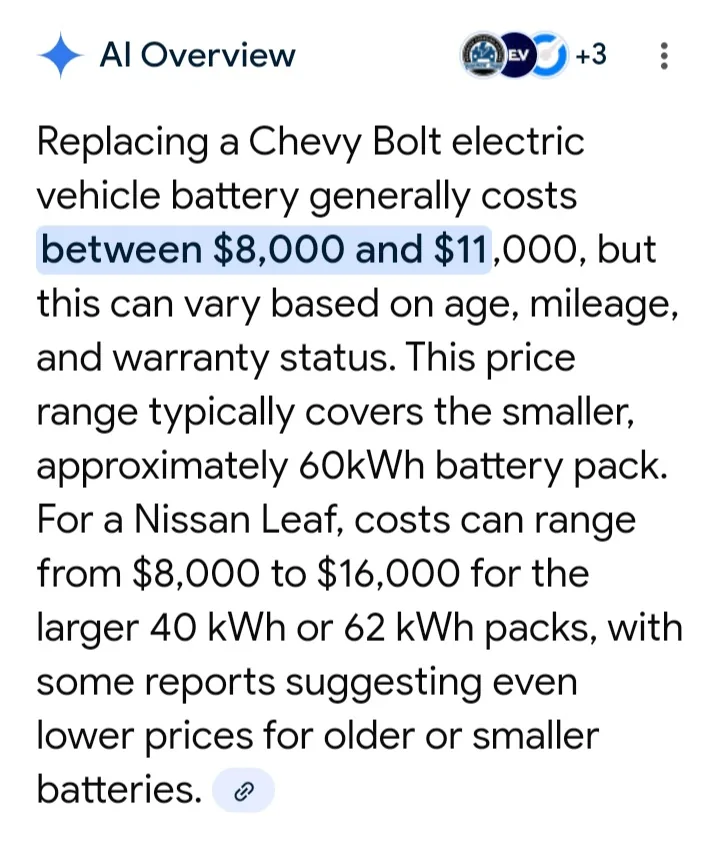
Comparatively the cost of a lightning and the percentage of it how much it costs to purchase a new battery is in my opinion comparable if a lesser vehicle than only cost $30,000 is still going to cost $8000 to $10,000 to replace the battery.

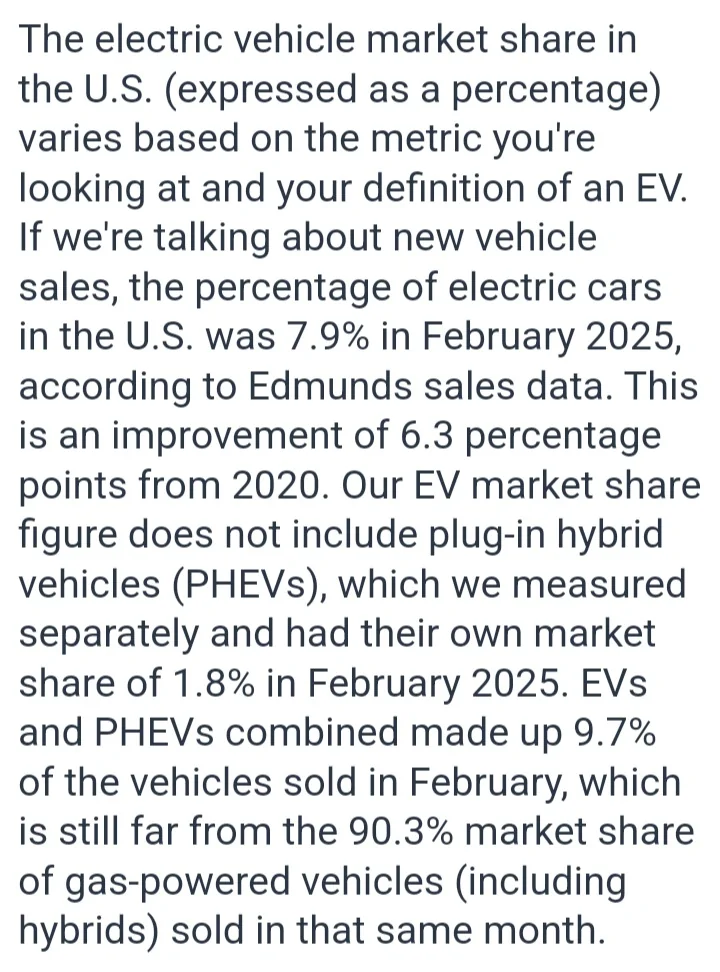
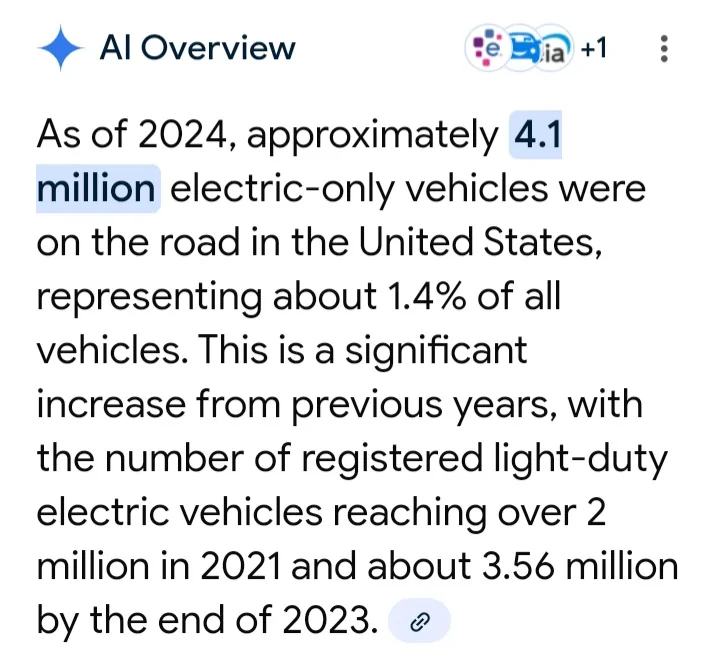
& why im posting google #'s
 

Surly Old Bill

2.5L Hybrid
Well-known member
First Name
bill
Joined
Apr 30, 2025
Threads
11
Messages
804
Reaction score
1,228
Location
Richmond, CA
Vehicle(s)
2024 Maverick XL
Engine
2.5L Hybrid
Hmmm seeing the verbiage most drivers don't go more than 40 miles a day.
Where is that?

Even IF that were accurate the far far far more majority of people are not electric car owners. Eventho there are already multiple low cost options.
As an old movie line once said
'Thats the fact, Jack'
Ford Maverick Ford $30K Electric Truck.  A winner? 1763224460569-f
 

Surly Old Bill

2.5L Hybrid
Well-known member
First Name
bill
Joined
Apr 30, 2025
Threads
11
Messages
804
Reaction score
1,228
Location
Richmond, CA
Vehicle(s)
2024 Maverick XL
Engine
2.5L Hybrid
The F150 Lightning battery replacement cost is US$30k, and only gets it 230 miles down the road in highway driving. Your numbers are way off.
replacement at a dealership disservice center with OEM for full price is different than replacement by an independent shop. If that's even allowed. There should be Right To Repair for personal vehicles as well as farm equipment.
 

Surly Old Bill

2.5L Hybrid
Well-known member
First Name
bill
Joined
Apr 30, 2025
Threads
11
Messages
804
Reaction score
1,228
Location
Richmond, CA
Vehicle(s)
2024 Maverick XL
Engine
2.5L Hybrid
Also, it's a good thing you'd never need to replace the battery out-of-pocket if it does indeed cost $30k. Most people get a different vehicle after just 4-5 years, and the warranty is 8. I personally know a guy with 250k+ miles on a Prius with it's original drive battery, and yes, the original drive battery still works. Yes, some idiots keep a vehicle longer, even after warranty expires. I had my Sprinter for 10 years and still have my Transit(not Connect) that I've had for 9 years. The Fiat is 10 years old, too. And the X5 is pushing 20.

That said, I do prefer a EV with built in range extender engine in this transition time for my type of driving situation. I do a 1000+ mile round trip about once a month, but in the 3+ weeks between I'm only driving 10-40 miles a day at home. As I've mentioned in other threads, where I live the power company charges more than 50 cents/kwh cuz they are a for-profit company with a government granted monopoly (PG&E), so it's cheaper per mile to drive my 45mpg Maverick on the $4gal gas than it is to drive our Fiat 500e. So for the time being, where I spend most of my time a 40+ mpg gas fueled vehicle is cheaper to operate than an EV. You people who live somewhere that the electricity is 20 cents/kwh or less should be taking advantage of that.
 

Mike S

2.5L Hybrid
Well-known member
Joined
Nov 20, 2021
Threads
7
Messages
122
Reaction score
161
Location
Naples, FL
Vehicle(s)
Escape, Ecosport
Engine
2.5L Hybrid
Also, it's a good thing you'd never need to replace the battery out-of-pocket if it does indeed cost $30k. Most people get a different vehicle after just 4-5 years, and the warranty is 8. I personally know a guy with 250k+ miles on a Prius with it's original drive battery, and yes, the original drive battery still works. Yes, some idiots keep a vehicle longer, even after warranty expires. I had my Sprinter for 10 years and still have my Transit(not Connect) that I've had for 9 years. The Fiat is 10 years old, too. And the X5 is pushing 20.

That said, I do prefer a EV with built in range extender engine in this transition time for my type of driving situation. I do a 1000+ mile round trip about once a month, but in the 3+ weeks between I'm only driving 10-40 miles a day at home. As I've mentioned in other threads, where I live the power company charges more than 50 cents/kwh cuz they are a for-profit company with a government granted monopoly (PG&E), so it's cheaper per mile to drive my 45mpg Maverick on the $4gal gas than it is to drive our Fiat 500e. So for the time being, where I spend most of my time a 40+ mpg gas fueled vehicle is cheaper to operate than an EV. You people who live somewhere that the electricity is 20 cents/kwh or less should be taking advantage of that.
If you are paying $0.50/kwh at home, you need to install solar on your house.
Sponsored


Top