

- Banned
- #31
And there lies the problem.What section/page? I looked at the section about jumping and there's a separate section for the Hybrid.
No separate section for hybrids in the manual exists when it comes to octane that I have seen.
Sponsored
And there lies the problem.What section/page? I looked at the section about jumping and there's a separate section for the Hybrid.
No separate section for hybrids in the manual exists when it comes to octane that I have seen.
If there's separate sections for when things are different between hybrid and Ecoboost, that would lead me to believe that if there's no separate section for that subject that it's the same for both drive trains.And there lies the problem.
Or it was oversight that is not safety related and does no harm.If there's separate sections for when things are different between hybrid and Ecoboost, that would lead me to believe that if there's no separate section for that subject that it's the same for both drive trains.
Wouldn't that make sense?
Interesting theory, thank you for sharing.Or it was oversight that is not safety related and does no harm.
Over the years and in several vehicles I have found many cases of "cut & paste" errors.
They don't sit someone down and pay that person a year of wages to scratch write a manual year after year for every new vehicle. And usually the new, least experienced person puts the book together. Top engineers don't write the user manuals. If we're lucky, maybe one will proof-read before press time.
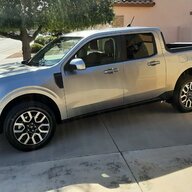
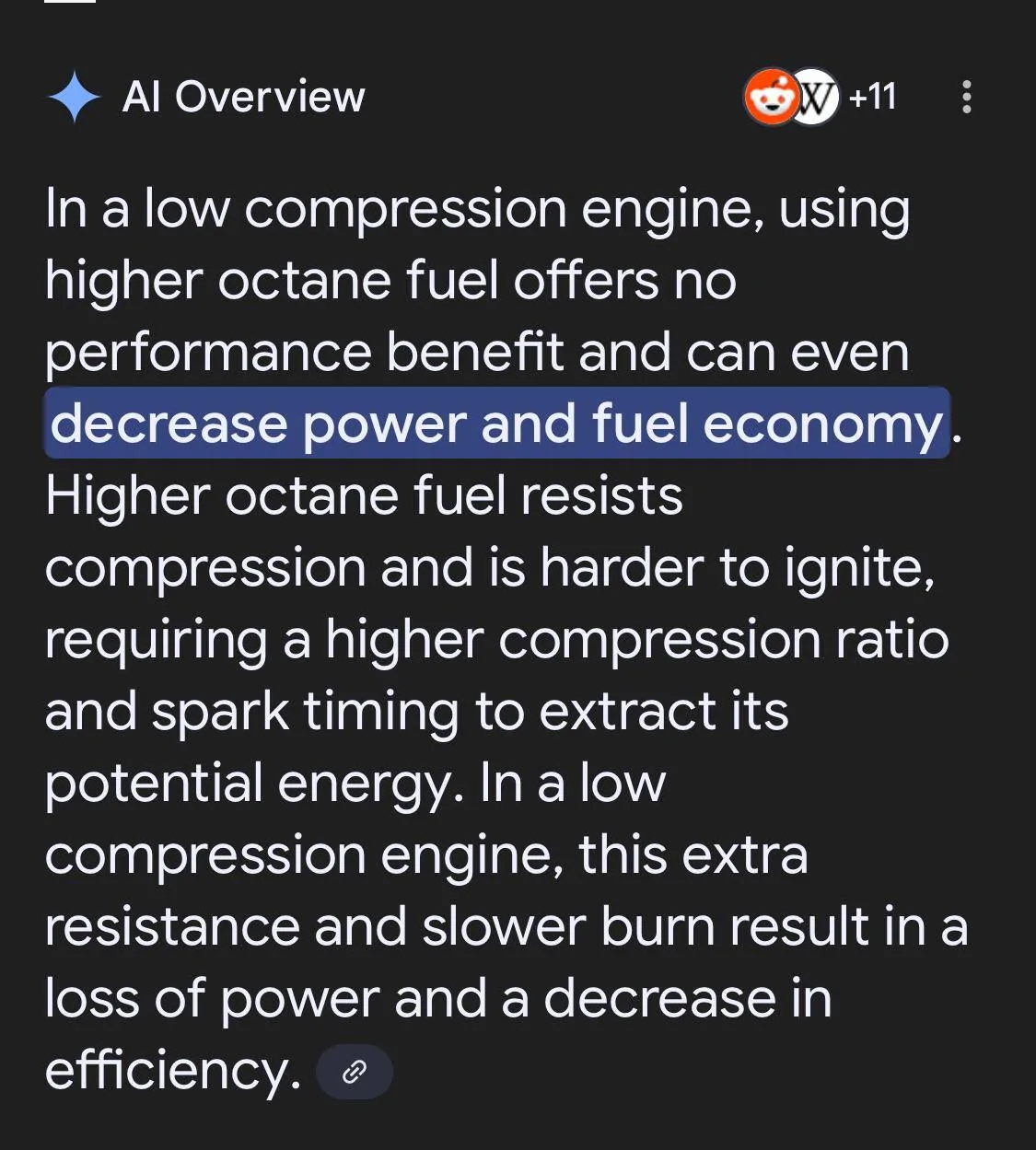
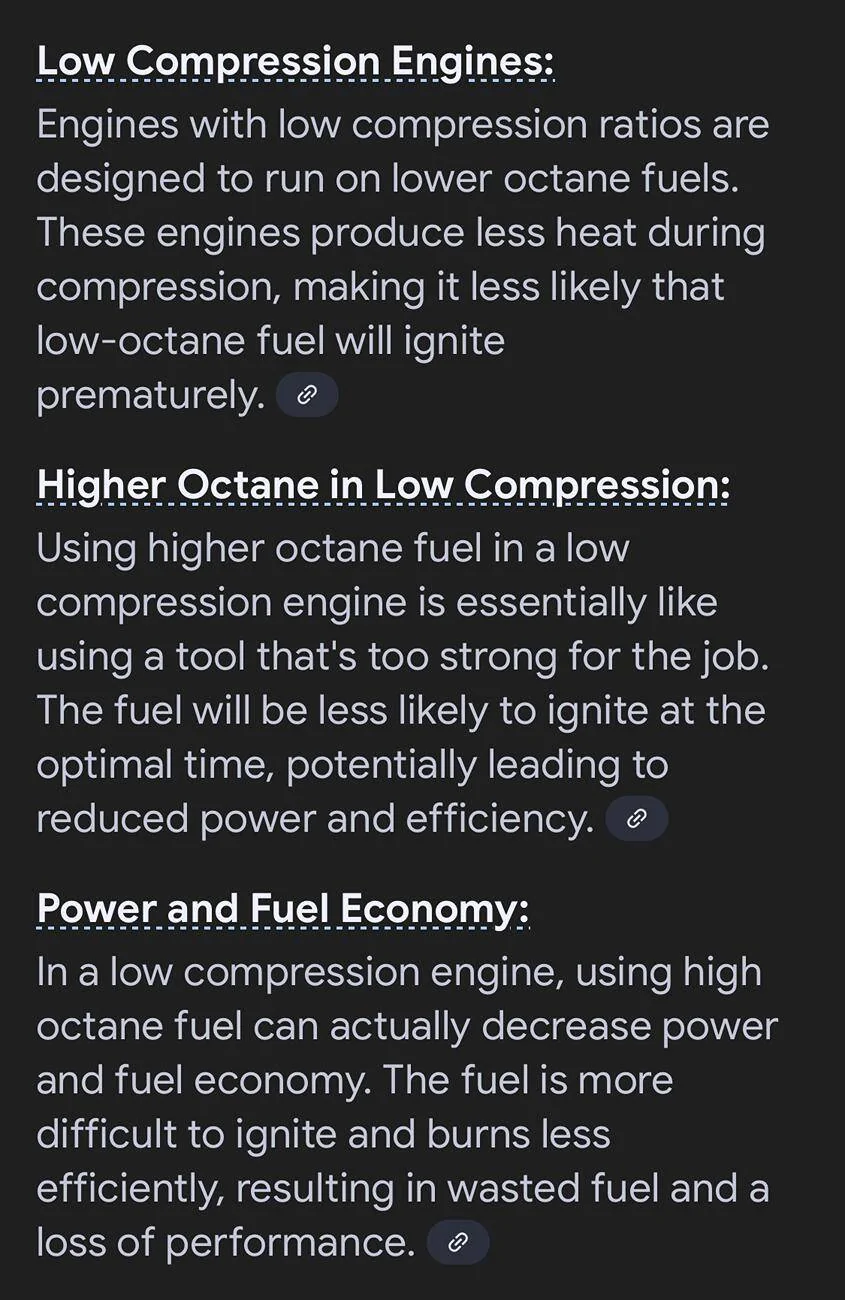

No they don't. The only fuel suggested for the hybrid is 87 octane with TopTier additives.
They never say 91 will boost MPG.
Thank you for contributing to the collective knowledge base. It's hard for one person to fully explain something. Something like "premium" nomenclature is (artificially) bestowed on one fuel vs. another for marketing purposes.It looks like not merely "typo", but rather "really, really bad editing" in the 2025 manual.
It seems that the ecoboost and towing into got put in the general section.
Octane is a rating fo resisting premature combustion as the fuel/air mix is compressed. That's "all", but it's a pretty big "all". It lets you run more aggressive spark timing, higher compression, and more turbo boost.
Some engines adjust one (Northstar, timing) or more (ecoboost, timing and boost) of these, and back off at the edge of knocking (colloquially "pre-knock"). Northstar says to use premium, but is happy with 87 (but with reduced HP). Ecoboost says "87 or more", and (from what we think we know) gets more aggressive up to 97.
But from everything we know (or at least what I've seen), the hybrid maverick doesn't do any of those; that's just not how it's optimized.
Octane is really a binary "enough or not" situation; more than enough doesn't get you anywhere.
So going beyond 87 presumably doesn't do anything for the hybrid. (I think earlier manuals were better about this, weren't they?).
Toptier fuel, however, *does*, as it has better cleaners, and is recommended.
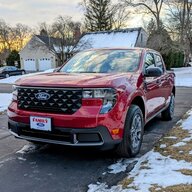
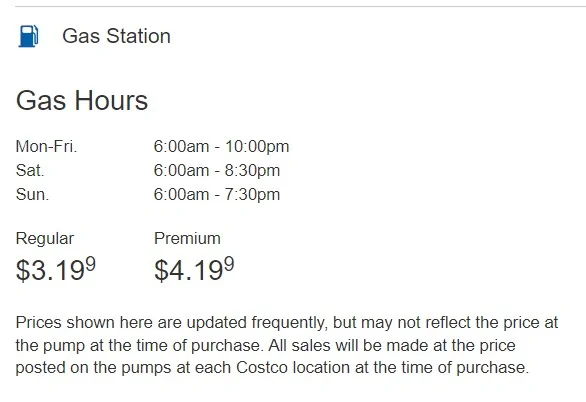
Same my 22 didn’t like 87. I switched to 89 and it was much better. I never even tried 87 on my 25 and never will.Usually buy Costco gas but in my area its either 87 regular oct or 89 higher oct. On only 87 oct my mpg is horrible at 34-38 if I use 89 oct I normally am always at 44mpg. I don't skimp on A/C but do make a concerted effort to use the dash vents. The vents on the Maverick are the most effective I have ever seen for cooling down the cabin. Use of the Cruise Control greatly helps MPG.
ignore 'anecdotal' evidence - the EPA ratings are 35 mpg for highway and that is probably derived from driving on flat surfaces - trying to eek out another 3 mpg on the xway would only net you under $80 for an entire year considering 10K miles per year. People post all kinds of numbers, who knows how accurate or consistent they really are and under what conditions. Only thing for you to do is check your tire pressure and make sure it is not on the low side. Also some tires can reduce your MPG if they're wider or larger than the stock ones. Ignore using 91 octane - the cost difference negates any minor mpg increase. I've had mine since '22 - I never put it in eco mode and just drive the darn thing as I like, if I get a couple less mpg than someone else that's fine I'm still getting great mileage and enjoying the ride.i know this has probably been asked/said ad nauseam, however, i cant find anything on it. im currently sitting at 2720 miles on my 2025 maverick xlt hybrid fwd, the mileage im getting seems allot lower than most, back and forth to work(96 miles round trip) im averaging about 31.8 mpg, and that from fuelio.. doing about 55-65 mph. the split is about 75% highway and 25% city. how are people getting upwards of 38 on the interstate???? im usually sitting at about 27 mpg on the highways etc, city is where its bumping the average up.. is my truck still to new?


I find that kind of different. I owned a first and second generation Chevy Volt. The first generation Atkinson cycle required premium. My second generation with a different engine did not.It's surprisingly difficult to find manufacturer data on this subject. It's almost like they don't want to talk about it. Or there is some pressure from "above" (oil companies maybe?). I dunno.
But there's tons of car "blogs" on the subject. Overwhelming majority say, hybrids don't benefit from higher octane. Tons of user reports.
One example:
""A by-product of this is that Atkinson cycle engines actually run best on lower-octane fuels. The slower flame propegation of high-octane fuel is detrimental to such an engine, and Prius owners who have made the mistake of running premium fuel in their cars have been rewarded with misfires, check engine and hybrid system warning indicators"



